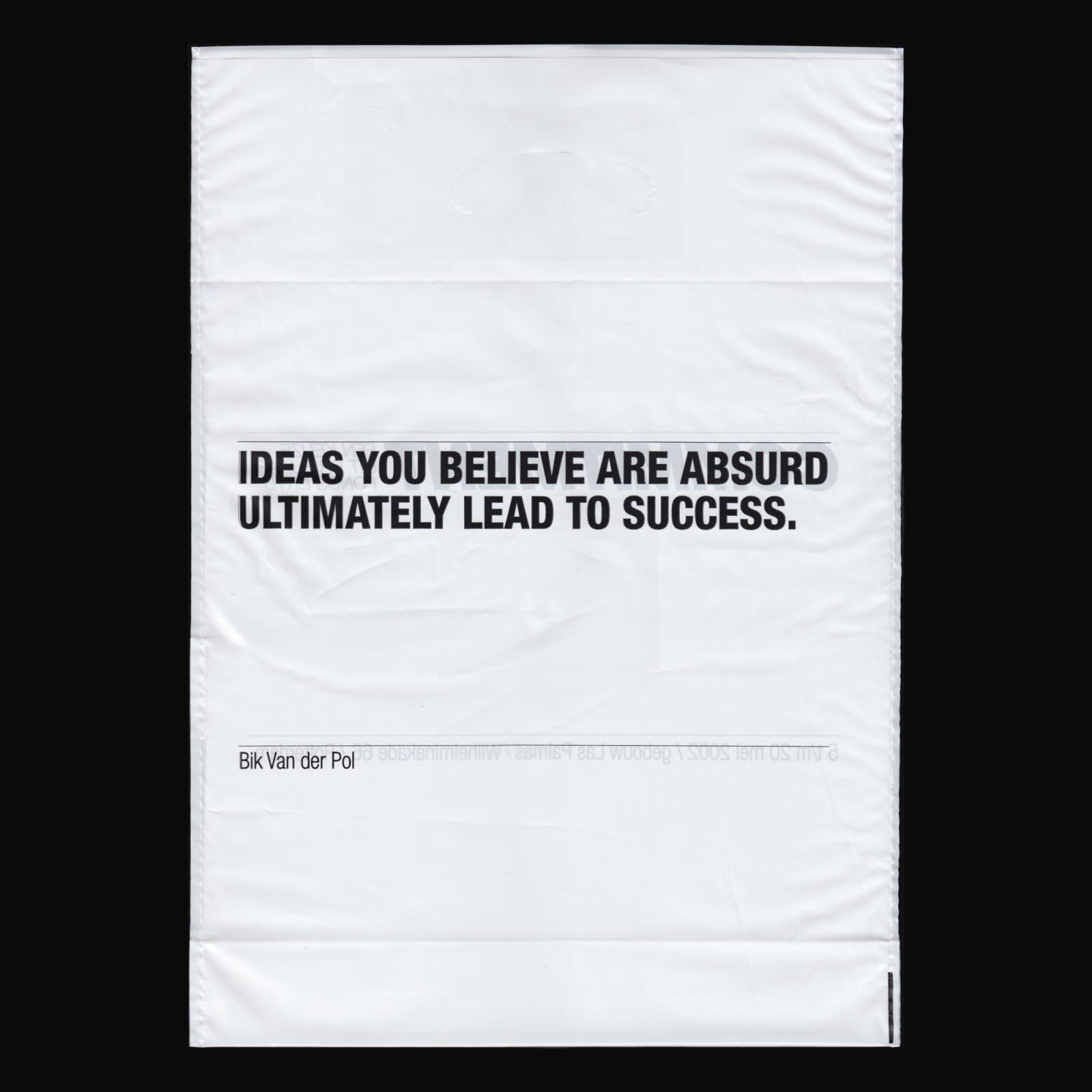
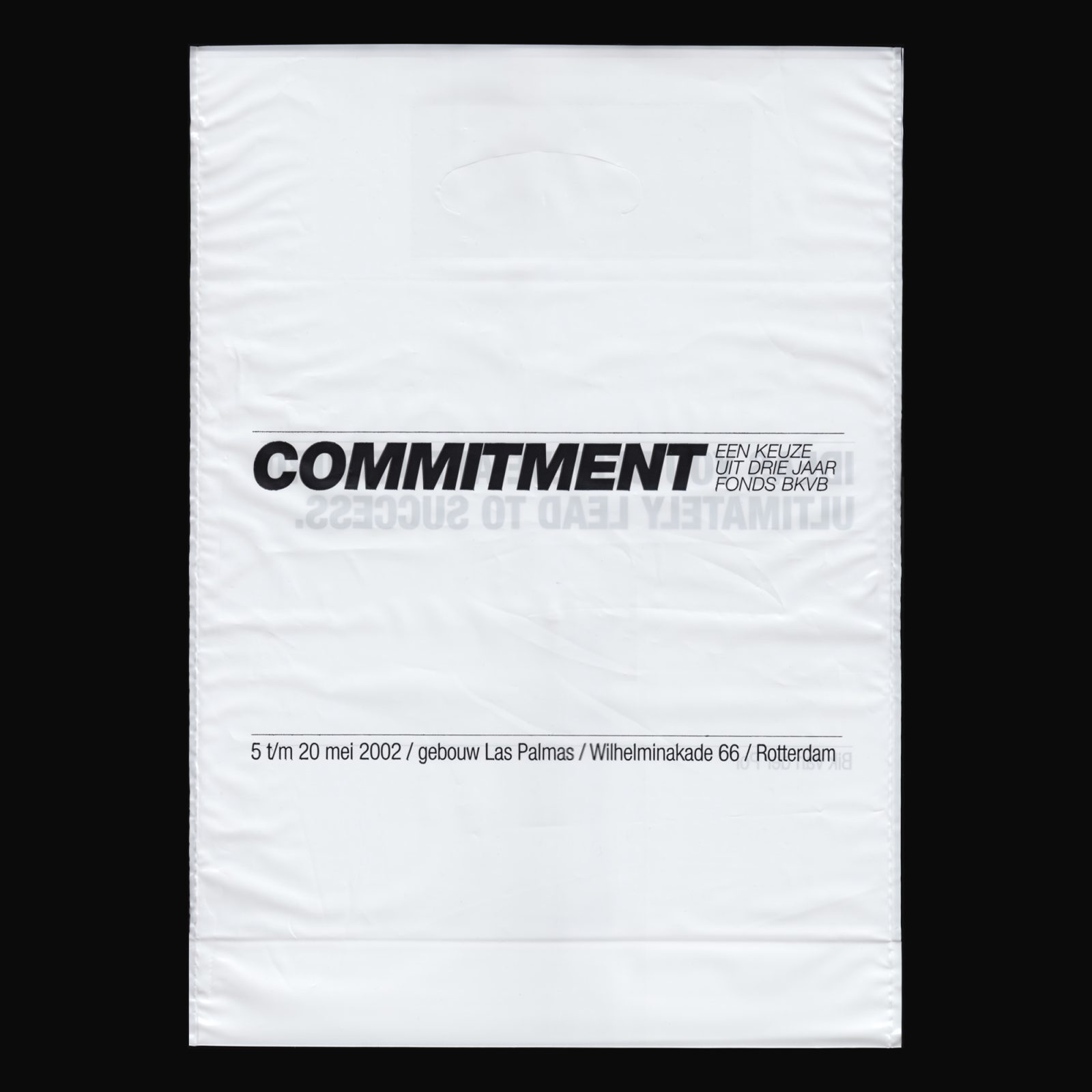
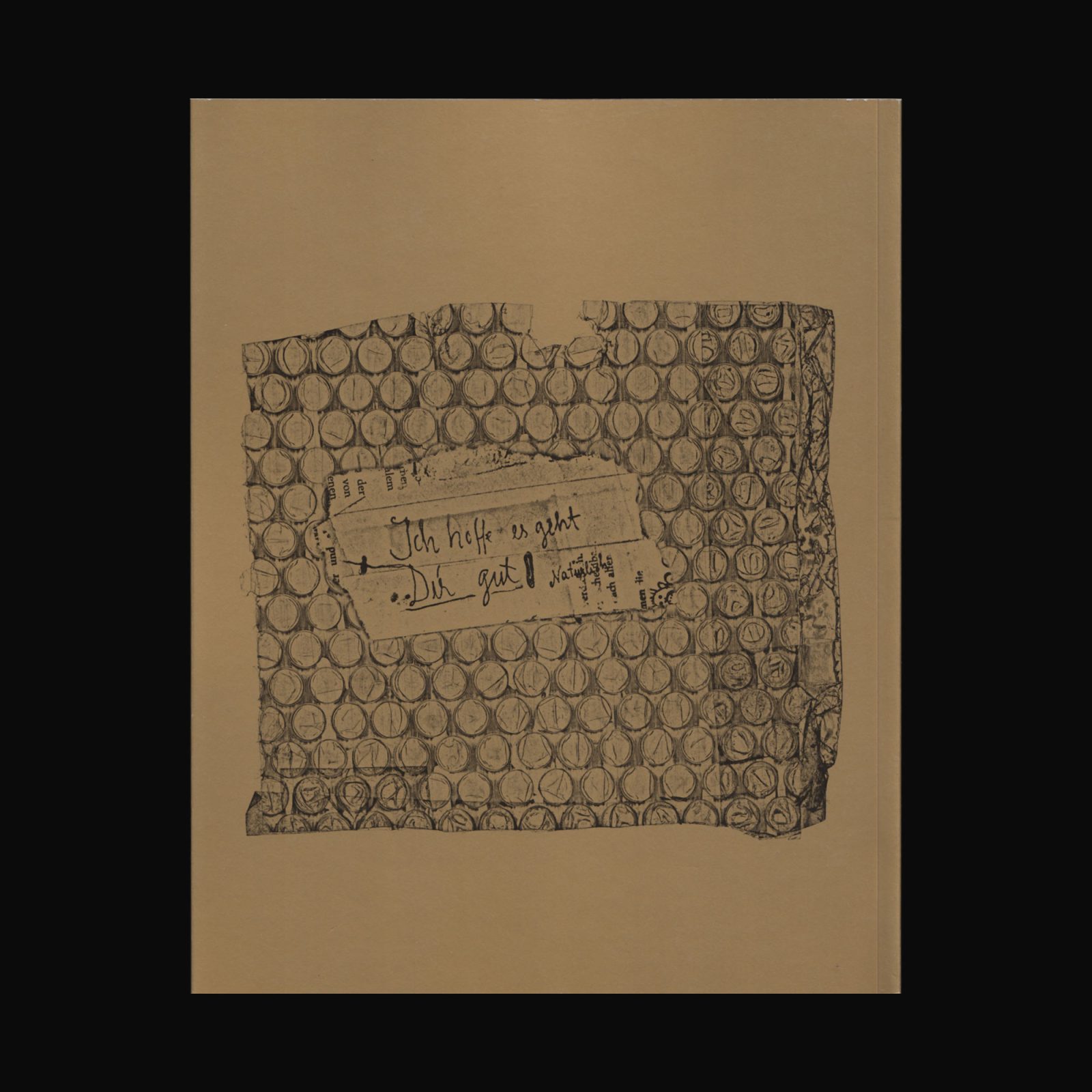
Produced as a contribution to the exhibition Commitment, een keuze uit drie jaar Fonds BKVB, Las Palmas, Rotterdam, 2002. The text which is derived from a fortune cookie, has taken various forms and media in Bik Van der Pol’s work since 2000.

Produced as a contribution to the exhibition Commitment, een keuze uit drie jaar Fonds BKVB, Las Palmas, Rotterdam, 2002. The text which is derived from a fortune cookie, has taken various forms and media in Bik Van der Pol’s work since 2000.


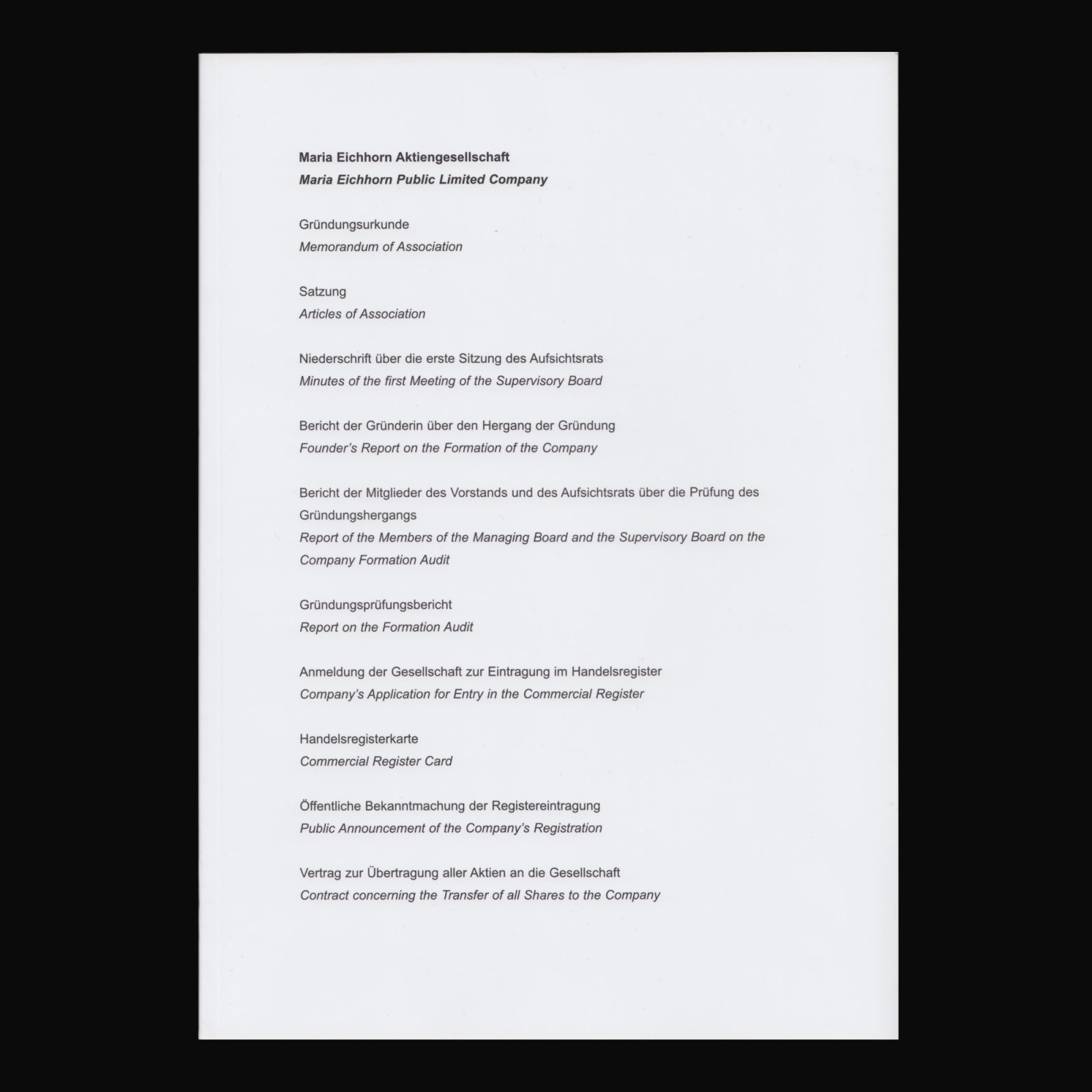
Maria Eichhorn Aktiengesellschaft began its life in December 2002, as both a corporation and a work of art. Upon an invitation to participate in Documenta 11, Maria Eichhorn founded an Aktiengesellschaft, or public limited company. As is typical of such entities, the newly created firm was in her own name. It held a 50,000 euros portion of Documenta’s exhibition budget—divided into 50,000 shares of a euro apiece—meeting the minimum requirement of subscribed capital for an Aktiengesellschaft.
Maria Eichhorn Aktiengesellschaft mimetically uses the structure of the corporation against itself. The artist remains its sole managing board member and initial shareholder; she transferred all shares of the company to itself, to be held in perpetuity. The corporation belongs to itself, or, in Eichhorn’s words, “it ultimately belongs to no one,” and “the concept of property disappears in this case.”
More information can be found on the work here.


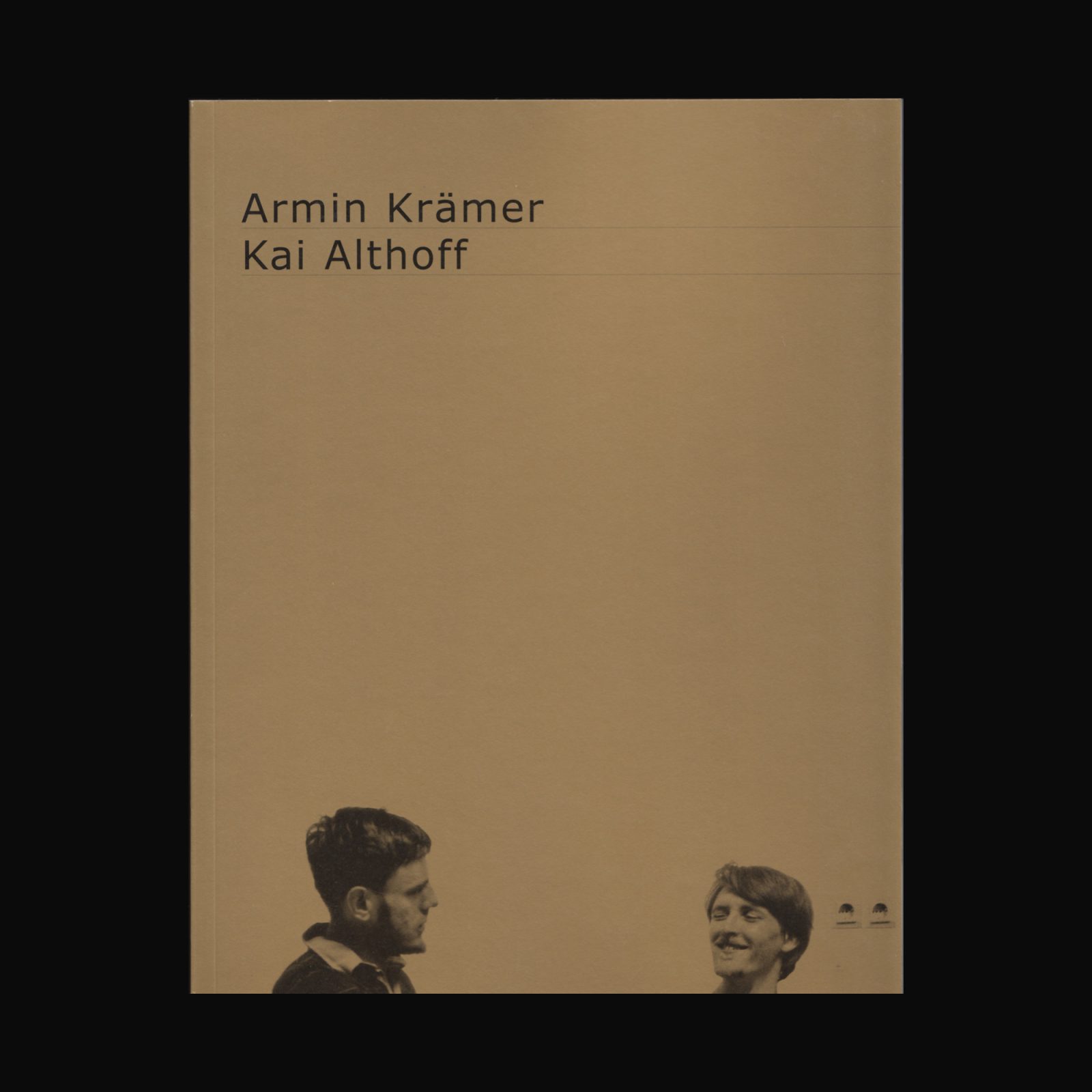
Produced on the occasion of Armin Krämer & Kai Althoff’s exhibition at Kunstverein Braunschweig, 21 September–10 November, 2002. With texts by Kai Althoff and Armin Krämer, Miriam Tölke. Edited by Karola Grässlin.


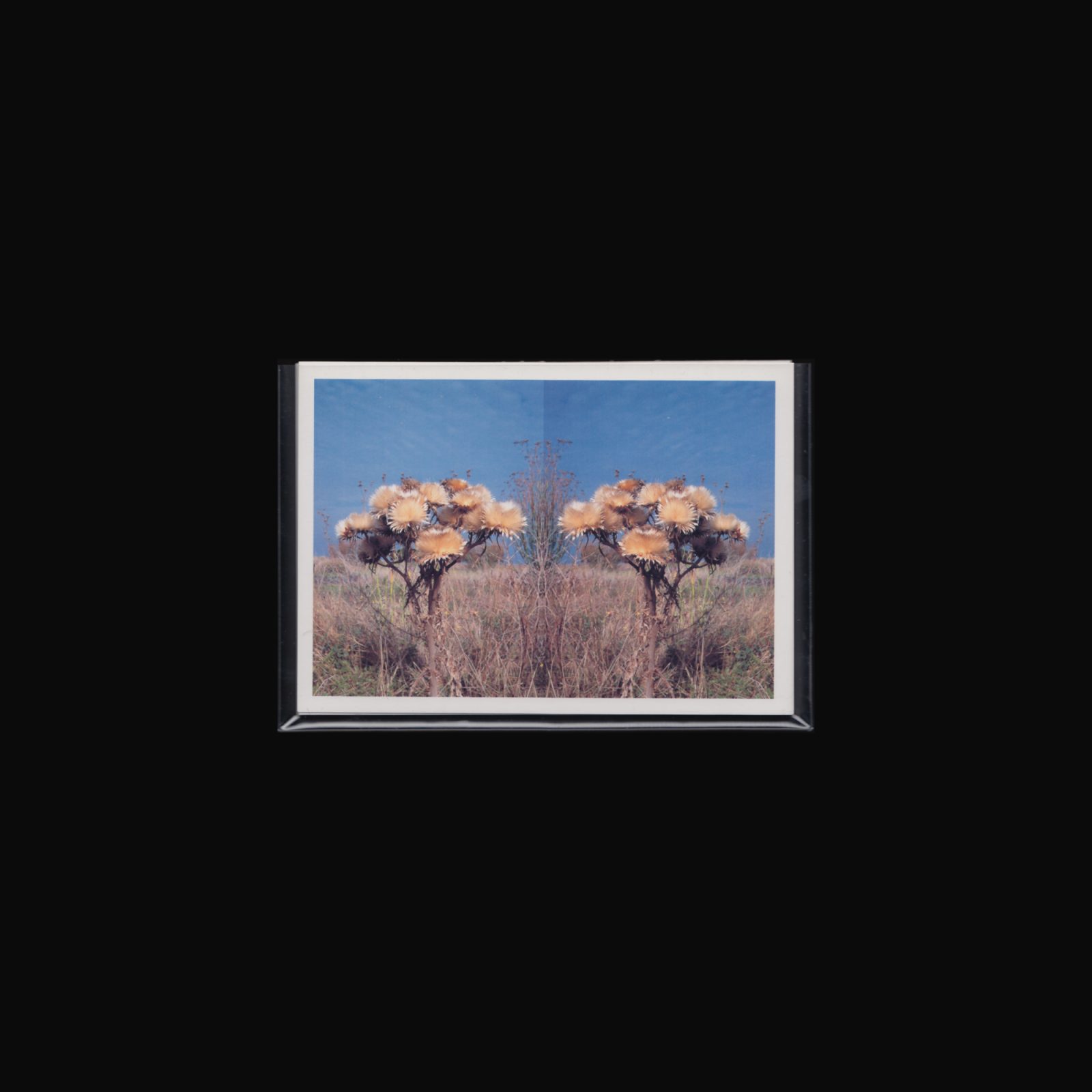
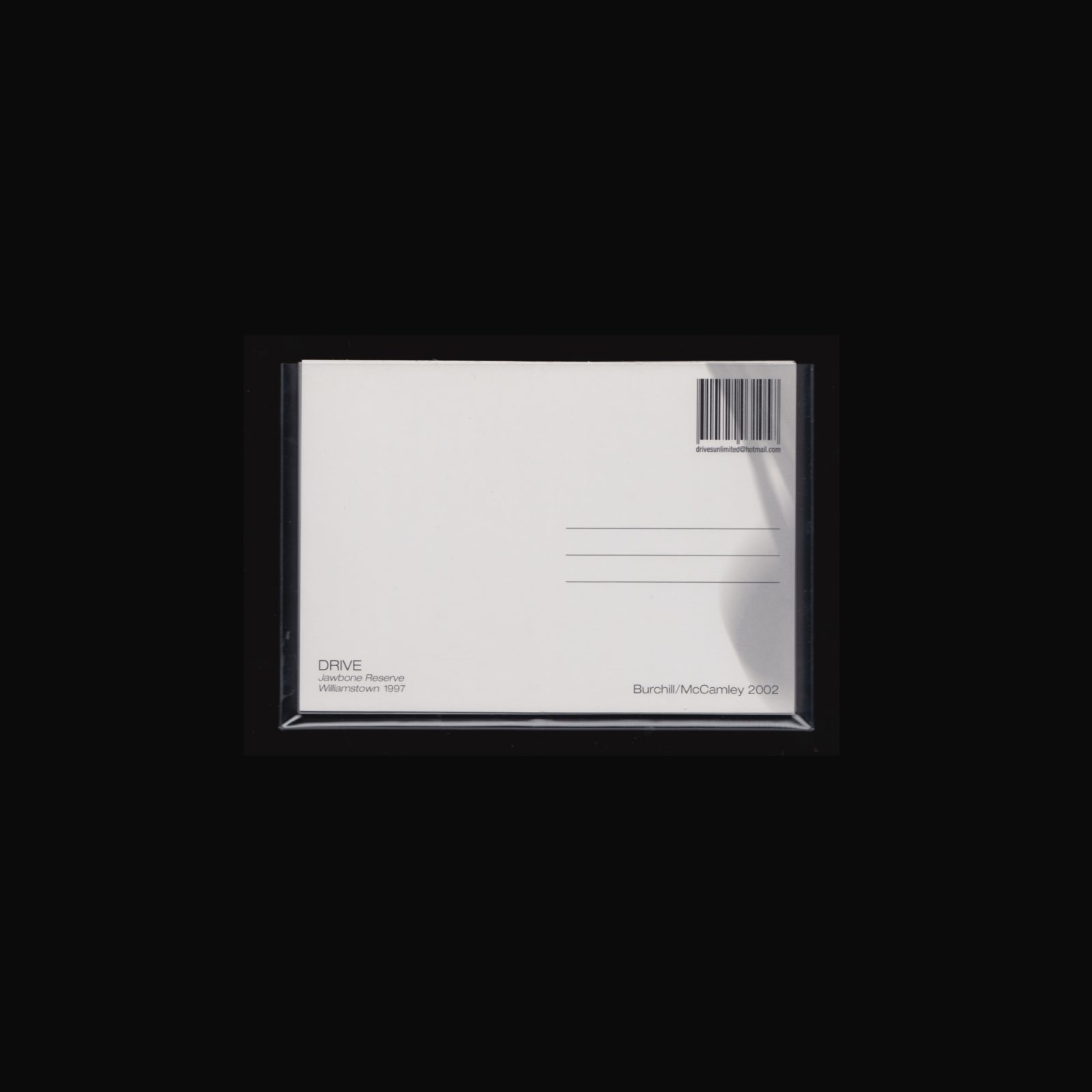
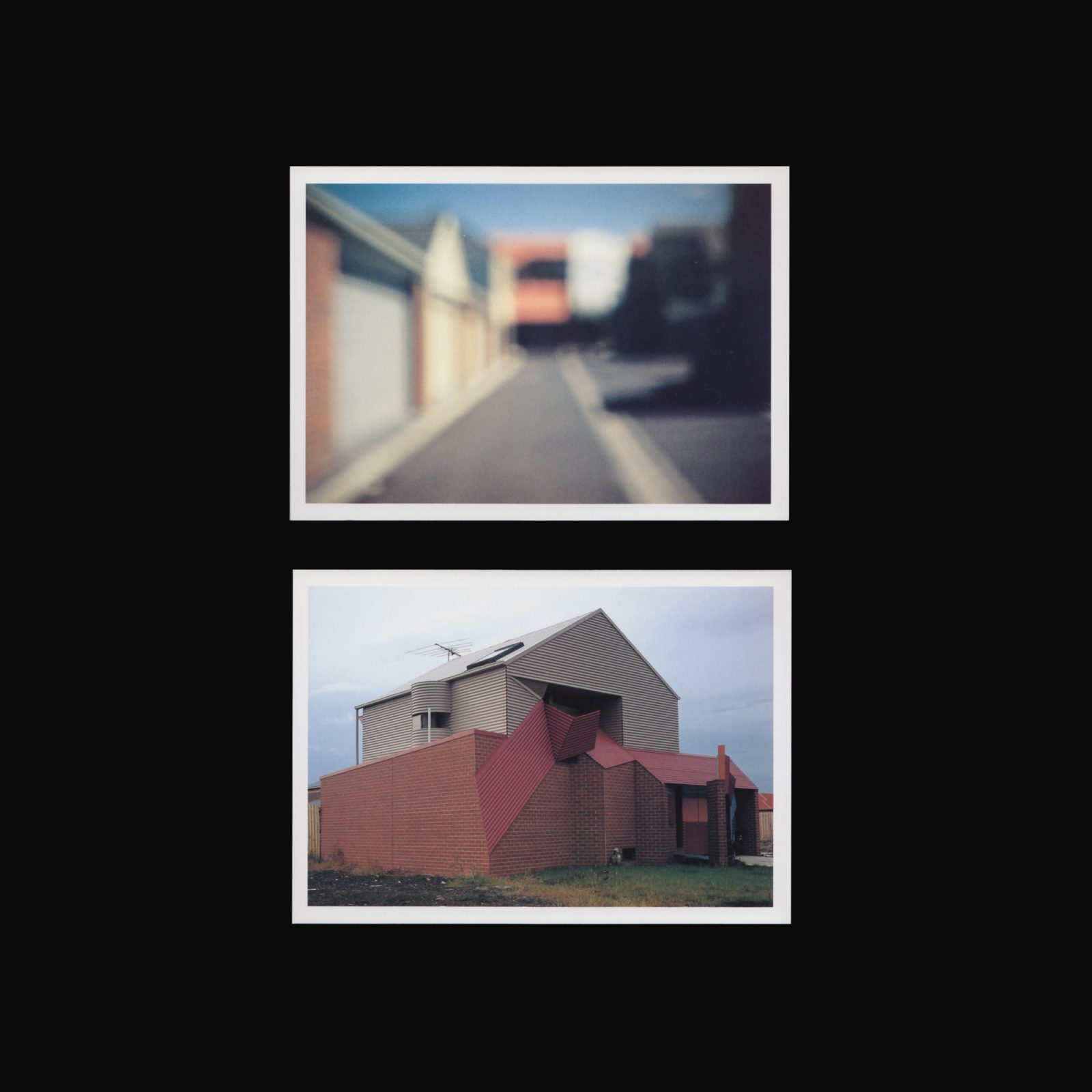
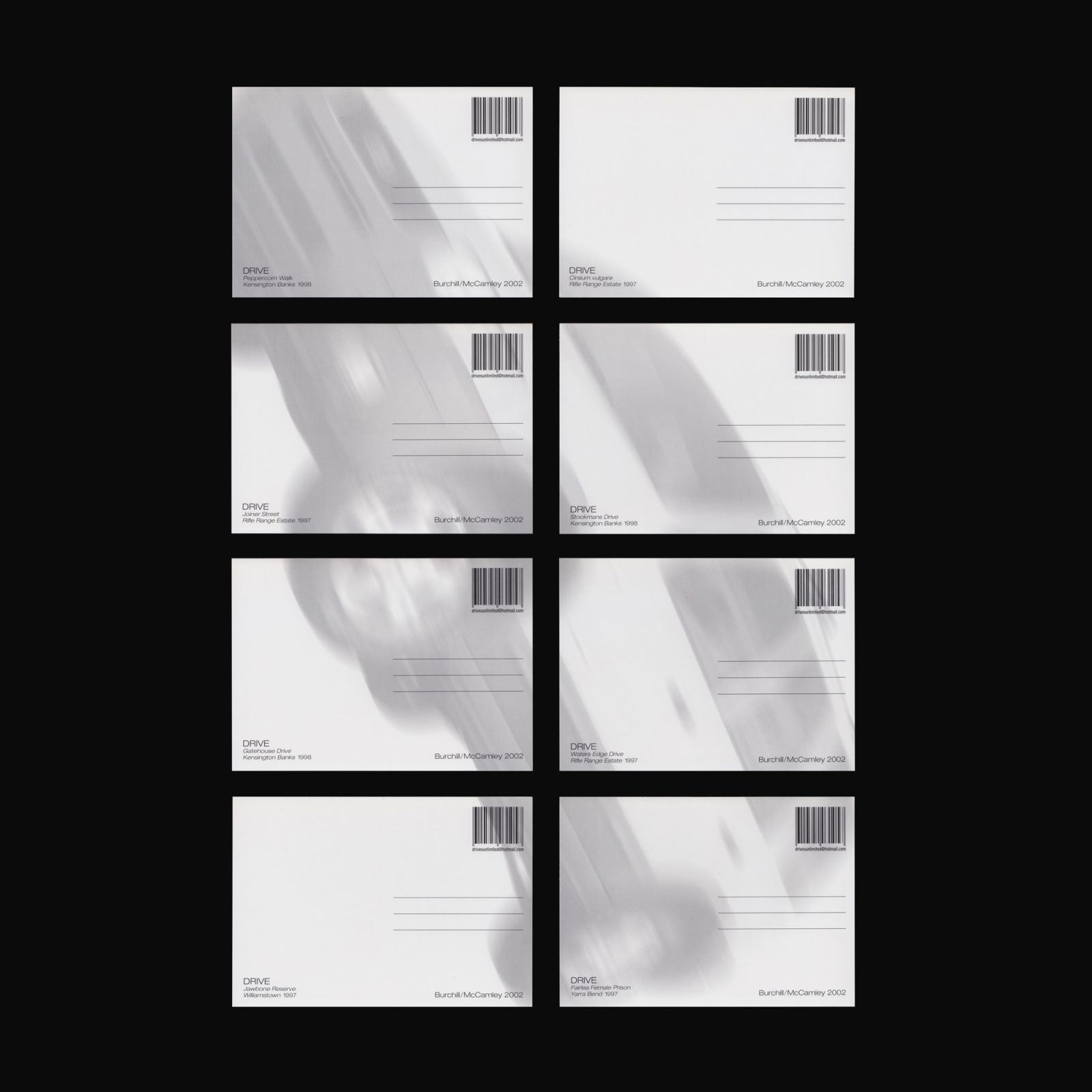
A set of 8 postcards in a plastic slipcase, produced by Janet Burchill and Jennifer McCamley in 2002.

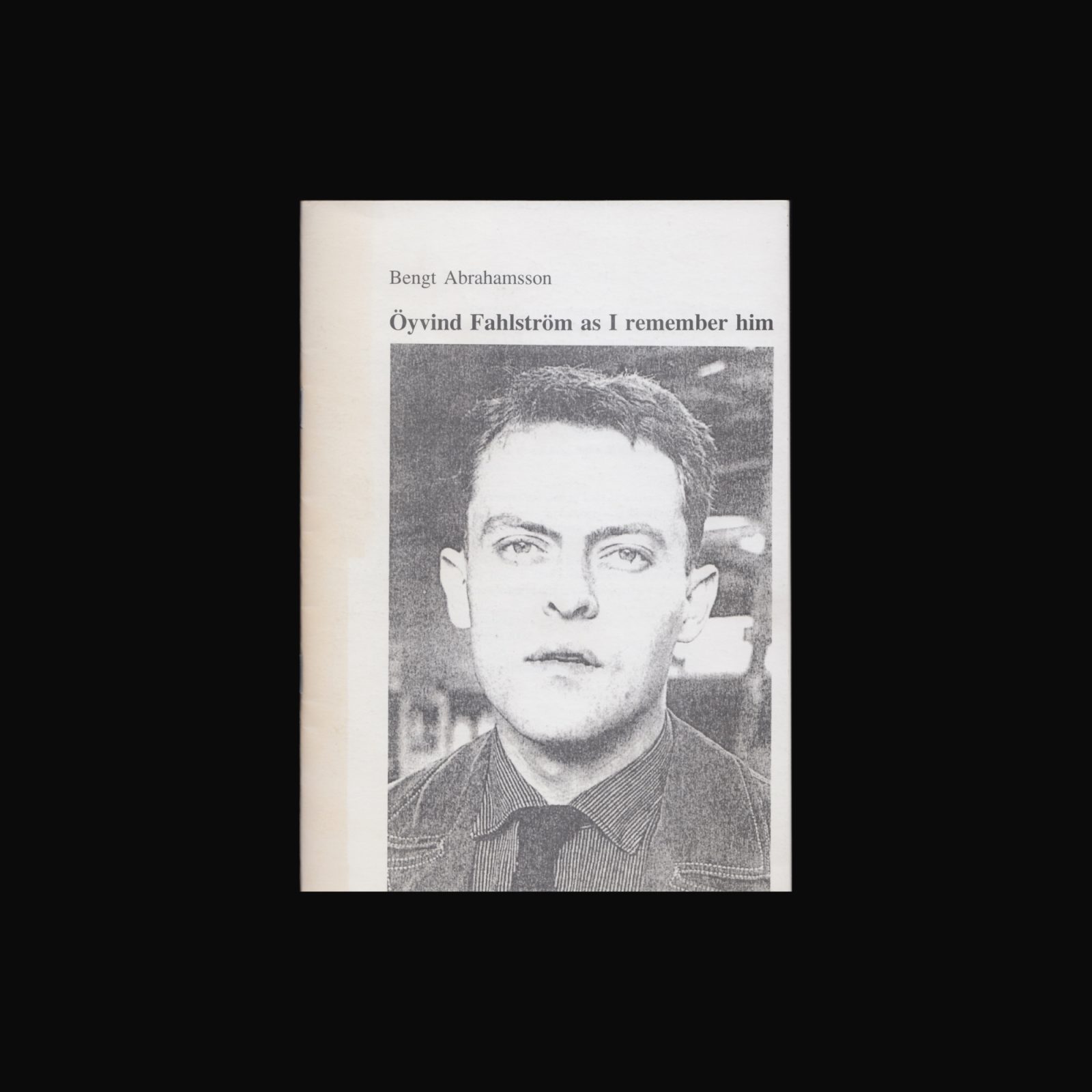
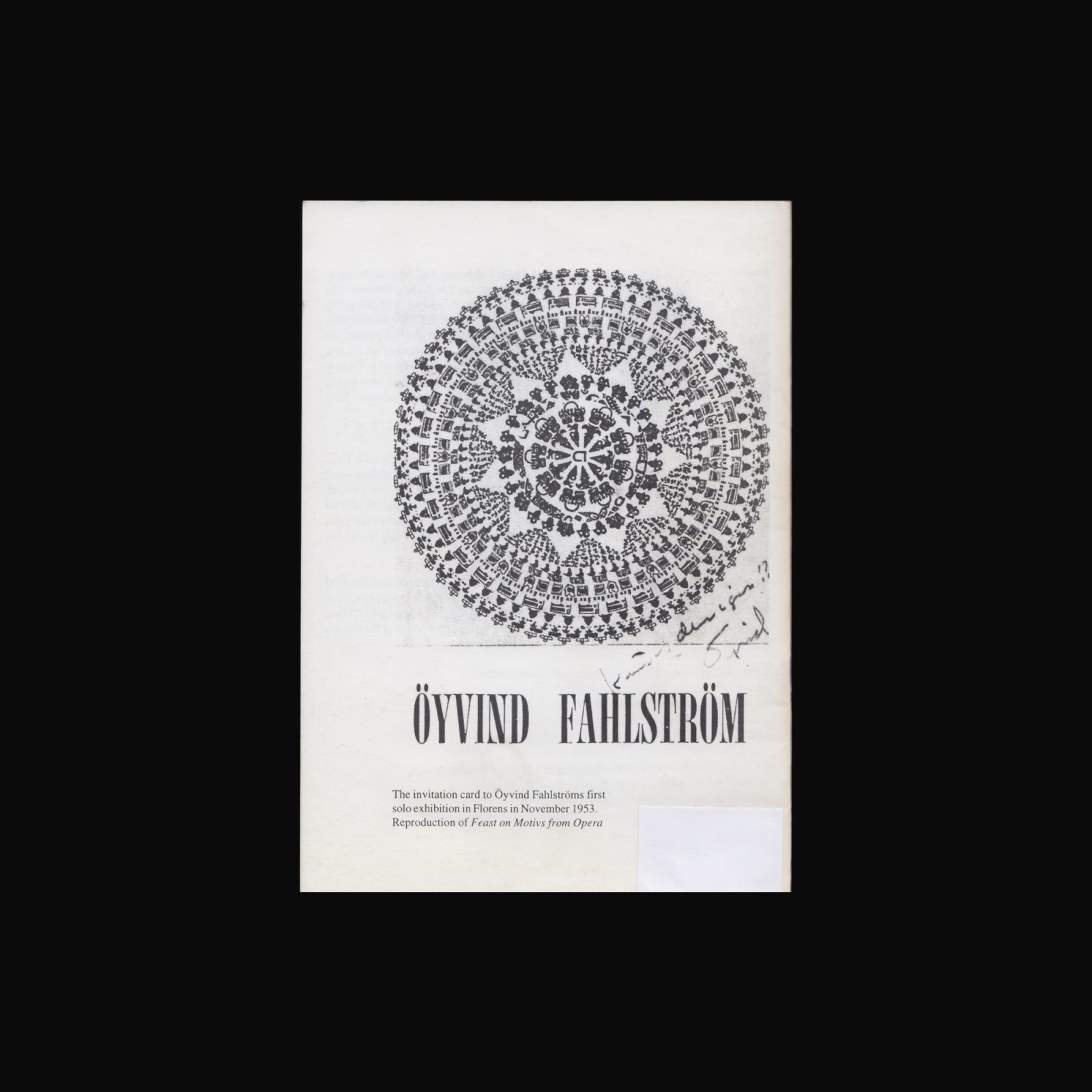
Biography of Öyvind Fahlström written by Bengt Abrahamsson and translated by June Abrahamsson.
“Öyvind Fahlström (1928–76) was born in São Paulo to Swedish-Norwegian parents. Fahlström was unquestionably one of the twentieth century’s most innovative and versatile artists. His incentive was to investigate economical, political and social issues and the production of meaning. Rather than developing a style, he worked with a variety of different media and techniques: poetry, theater, journalism, criticism, drawing, painting, film, television, happenings, radio, objects, graphic design, and installations.”—Modern Museet


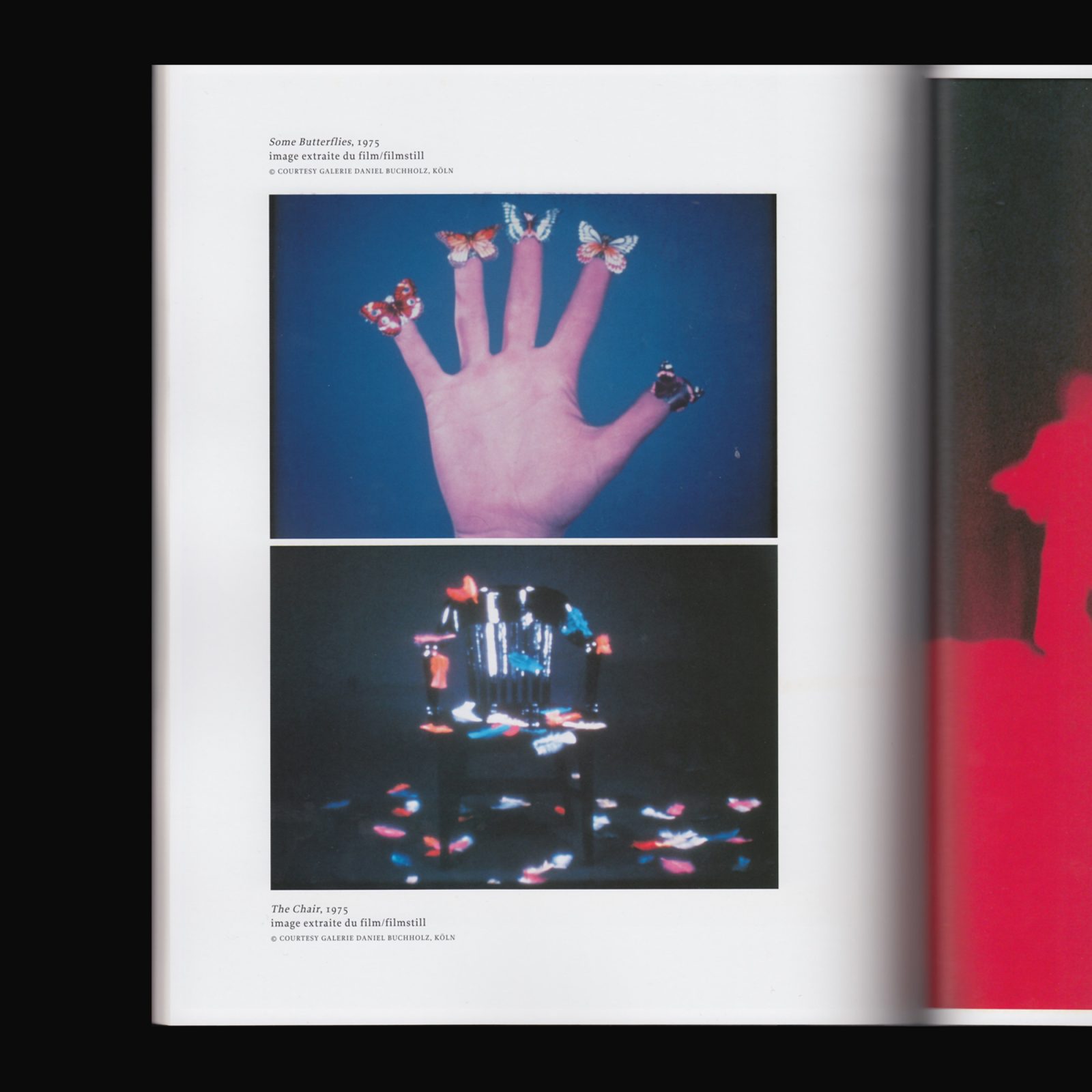
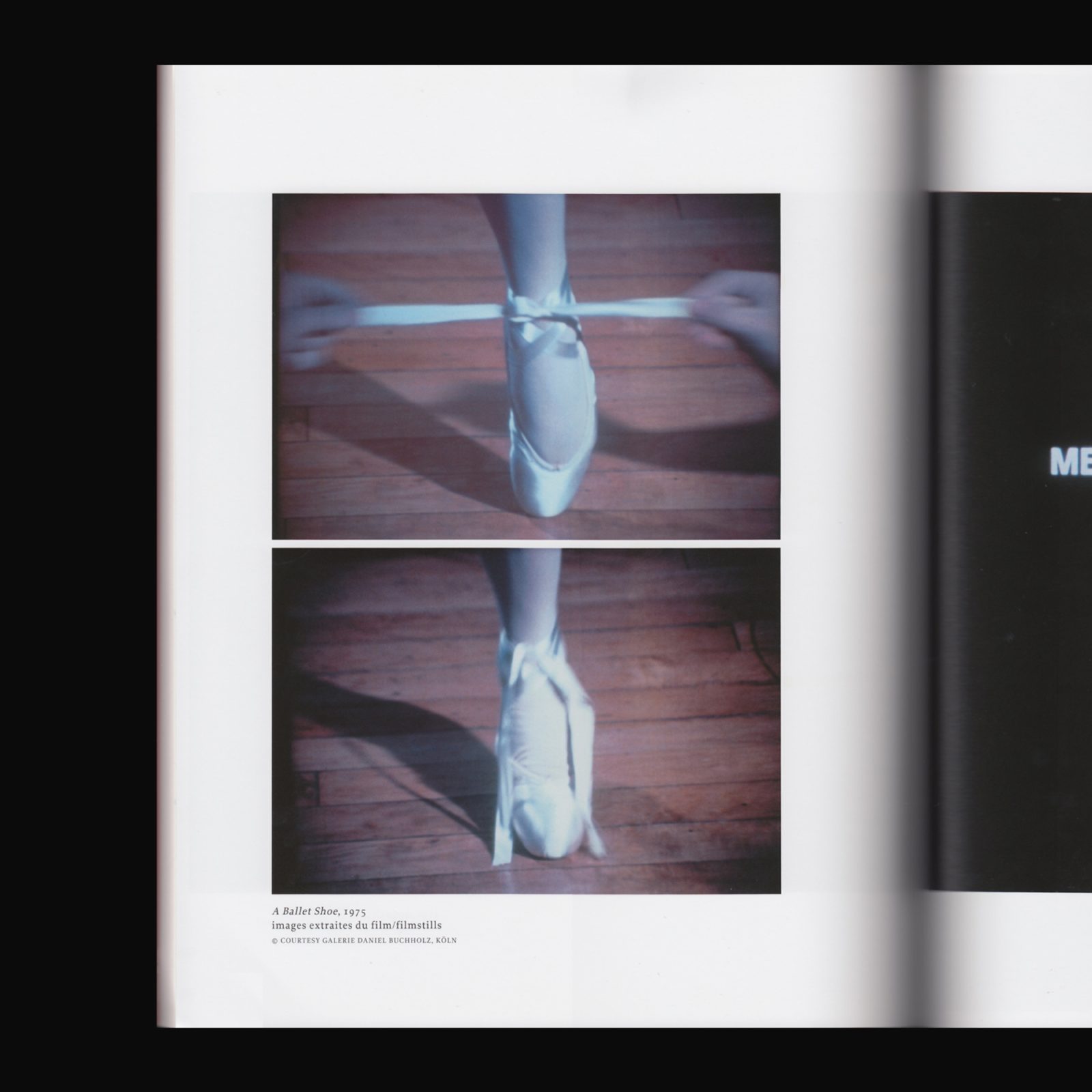
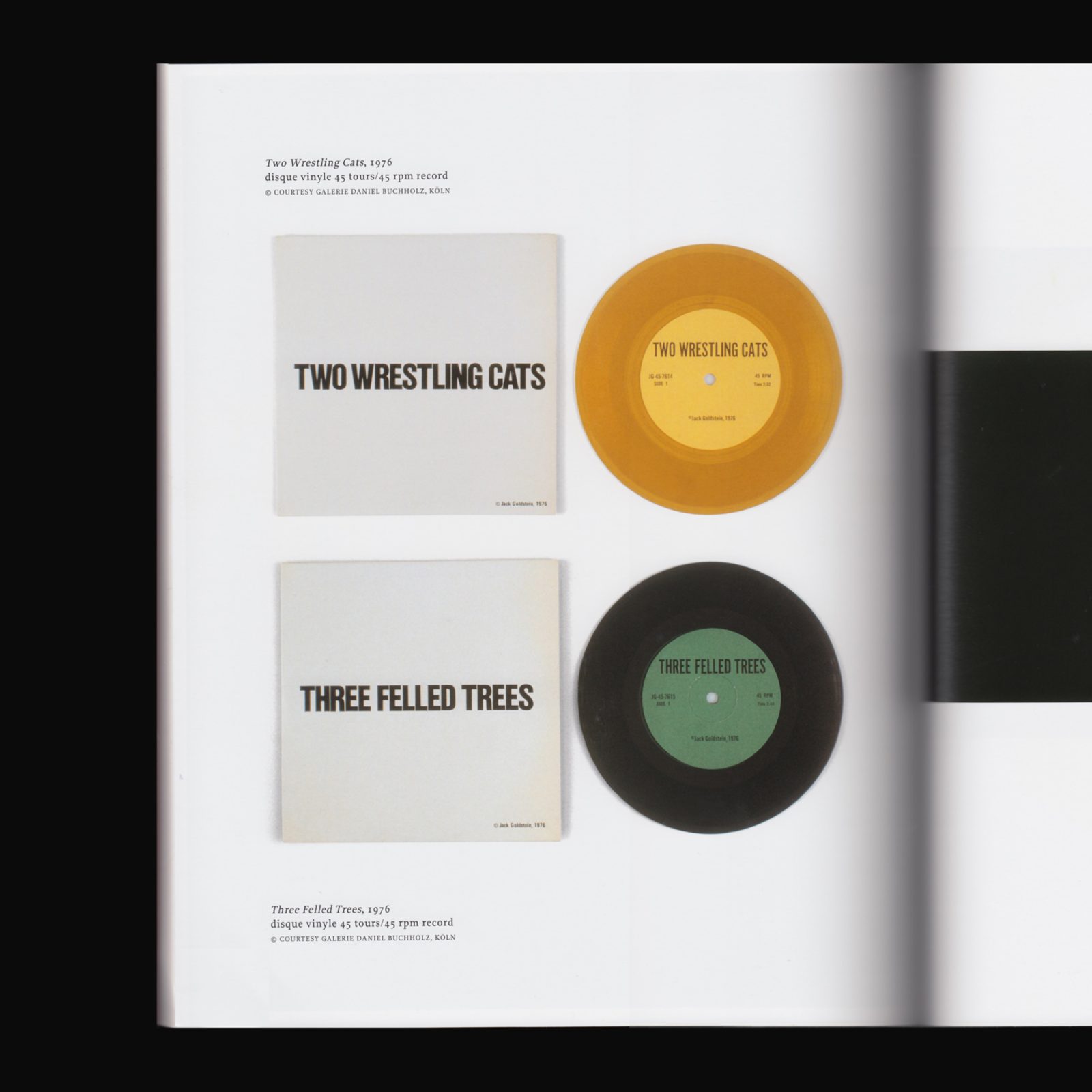
Anthology of essays on Jack Goldstein’s work (contributions by Hélène Winer, Laurie Anderson, Morgan Fisher, Douglas Crimp, David Salle, Thomas Lawson, Carter Ratcliff, Michael Newman, Jack Goldstein, John Hutton, Craig Owens, Therese Lichtenstein, Jean Fisher, Chris Dercon, Hal Foster, Jack Bankowsky, Rosetta Brooks, Philip Pocock, Bruce Greenville, Lionel Bovier, Fareed Armaly). Published on the occasion of the artist’s exhibition at Le Magasin, Grenoble, from 3 February–28 April, 2002.
Jack Goldstein was one of the most important artists of the 80’s in New York. He returned to California in the 90’s and slowly disappeared from the art world until renewed interest in his work began to happen in 2000. He was in the first graduating class from CalArts and went on to experiment with performance, film, recording, sculpture, and painting. His art of the late seventies, eighties, and early nineties influenced many artists who came after him. He died on 14 March, 2003.