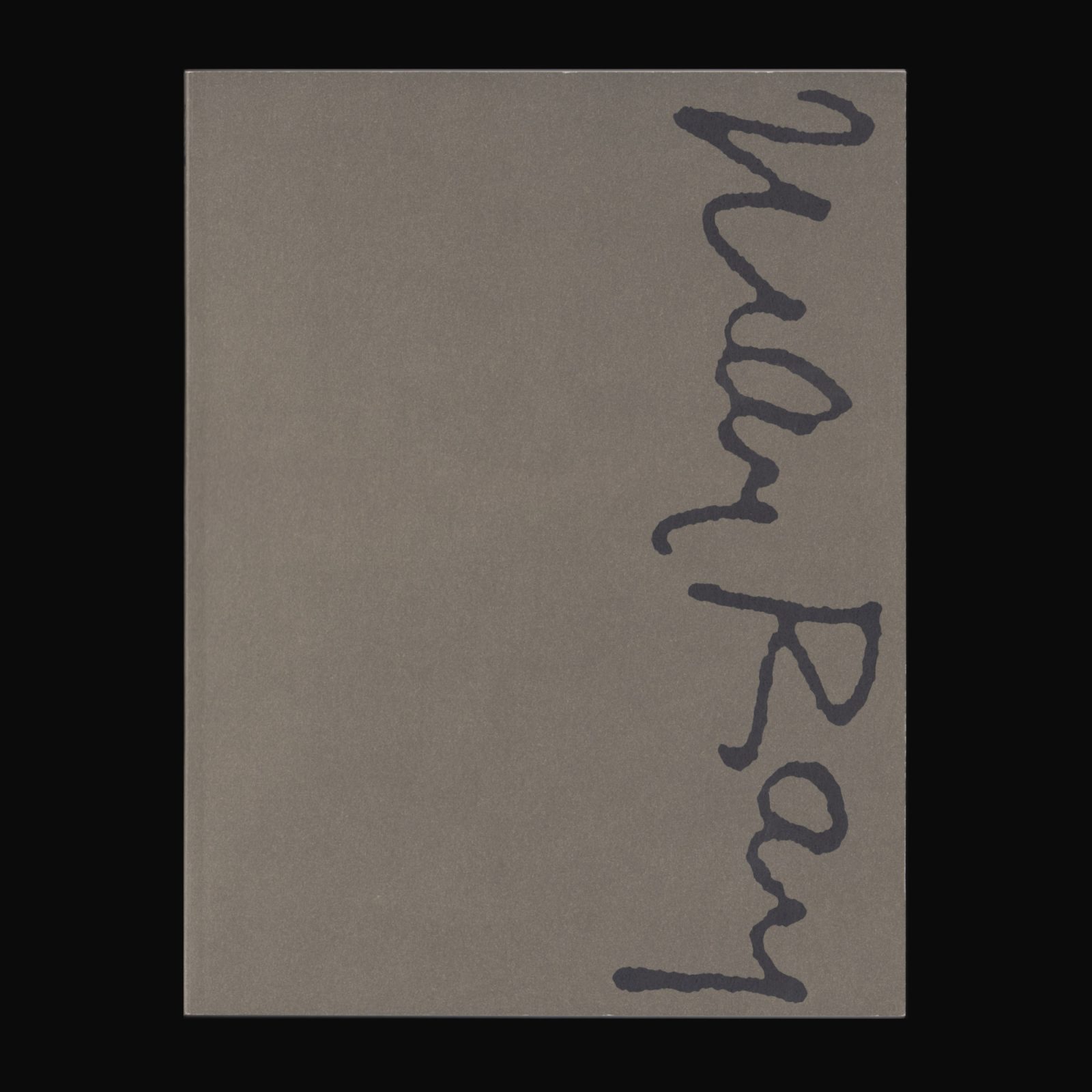
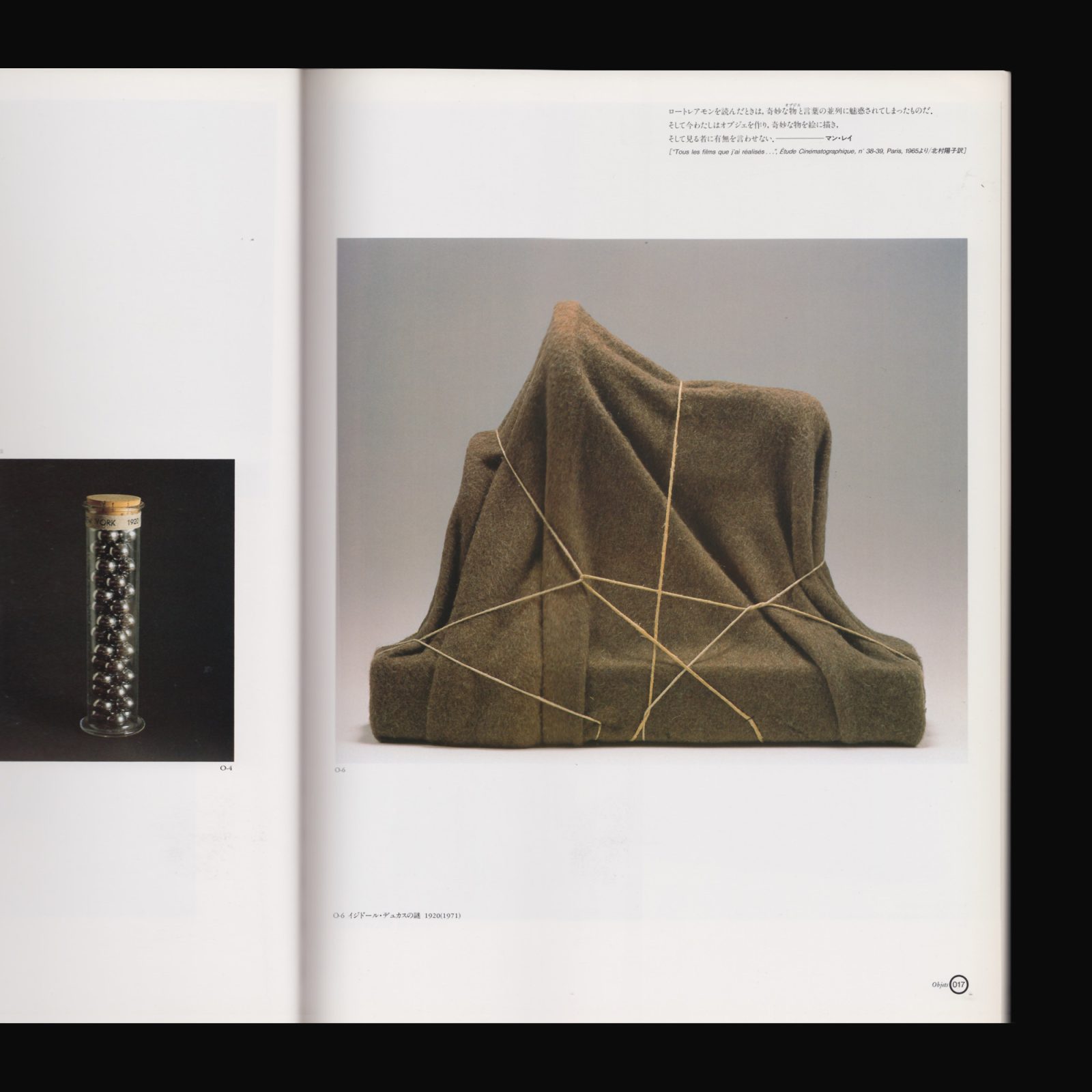
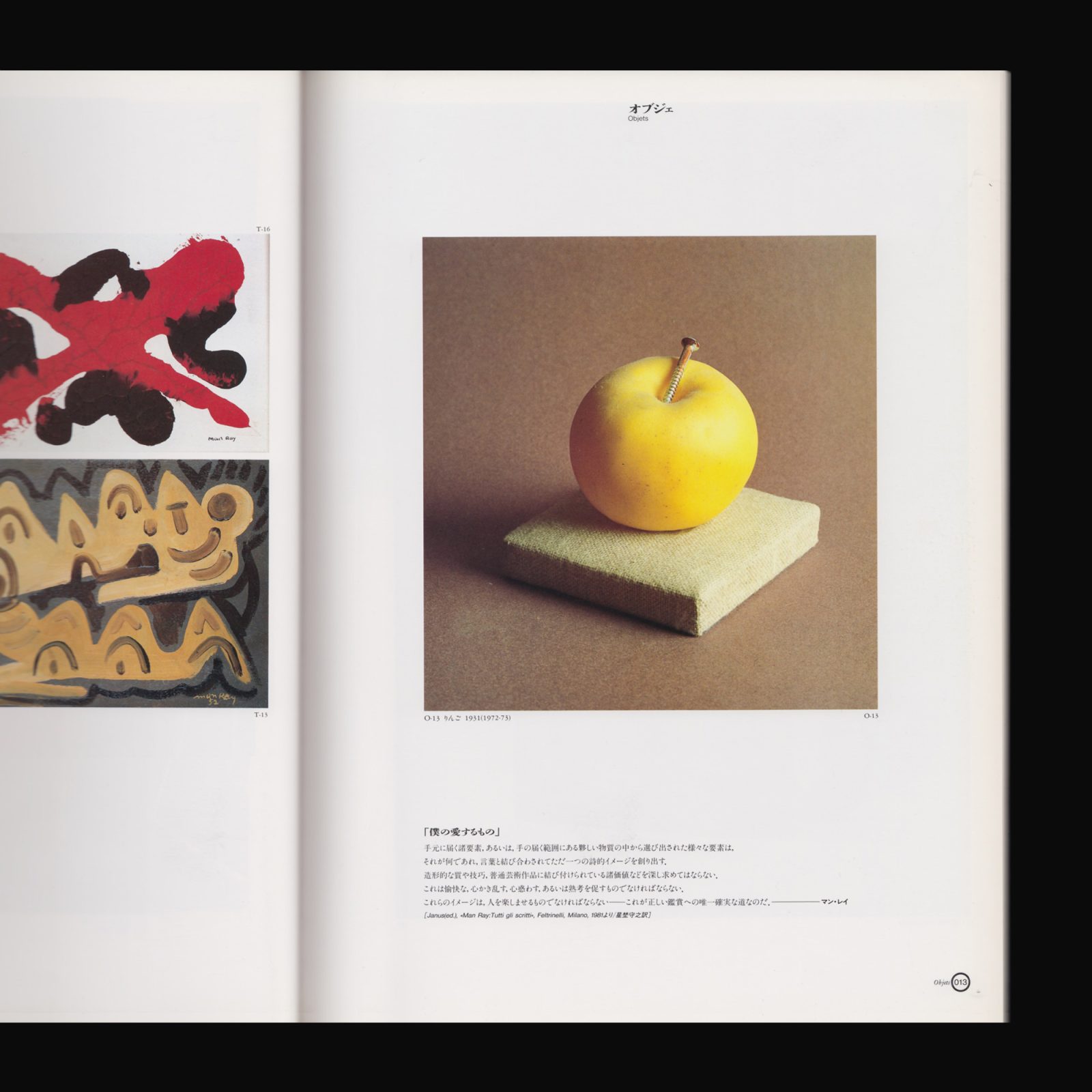
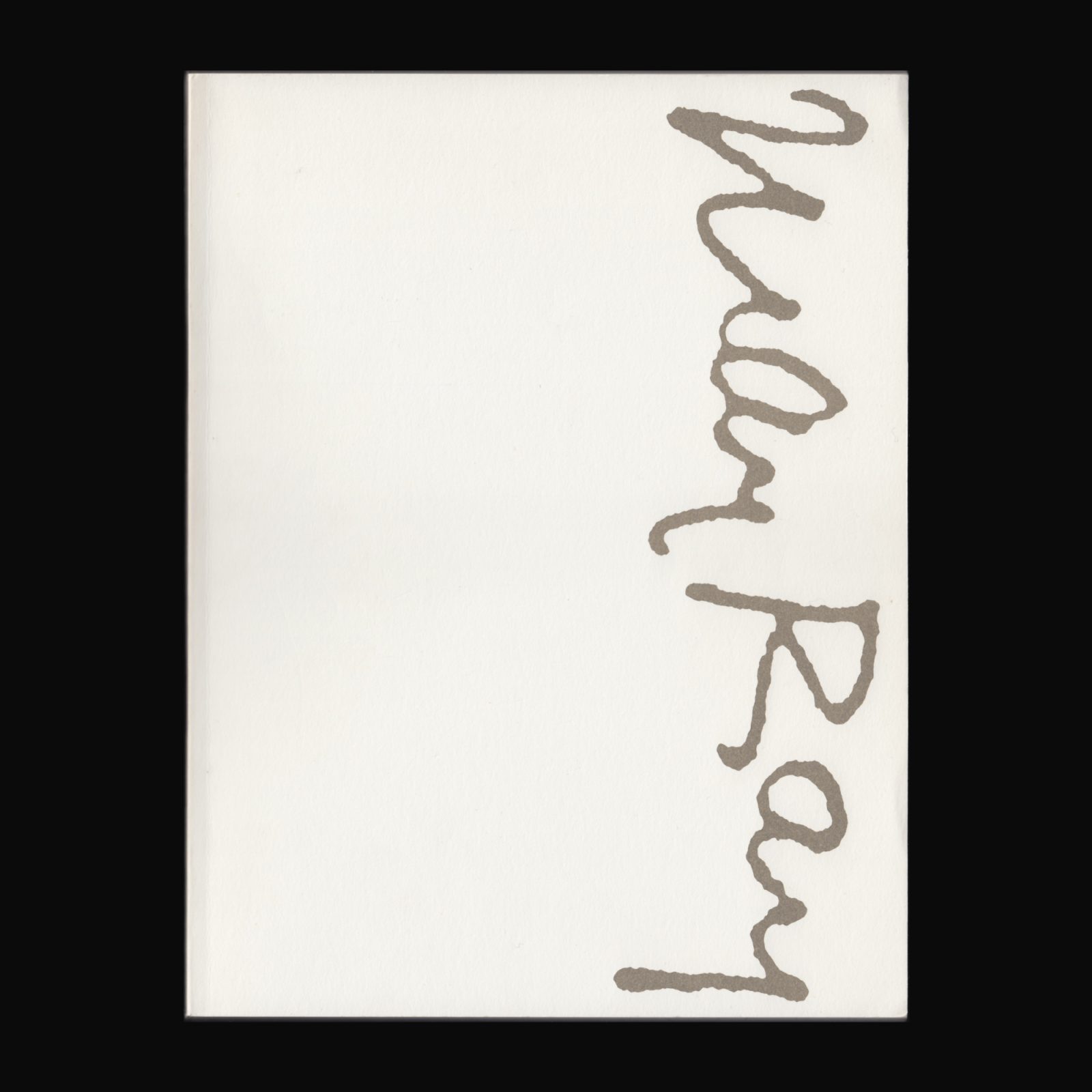
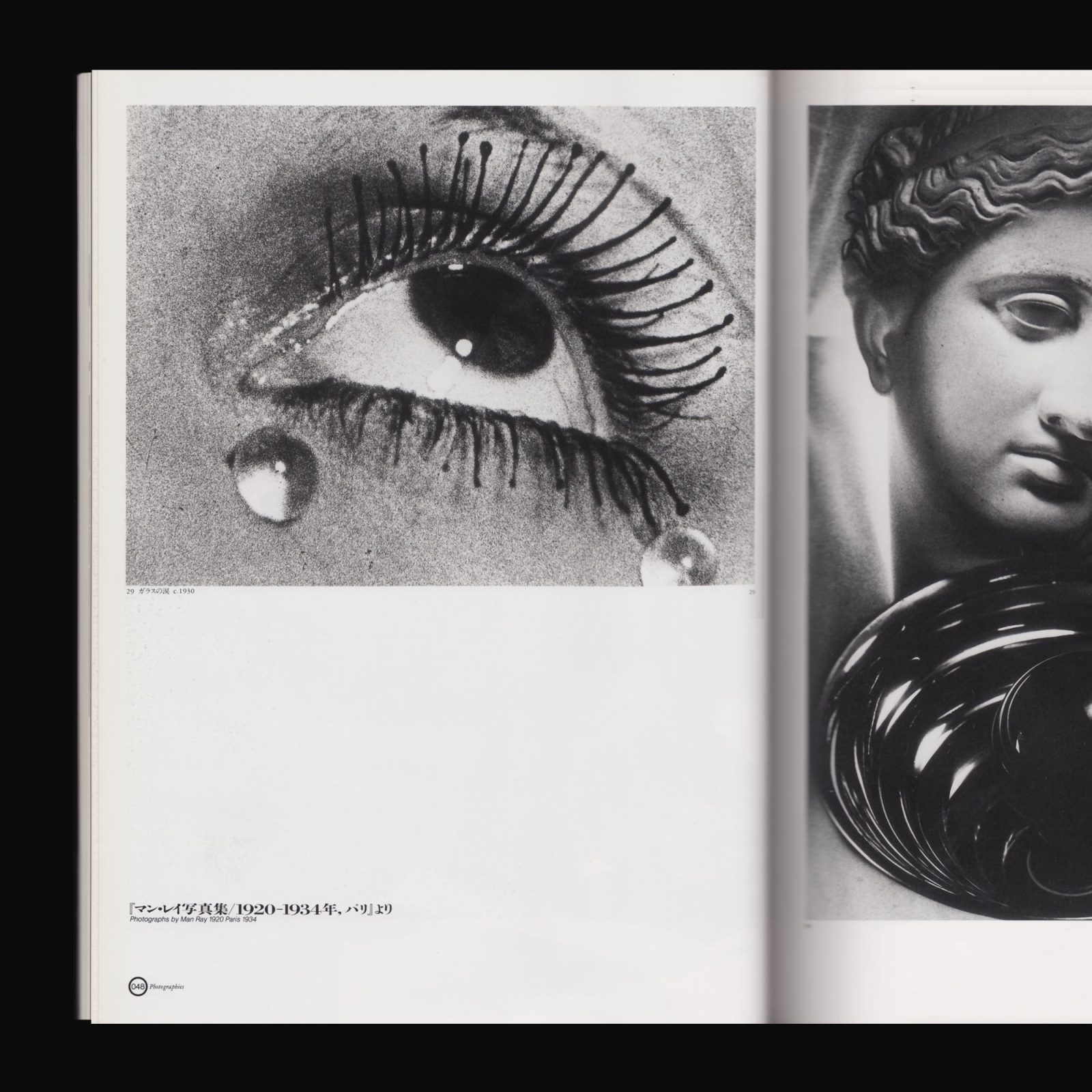
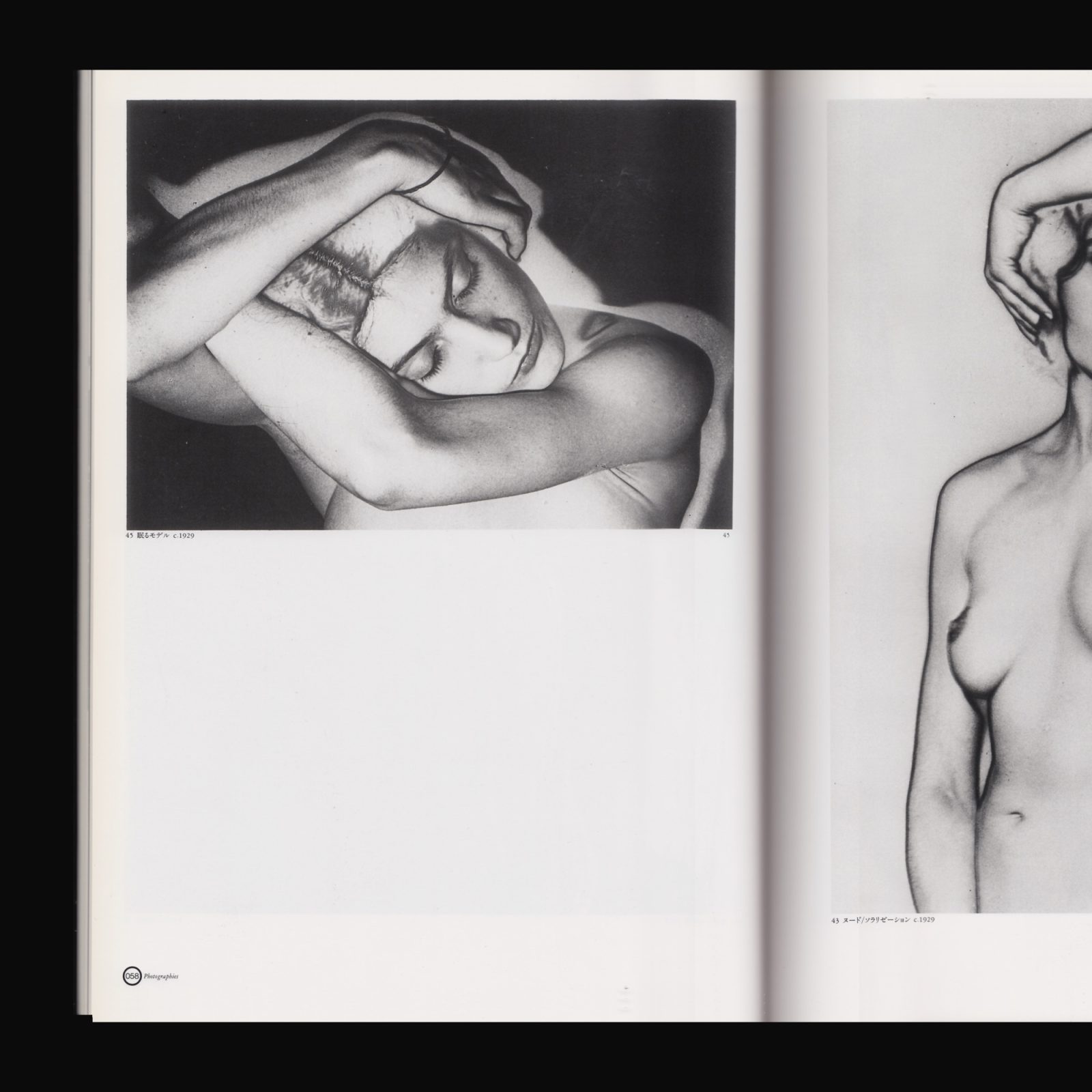
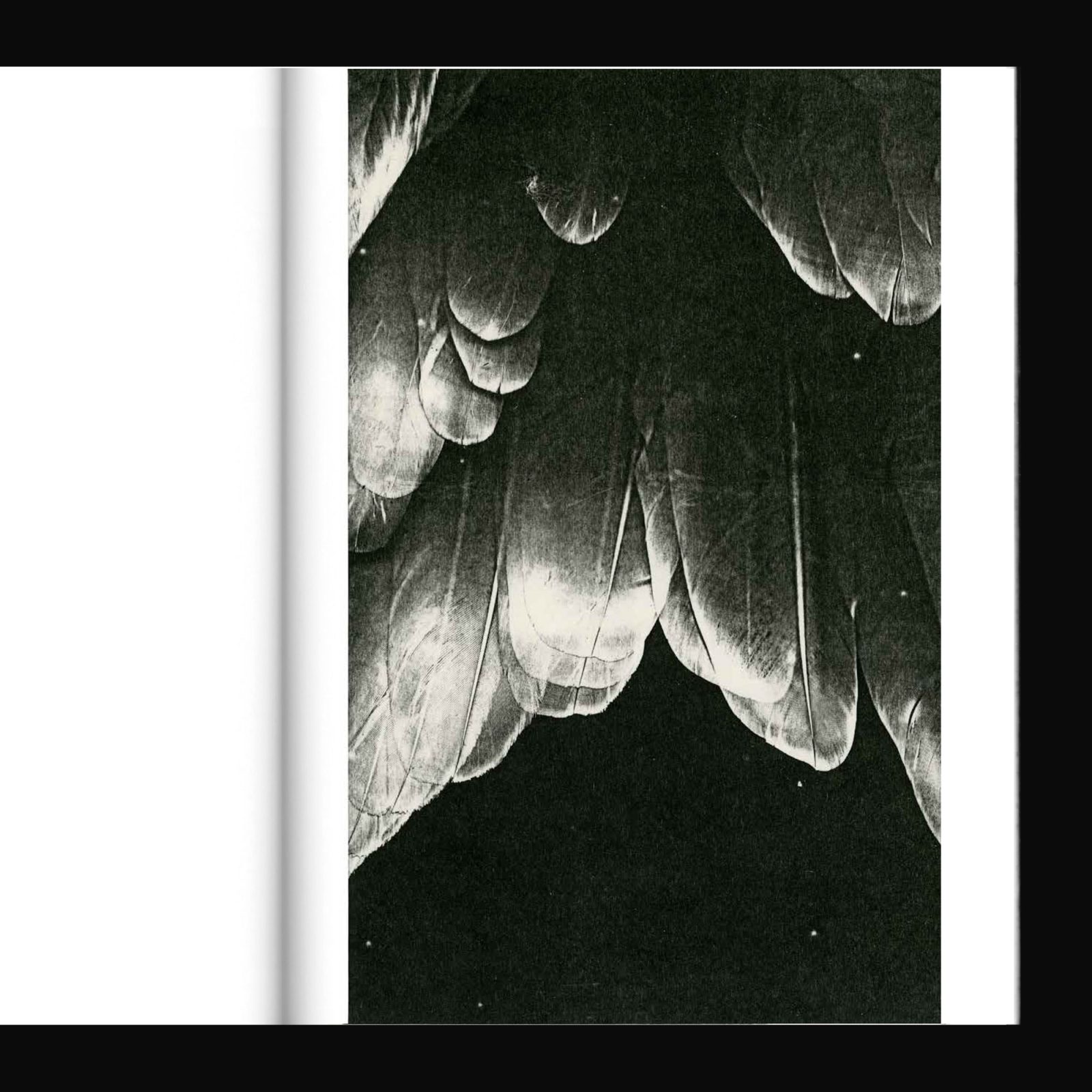
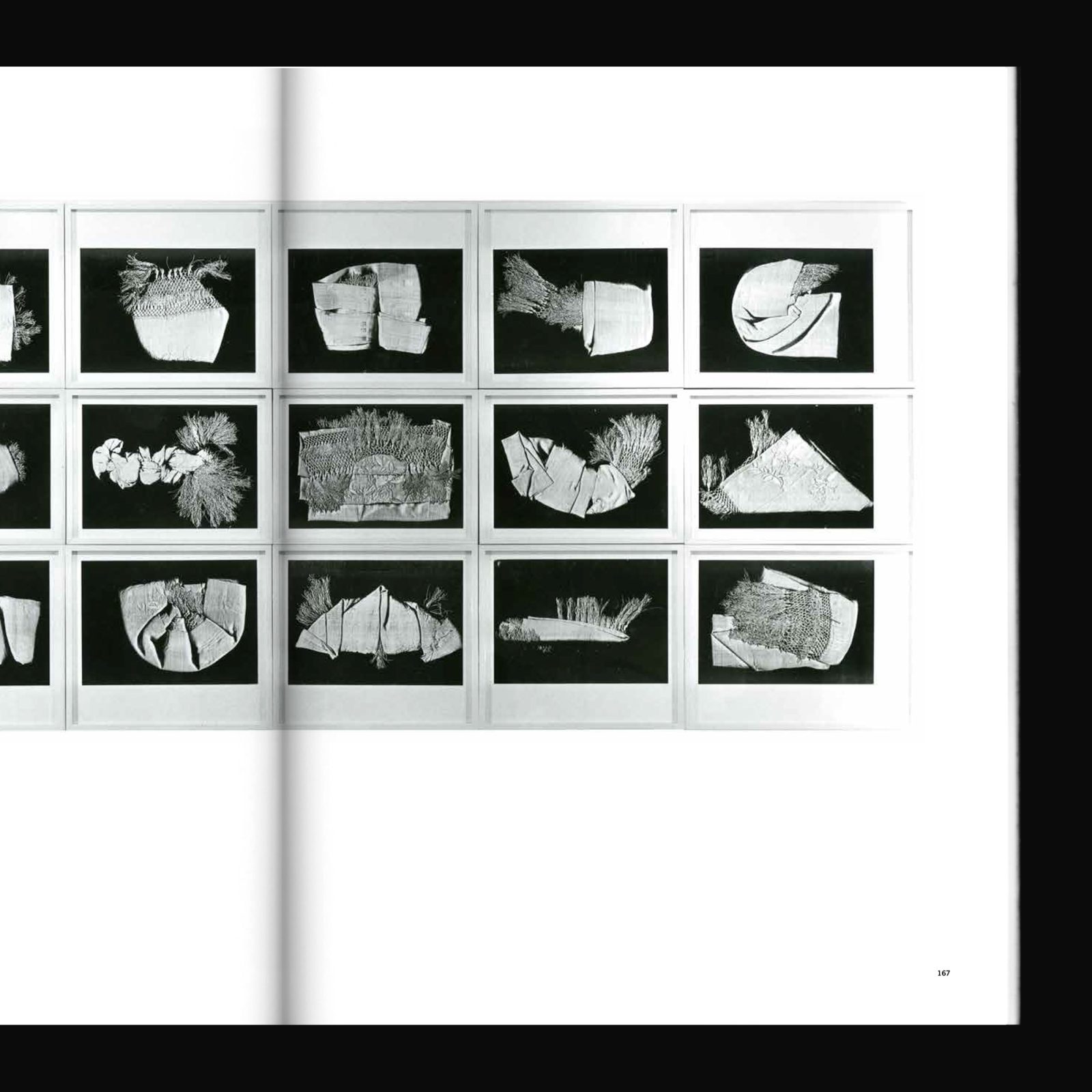
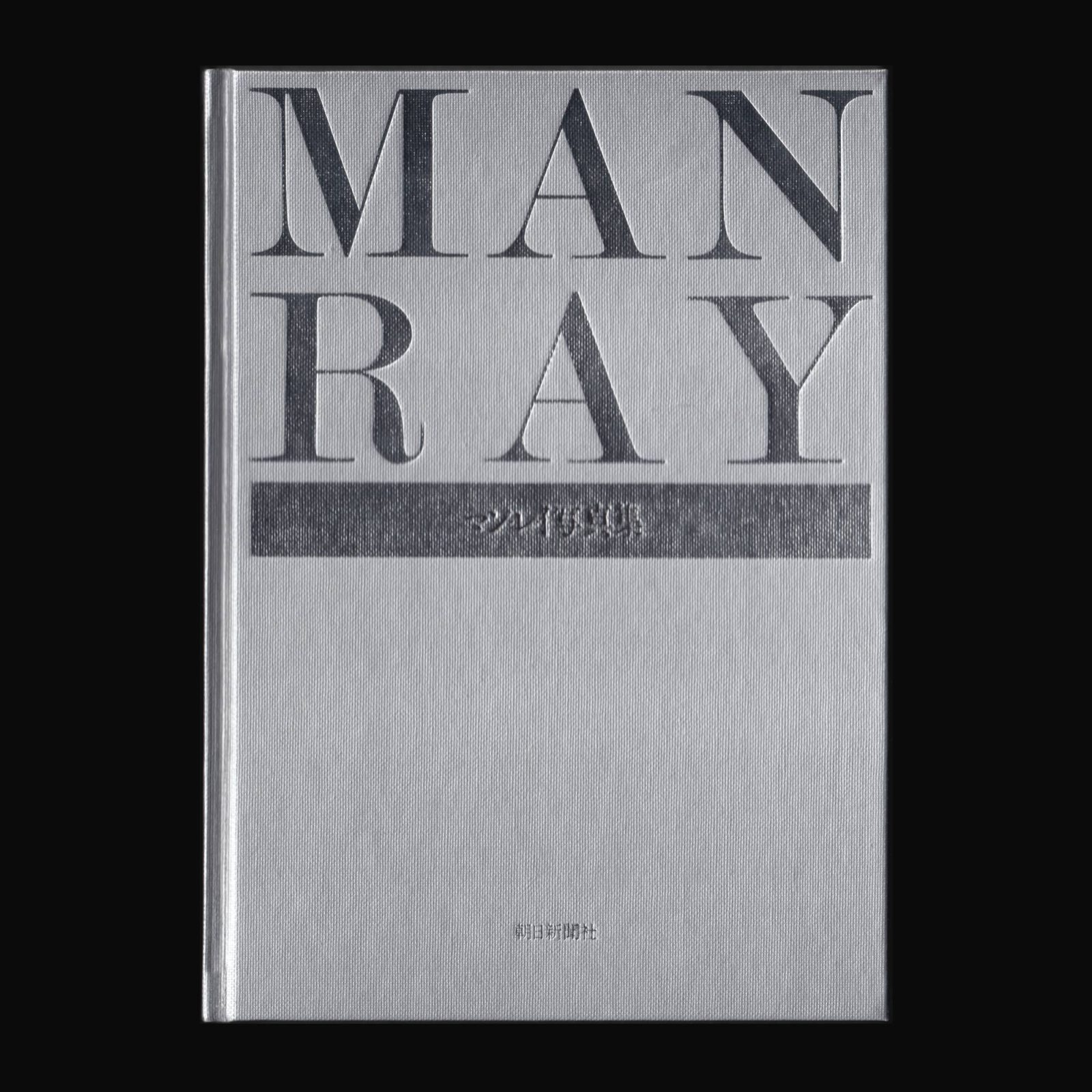
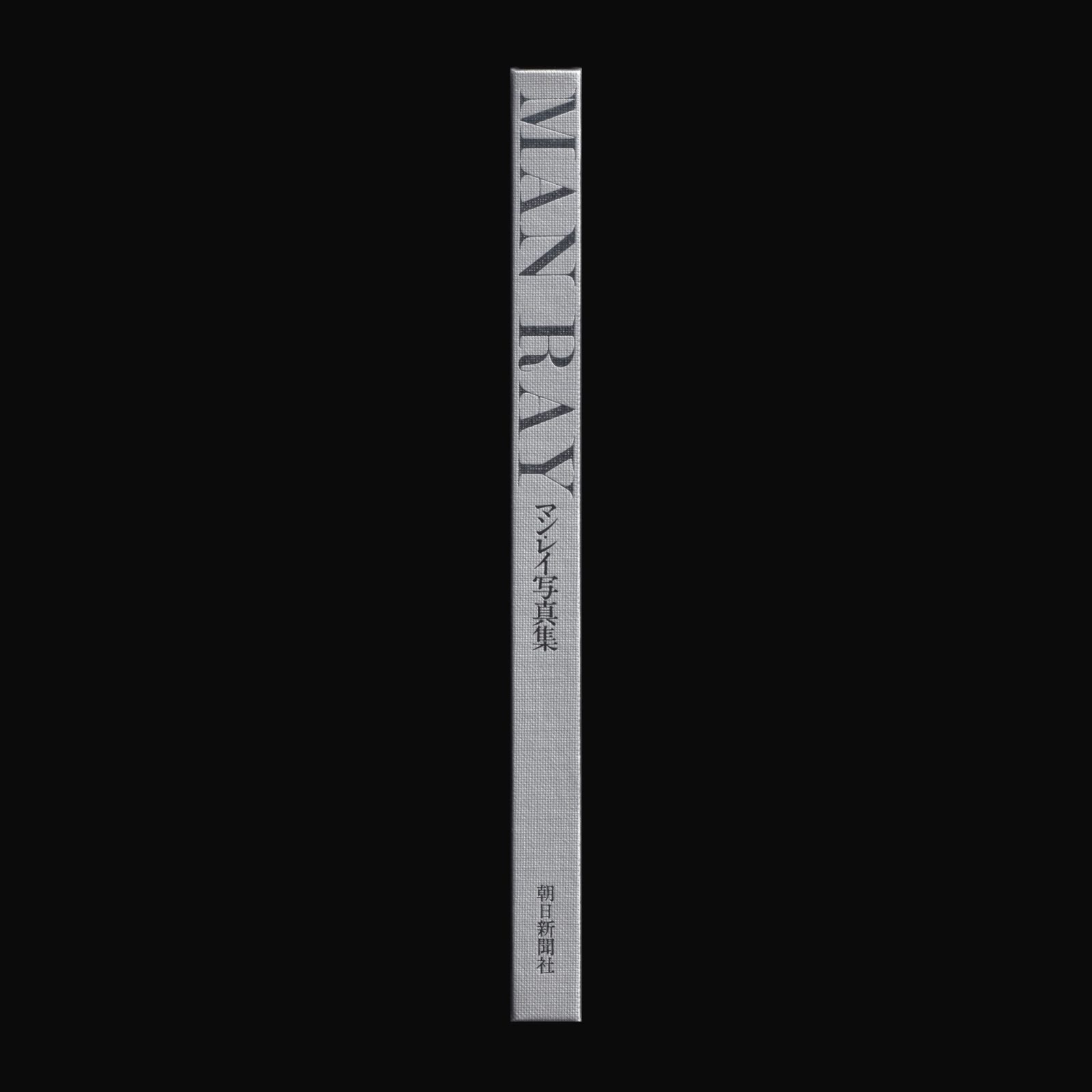
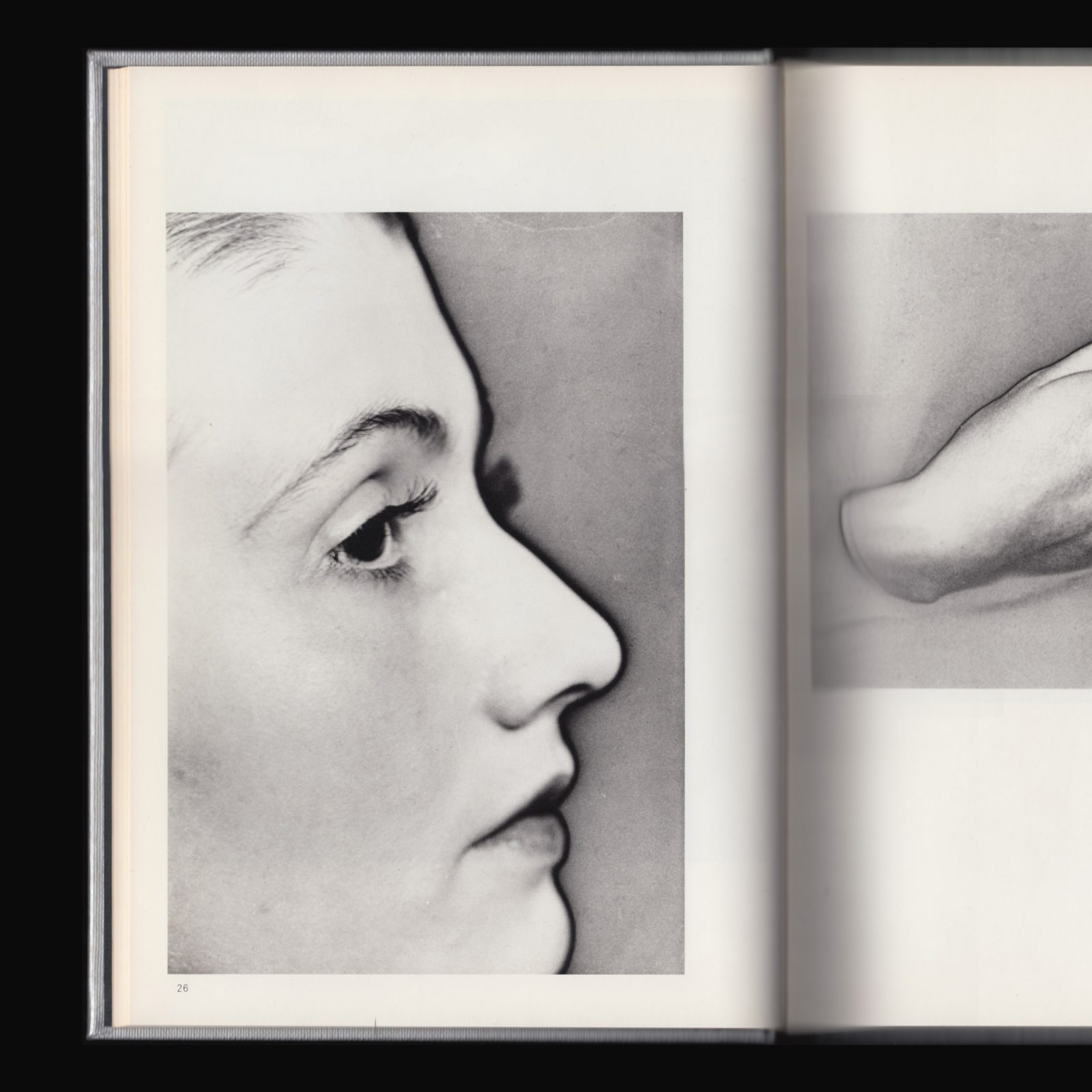
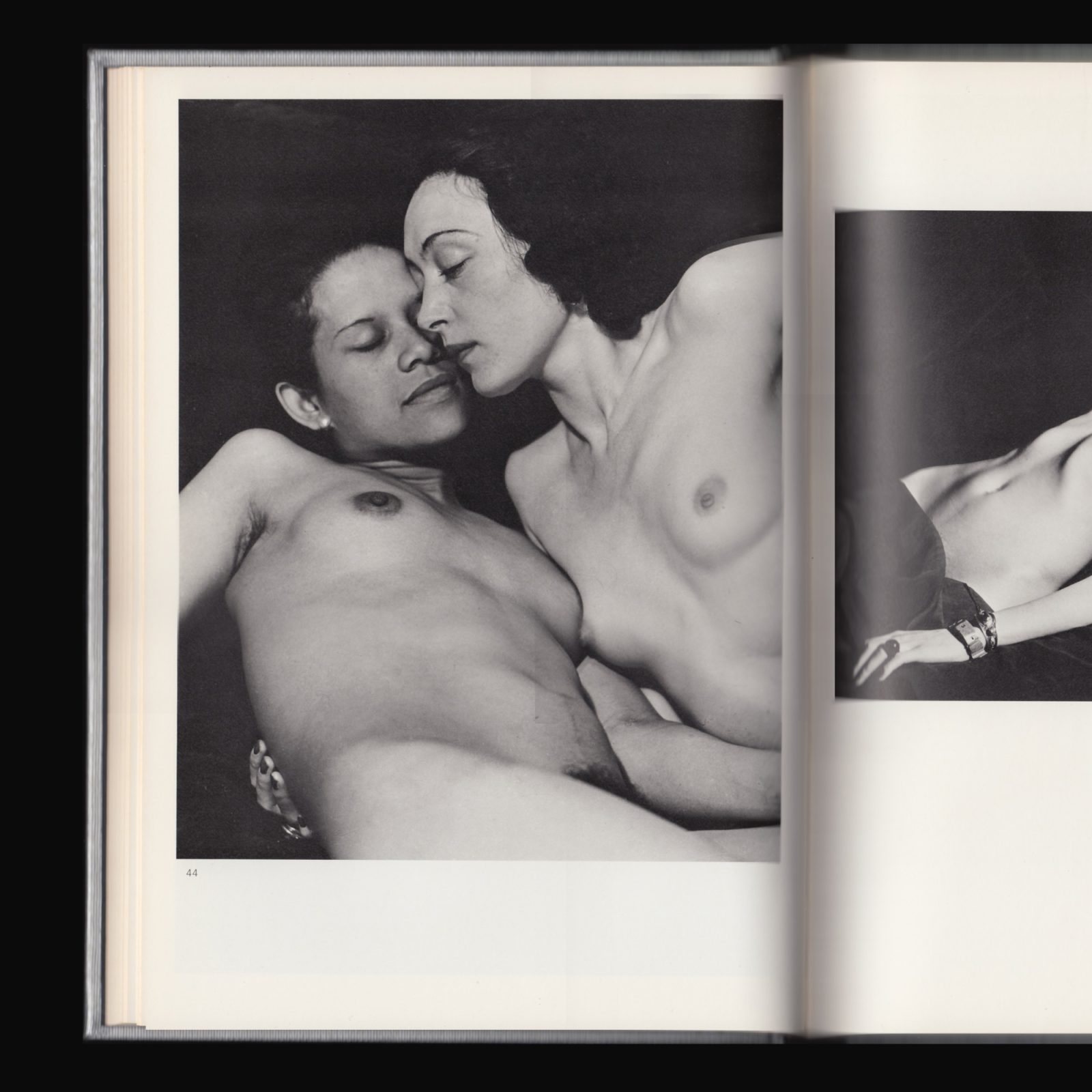
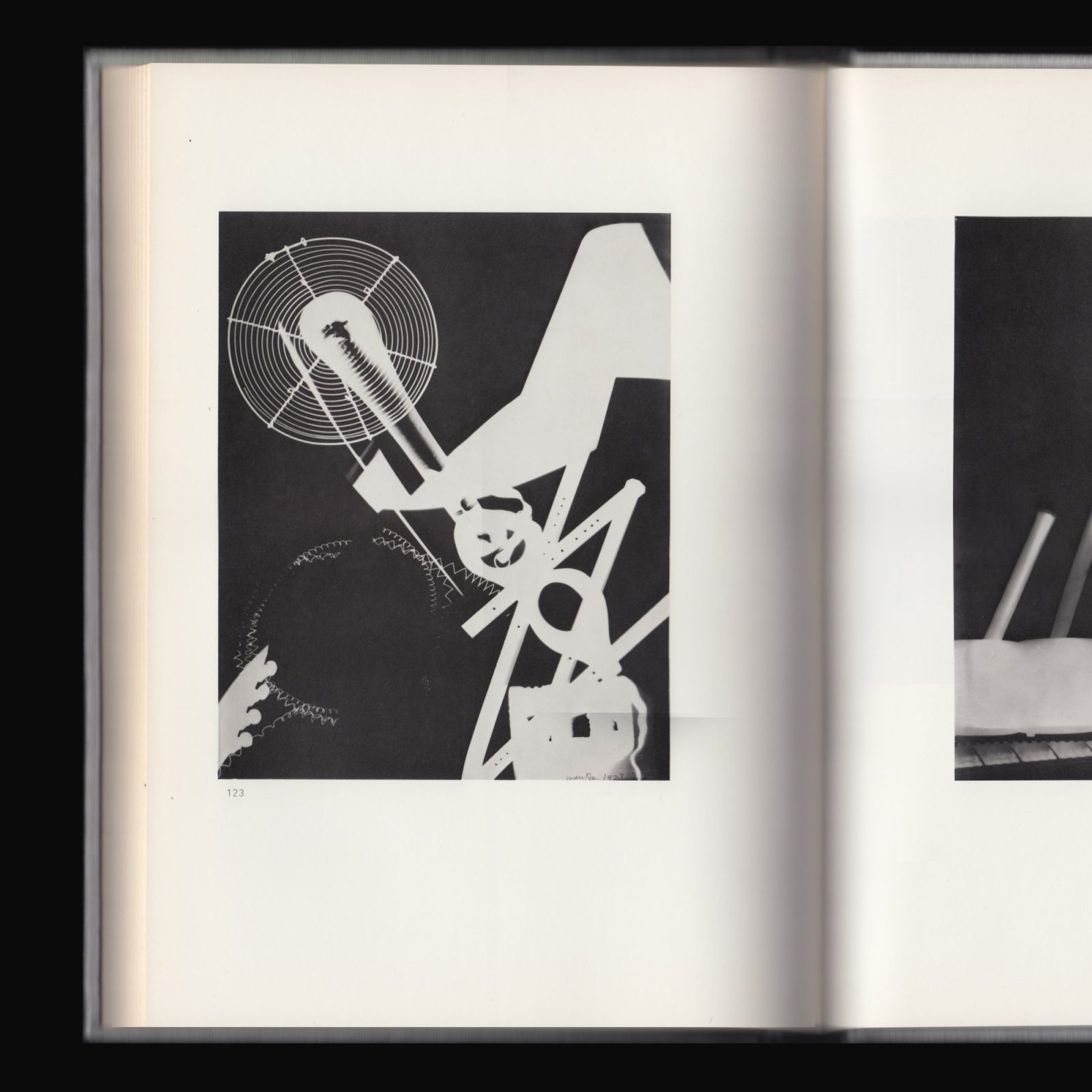
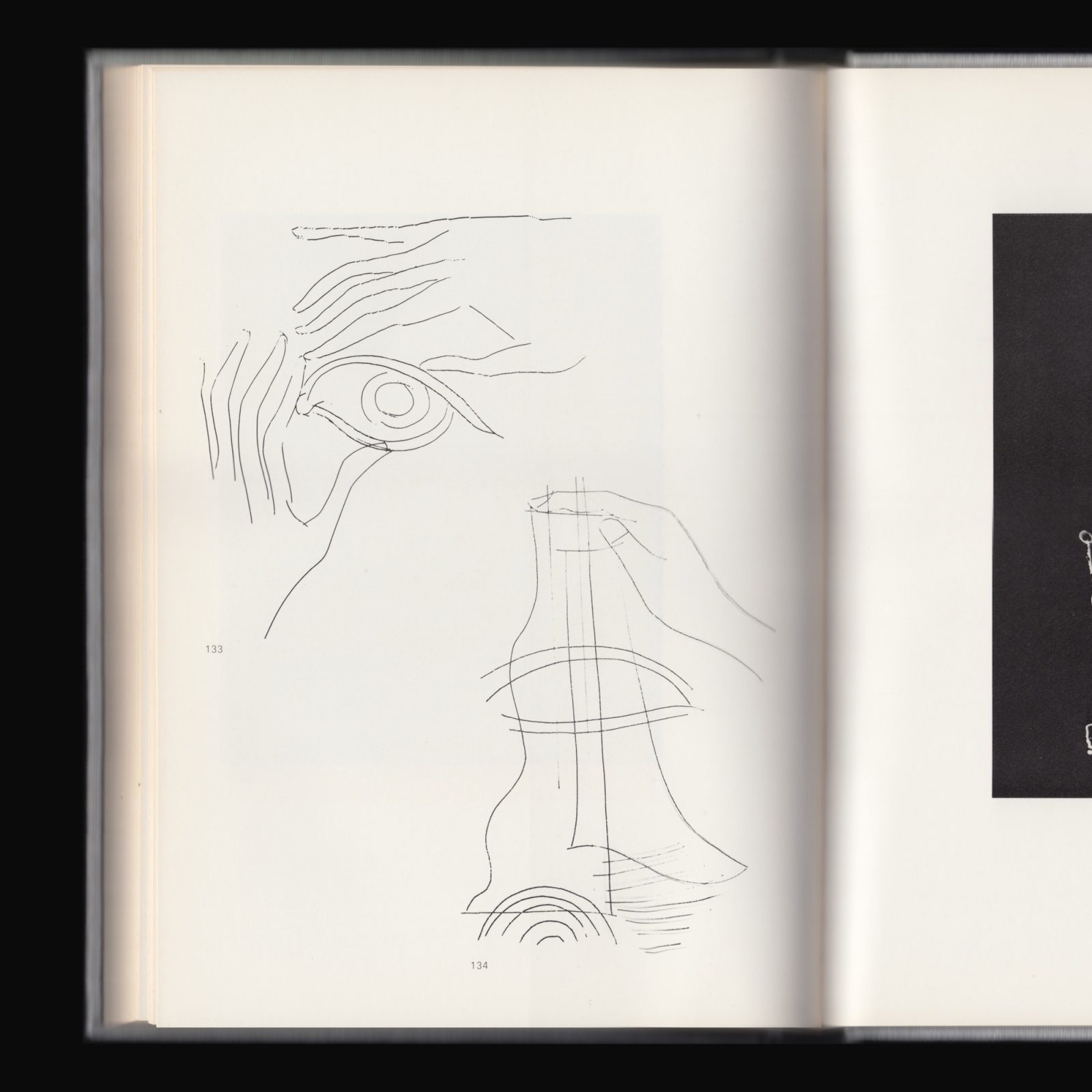
Japanese monograph dedicated to the photographic works of Man Ray.


Japanese monograph dedicated to the photographic works of Man Ray.


Publication produced on the occasion of the exhibtion Man Ray, to commemorate the centenary of the artist’s birth. Travelling to the following locations; Sezon Museum, 29 September–4 November, 1990; Tenjin Daimaru, Fukuoka 14 March–26 March, 1991; Yokohama Museum of Art, 6 April–8 May, 1991; Kyoto Daimaru Museum, Kyoto 15 August– 20 August, 1991.
2 softcover volumes, dedicated to the sculptural practice and photographic practice separately.


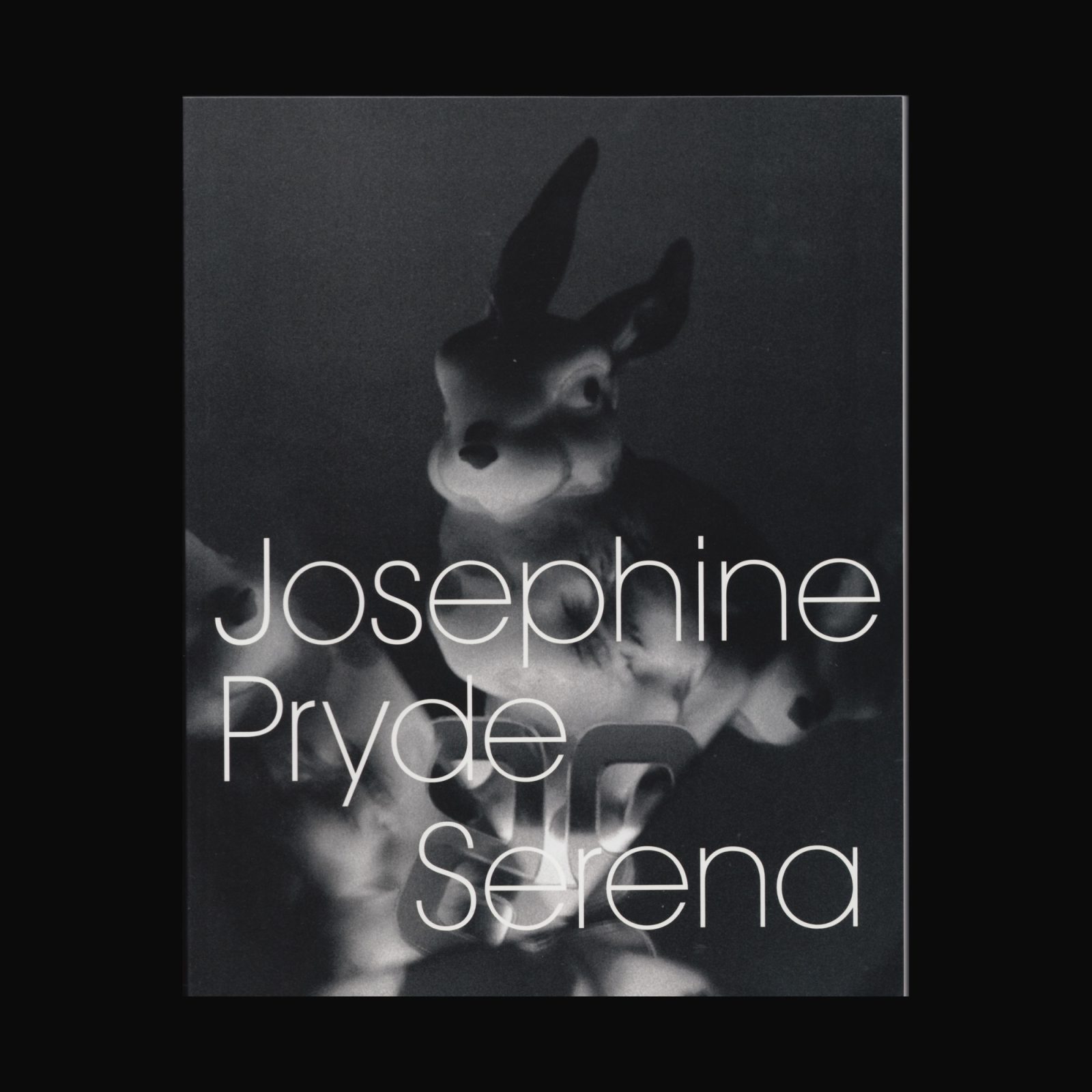
Produced on the occasion of Josephine Pryde’s exhibition Serena at Kunstverein Braunschweig, 28 April–10 June, 2001.
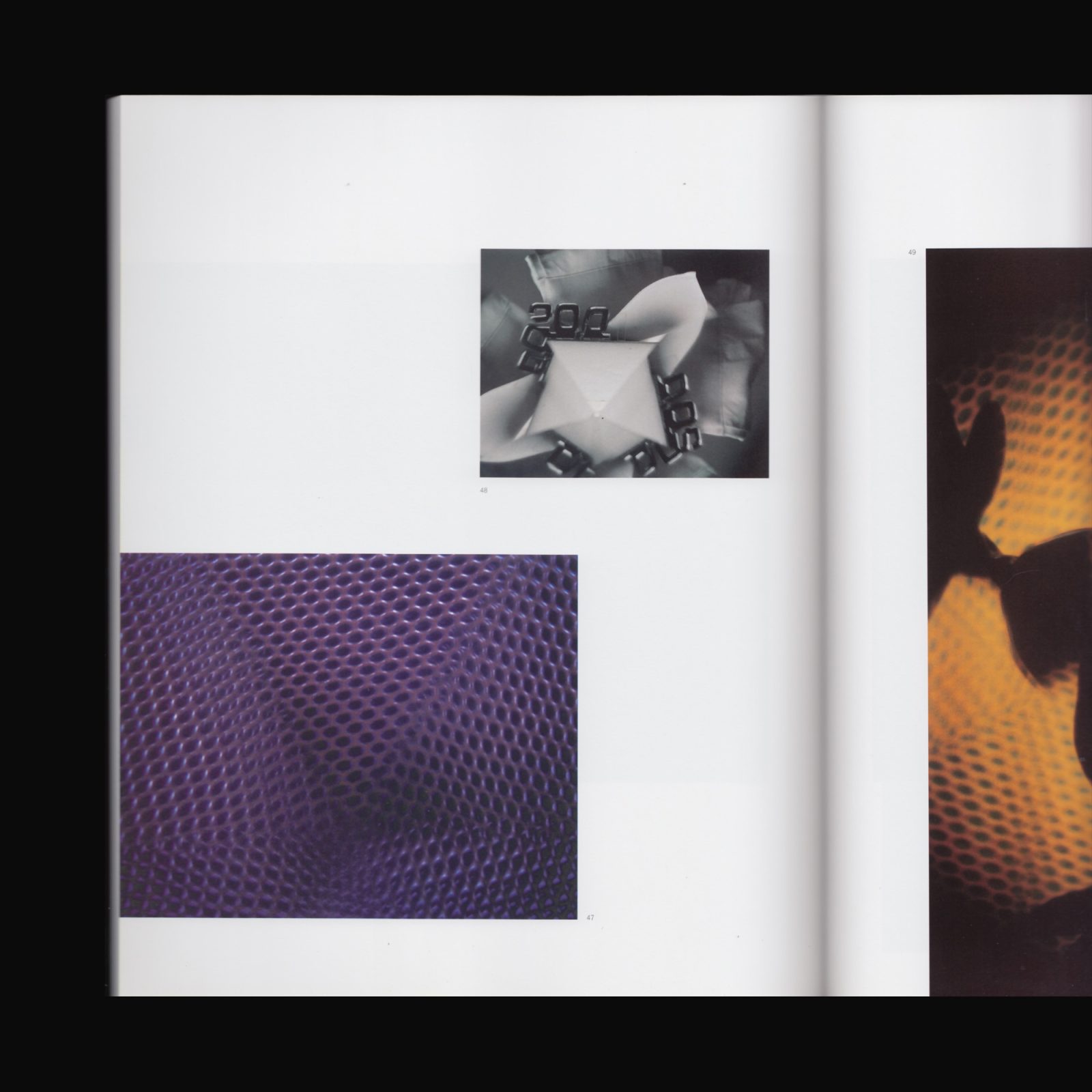
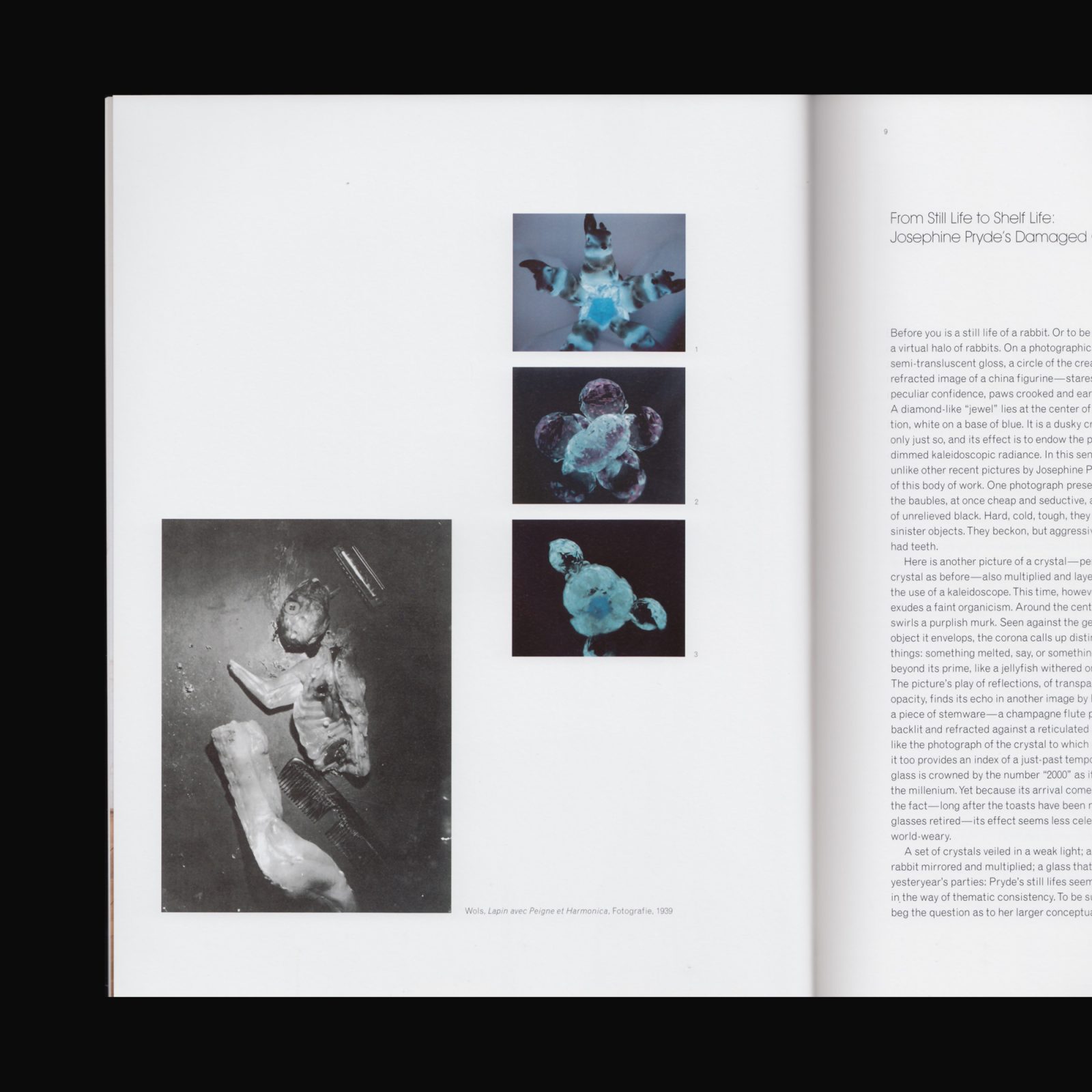
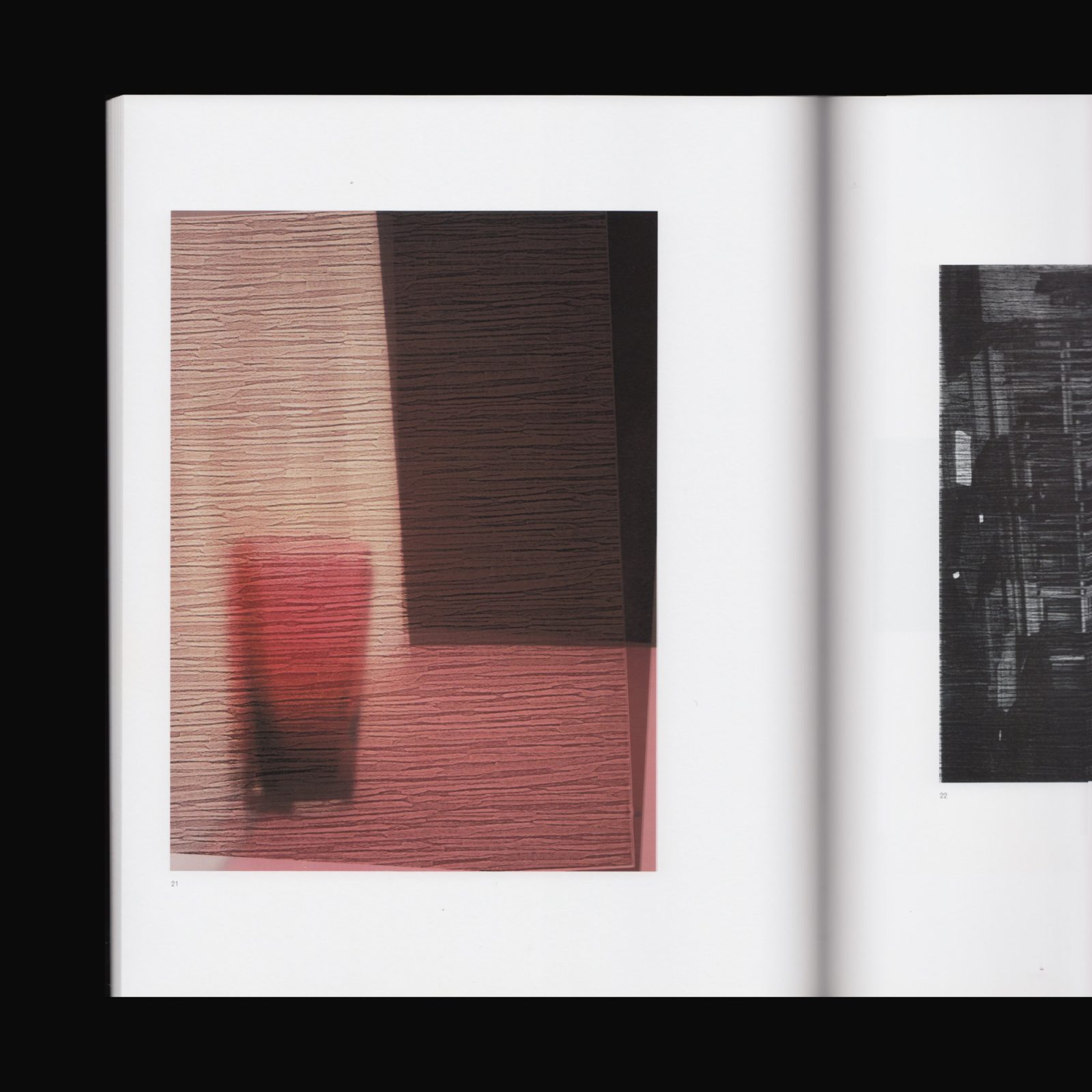
Pryde’s work attacks stock photographic aesthetic by technically reworking and reconfiguring images and by addressing the conditions of their display. The surfaces of glossy fashion photographs are disrupted by the insertion of aluminium tubes, which emphasise their ‘objectness’ and their status as artworks. Colourful photoshop juxtapositions of MRI scans of the human foetus and macro-lens desertscapes are unnervingly loaded. They refer to the history of darkroom experimentation and to contemporary medical-imaging techniques. Pryde doesn’t reject the language of photographic imagery, rather she adopts it and layers it up. Her guinea pig portraits are inspired by ‘cute pet photography’ but her choice of subject conjures associations with laboratory research.
Texts by Pamela M. Lee, Pauline van Mourik Broekman and Josef Strau.


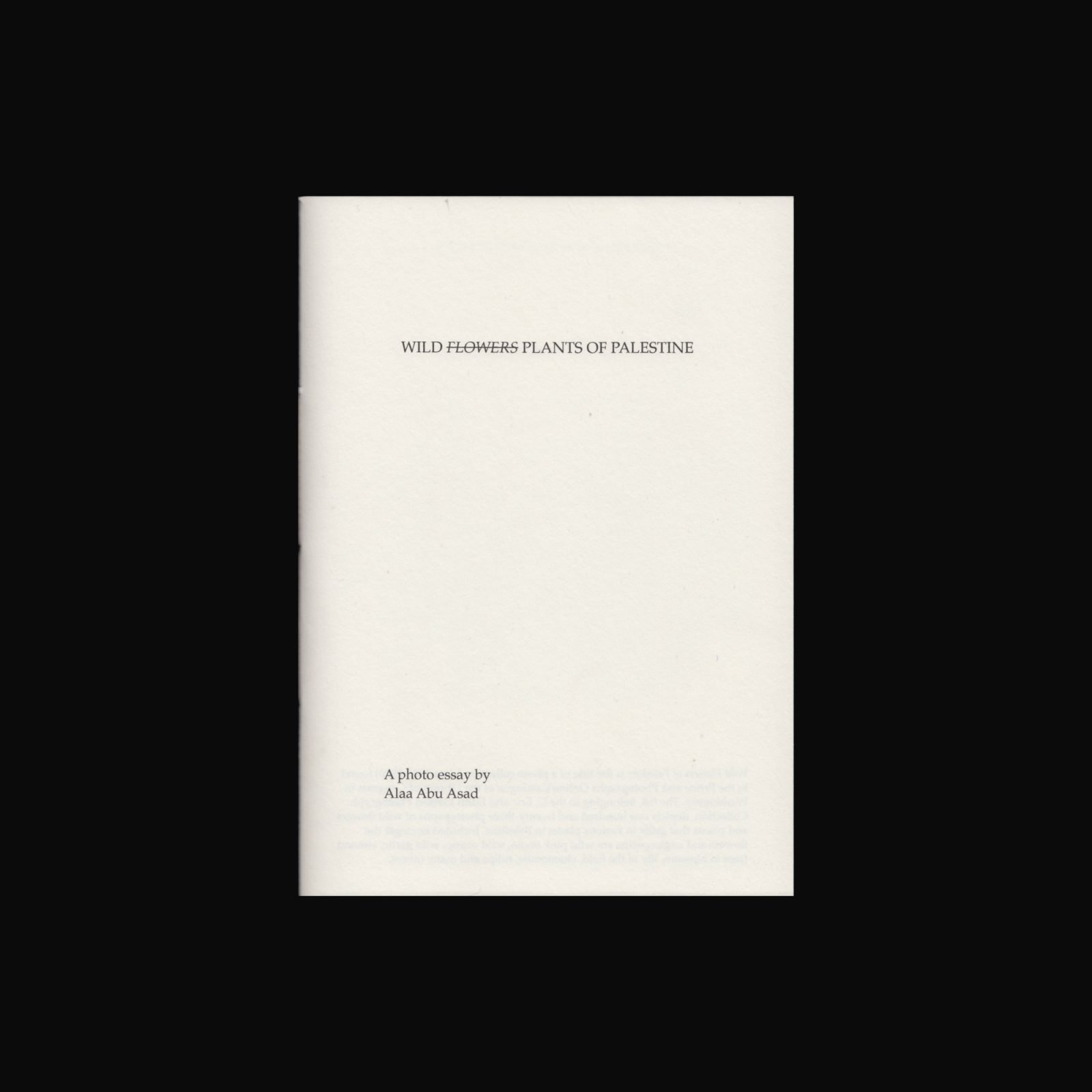
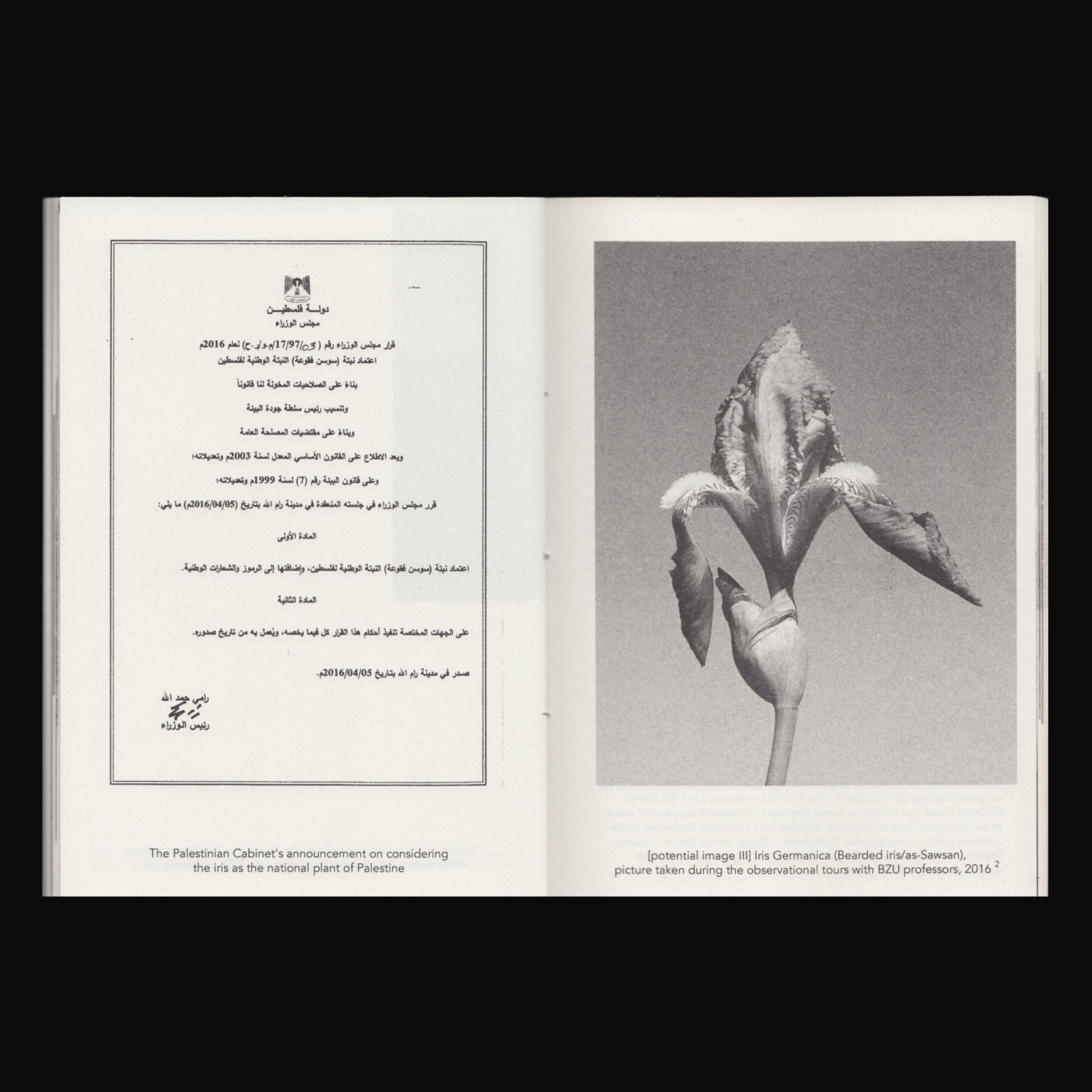
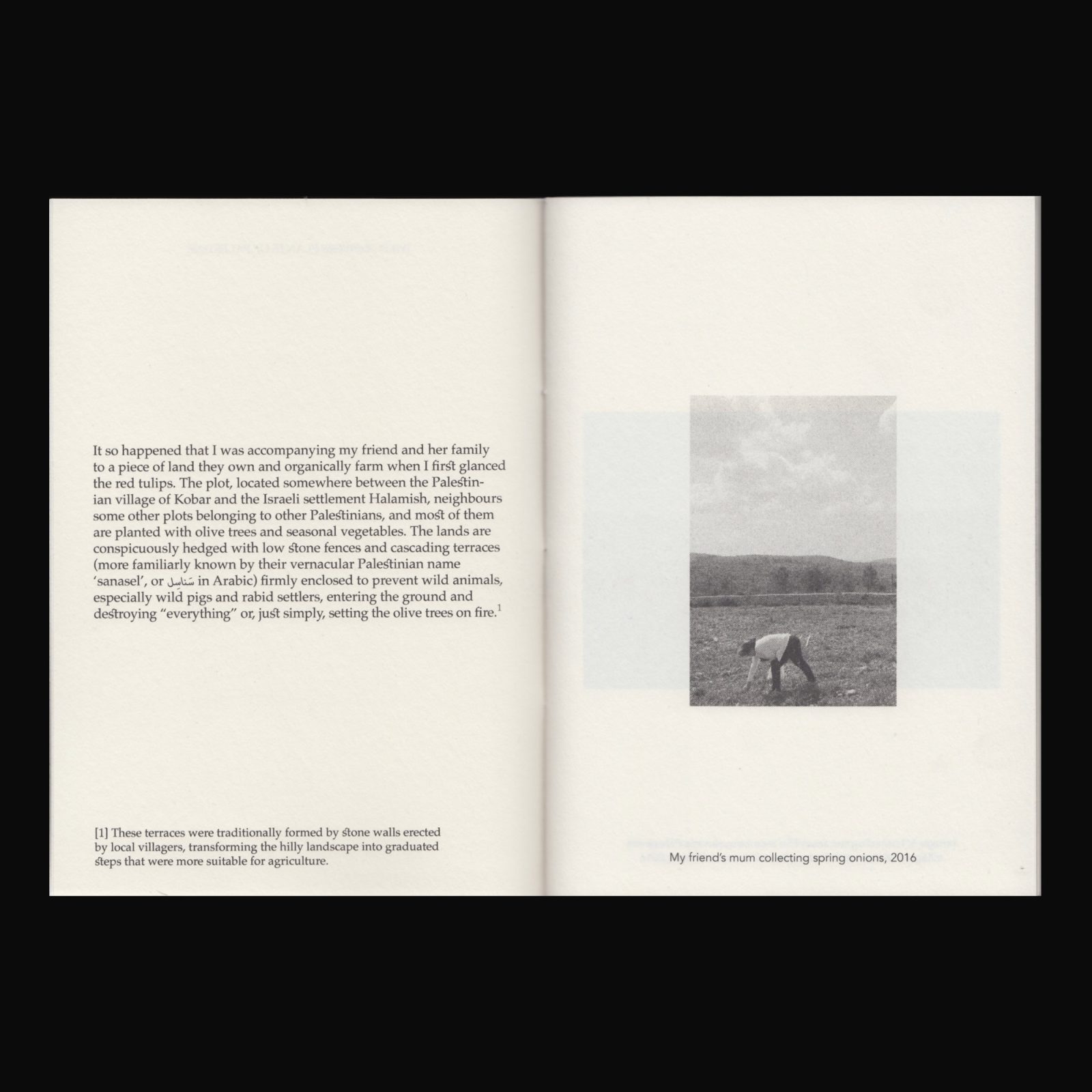
Wild Plants of Palestine follows journeys of observational tours solicited by the Palestinian Museum and conducted by two professors from Birzeit University to collect photos of and information on the Palestinian Flora. The title is adapted from a collection of 123 images (circa 1900 to 1920) of wild flowers in Palestine found in the Matson Collection in the Library of Congress. Despite the tendency to trace the wild plants, the text in general aims at questioning the territorial extension of what is meant by the term “Palestinian”, while standing on insignificant topographical features of the (postcolonial) landscape in West Bank. Furthermore, it addresses photography as a practice and a tool of distributing and restricting information at once.


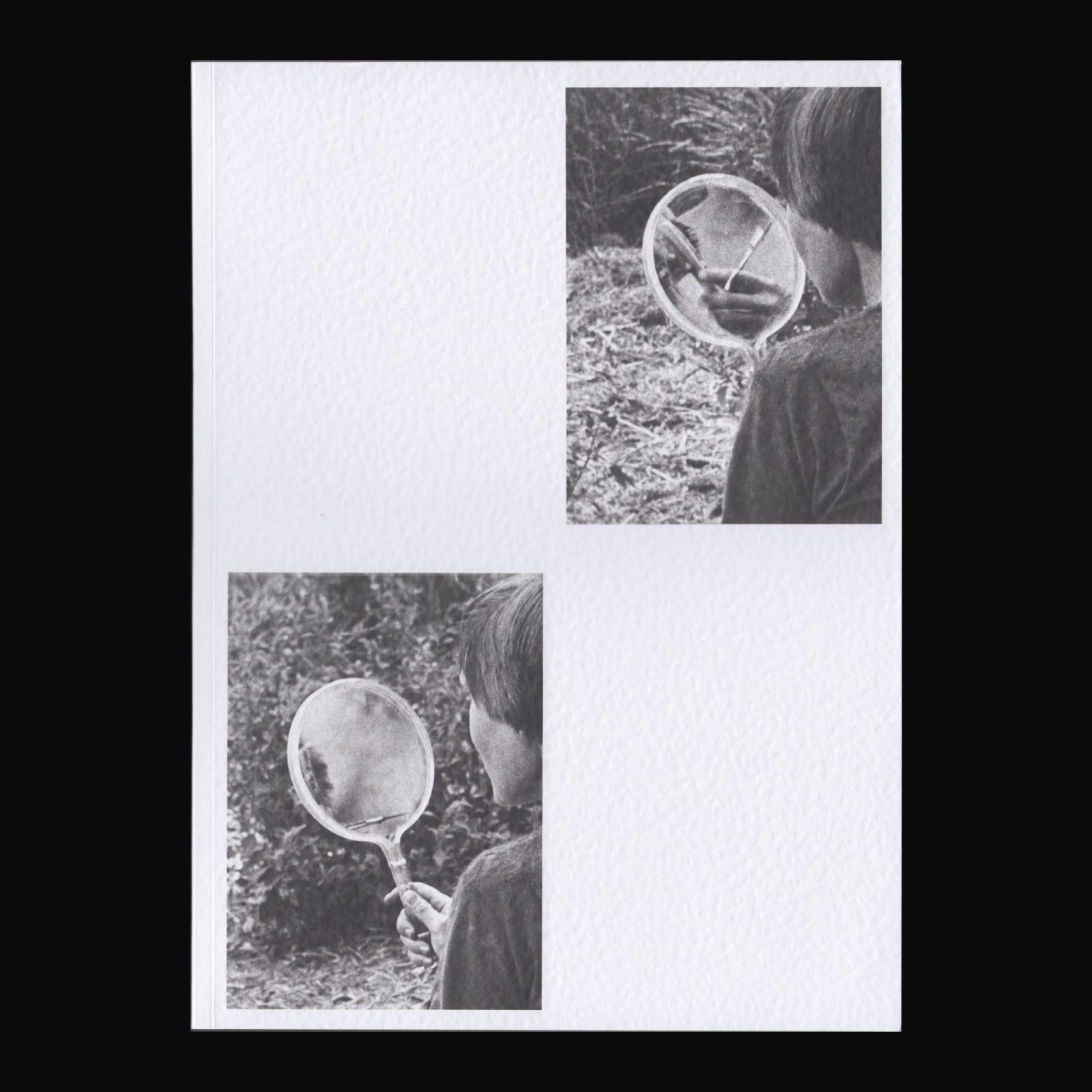
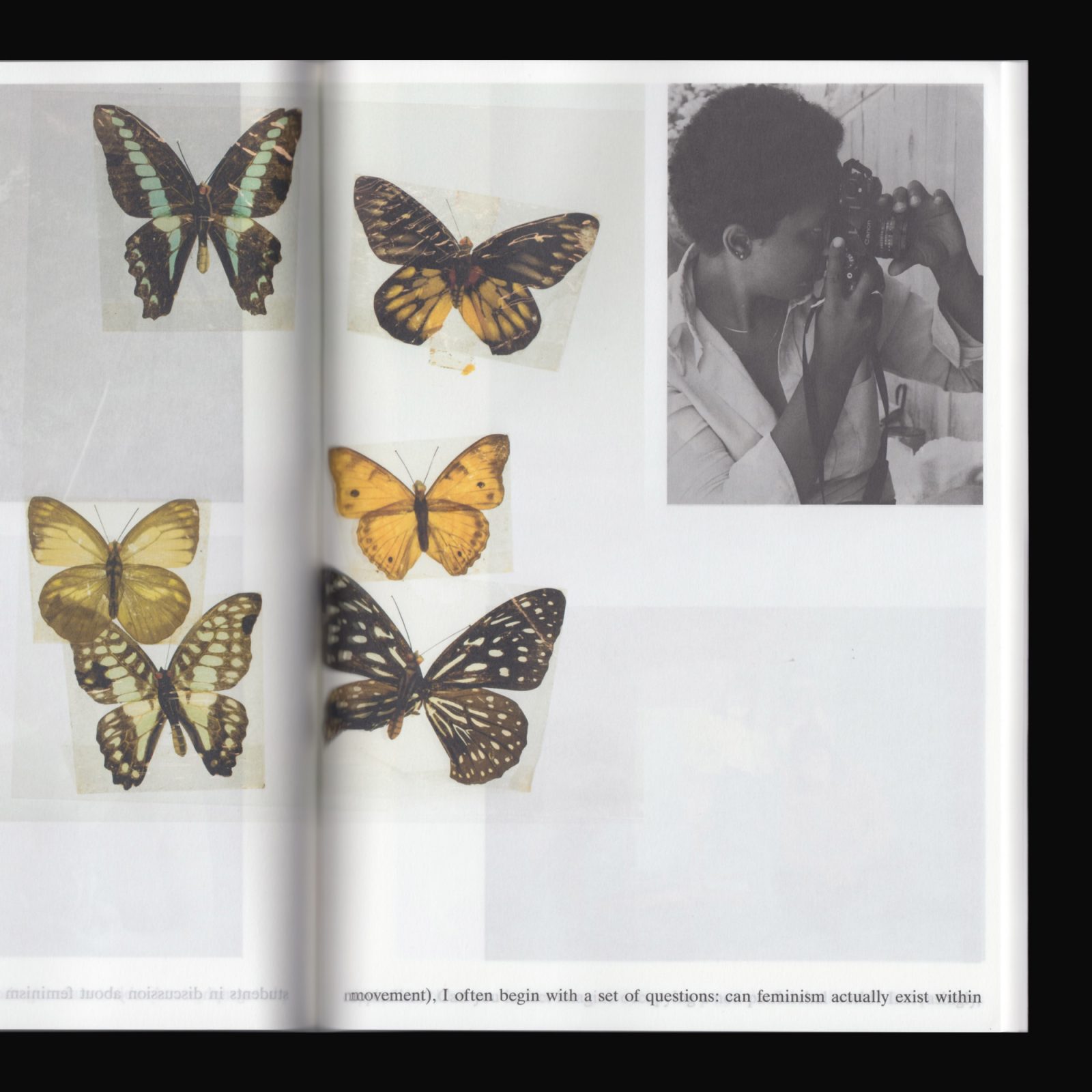
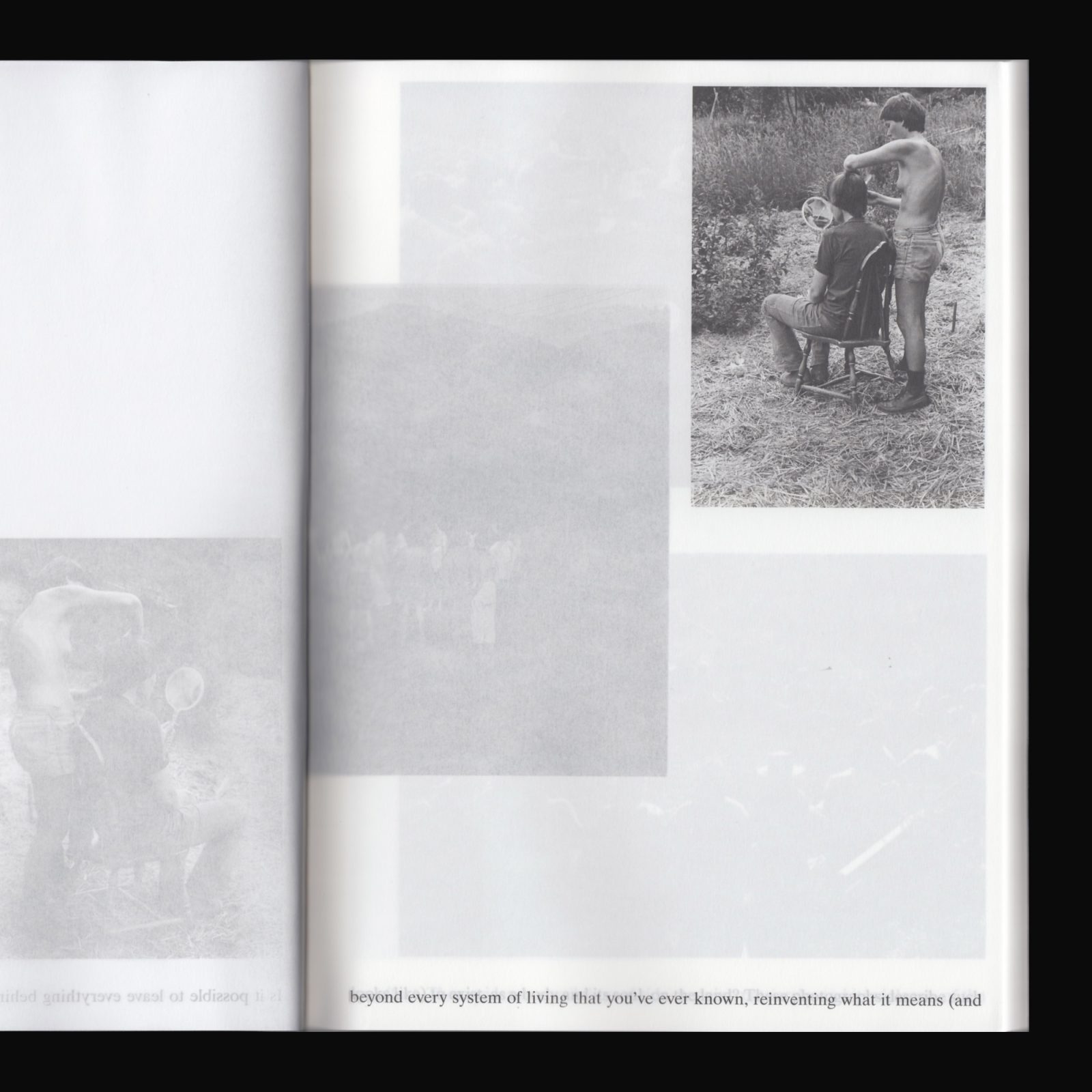
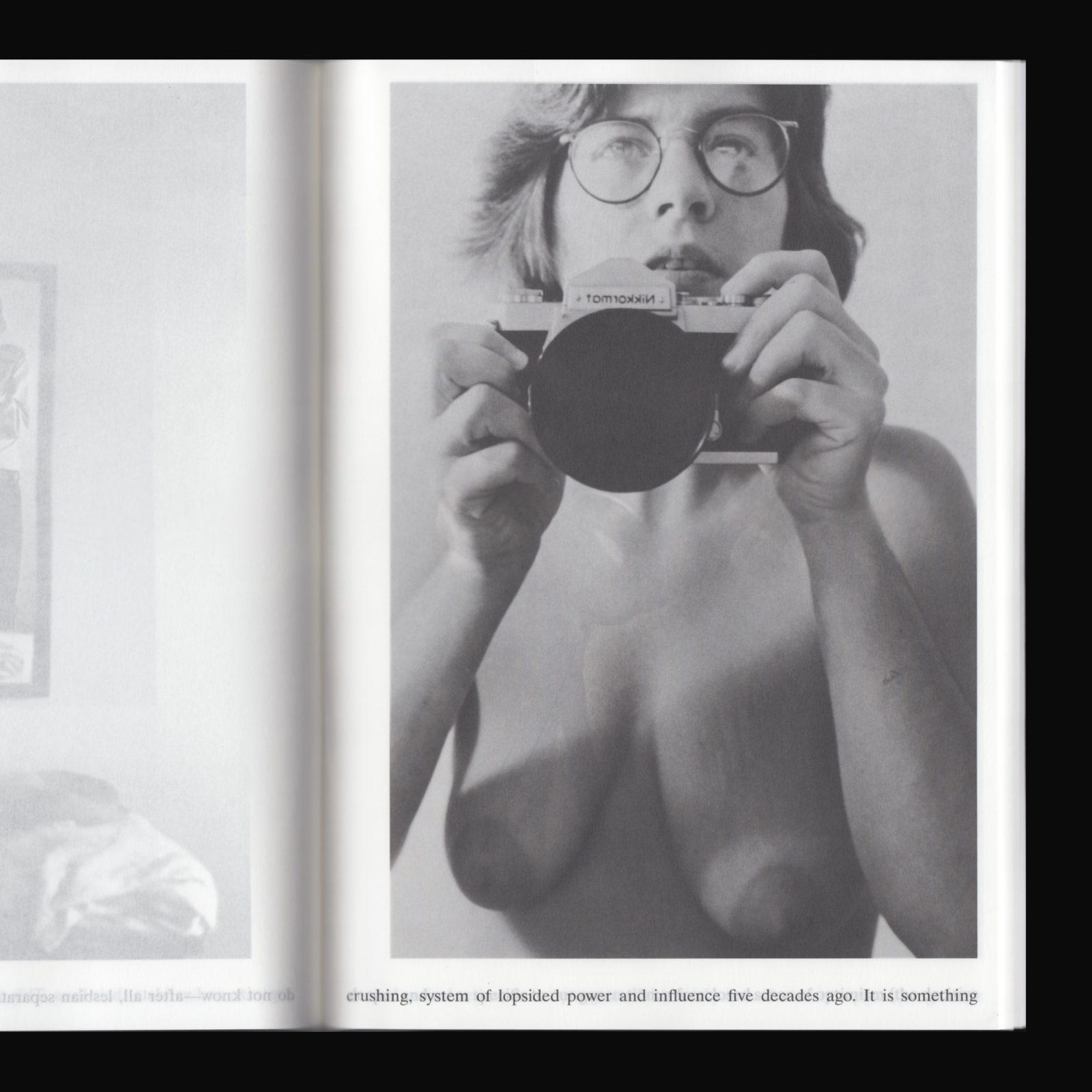
Notes on Fundamental Joy; seeking the elimination of oppression through the social and political transformation of the patriarchy that otherwise threatens to bury us holds up the work of JEB, Clytia Fuller, Tee Corinne, Ruth Mountaingrove, Katie Niles, Carol Osmer, Honey Lee Cottrell, and others, documenting a community of women/womyn in their collective embrace of the ‘back to the land’ movement. Through the lens of pervasive image-making—women holding cameras, women taking pictures of women—the project considers the radical potential of social and political optimism predicated on the absence of men.
The book includes a personal essay by writer and artist Ariel Goldberg realized in two parts, understanding the photographs and wider cultural moment through a broader gender lexicon and in the context of trans-exclusionism.
Printed on Igeba IBO One 60gsm, a lightweight semi-transparent paper which allows for the show-through of images between page, creating an exchange and dialog between partially visible photographs.
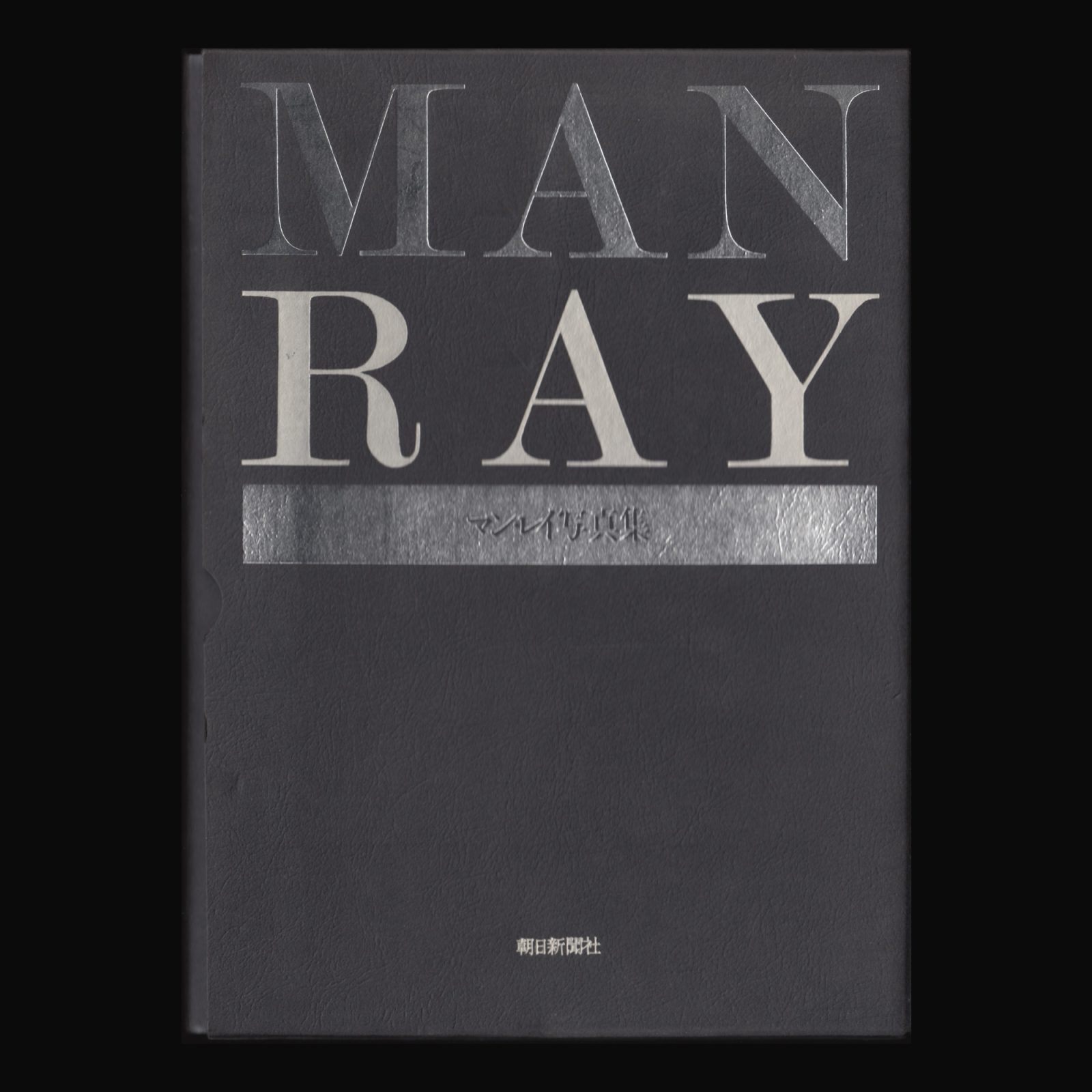


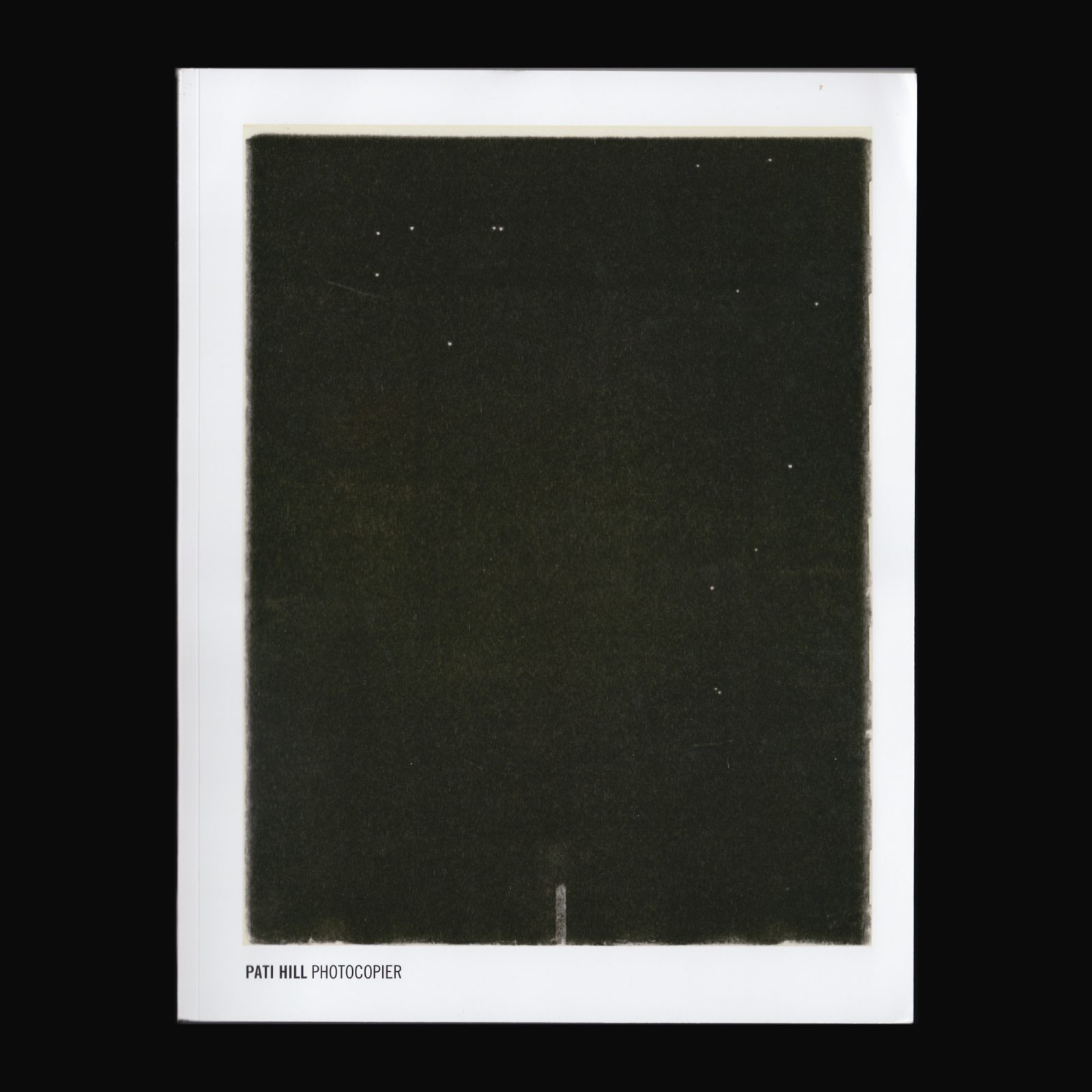
Produced on the occasion of the exhibition; Pati Hill: Photocopier, A Survey of Prints and Books (1974–83), 4 November, 2017–4 March, 2018.
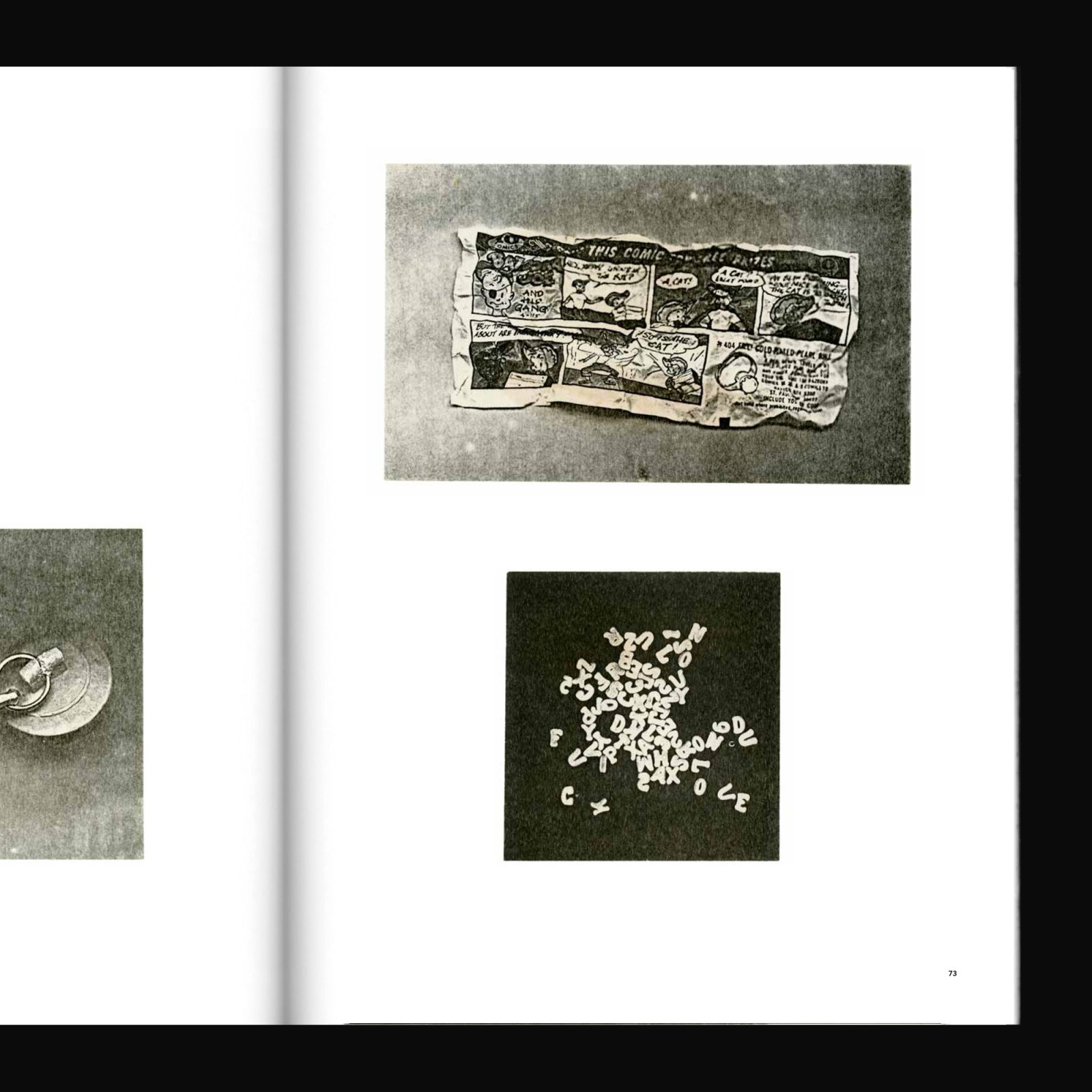
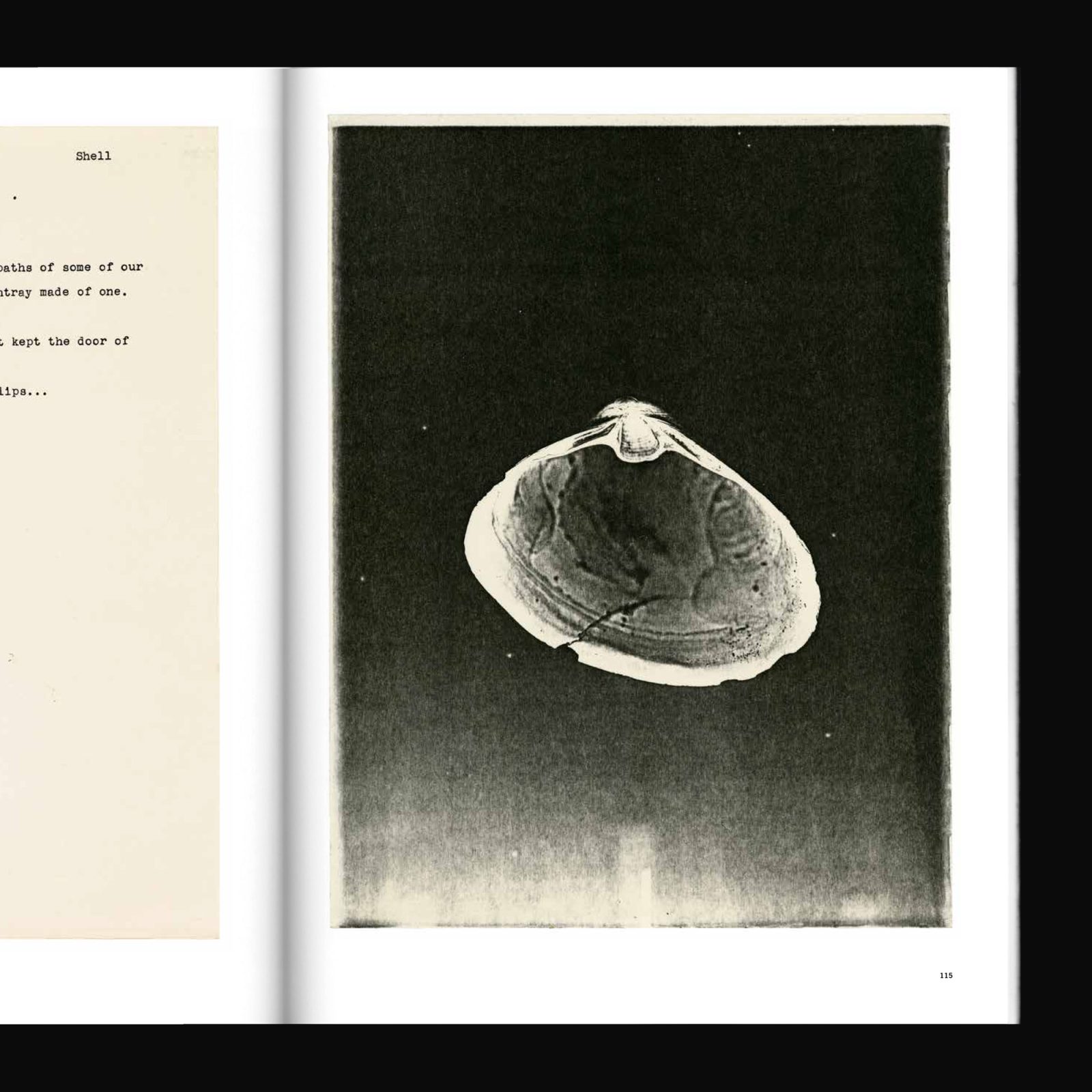
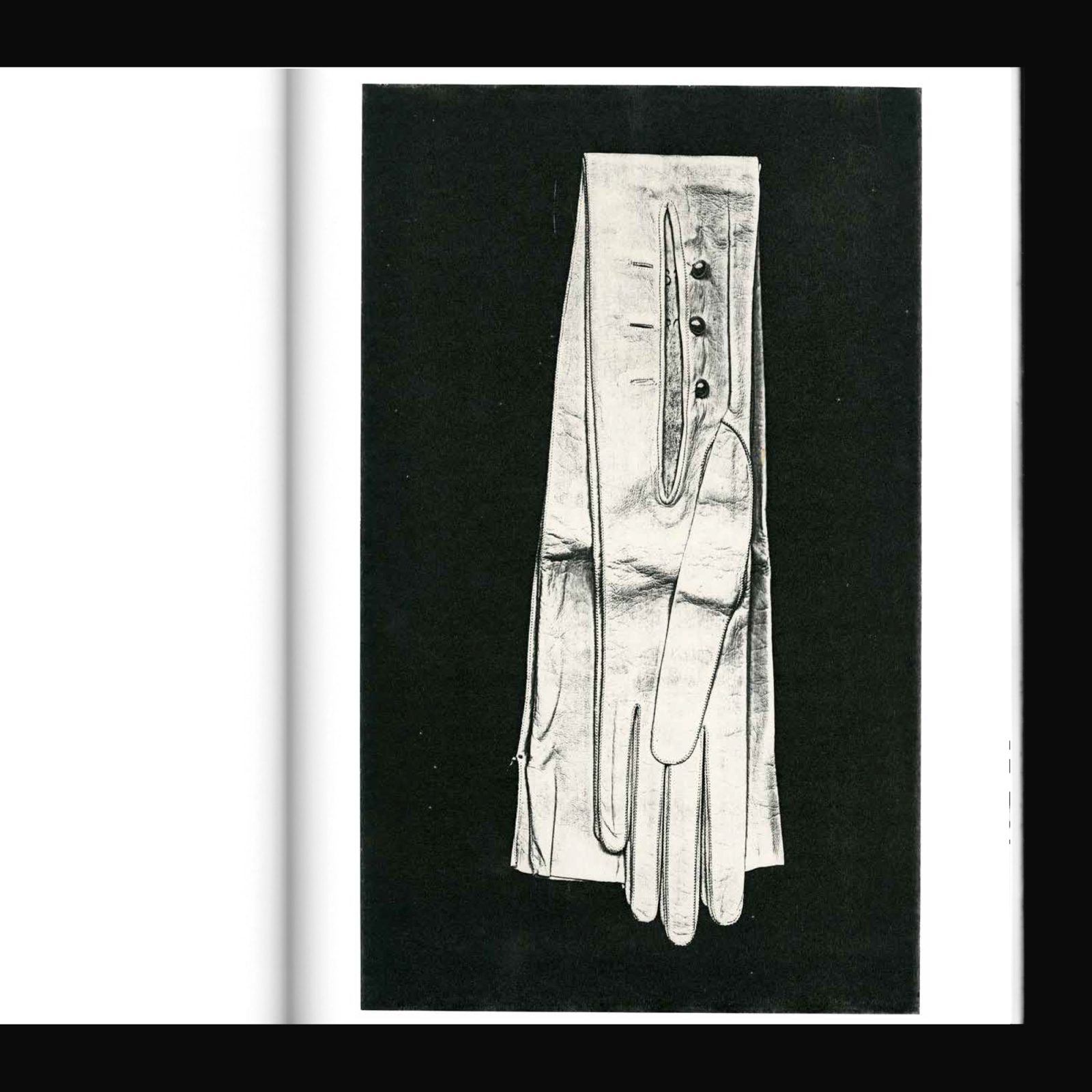
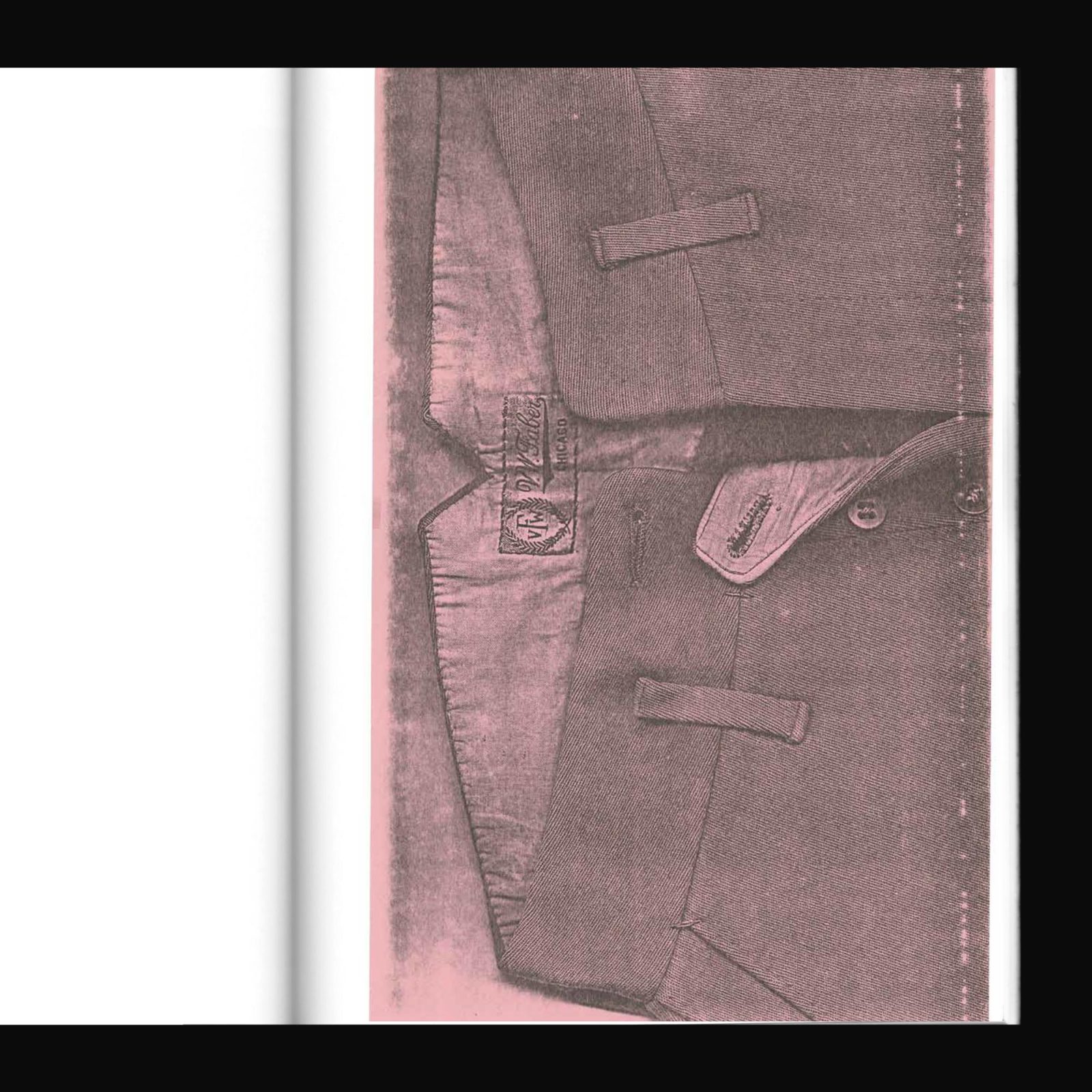
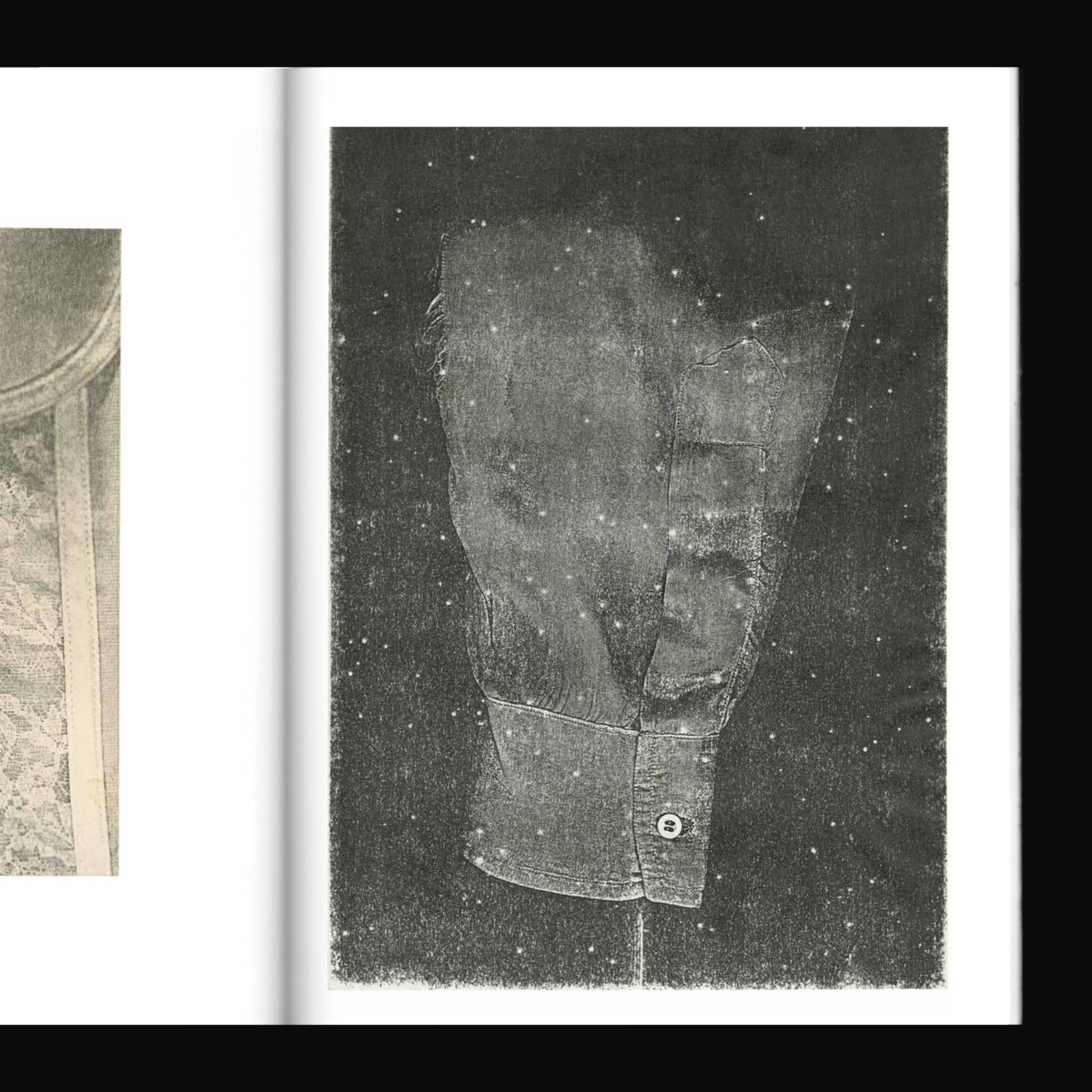
This publication considers the first phase of the cross-disciplinary art of Pati Hill (1921-2014). Although her exploration of the copier, which she called “a found instrument—a saxophone without directions,” did not begin until the early 1970s, Hill is regarded as a pioneer due to her singular approach and commitment to the medium.
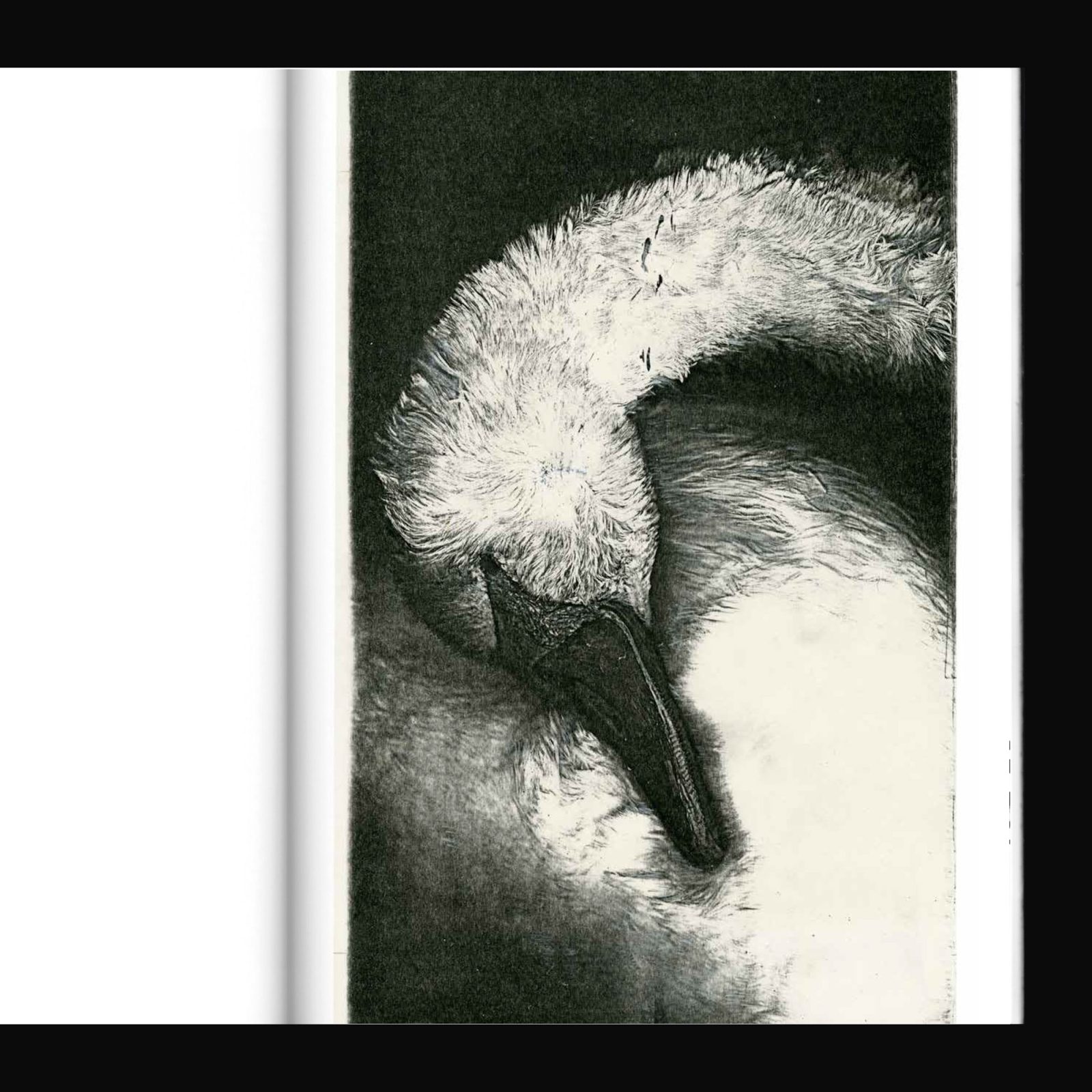
Employing the copier to record items as common as a gum wrapper or as unexpected as a dead swan, she also applied the process to transform appropriated photographs for her experiments with narrative. This catalogue features twelve different projects, including Hill’s attempt to photocopy the palace and grounds of Versailles.