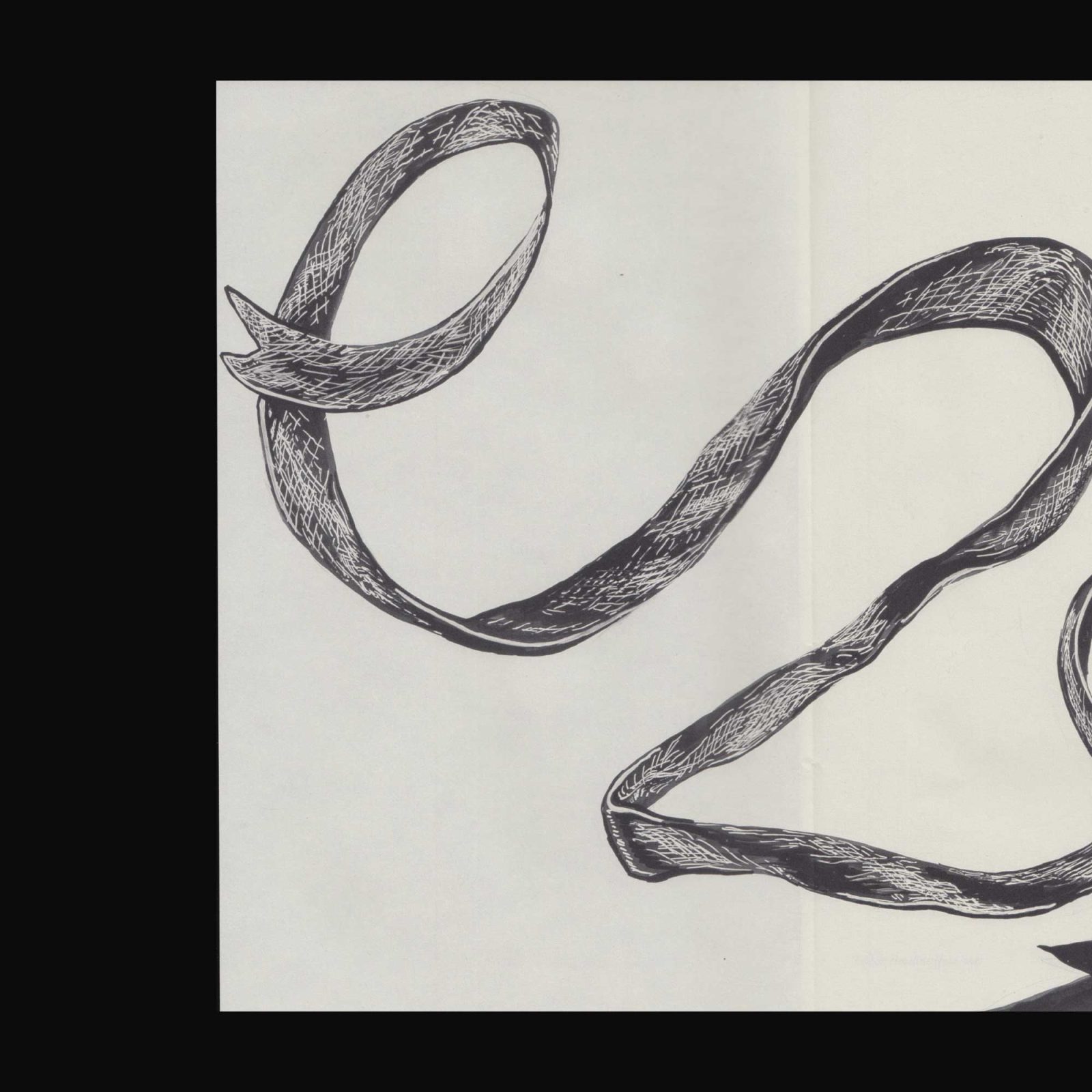
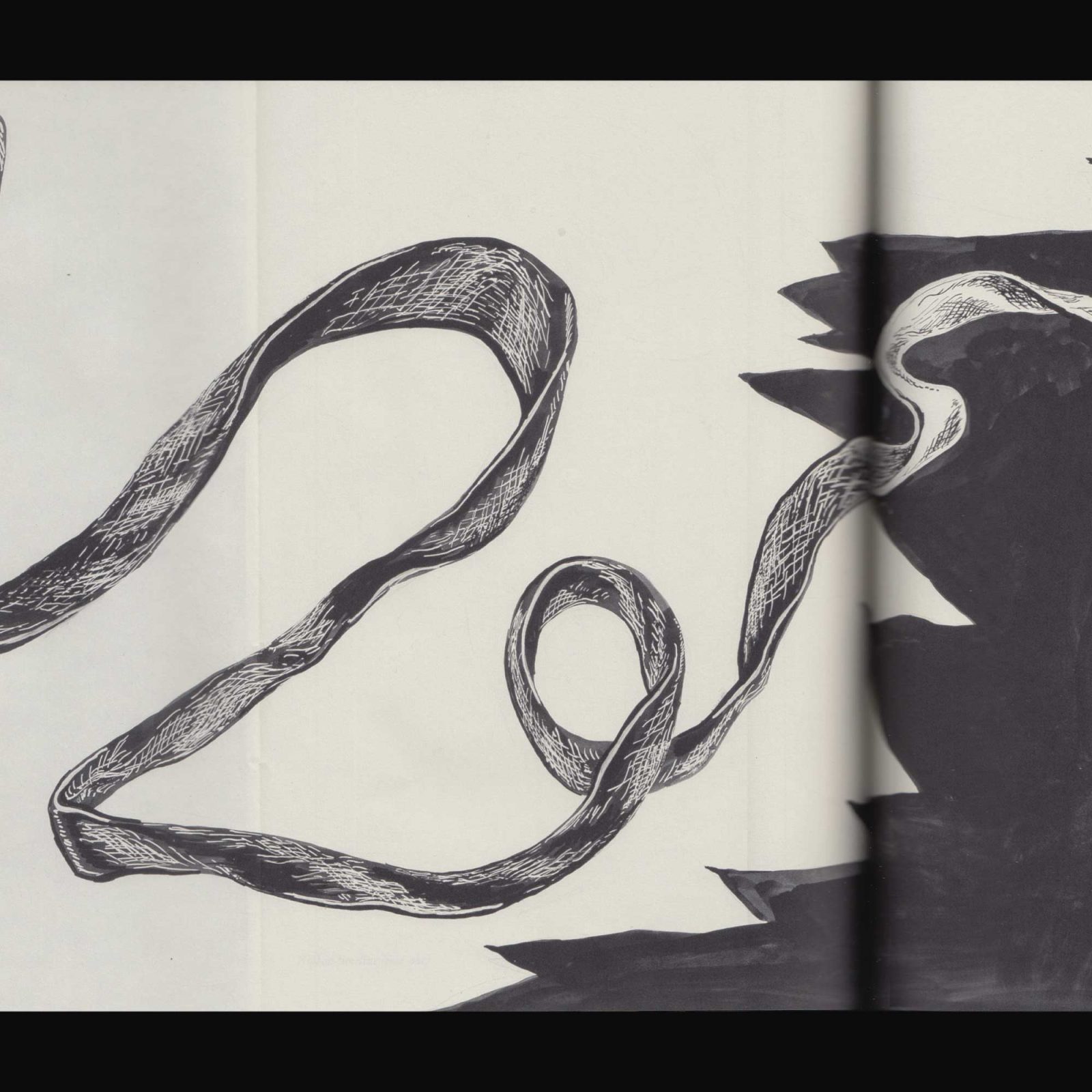
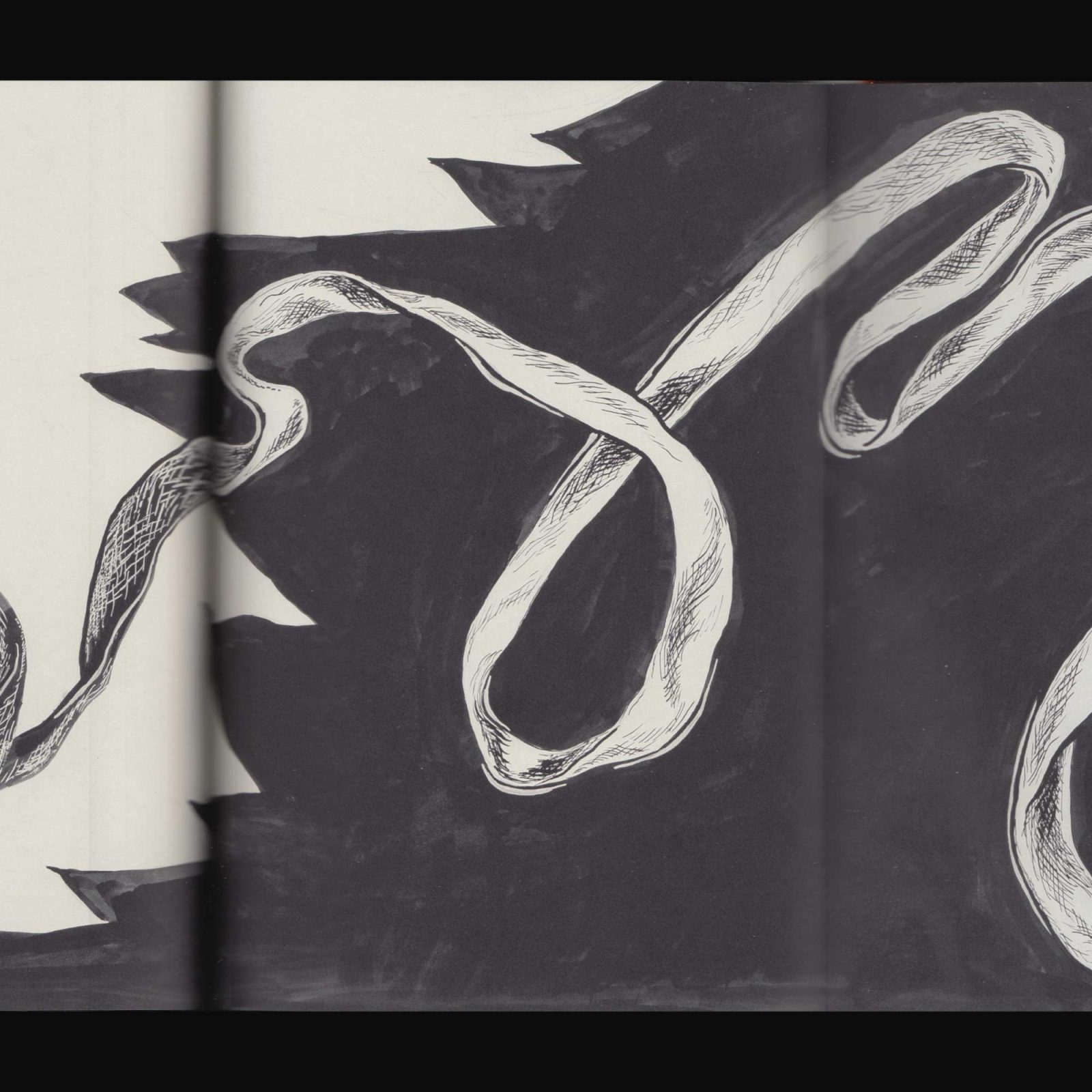
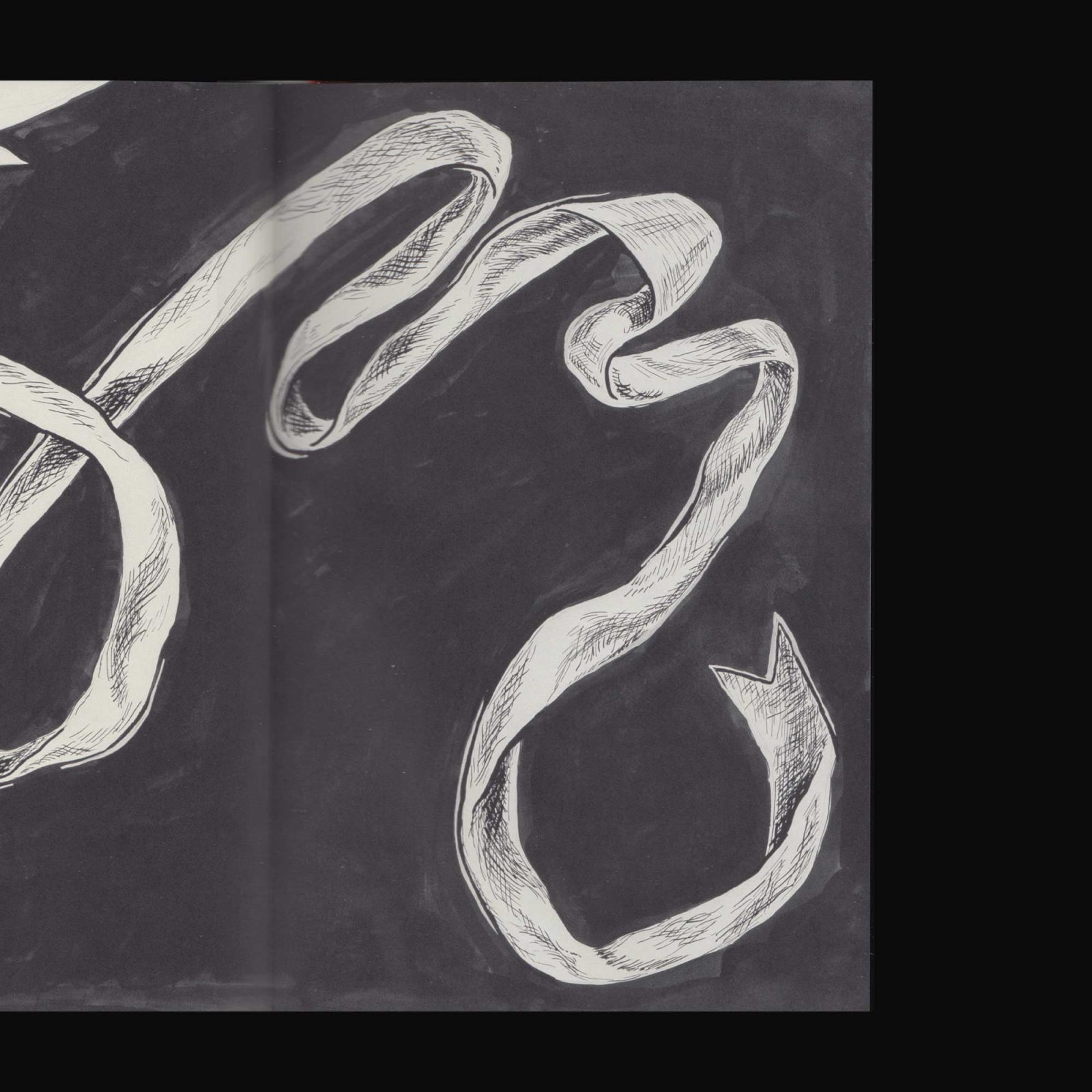
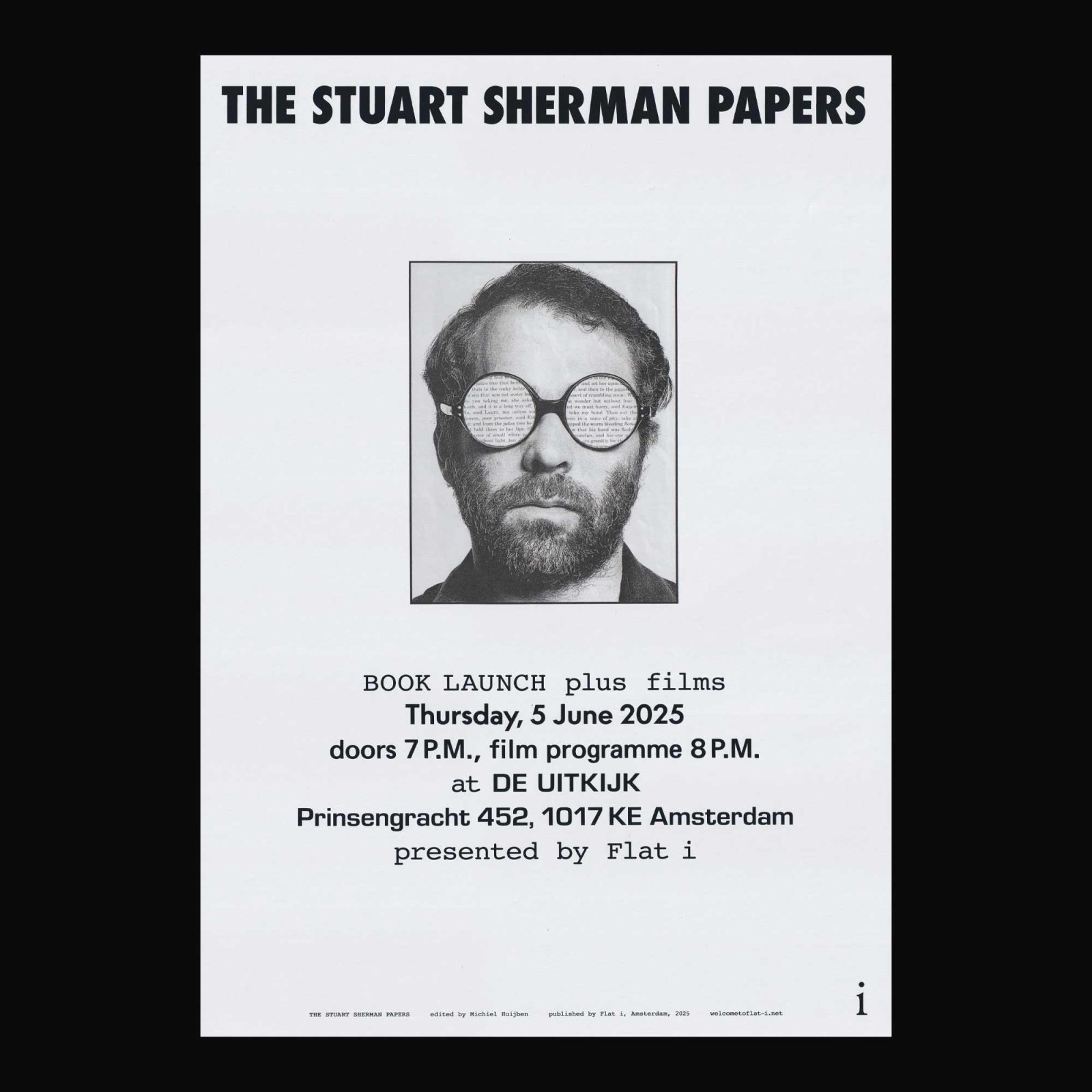
Poster produced on the occasion of the launch of The Stuart Sherman Papers, published by Flat i, Amsterdam. Thursday, 5 June, 2025, at De Uitkijk, Amsterdam.
Designed by Robert Milne.
Poster produced on the occasion of the launch of The Stuart Sherman Papers, published by Flat i, Amsterdam. Thursday, 5 June, 2025, at De Uitkijk, Amsterdam.
Designed by Robert Milne.

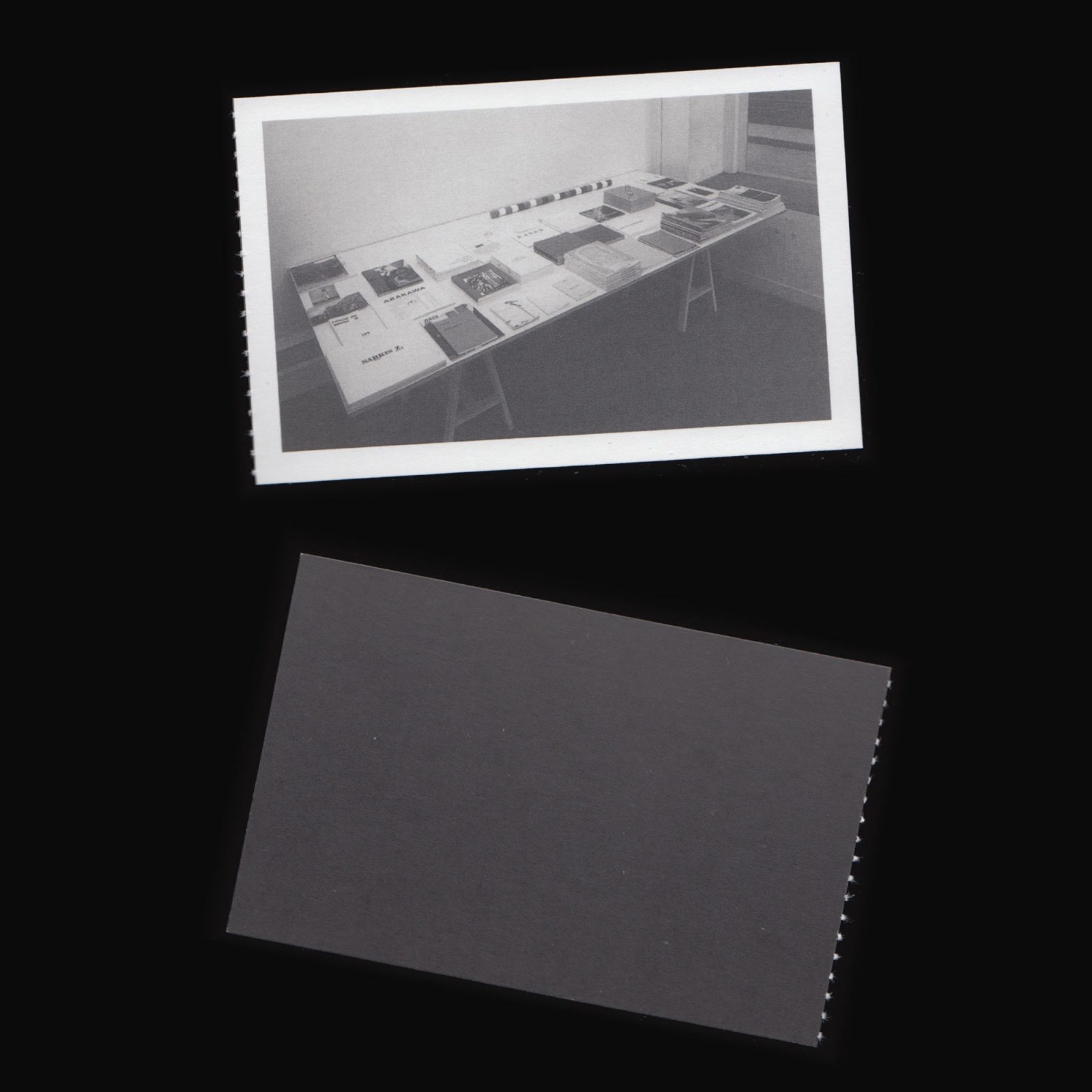
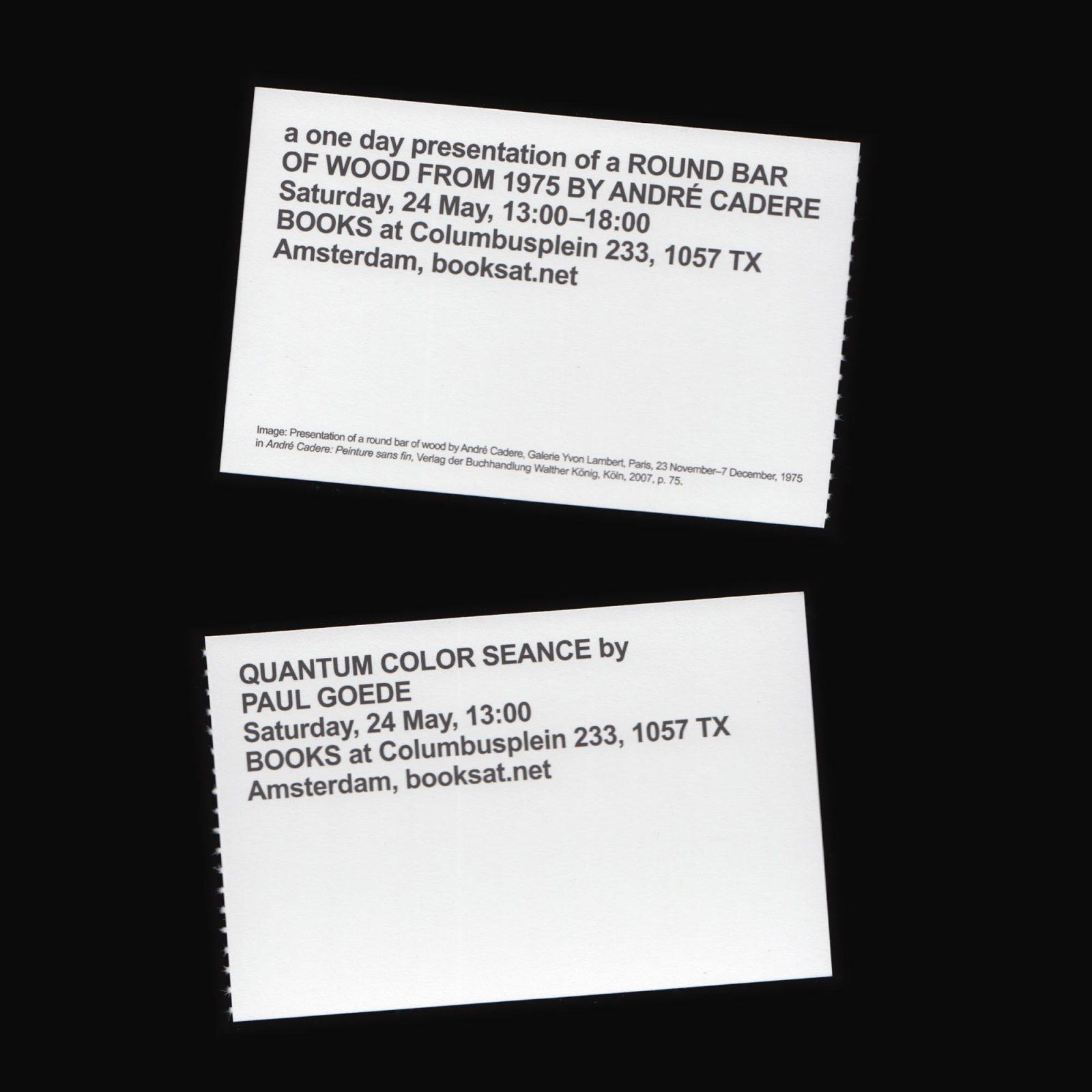
Image: Presentation of a round bar of wood by André Cadere, Galerie Yvon Lambert, Paris, 23 November–7 December 1975 in André Cadere: Peinture sans fin, Verlag der Buchhandlung Walther König, Köln, 2007, p. 75.


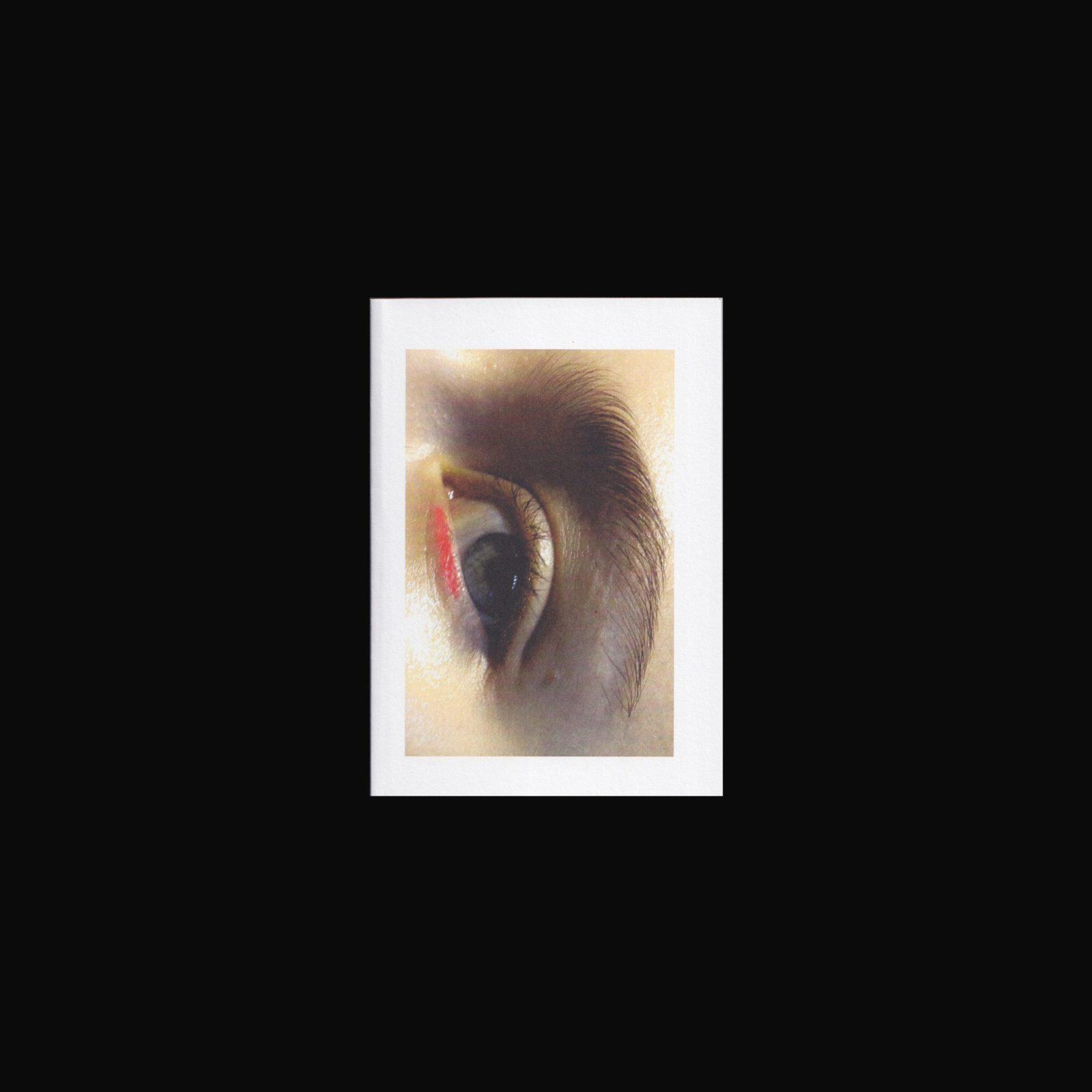
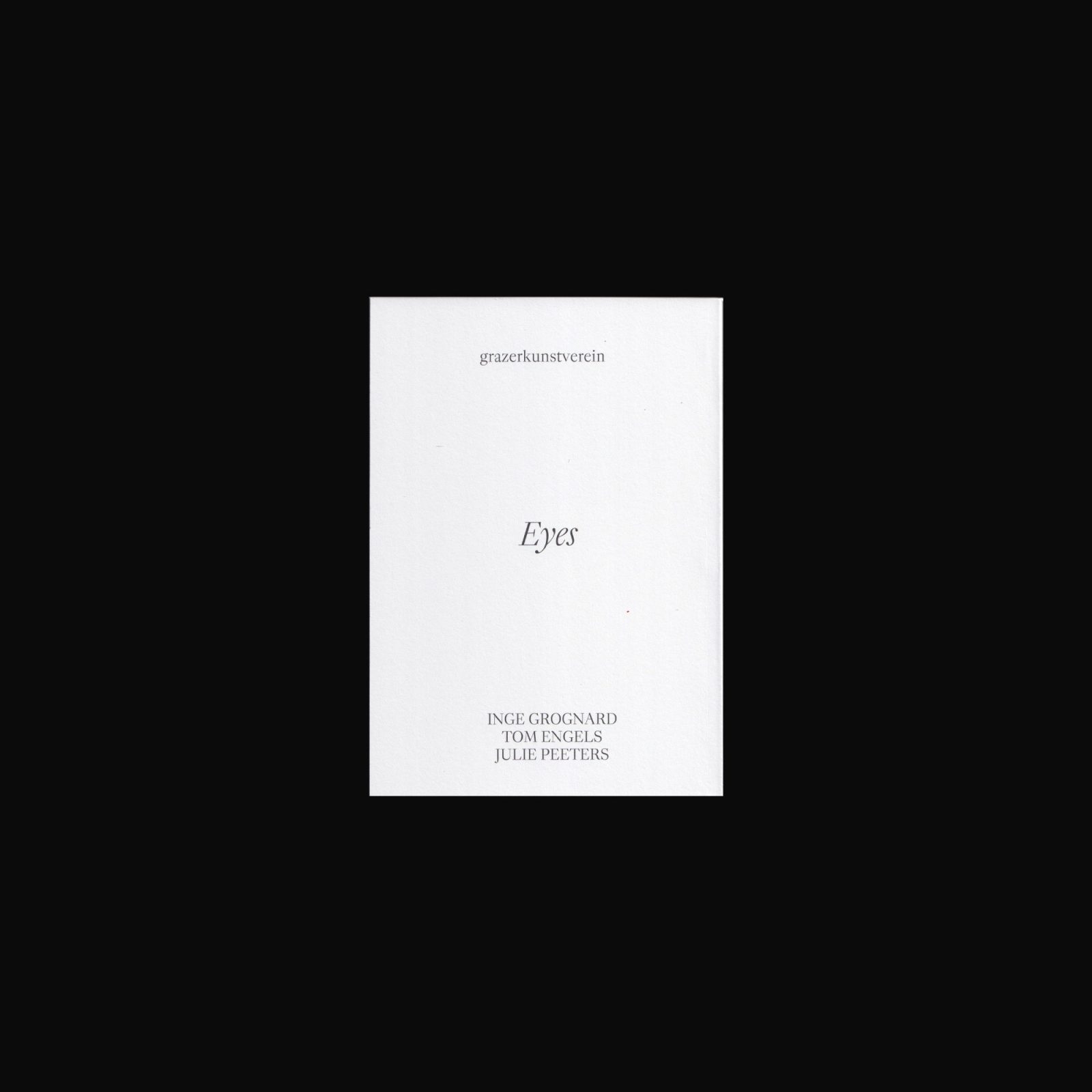
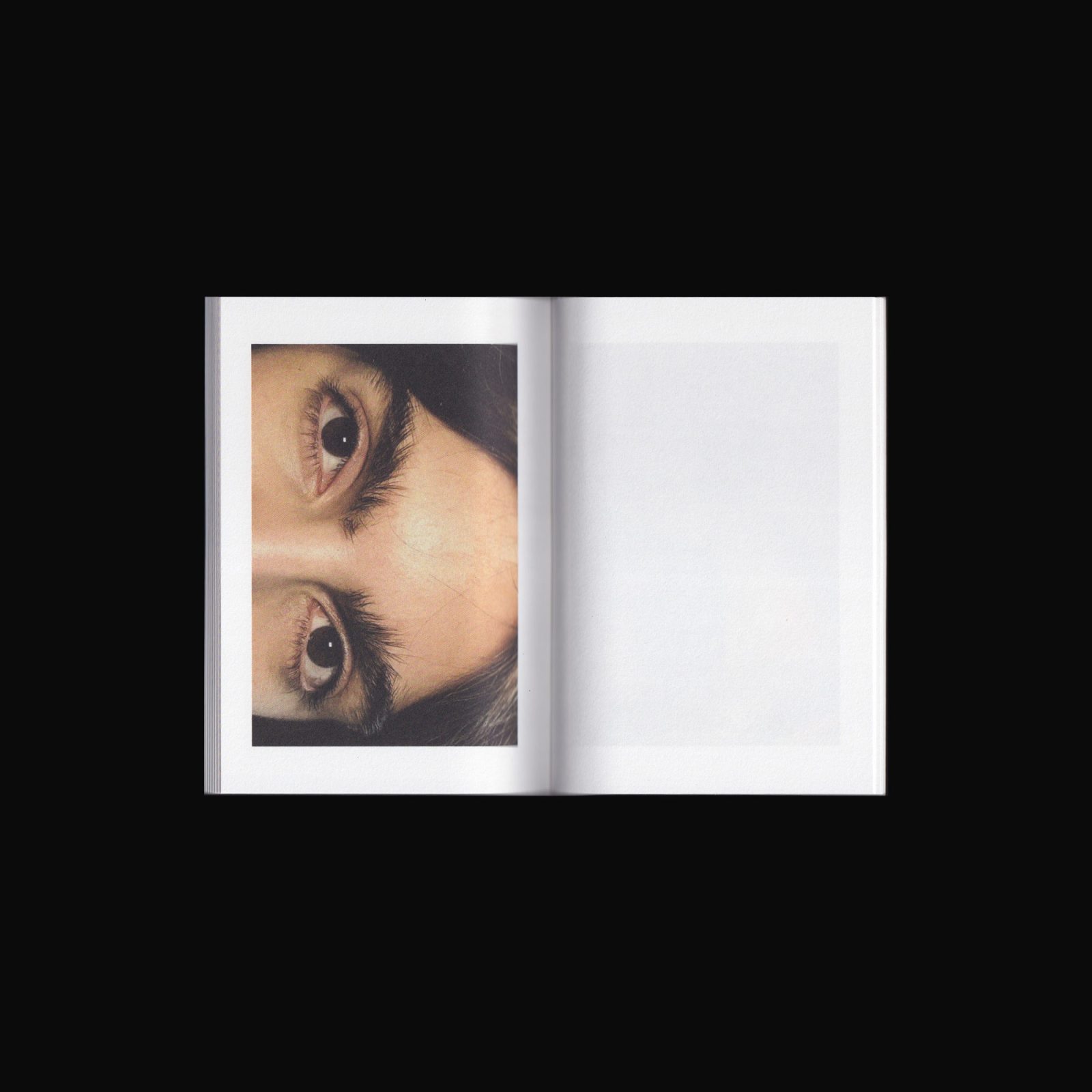
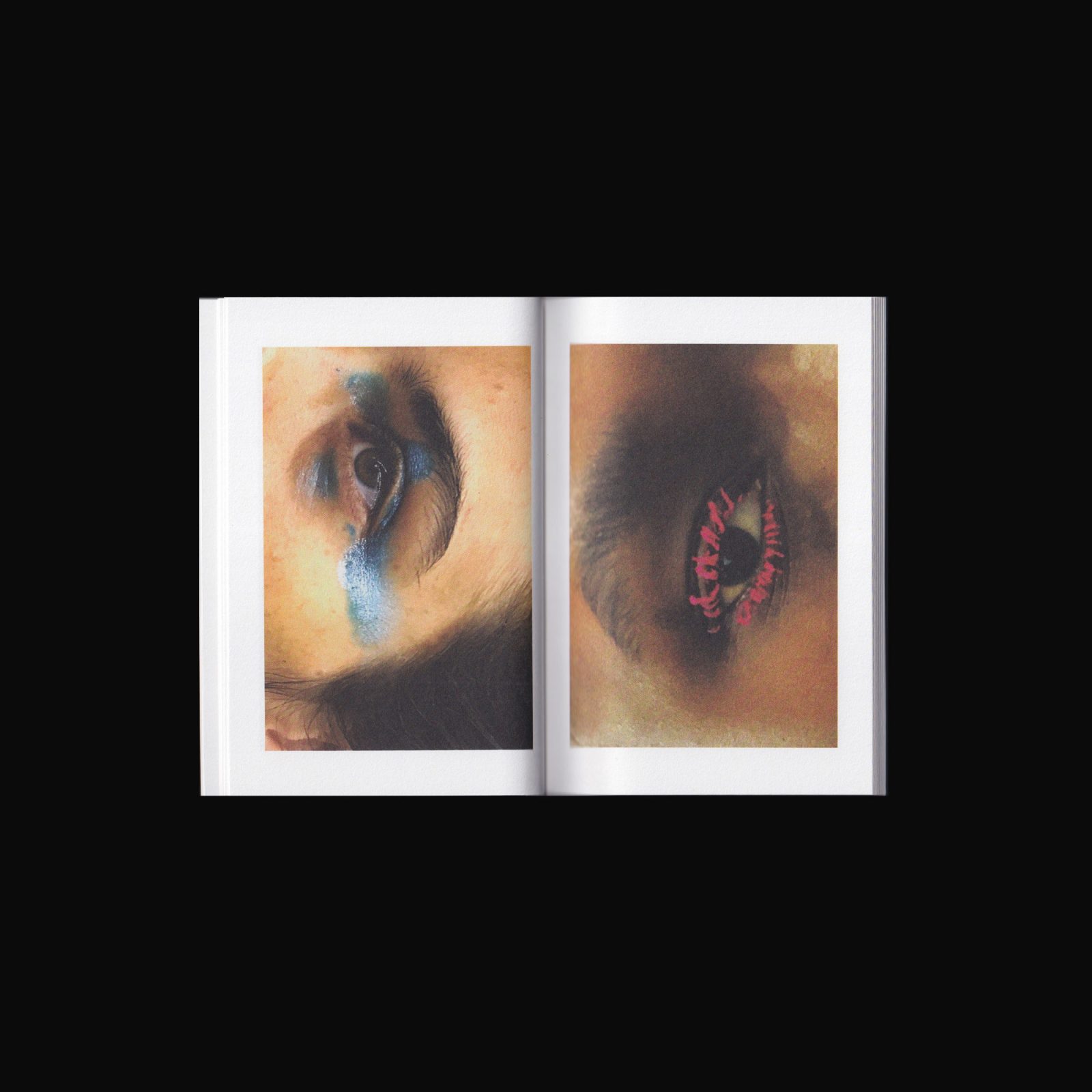
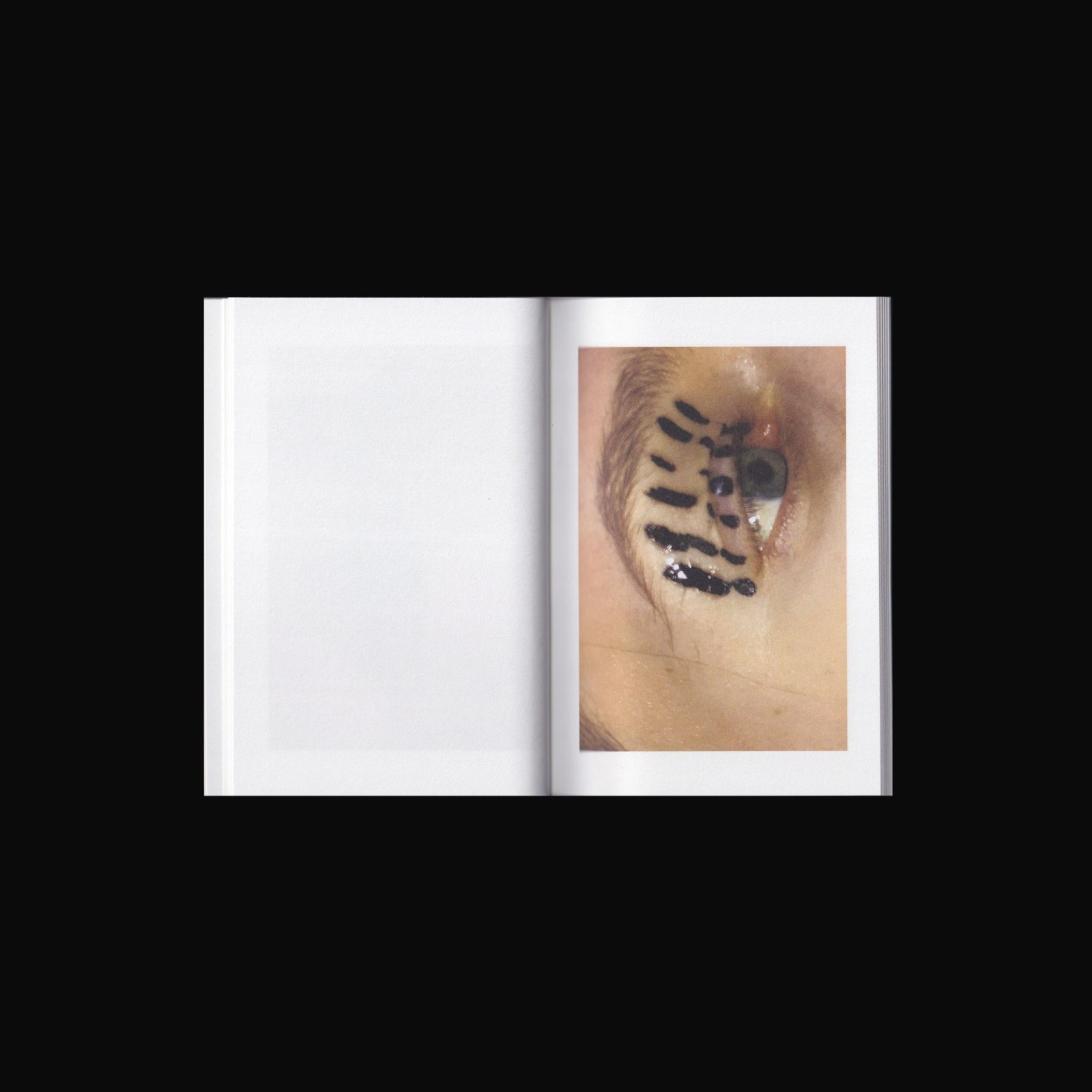
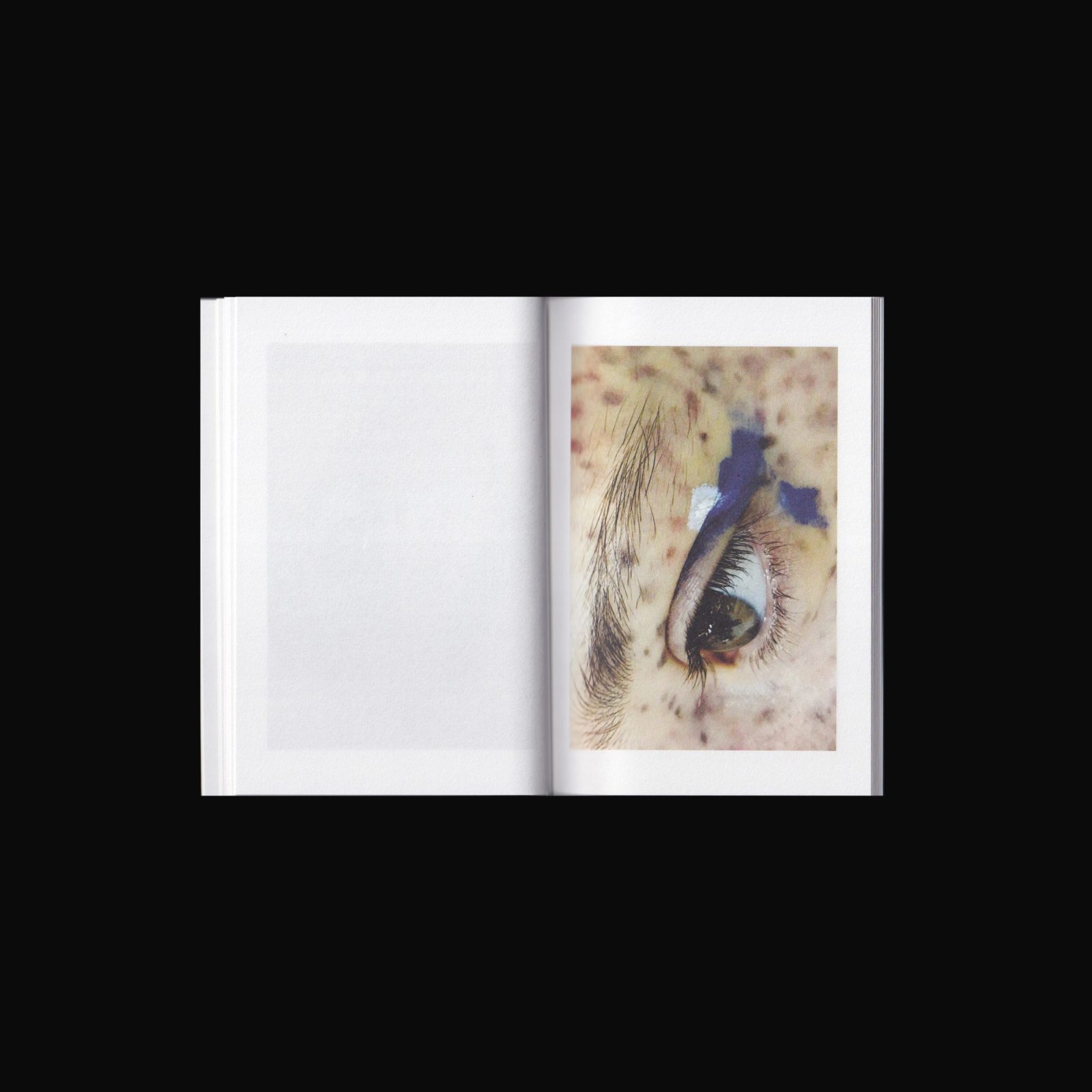
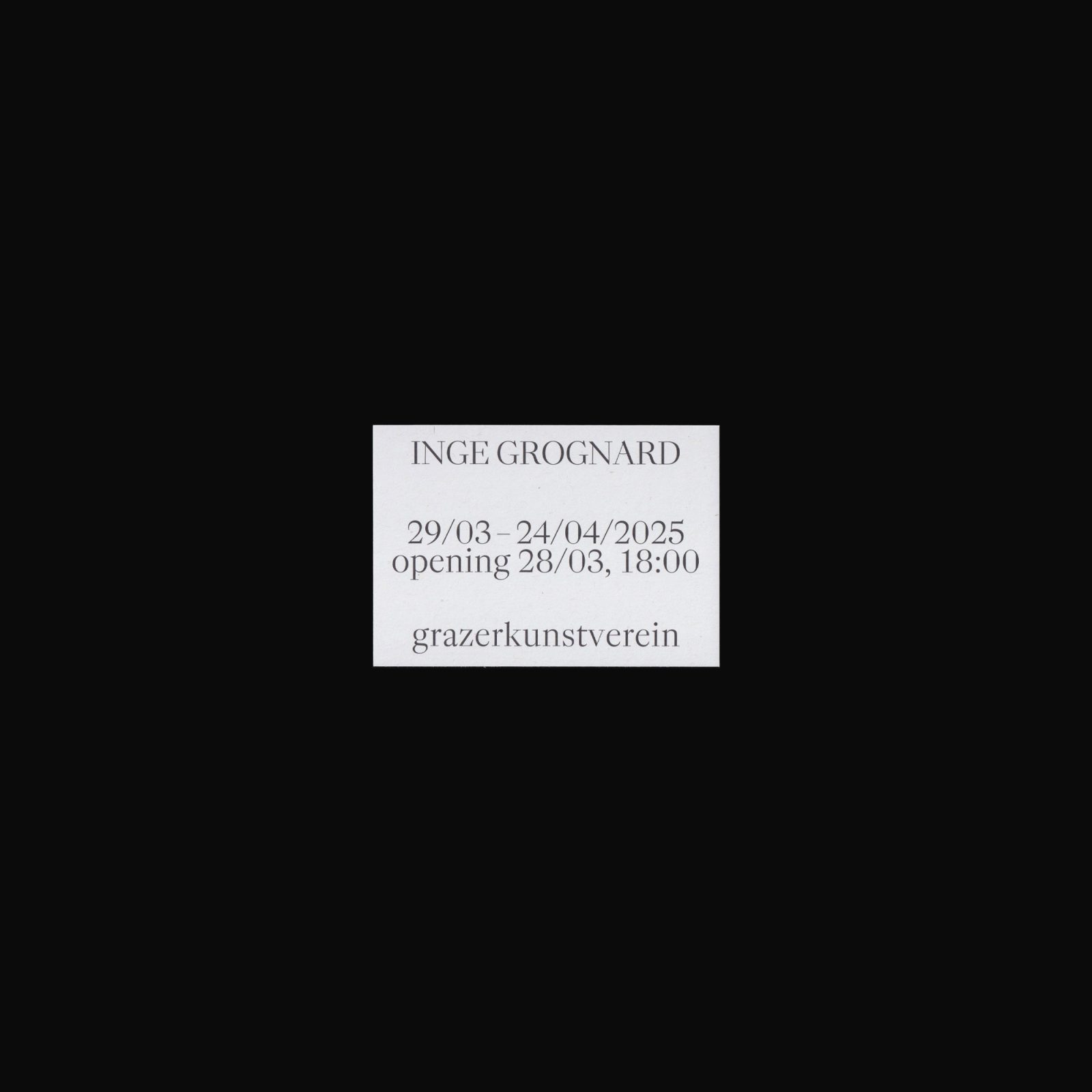
This publication accompanies Eyes, an exhibition presented in public space, featuring seven billboards across the city of Graz, each displaying compositions of eye makeup by Inge Grognard, photographed by Grognard herself backstage during the preparation of runway preparations and fashion shoots.
Inge Grognard is a pioneering Belgian makeup artist whose work has shaped avant-garde fashion for decades. As a teenager, she befriended Martin Margiela, an encounter that shaped both their creative paths, leading to a two-decade collaboration that helped define the raw, deconstructed aesthetic of Maison Martin Margiela. In the mid-1980s, Grognard became an integral force within the Antwerp Six, working closely with Dries Van Noten, Ann Demeulemeester, Walter Van Beirendonck, Dirk Bikkembergs, Dirk Van Saene, and Marina Yee.
Designed by Julie Peeters.

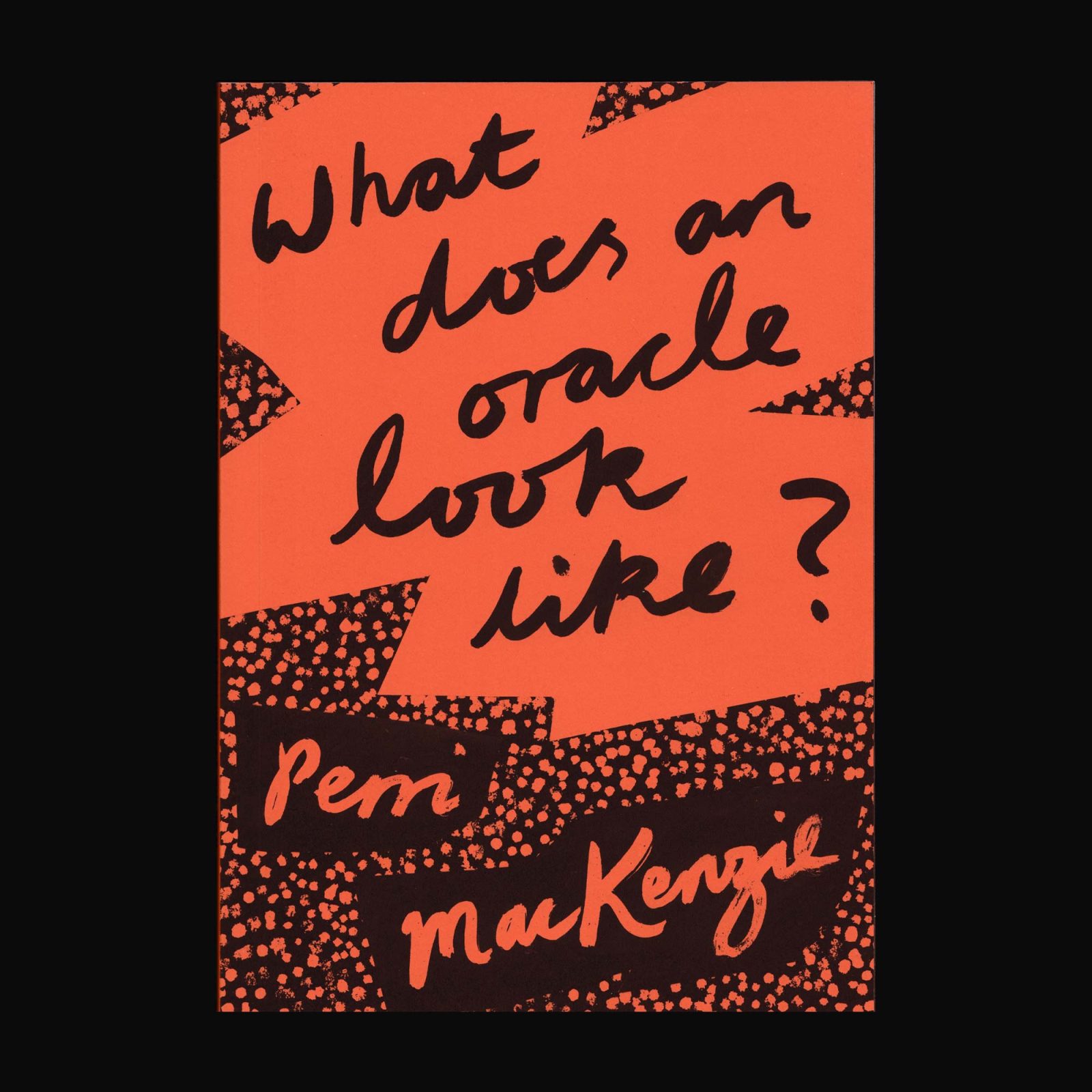
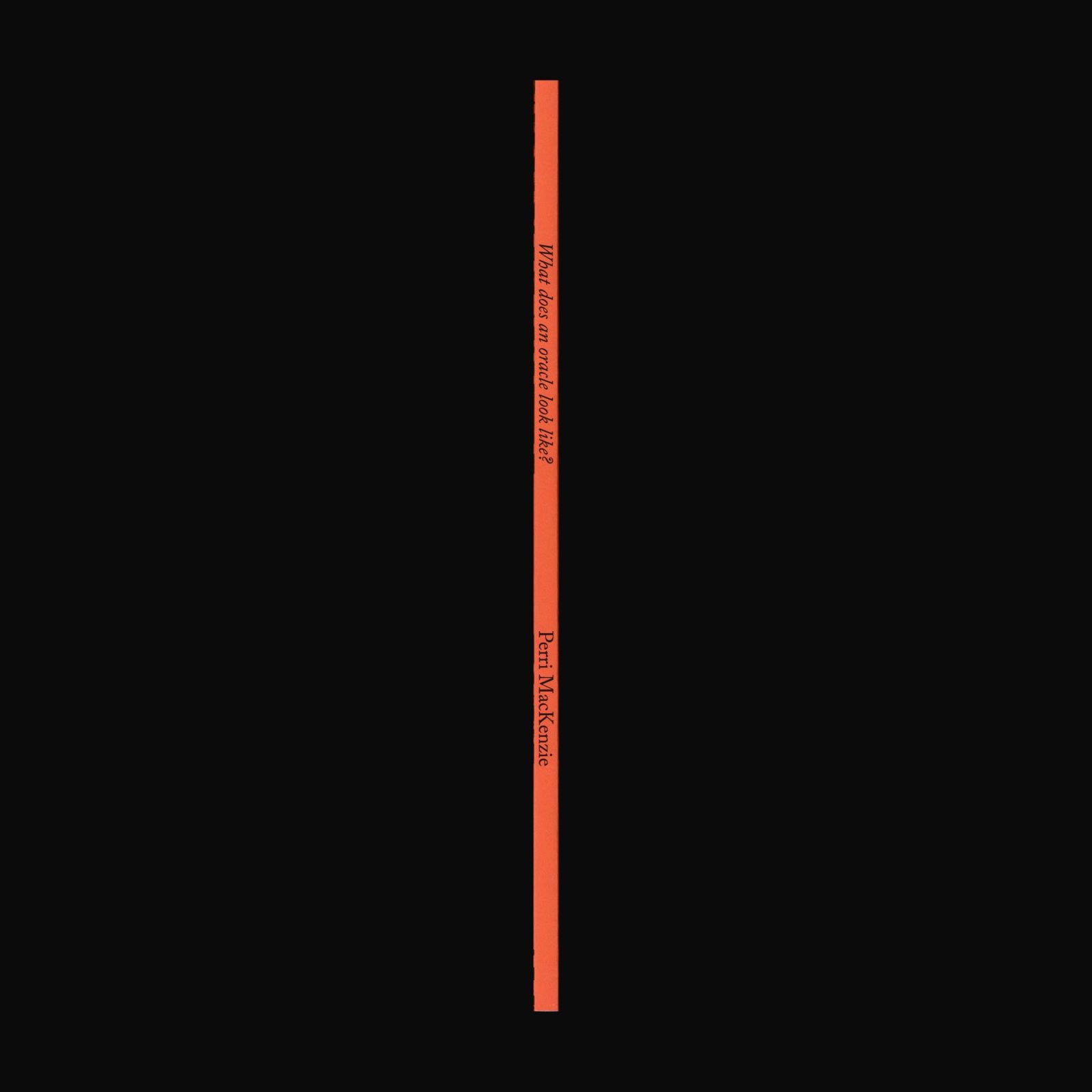
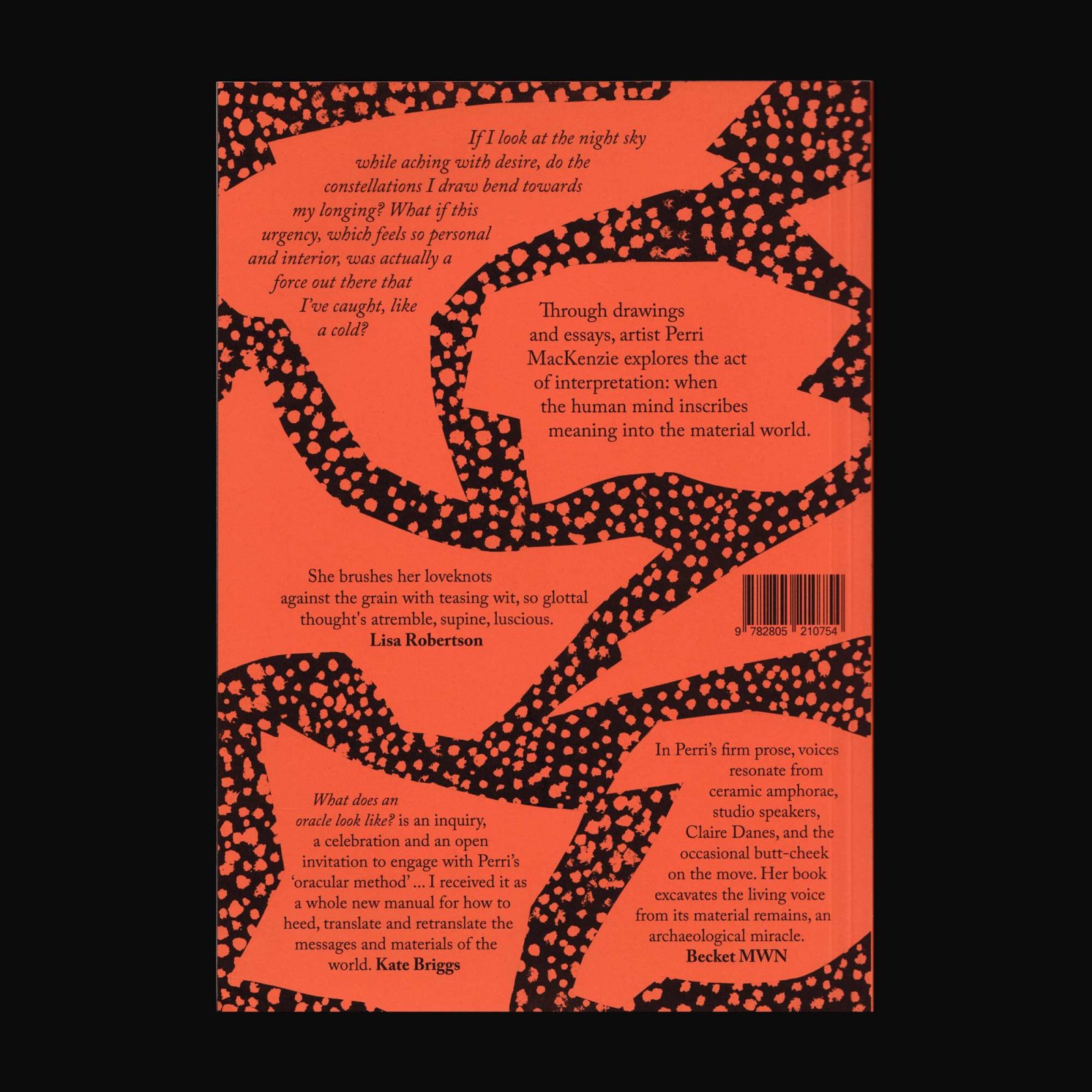
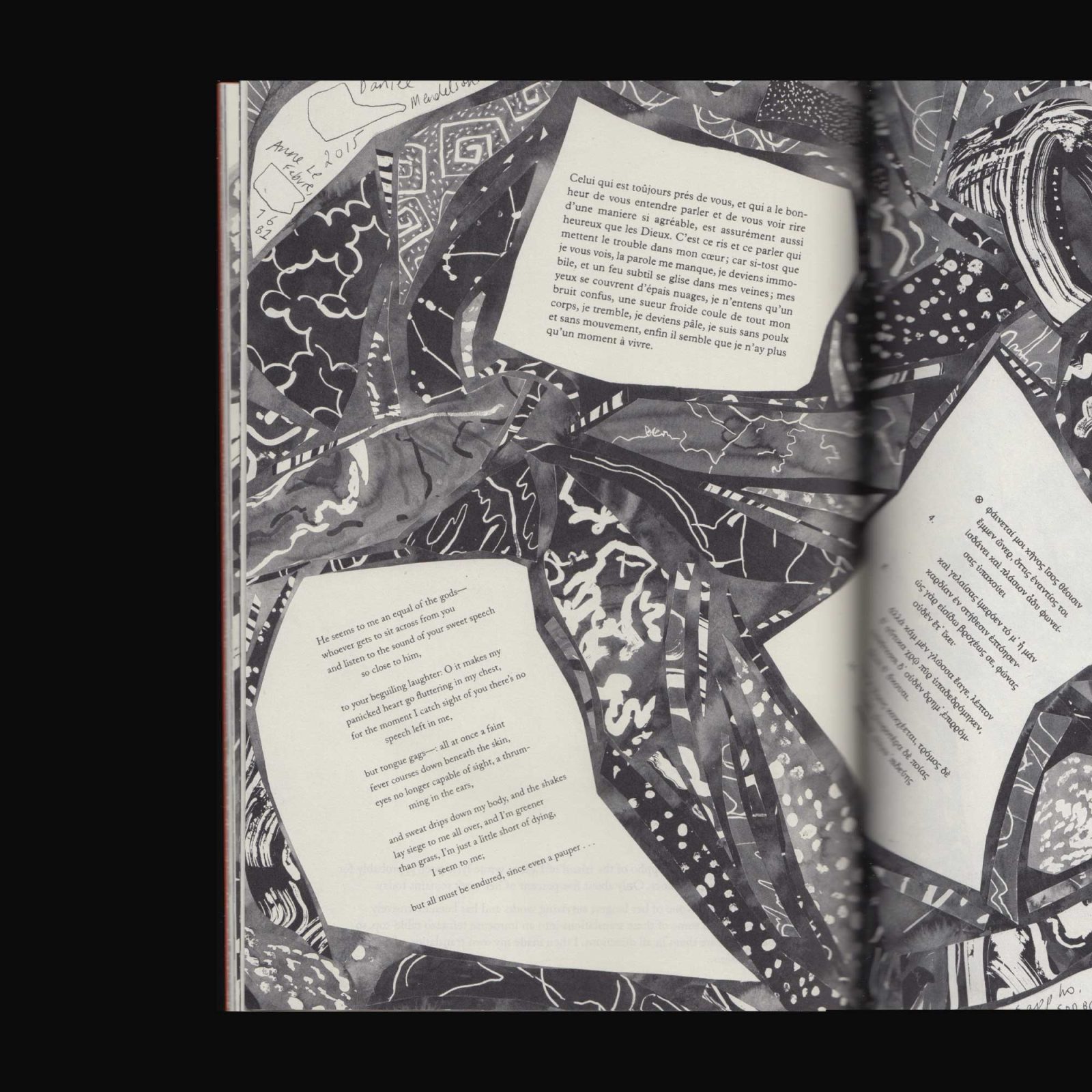
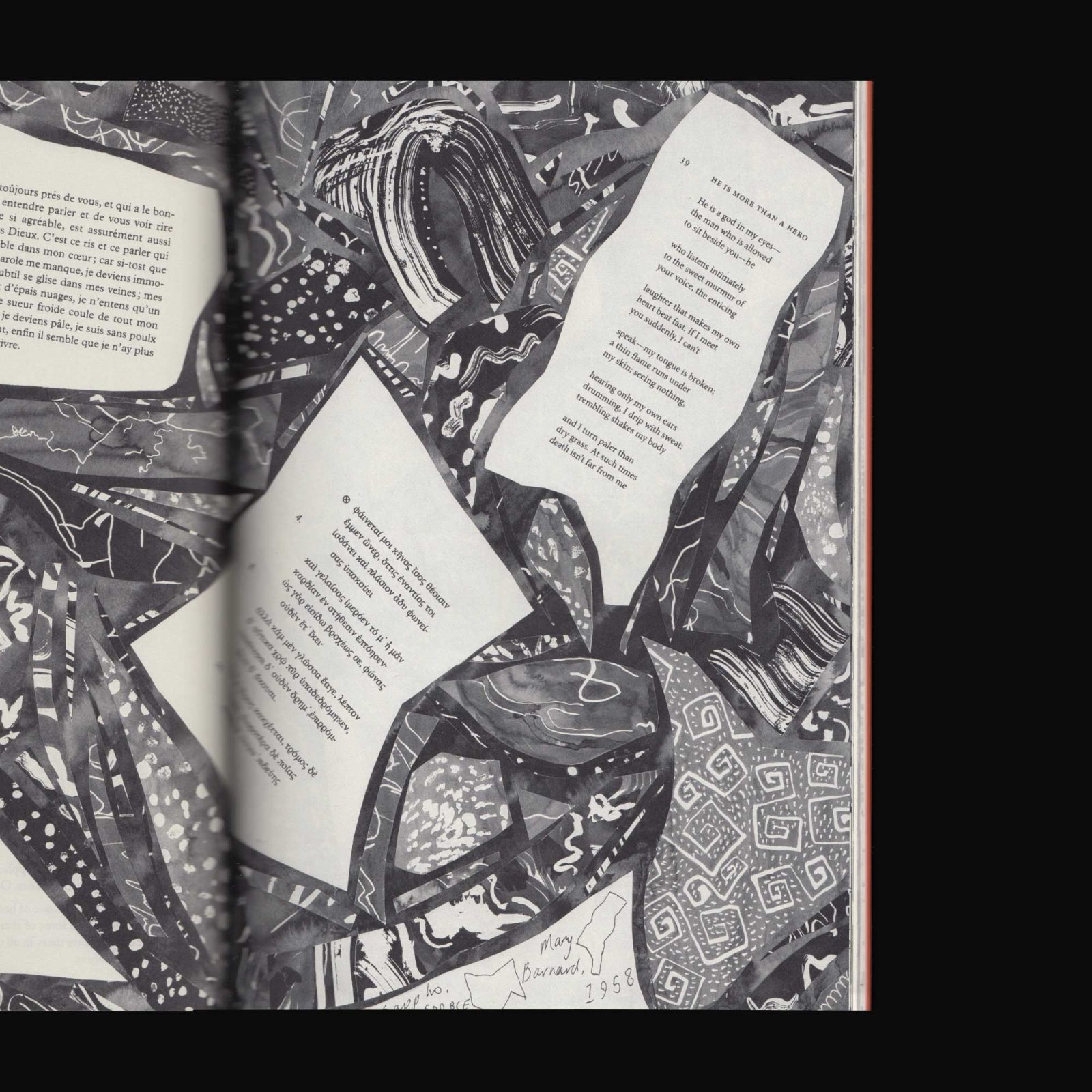
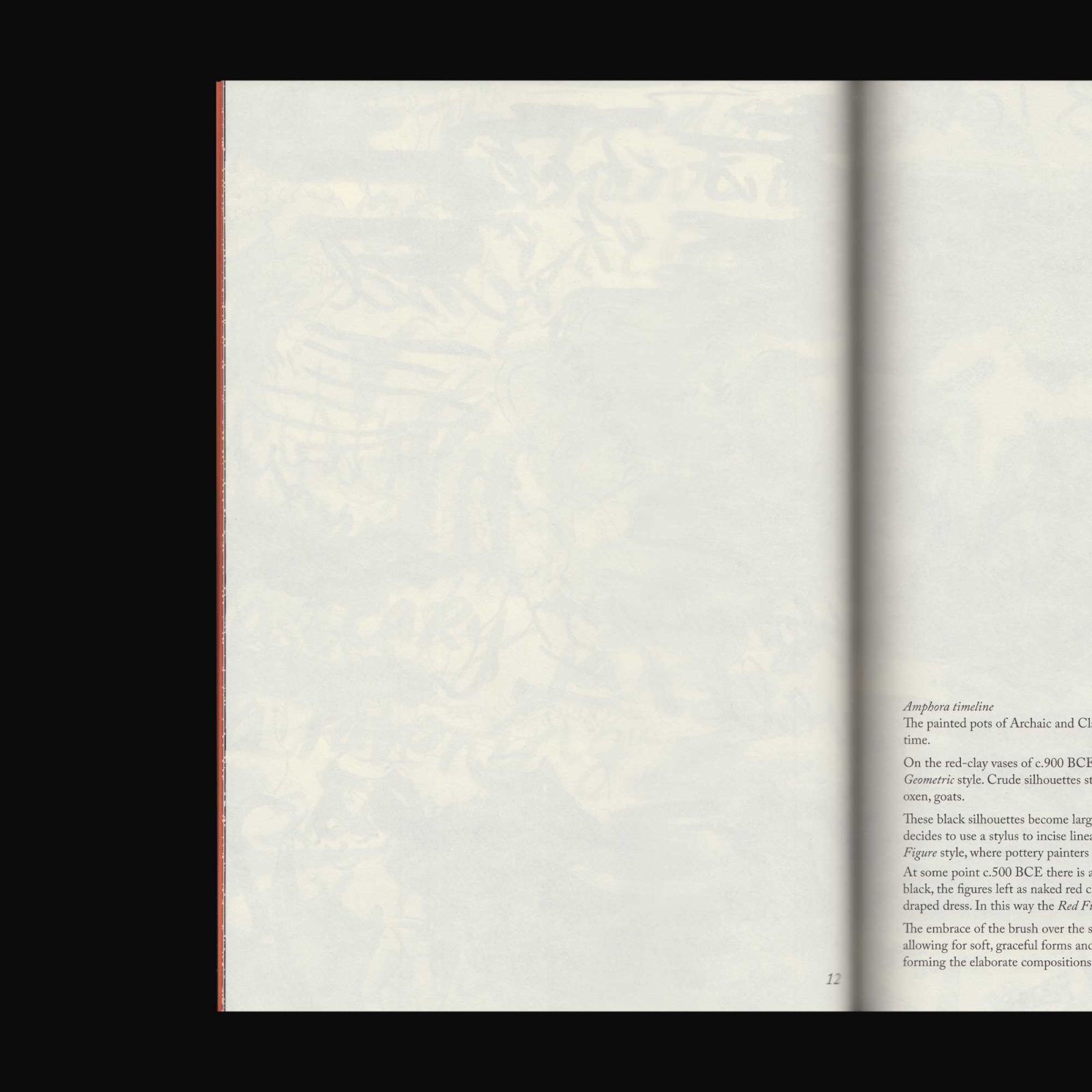
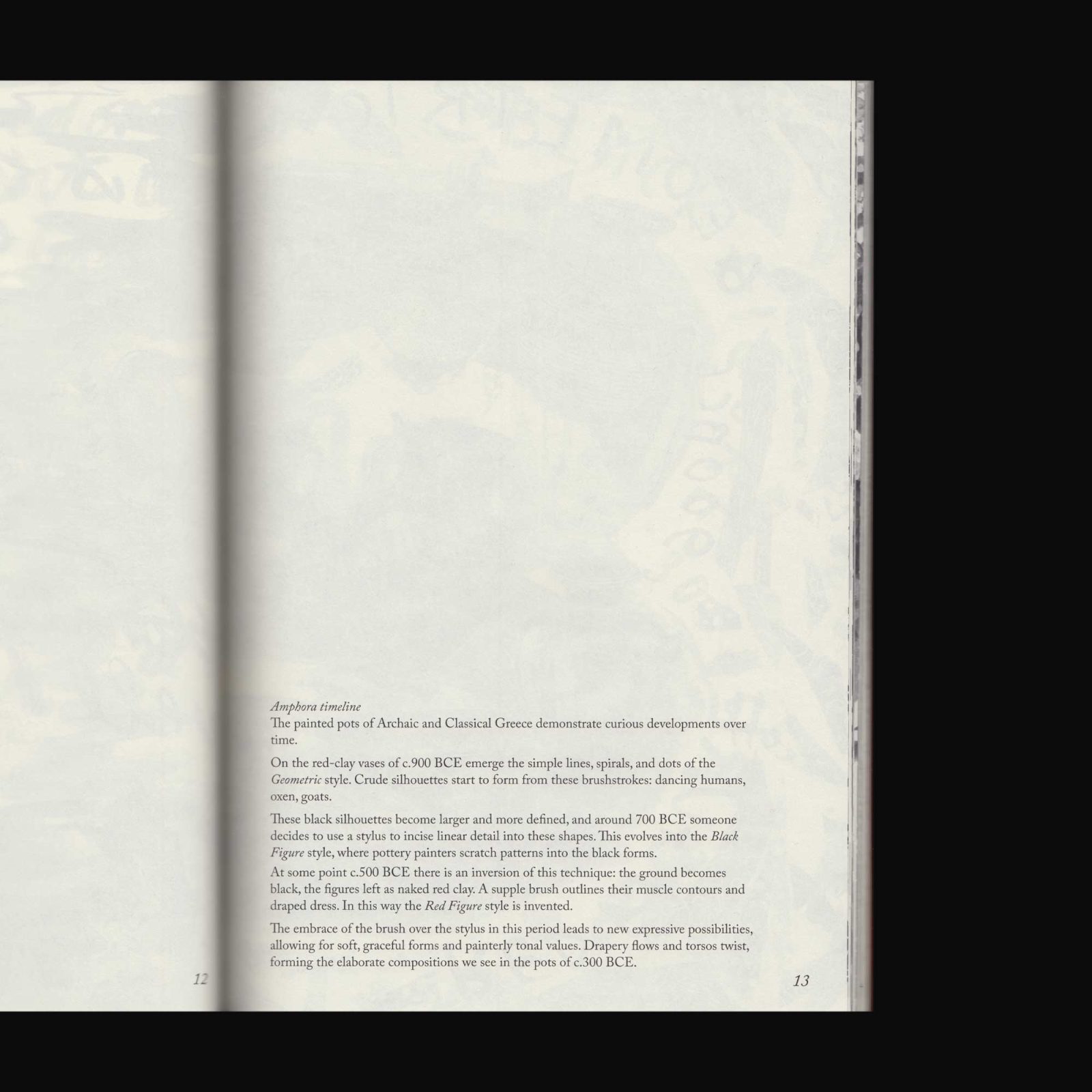
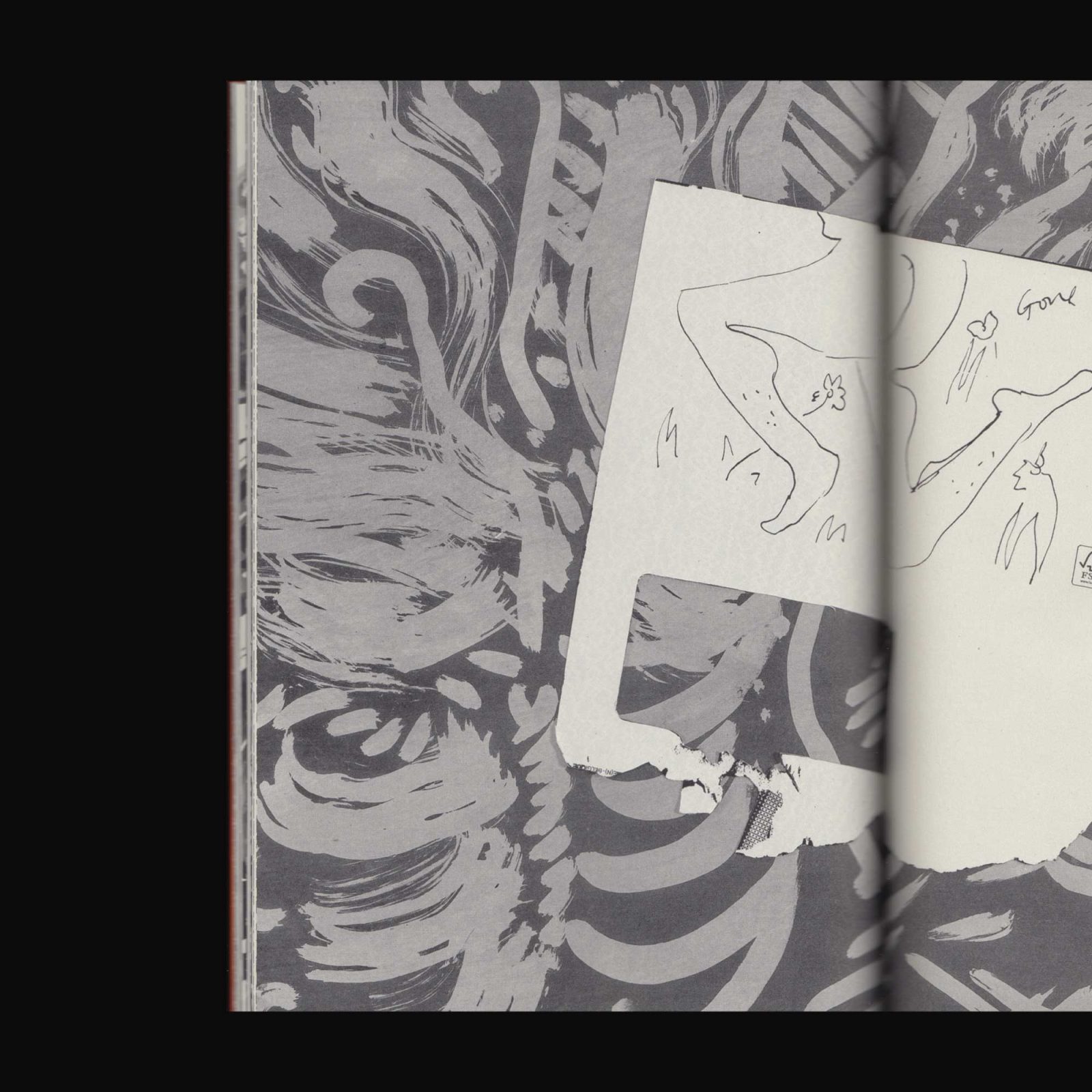
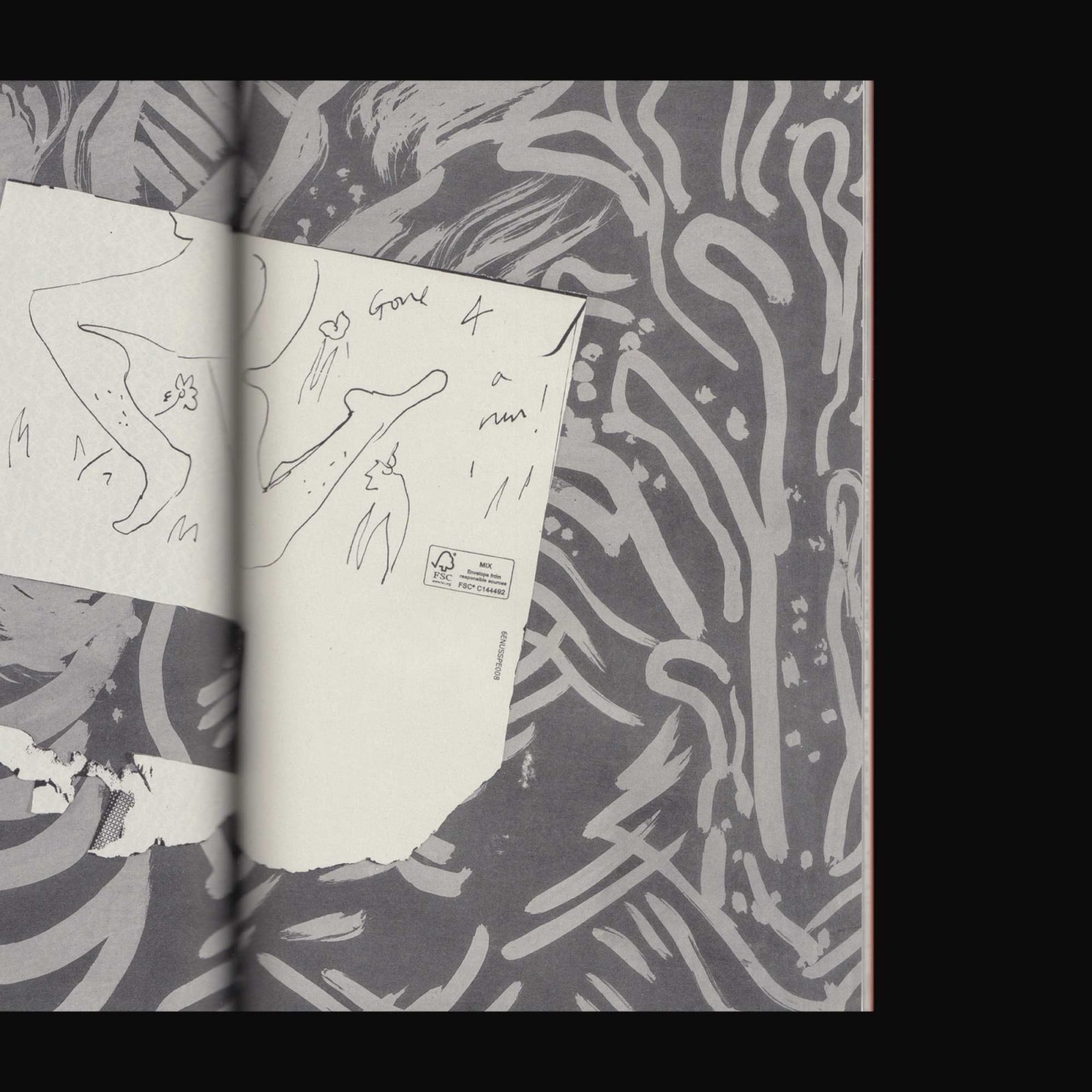
What does an oracle look like? gathers essays and drawings made by Perri MacKenzie between 2020 and 2024, themed loosely around pottery painting and vocal expression. The drawings, rendered in splashy India ink and collage, range from expressive sketches to theatrical still lives and experimental bandes dessinées. The book presents for the first time the essay Cathedral. Part memoir, part literary/sonic investigation, it meditates on the vocal texture of a Hollywood actor.
Designed by Ilke Gers.
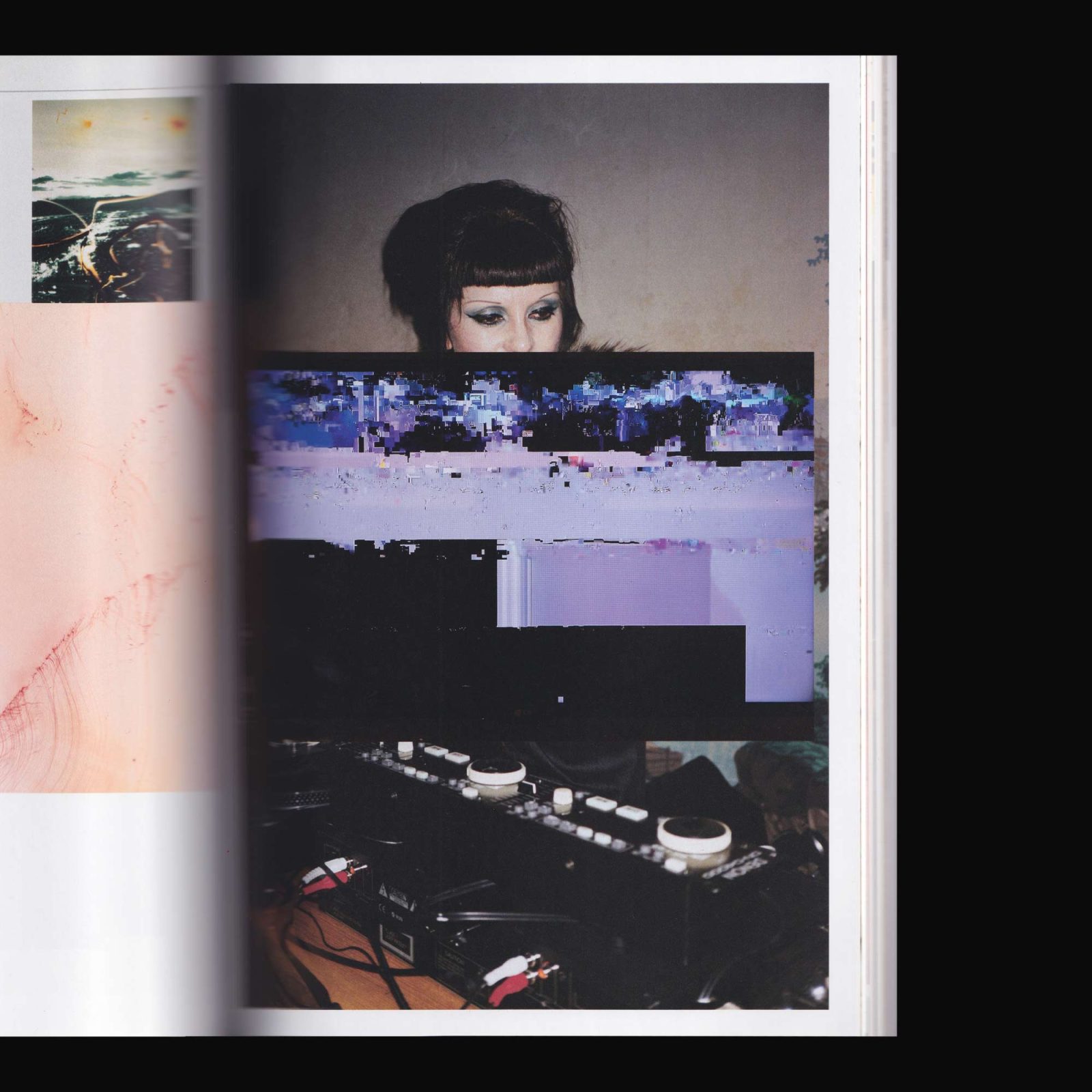


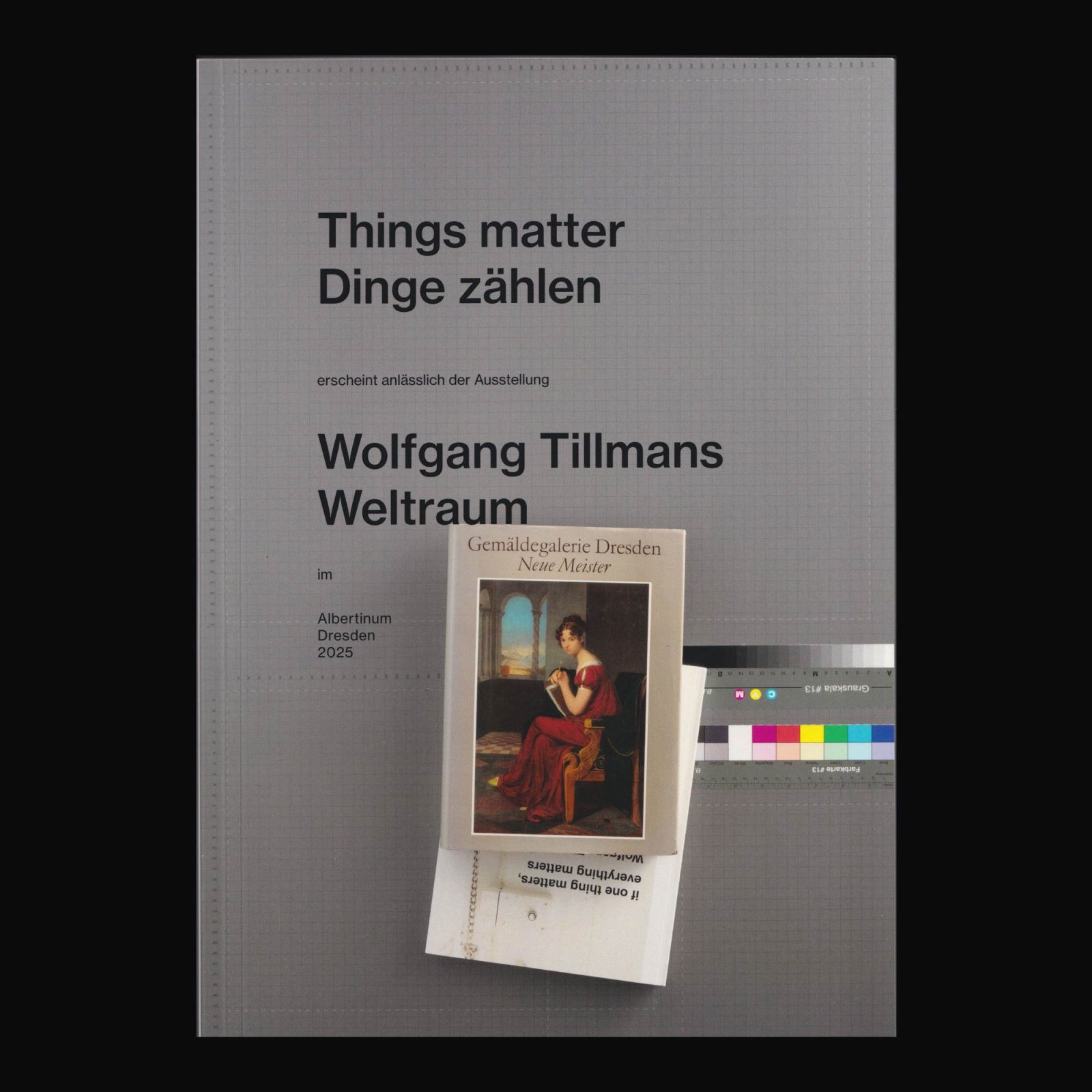
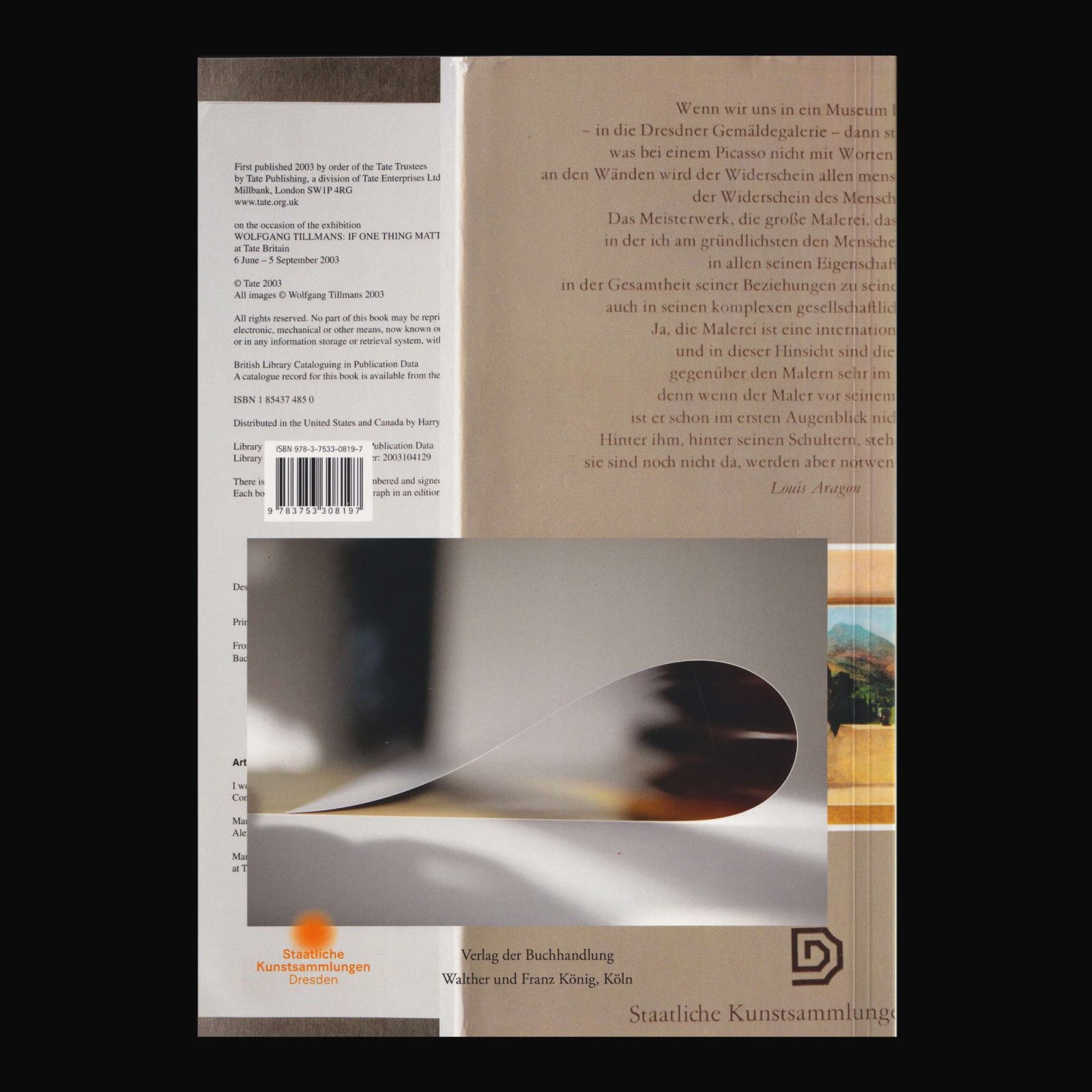
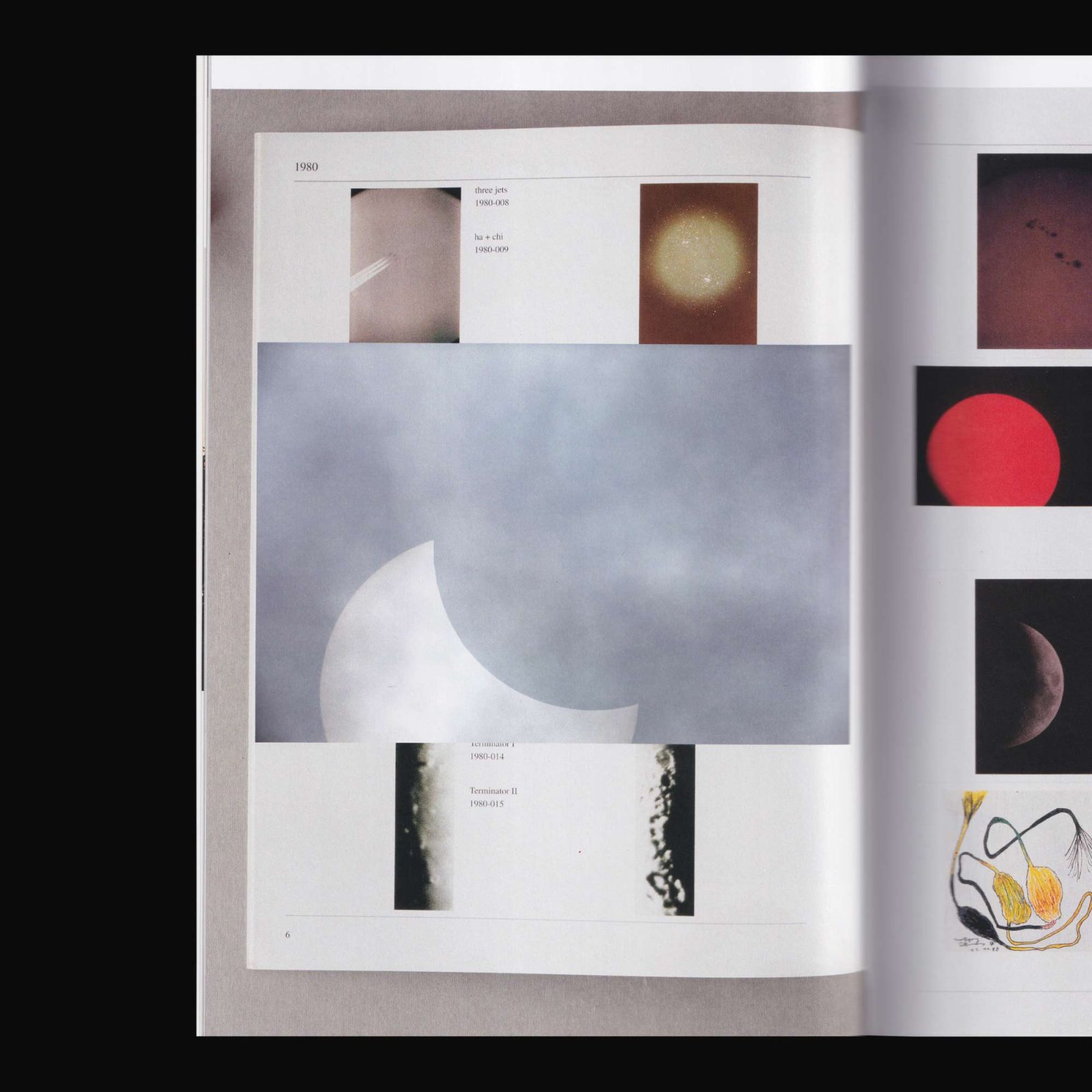
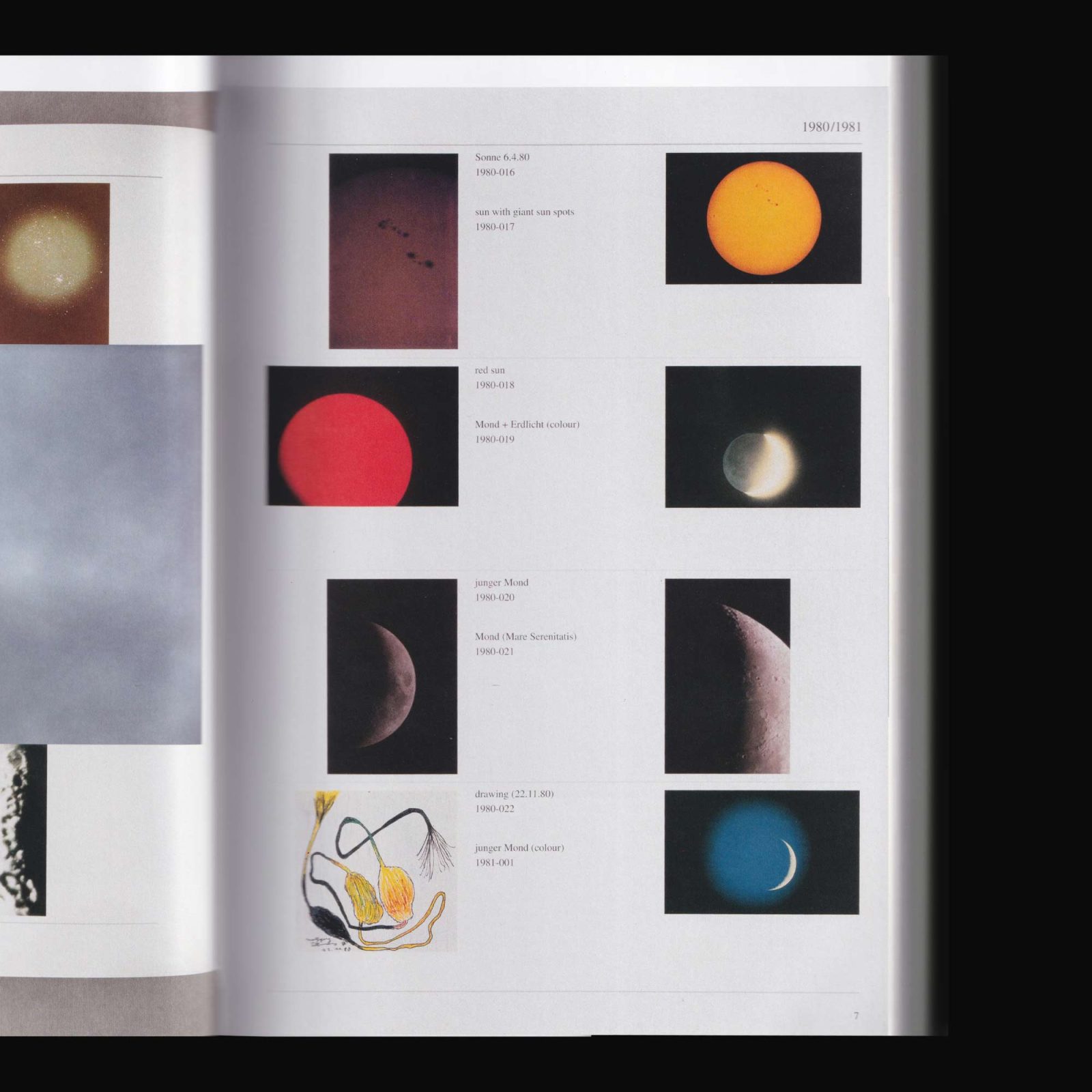
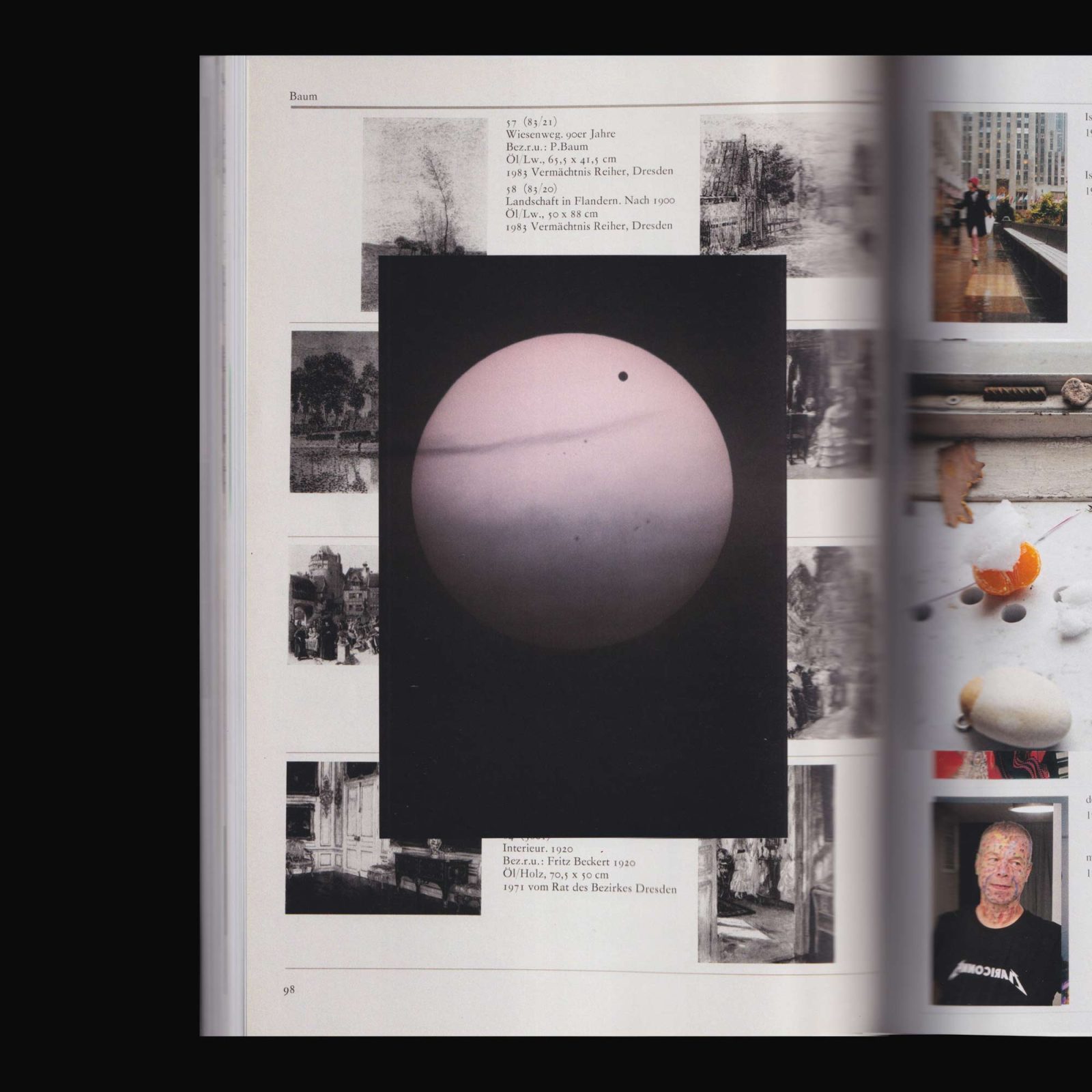
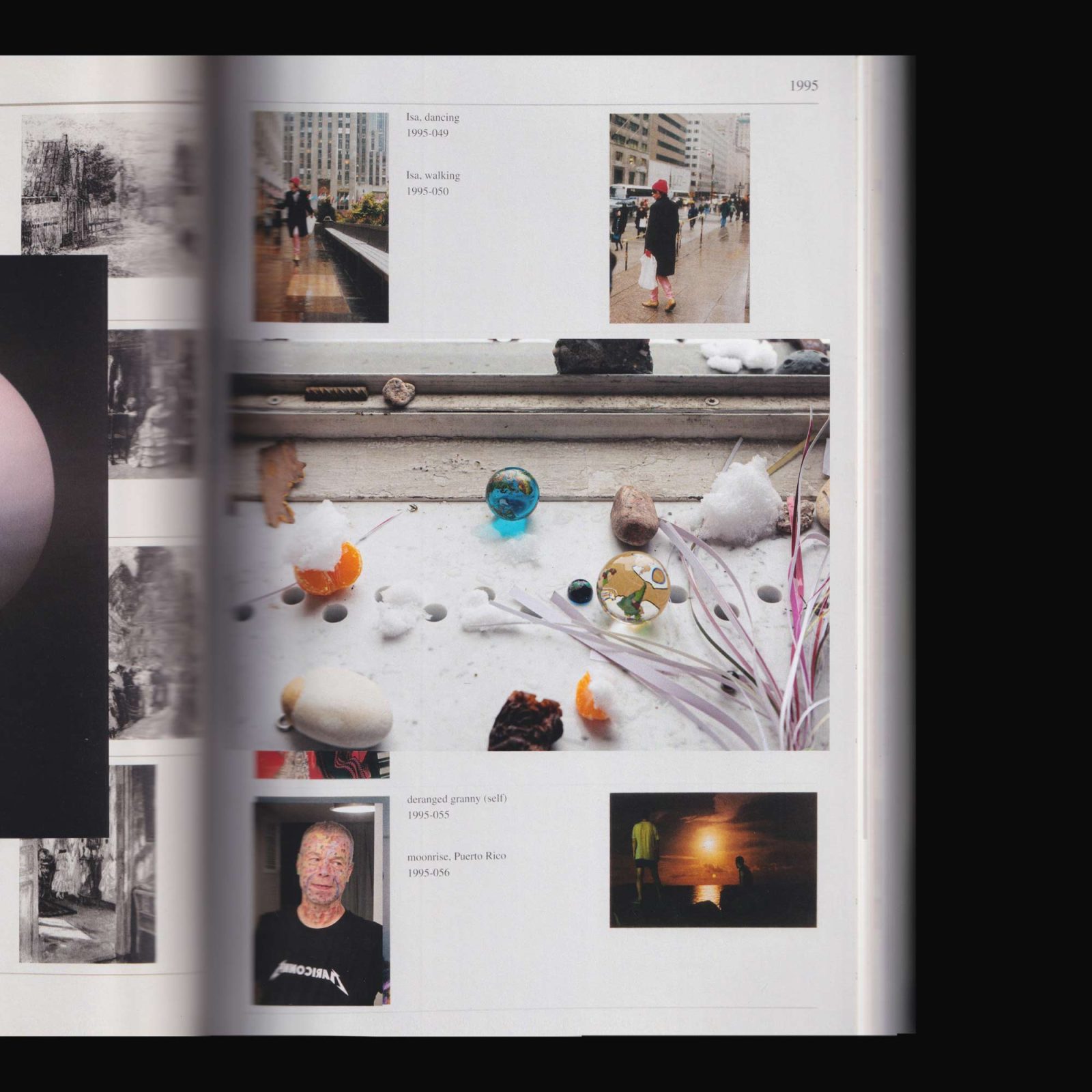
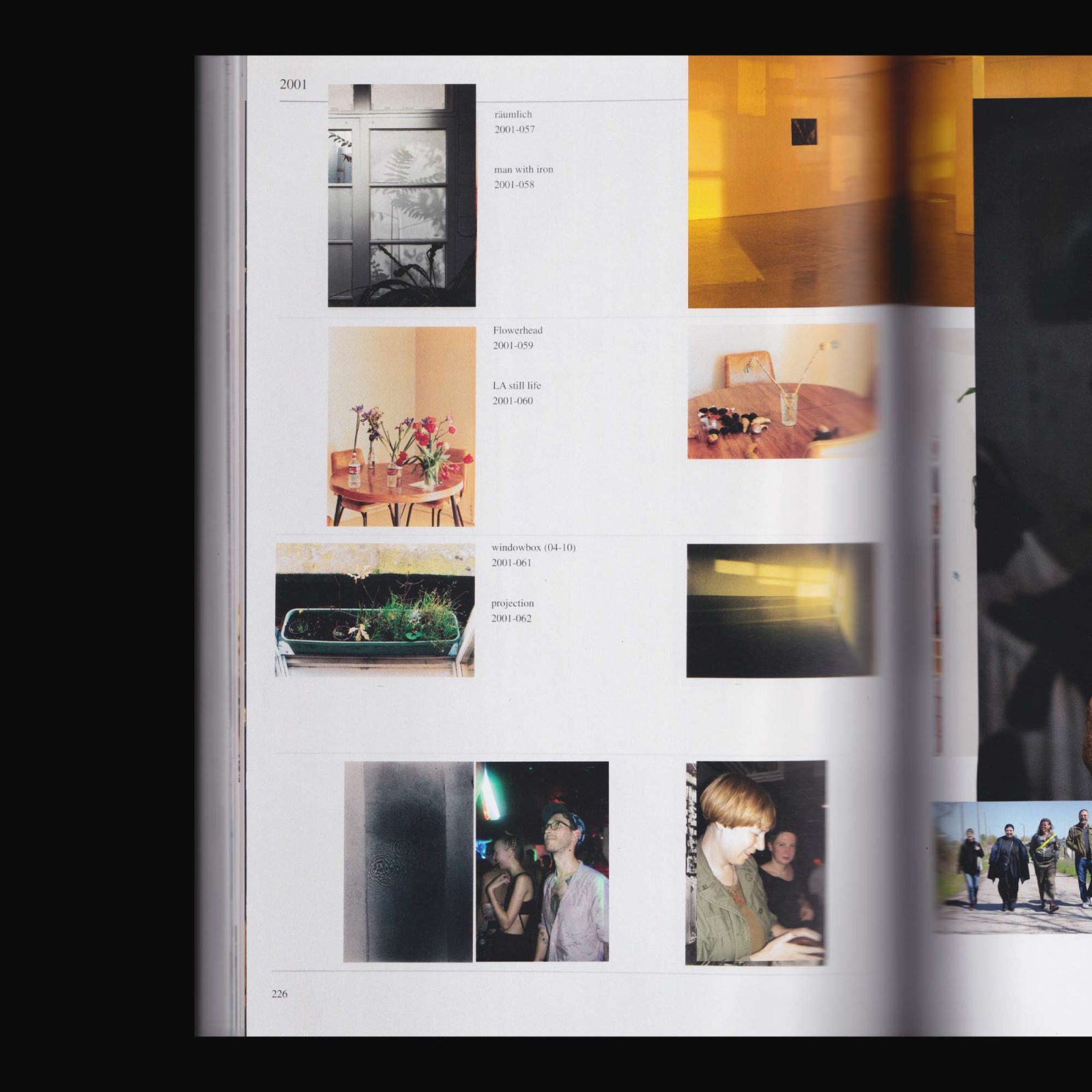
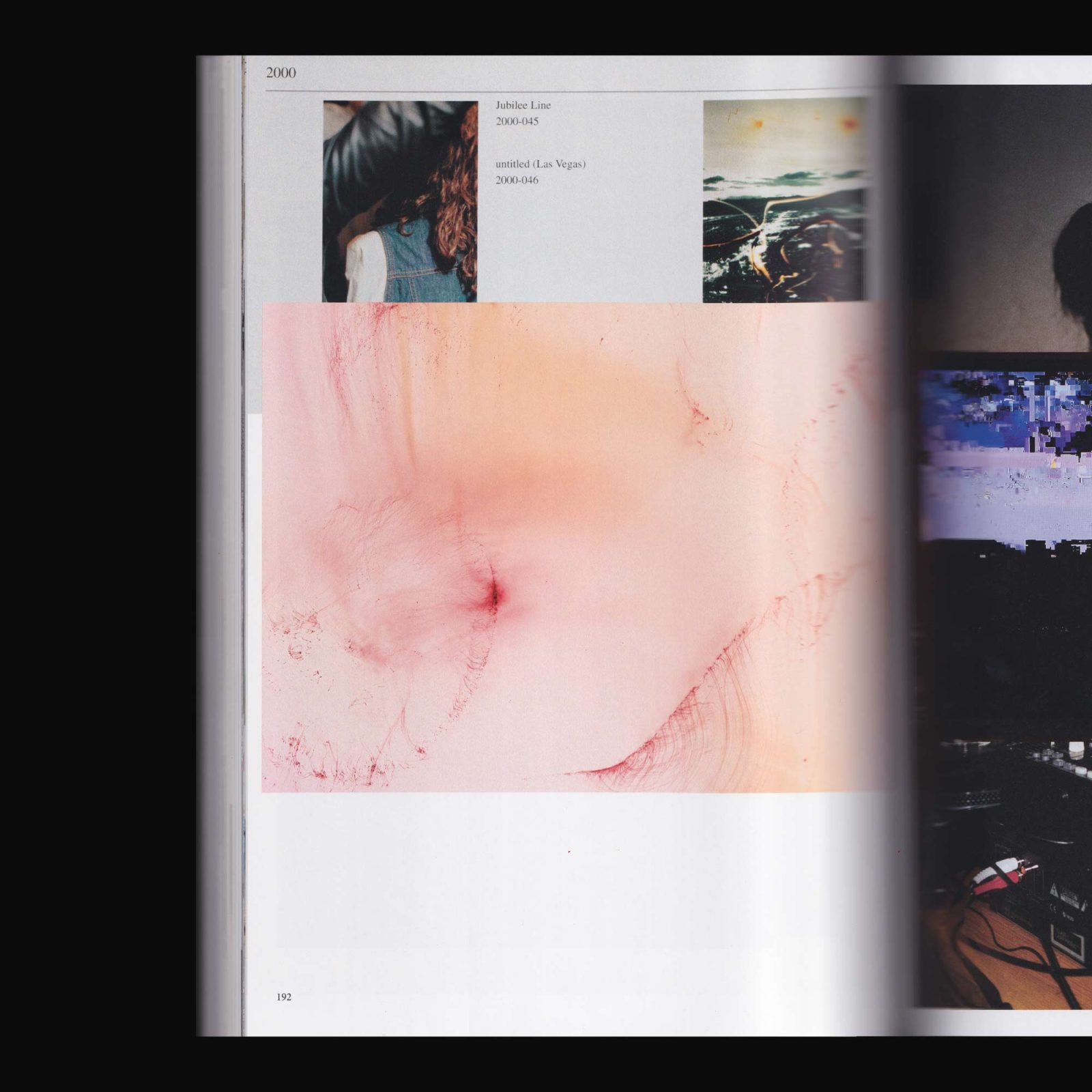
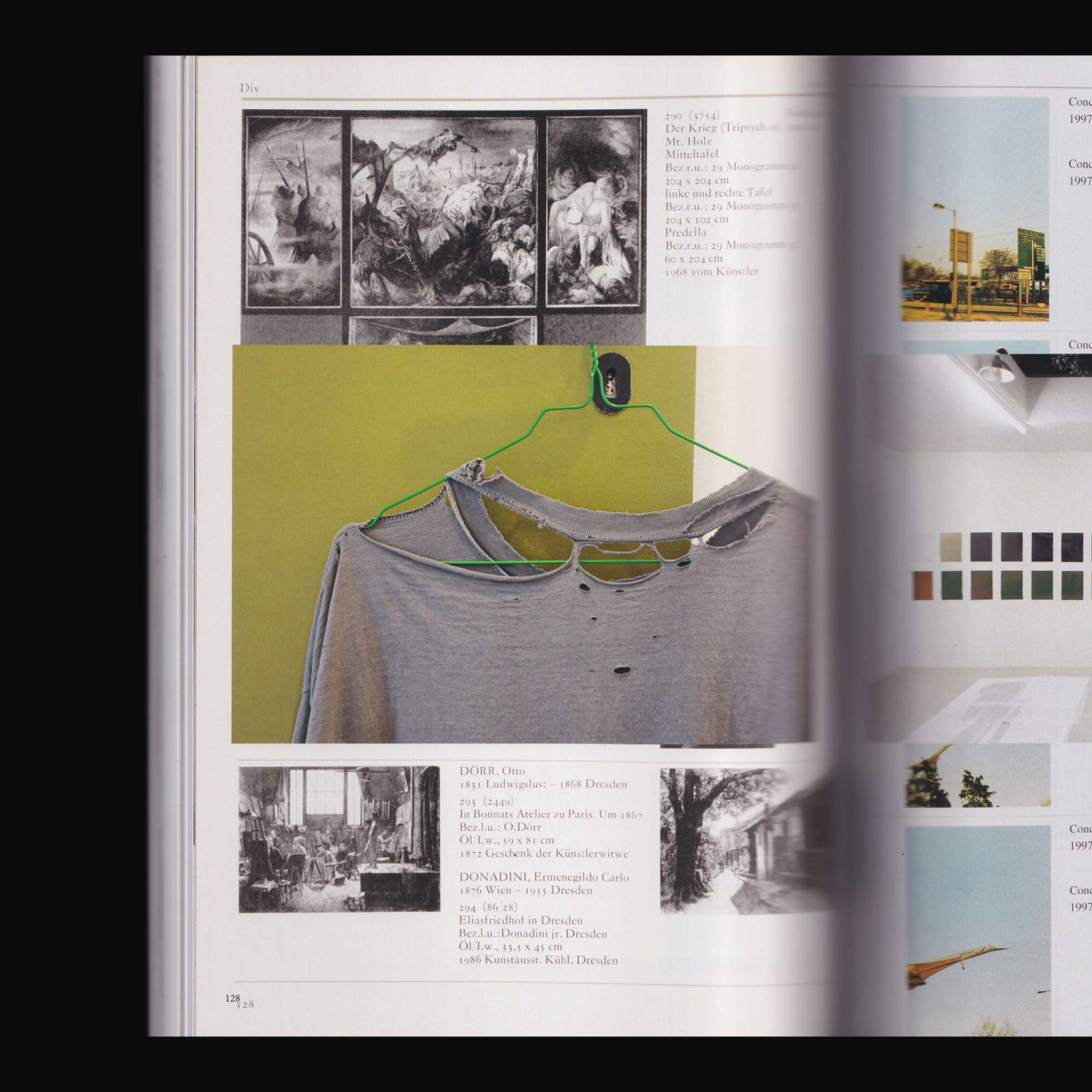
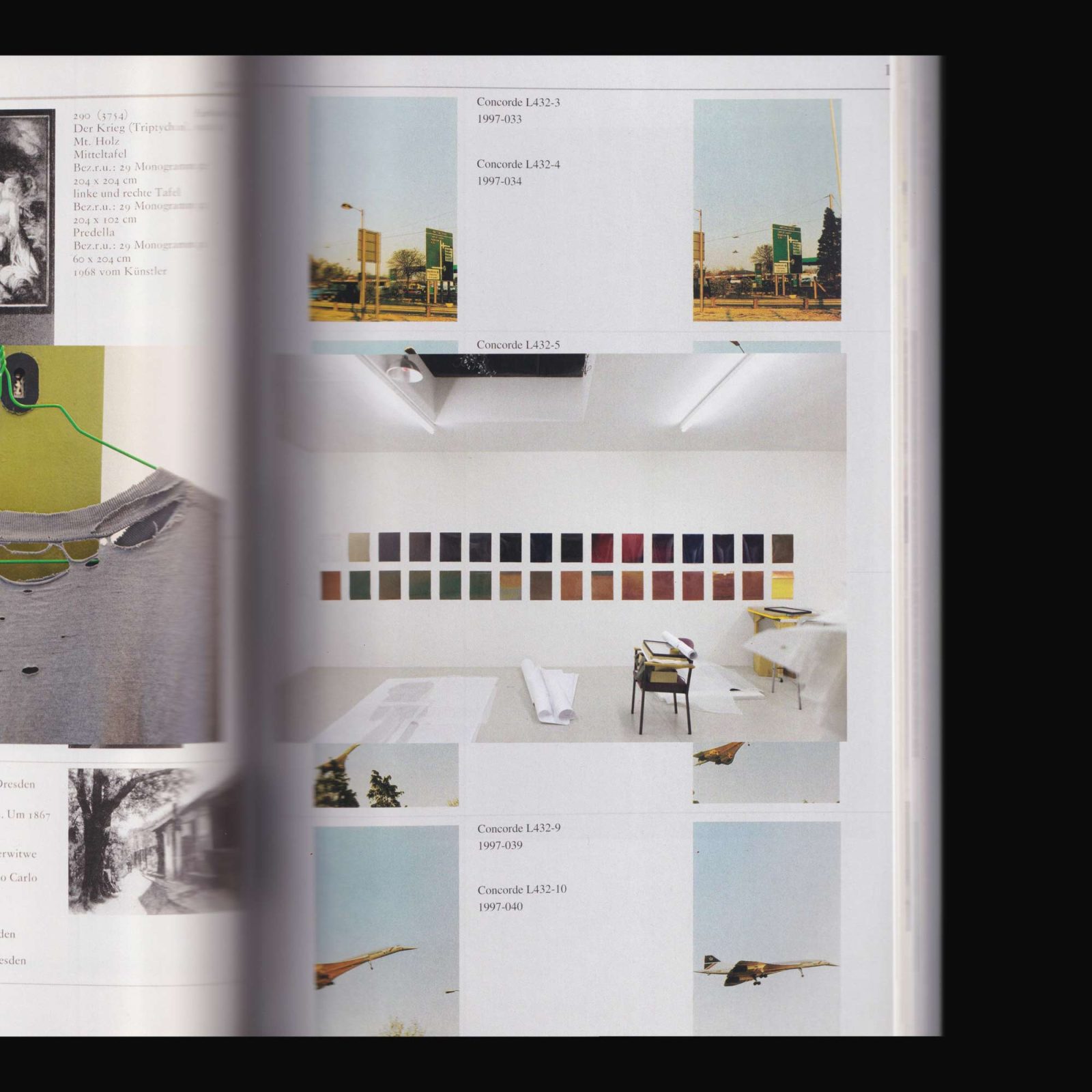
“Things matter, Dinge zählen is published on the occasion of my exhibition Weltraum at Albertinum museum in Dresden. In 1998 when I first visited Dresden I bought a collection catalog of the Neue Meister in Gemäldegalerie Dresden for five marks in the bargain bin outside the museum bookshop. I was fascinated by it and the grid structured, black and white display of paintings in alphabetical order. It inspired me in 2003 to design my catalogue for the Tate Britain exhibition in exactly the same but chronological style. If one thing matters, everything matters is now 22 years old and I happen to now have a solo exhibition in the same Neue Meister museum which is now called Albertinum. So for the catalogue of this show I fused and rephotographed the books from 1987 and 2003 and placed new works from the 2025 on top of the pages.” Wolfgang Tillmans, Instagram
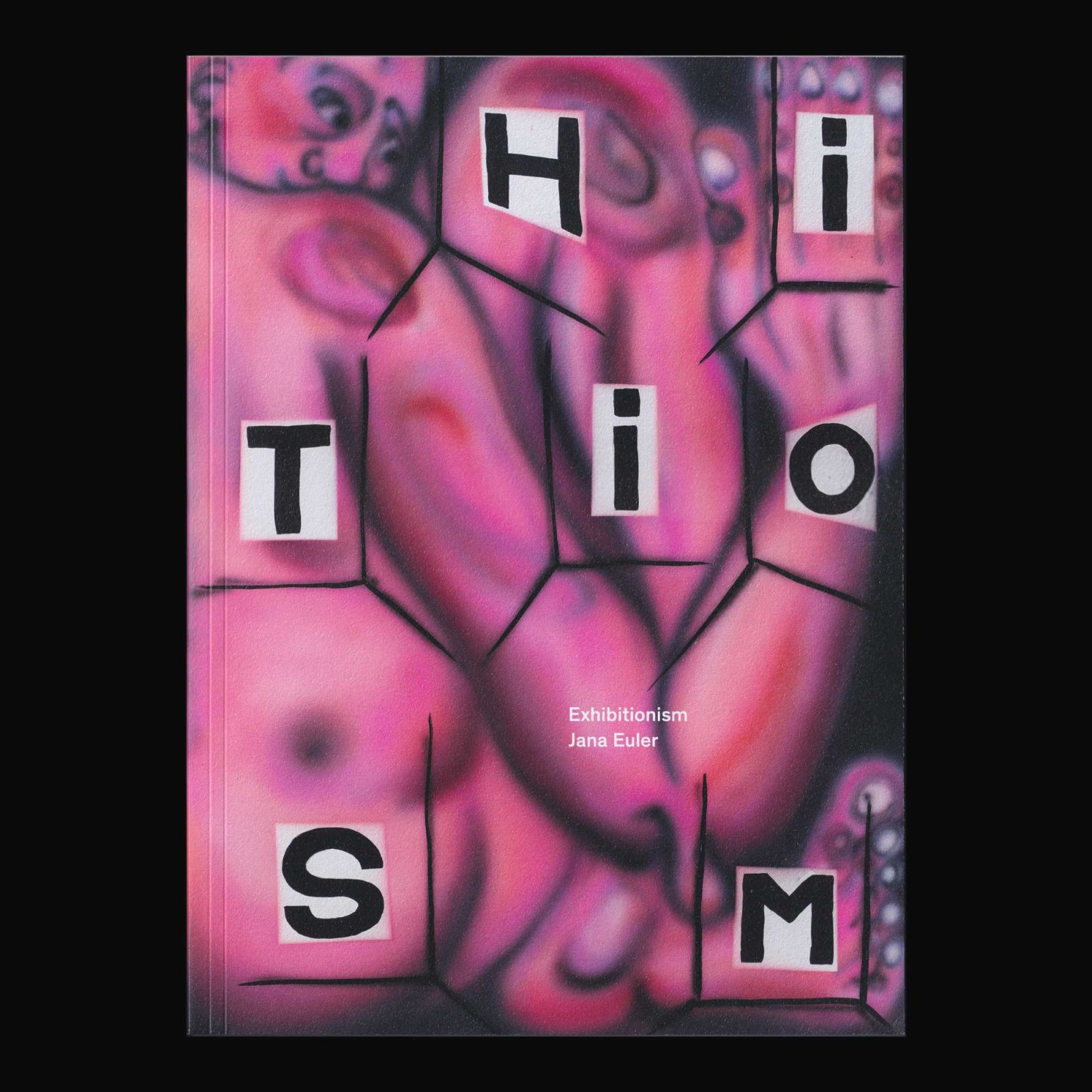


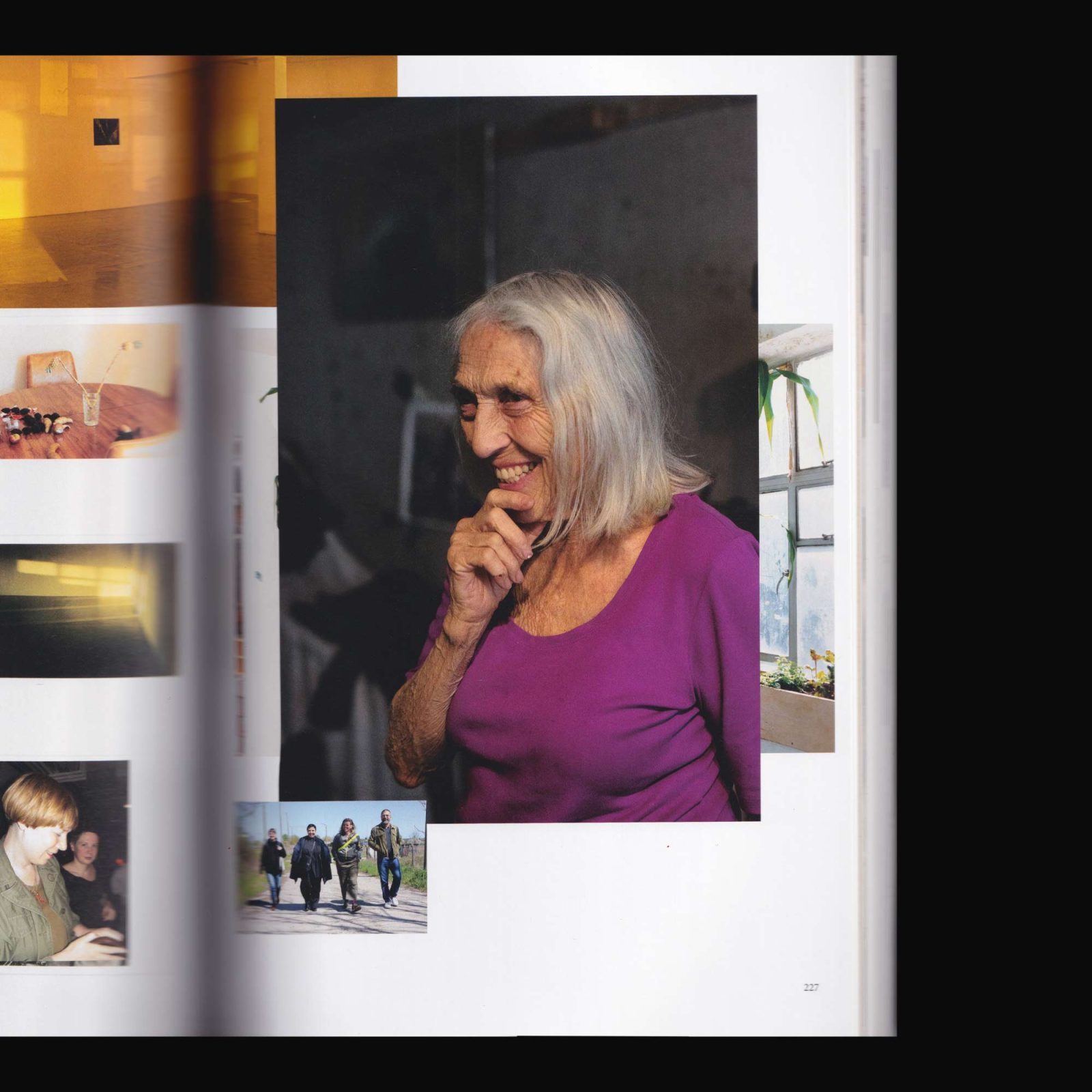
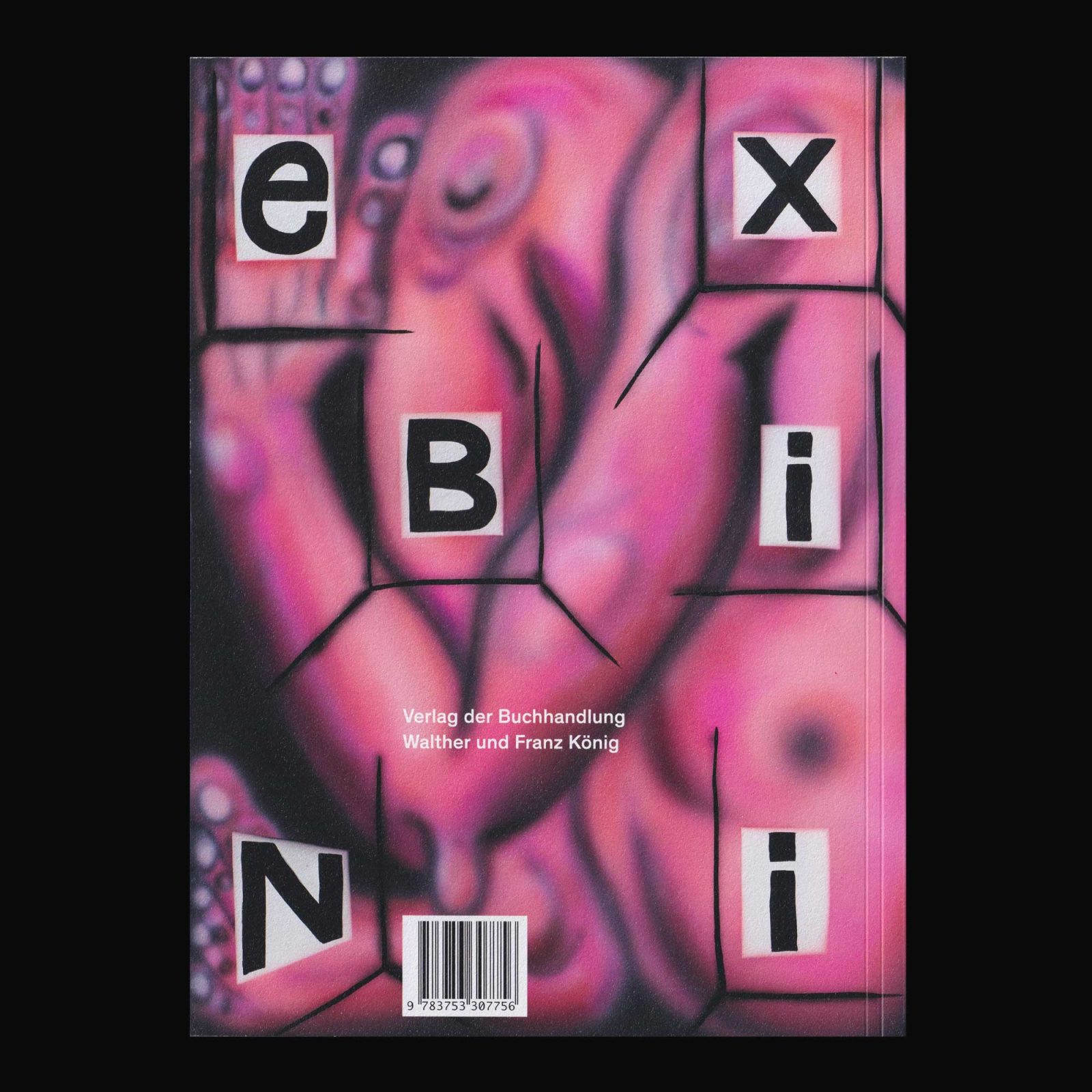
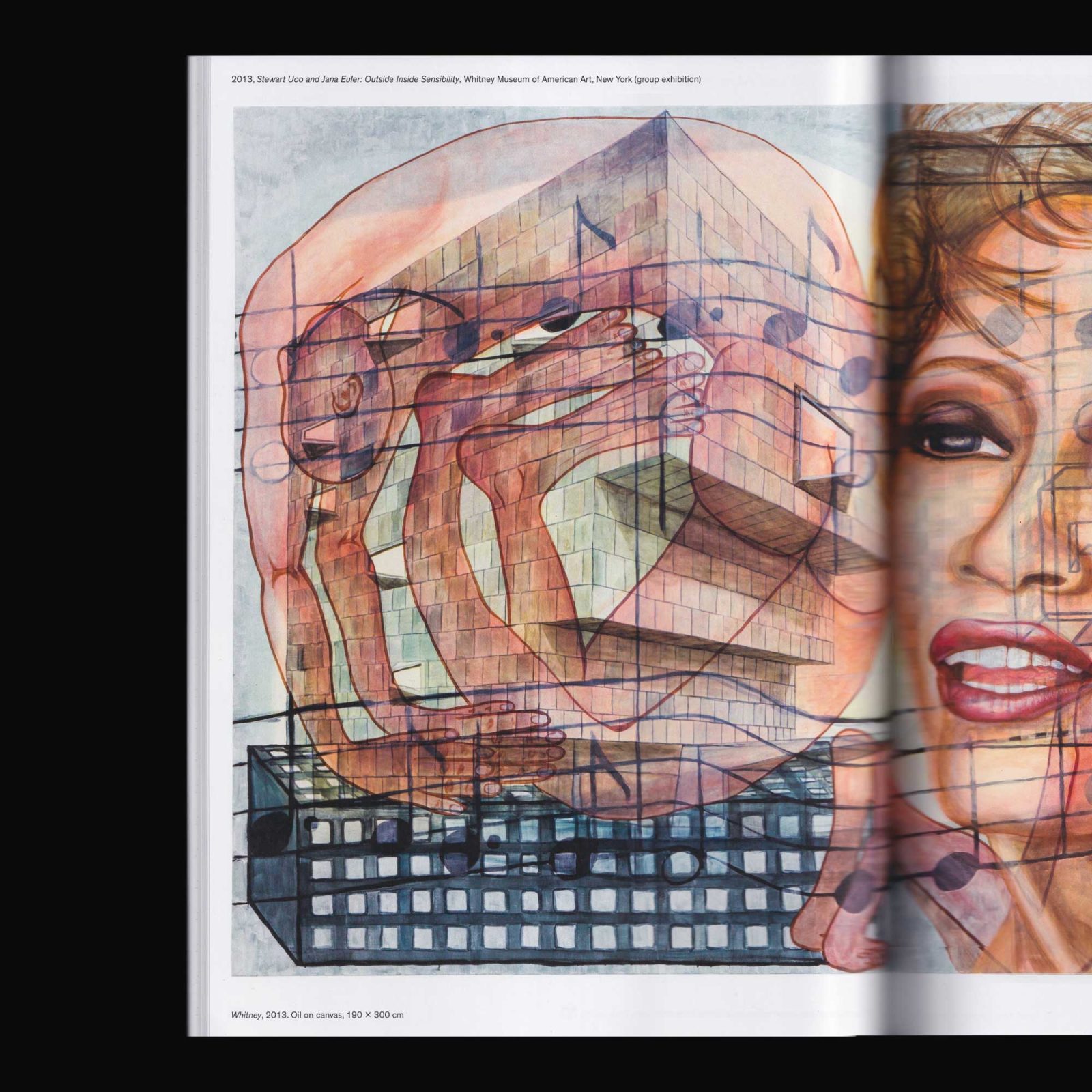
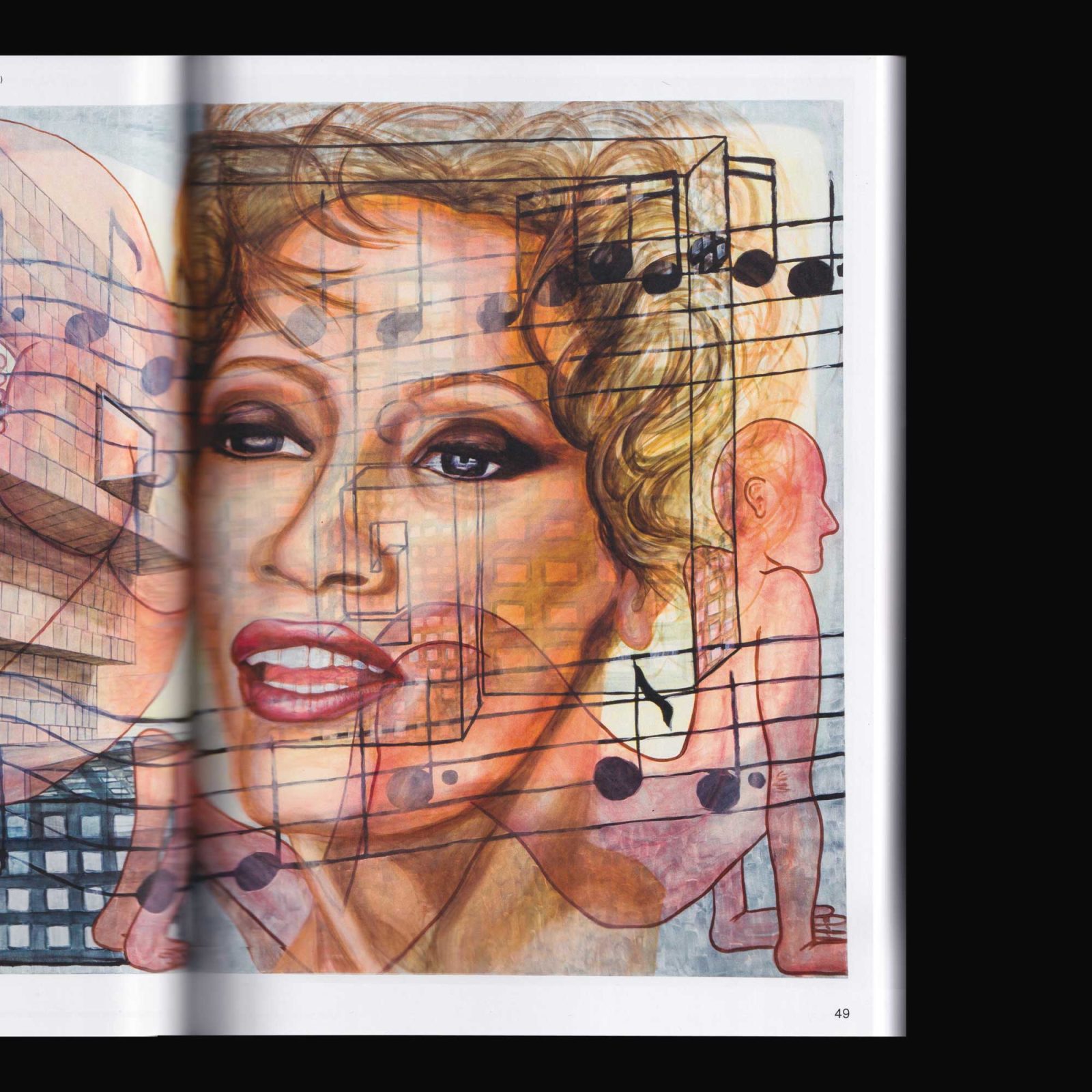
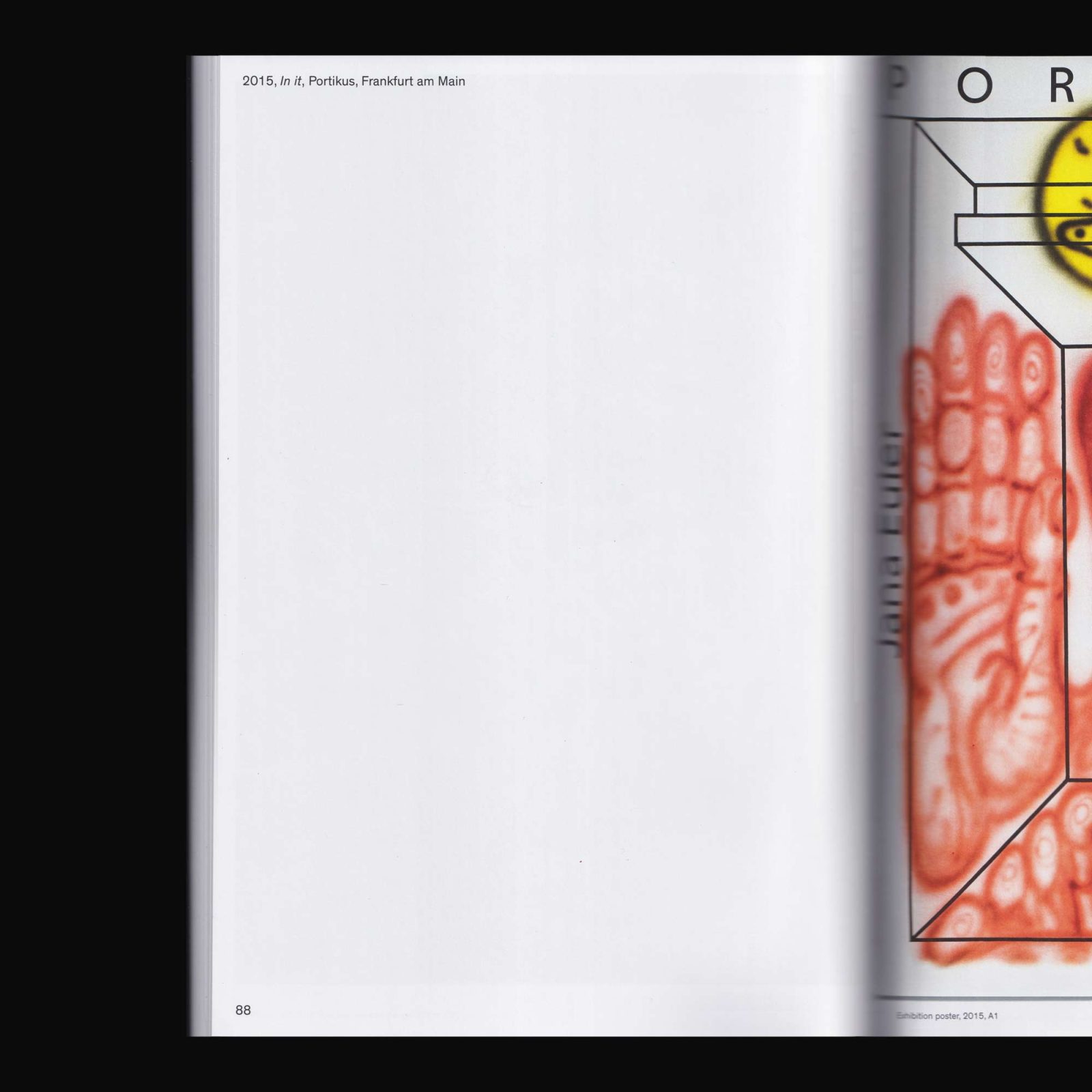
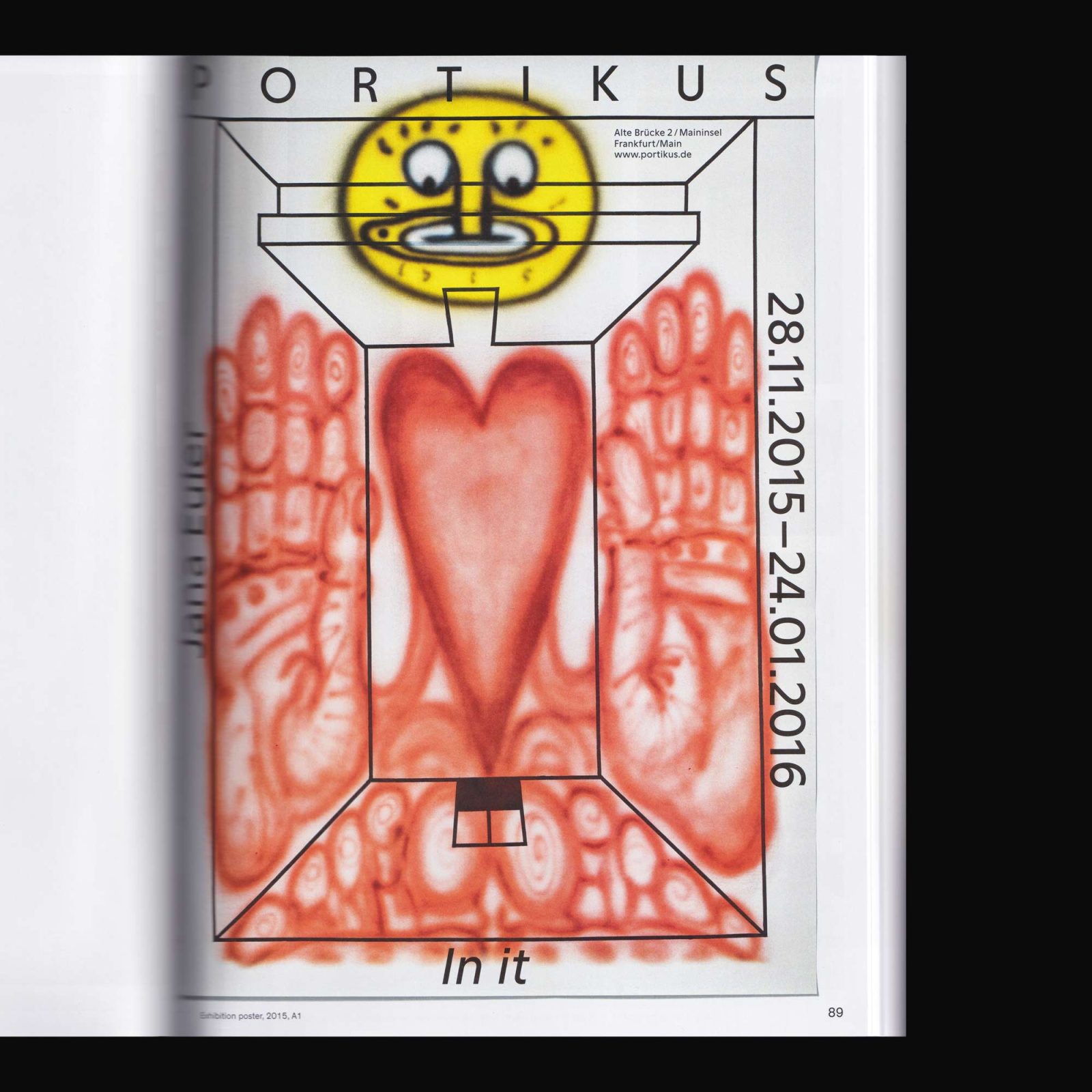
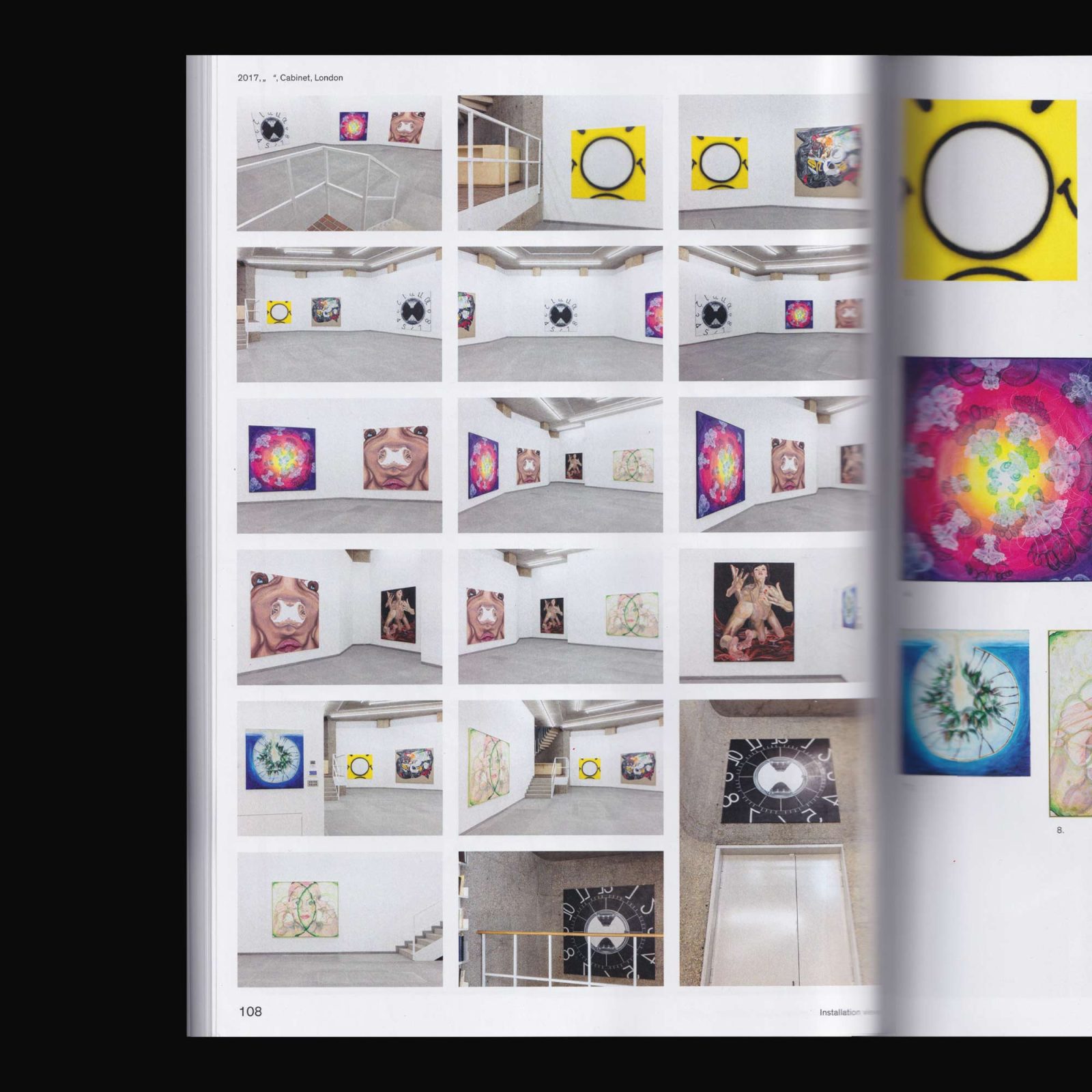
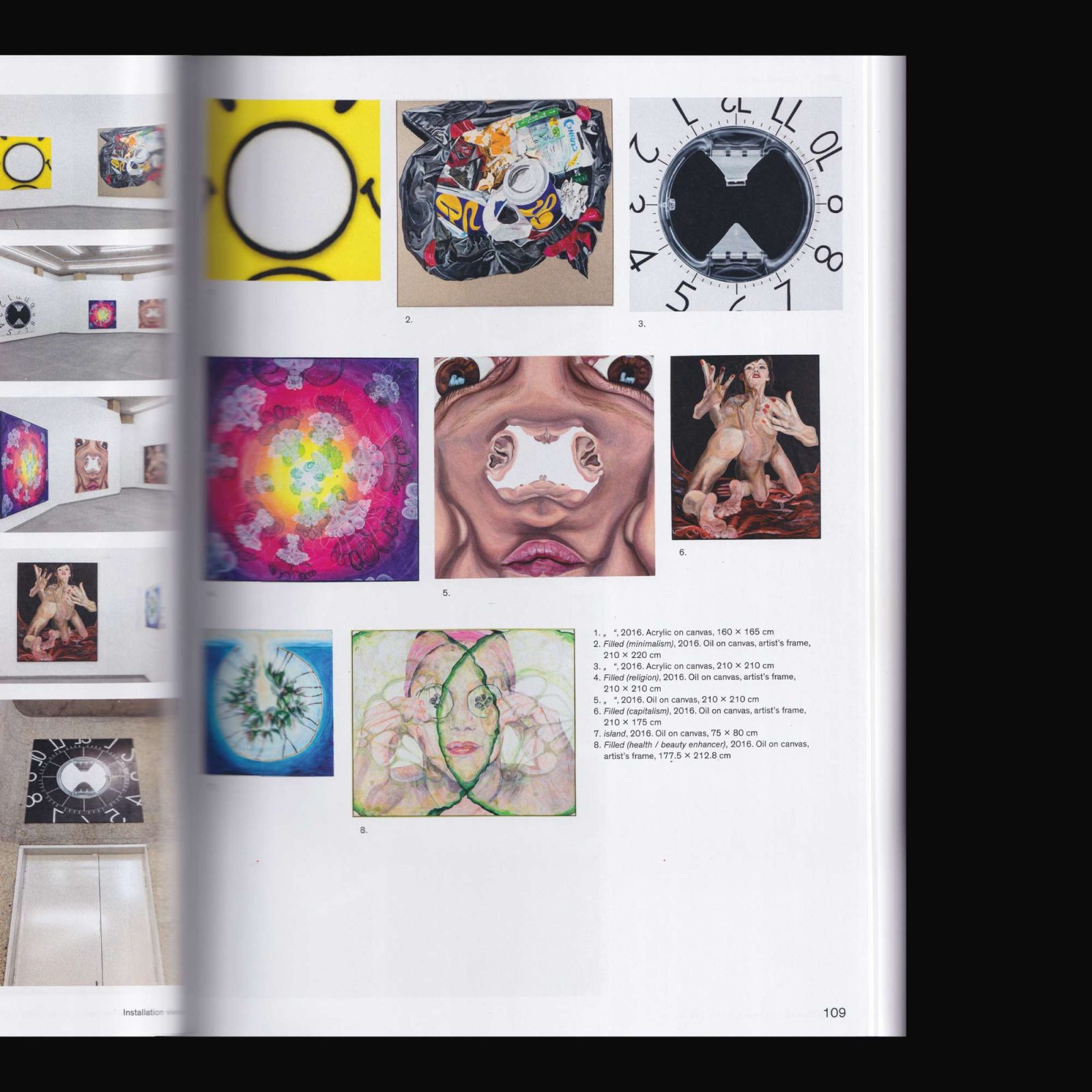
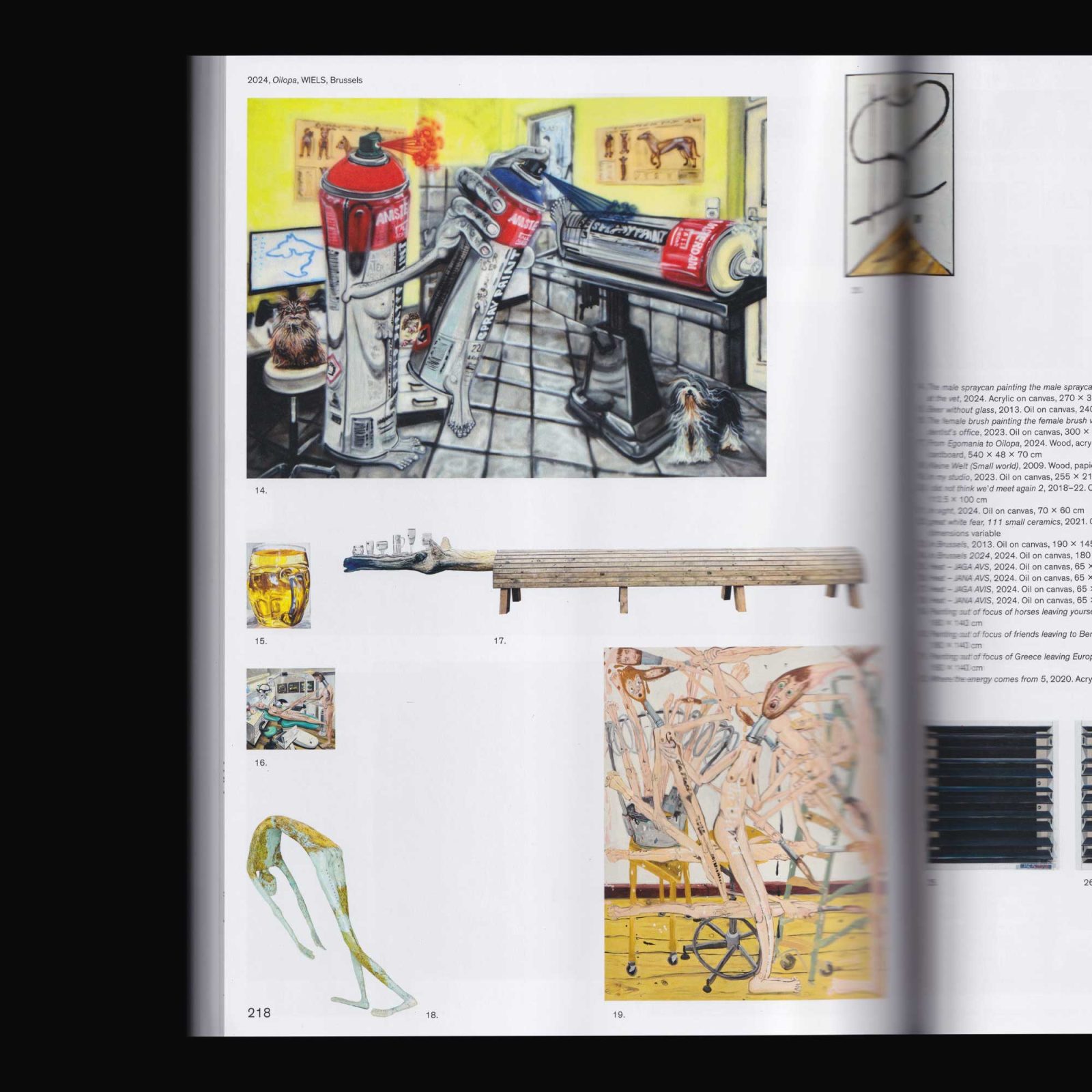
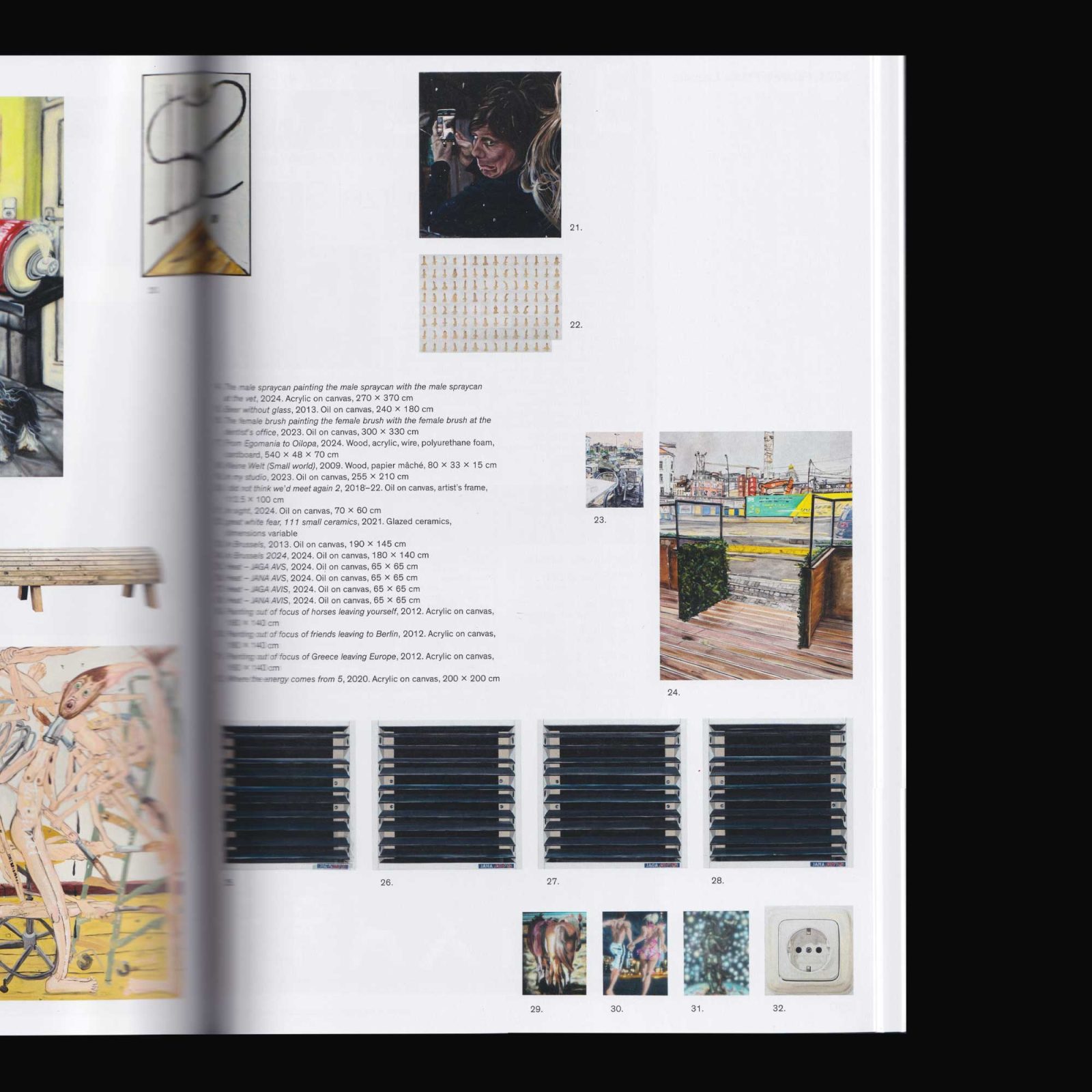
Jana Euler’s artistic practice is stylistically varied, at the same time critically incisive, direct and witty, sometimes even silly, always attuned to the social and material bases of her chosen medium. This richly illustrated monograph highlights Euler’s unique approach to producing exhibitions, which the artist has likened to a kind of “body, made up of all the parts that go into the different aspects of exhibiting.” Exhibitionism traces her evolving practice through her own memories and studio archive: surfacing invitation cards, exhibition texts, posters and diagrams, alongside new drawings and collages made especially for the book.