Produced on the occasion of the John Armleder’s exhibition at Galerie van Gelder, Amsterdam, 29 January–11 March, 2000.
*Please note this publication is secondhand and may have some traces of previous ownership.

Produced on the occasion of the John Armleder’s exhibition at Galerie van Gelder, Amsterdam, 29 January–11 March, 2000.
*Please note this publication is secondhand and may have some traces of previous ownership.

Card announcing that during the presentation of John Armleder’s work Tapis on 8 December, 1988, the Contrechamps Ensemble will perform Musique d’ameullements, 1920 by Erik Satie.
*Please note this publication is secondhand and may have some traces of previous ownership.


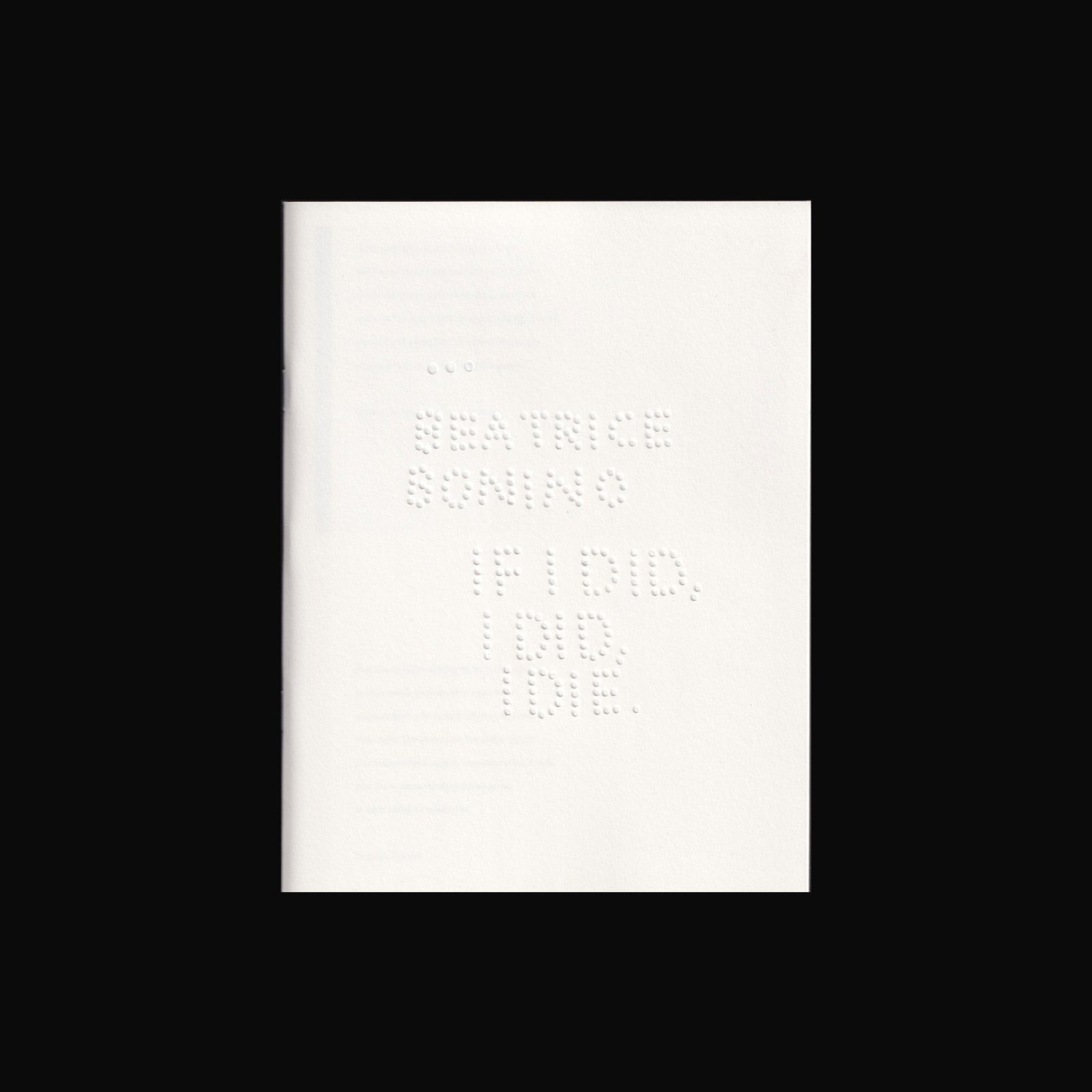
The two photographic series featured in the book, Guys and Blue Flowers, explore the idea of seductive, fragile beauty removed and yet built from hard labour and standardised systems or practices (Yates Norton). This exploration intertwines the technological possibilities and errors of photography, the relationship between bodies and matter, the search for beauty and the subsequent frustration, and, ultimately, desire and the logic that quenches it.
Edited by Elena Narbutaitė. Designed by Monika Janulevičiūtė.


Chris Reinecke’s boundary-crossing work from the late 1960s questions female role behaviour, raises critical social awareness, and aims for radical political change. The concepts and actions realised between 1966 and 1971 need to be re-evaluated today, both within the art context and against the backdrop of current political and social developments.
Reinecke withdrew from the art world in 1970 and founded a self-help collective for tenant solidarity, organising demonstrations and squatting buildings for the homeless. Later she withdrew in turn from politics and, out of the public eye, took up her artistic work again.


Produced on the occasion of the exhibition Chris Reinecke – 60er Jahre-Lidl Zeit at the Badischer Kunstverein, Karlsruhe, 24 February–16 April, 2001.
Chris Reinecke’s boundary-crossing work from the late 1960s questions female role behavior, raises critical social awareness, and aims for radical political change. The concepts and actions realised between 1966 and 1971 need to be re-evaluated today, both within the art context and against the backdrop of current political and social developments.
Reinecke withdrew from the art world in 1970 and founded a self-help collective for tenant solidarity, organizing demonstrations and squatting buildings for the homeless. Later she withdrew in turn from politics and, out of the public eye, took up her artistic work again.

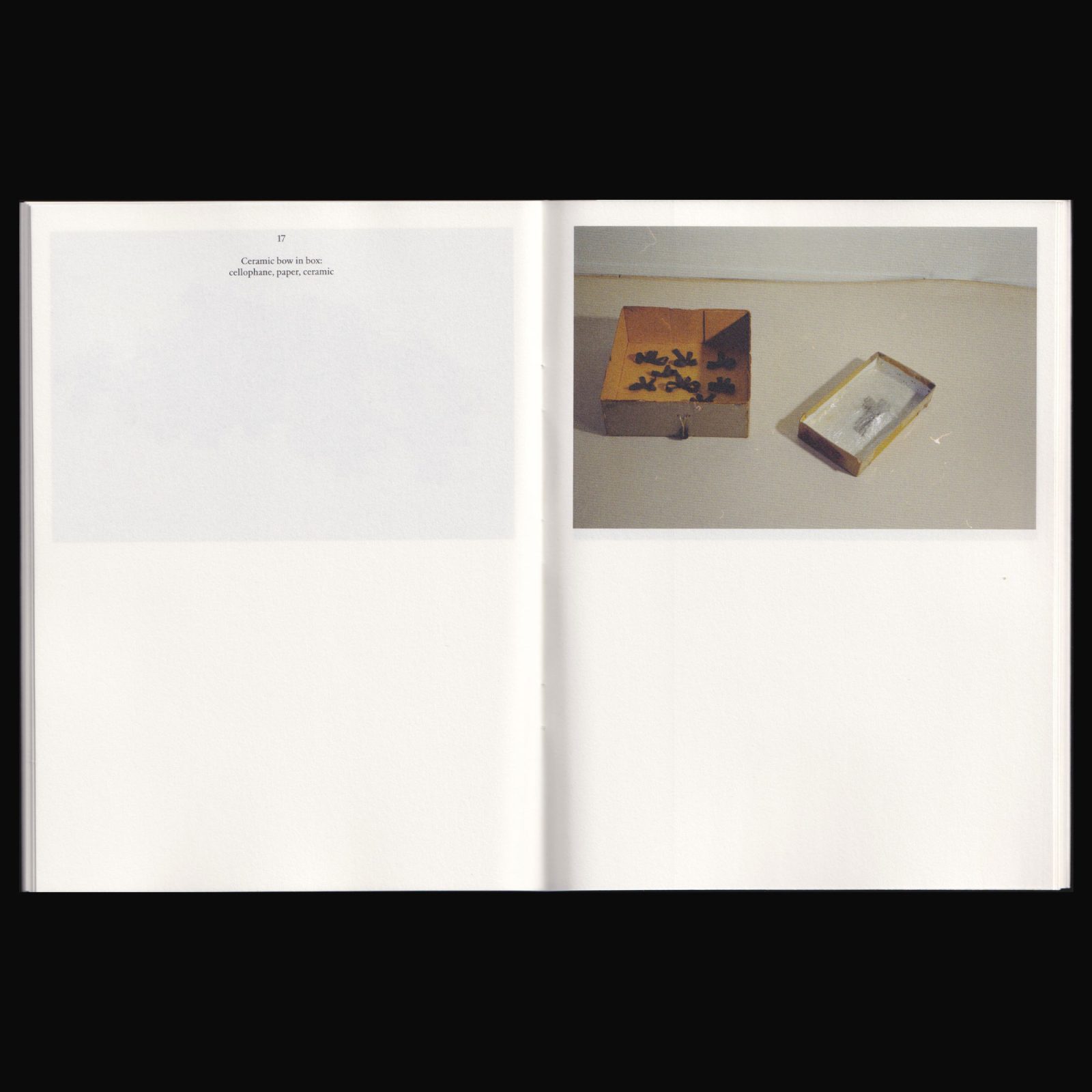
Produced on the occasion of Lili Dujourie’s exhibition at Micheline Szwajcer Gallery, Antwerp, 31 October–21 December, 2018.
The work of Lili Dujourie provokes an astutely intellectual yet poetic engagement with the world around us through various mediums, from painting and sculpture, to photography, collage, video and installation. Dujourie operates at the intersection of minimalism and conceptualism, consistently and systematically challenging the subject position of the viewer through clever experimentation with material and form.