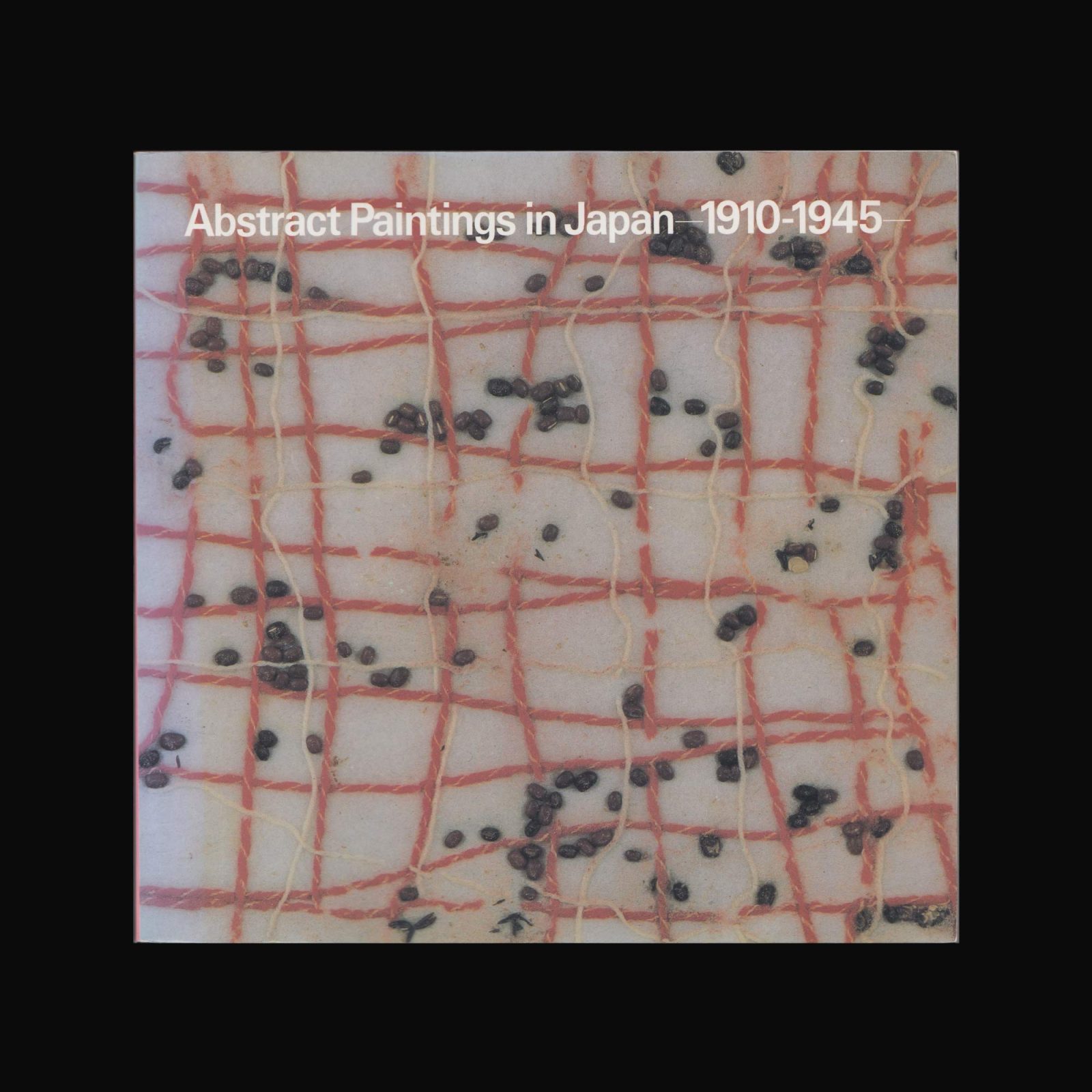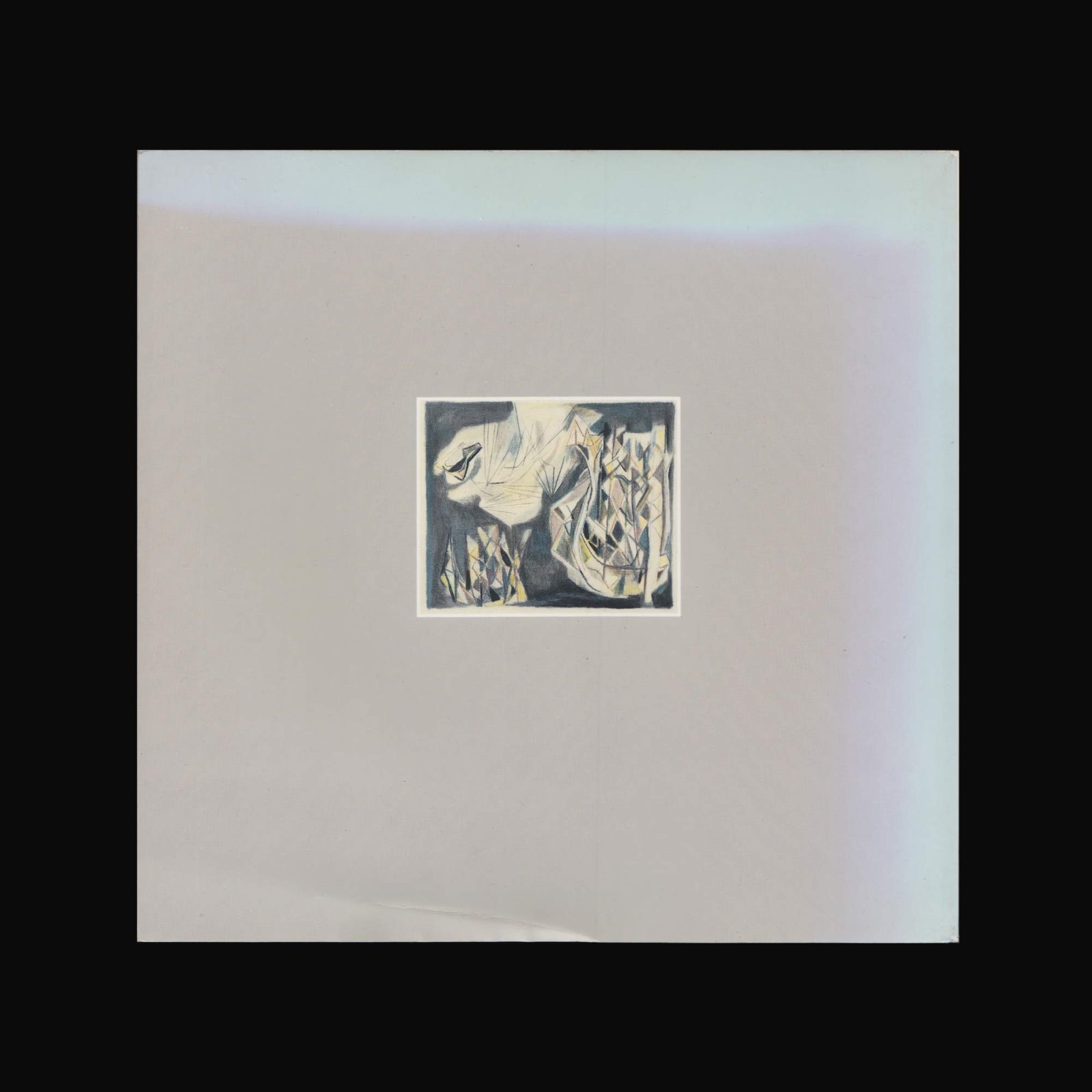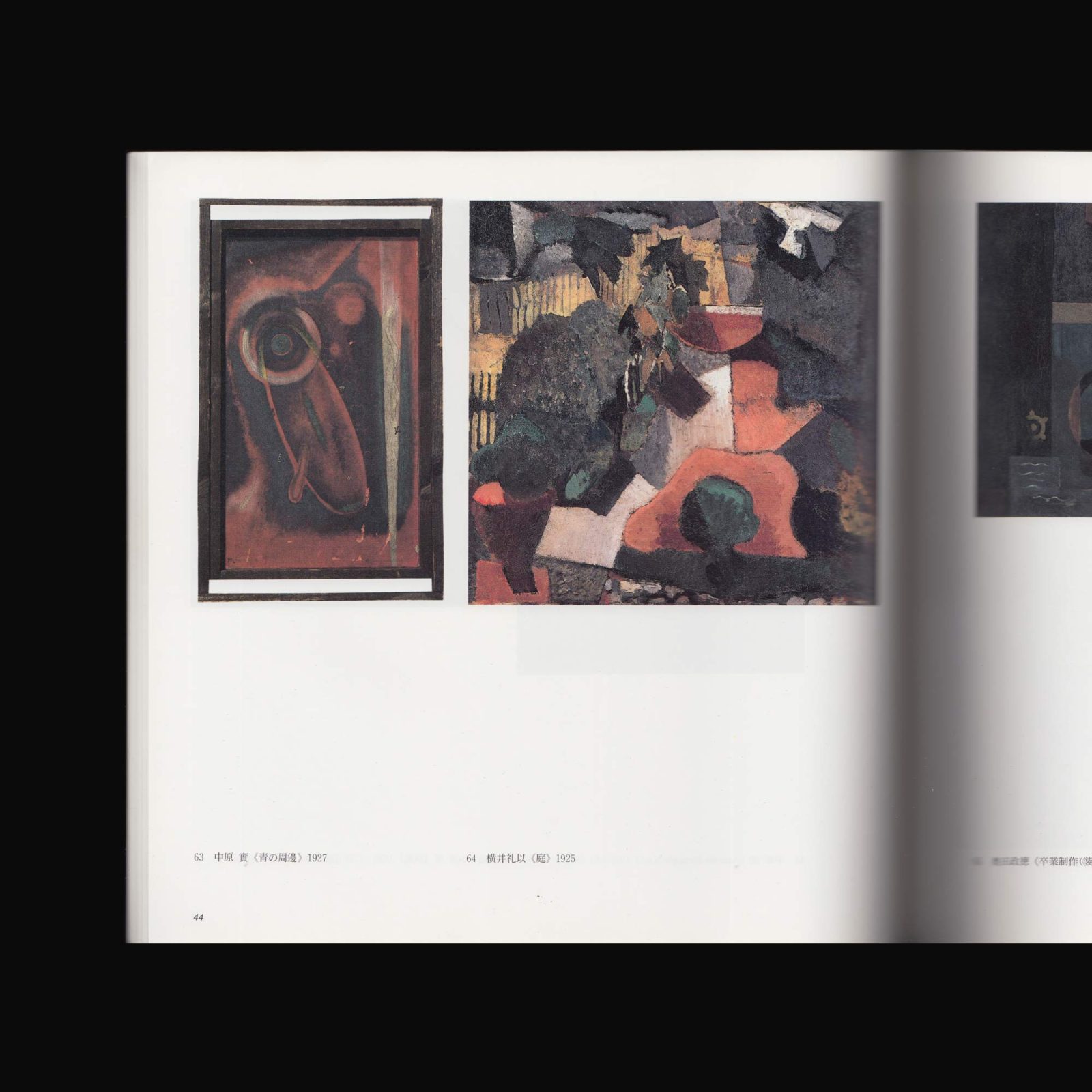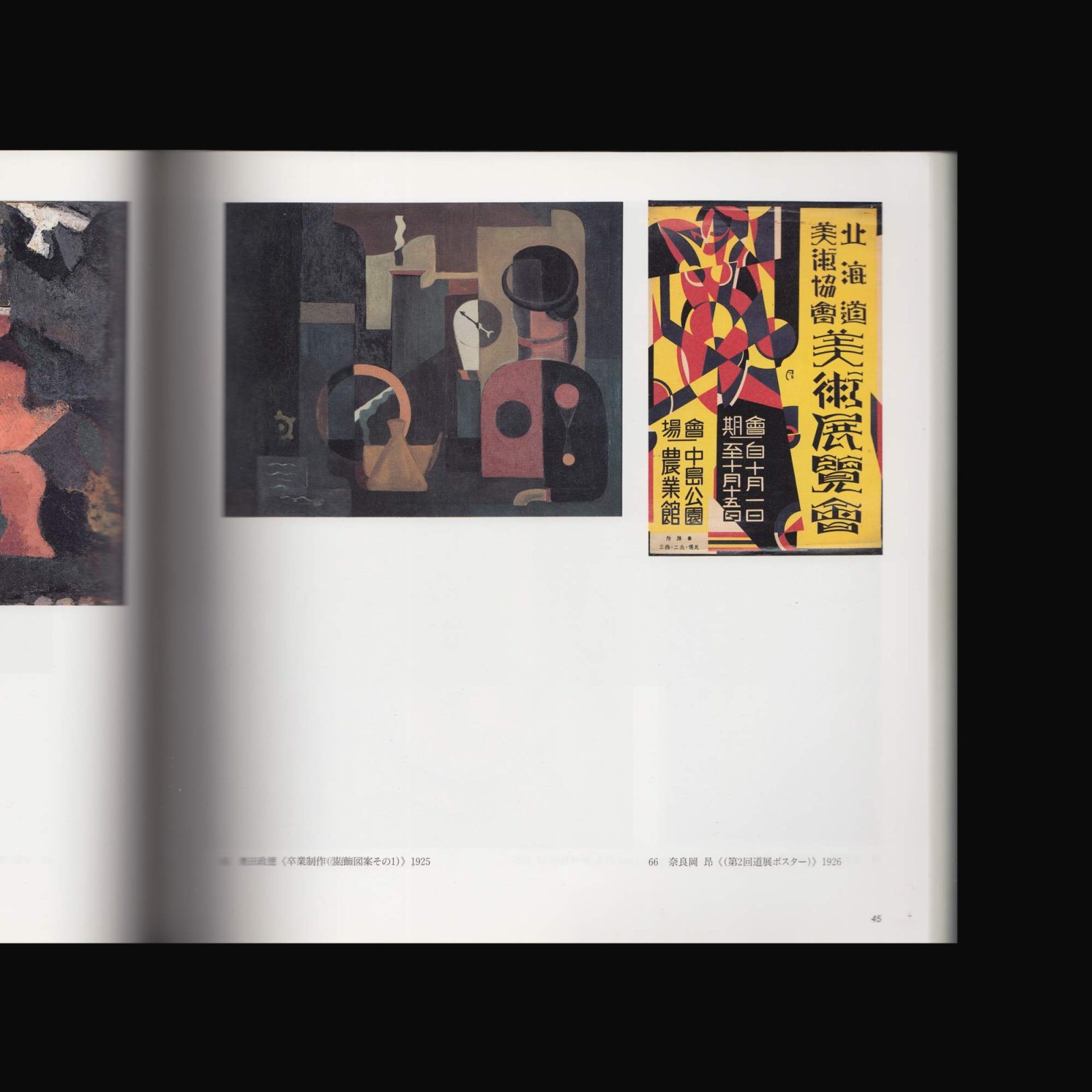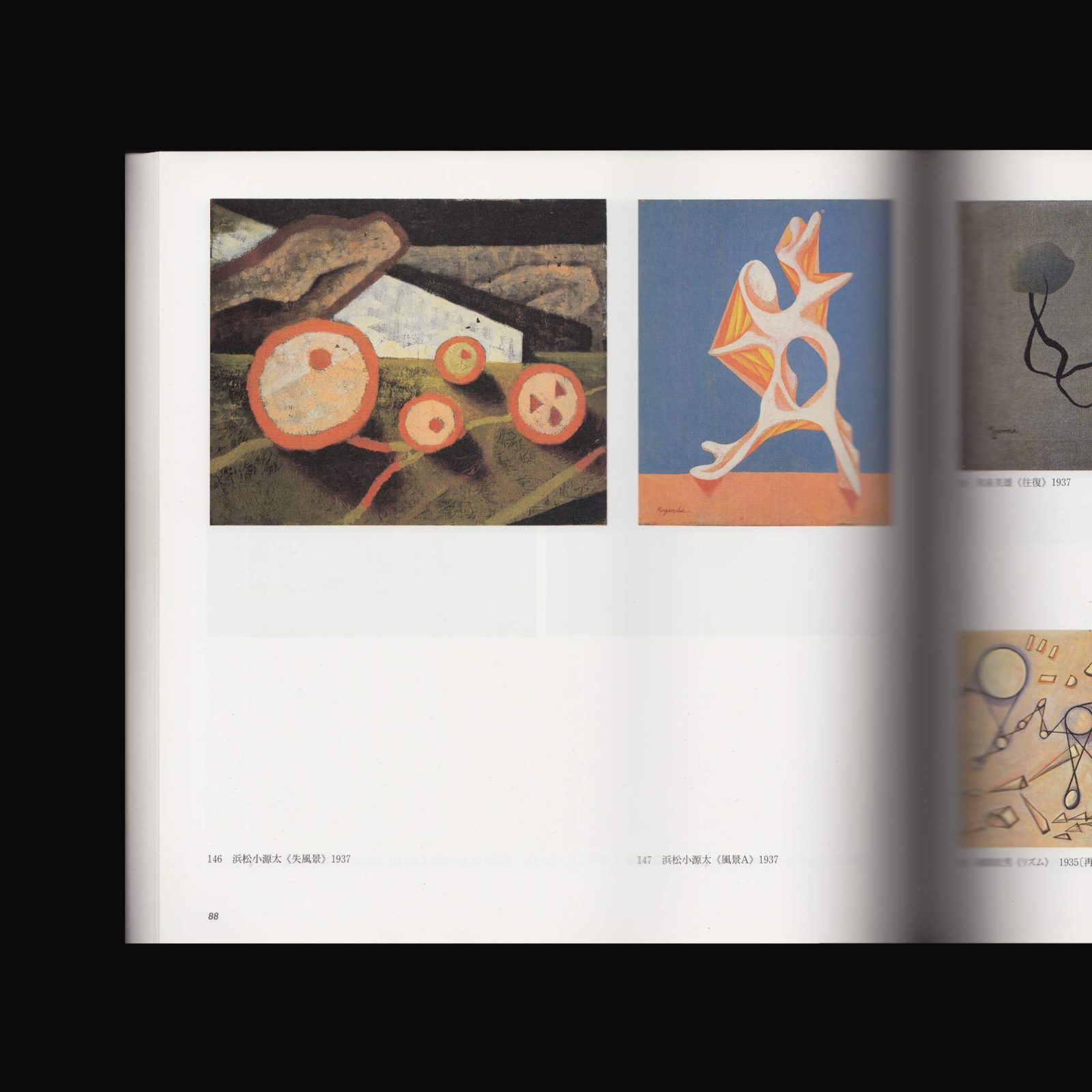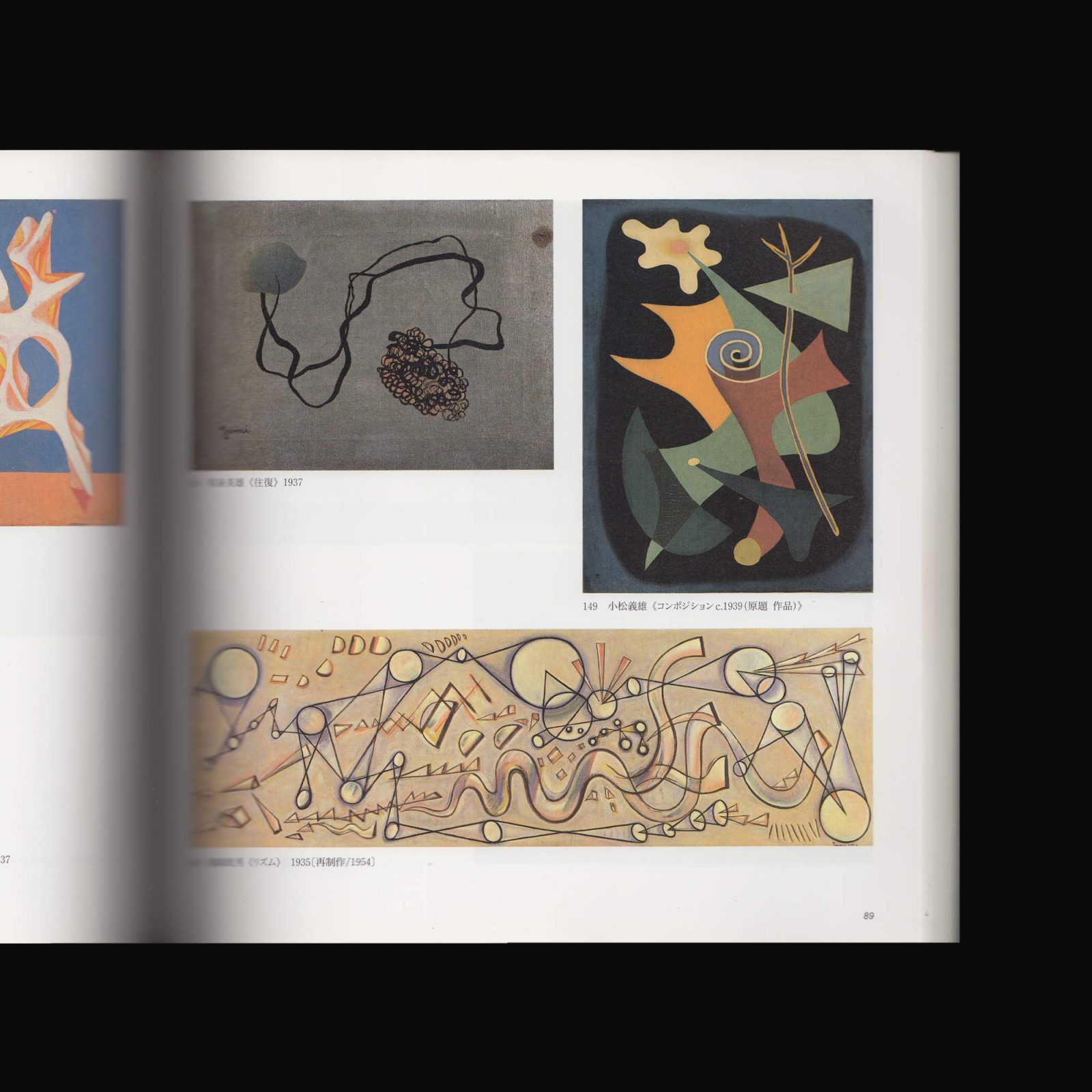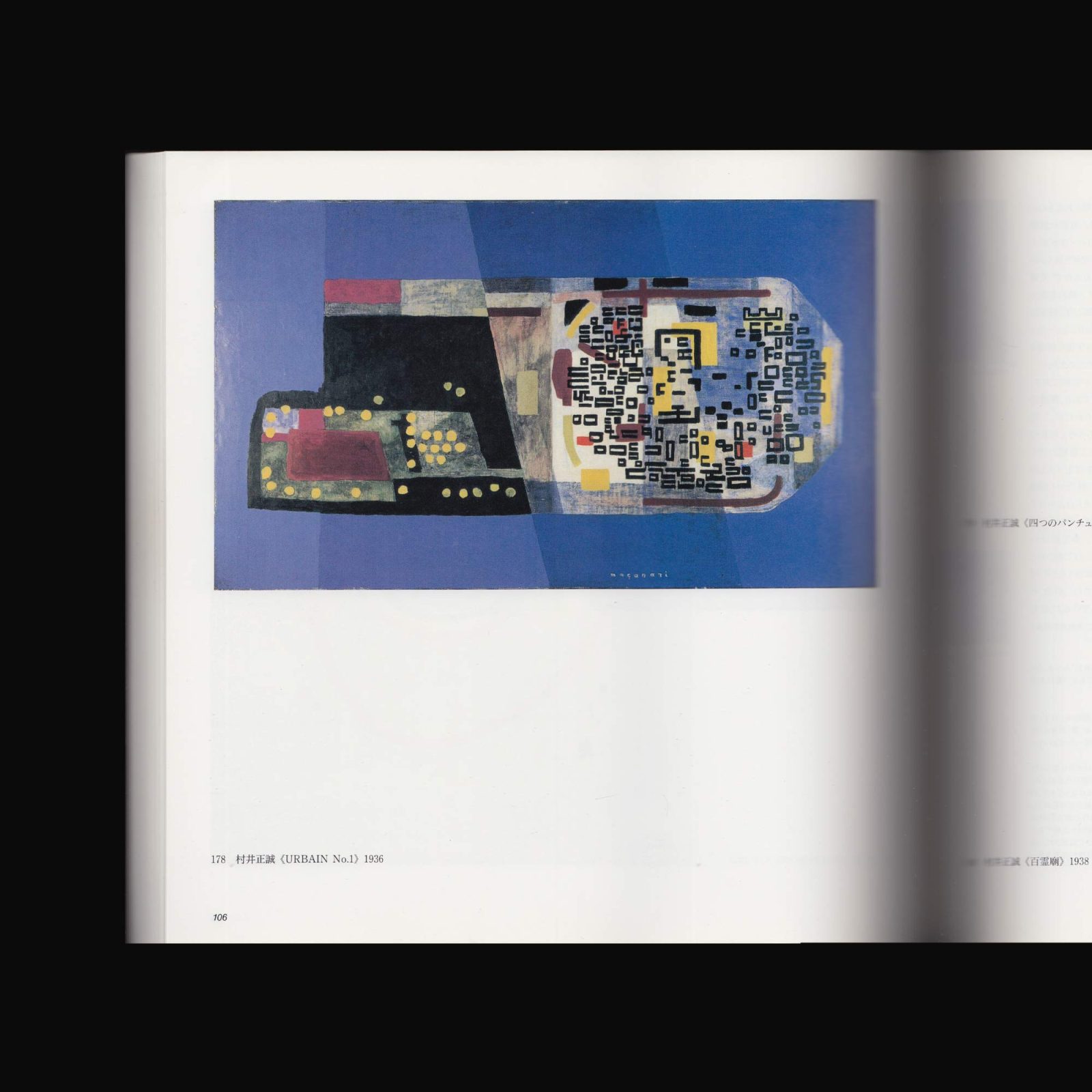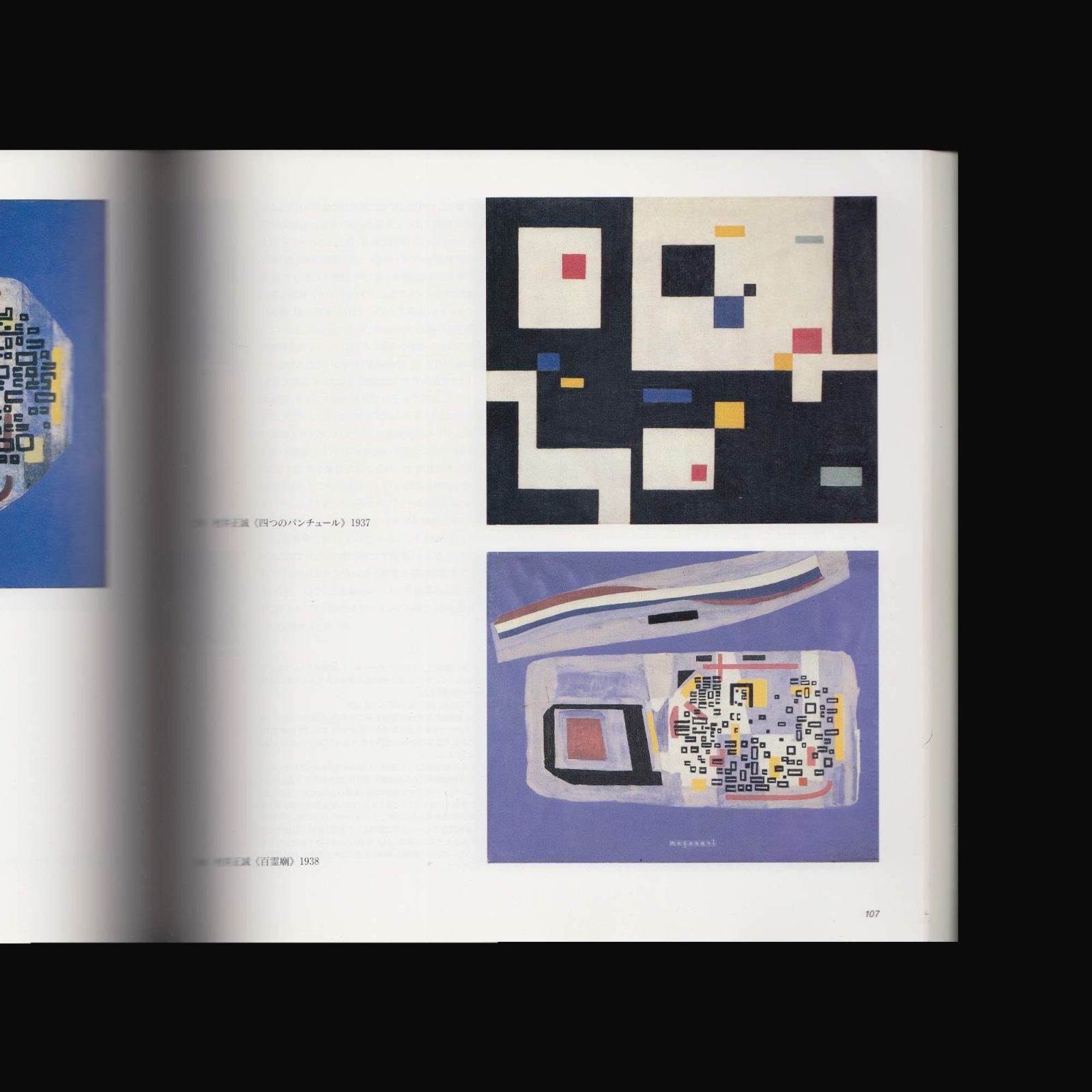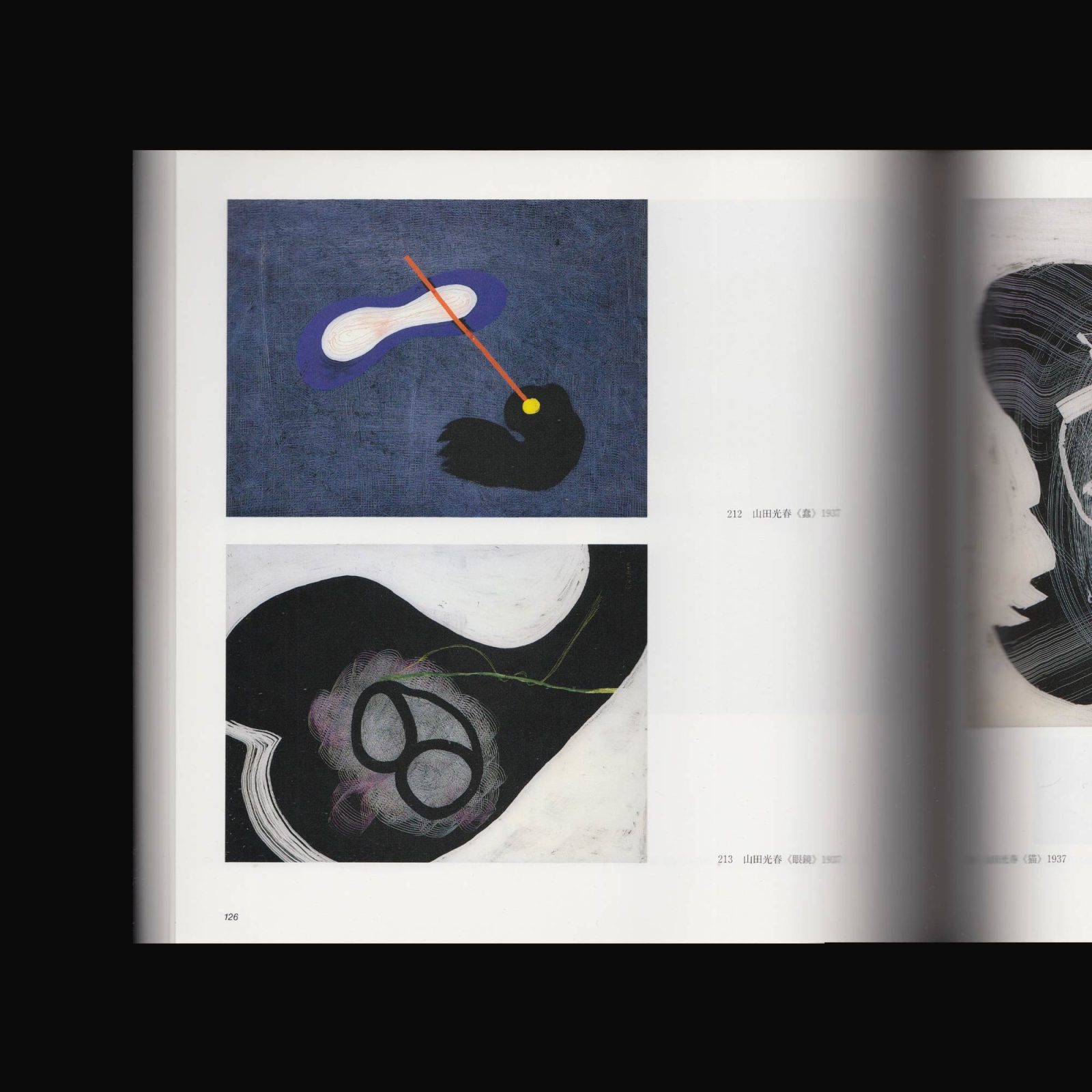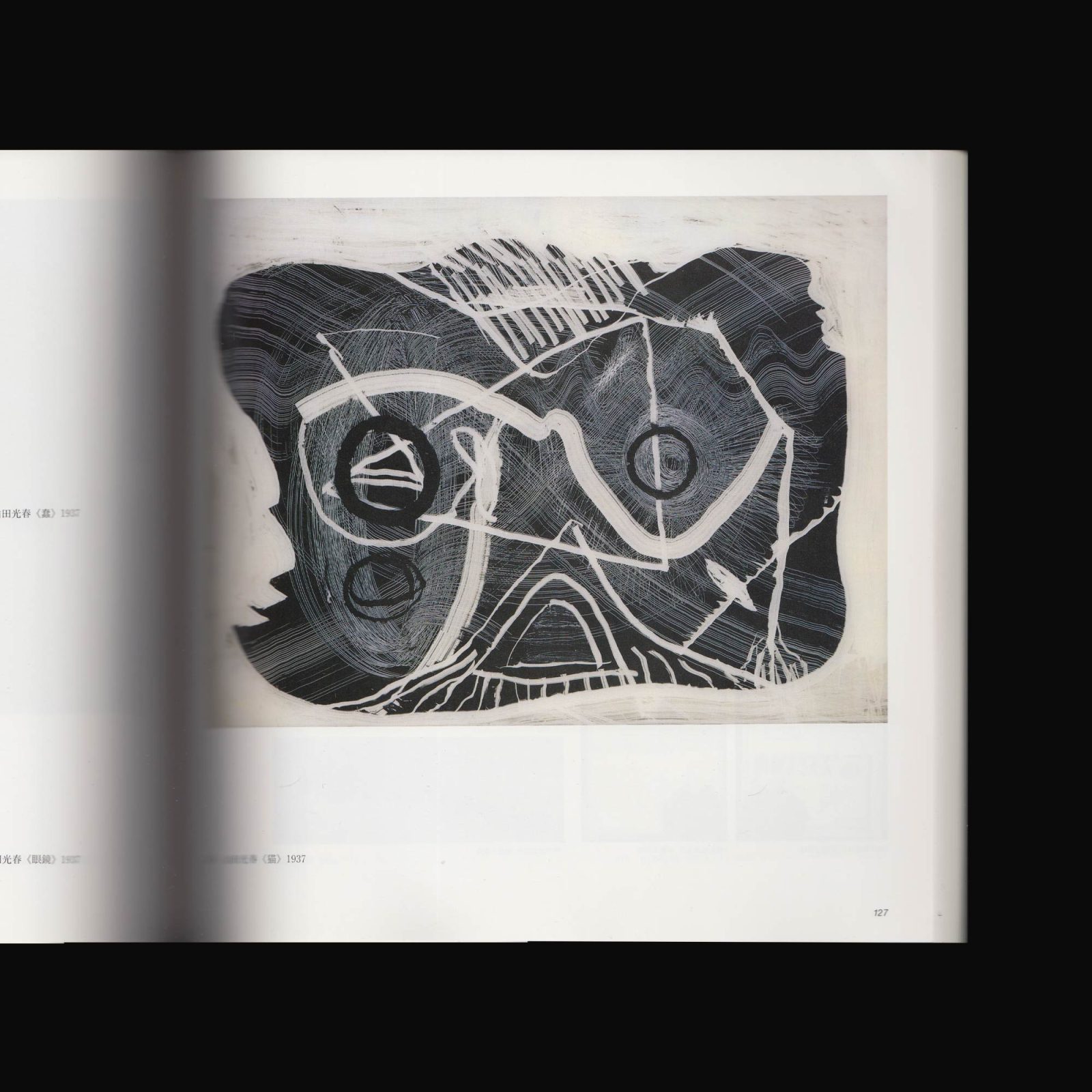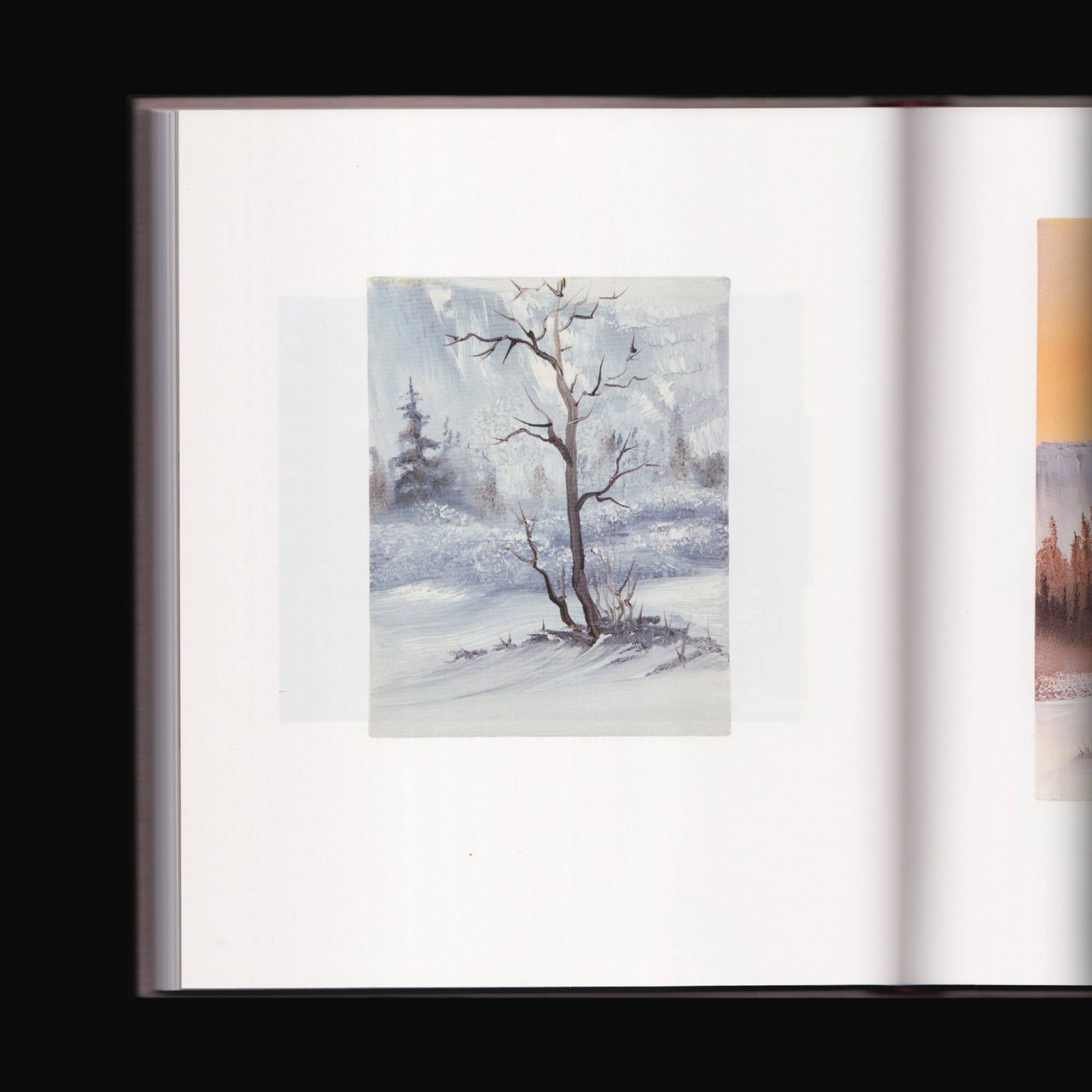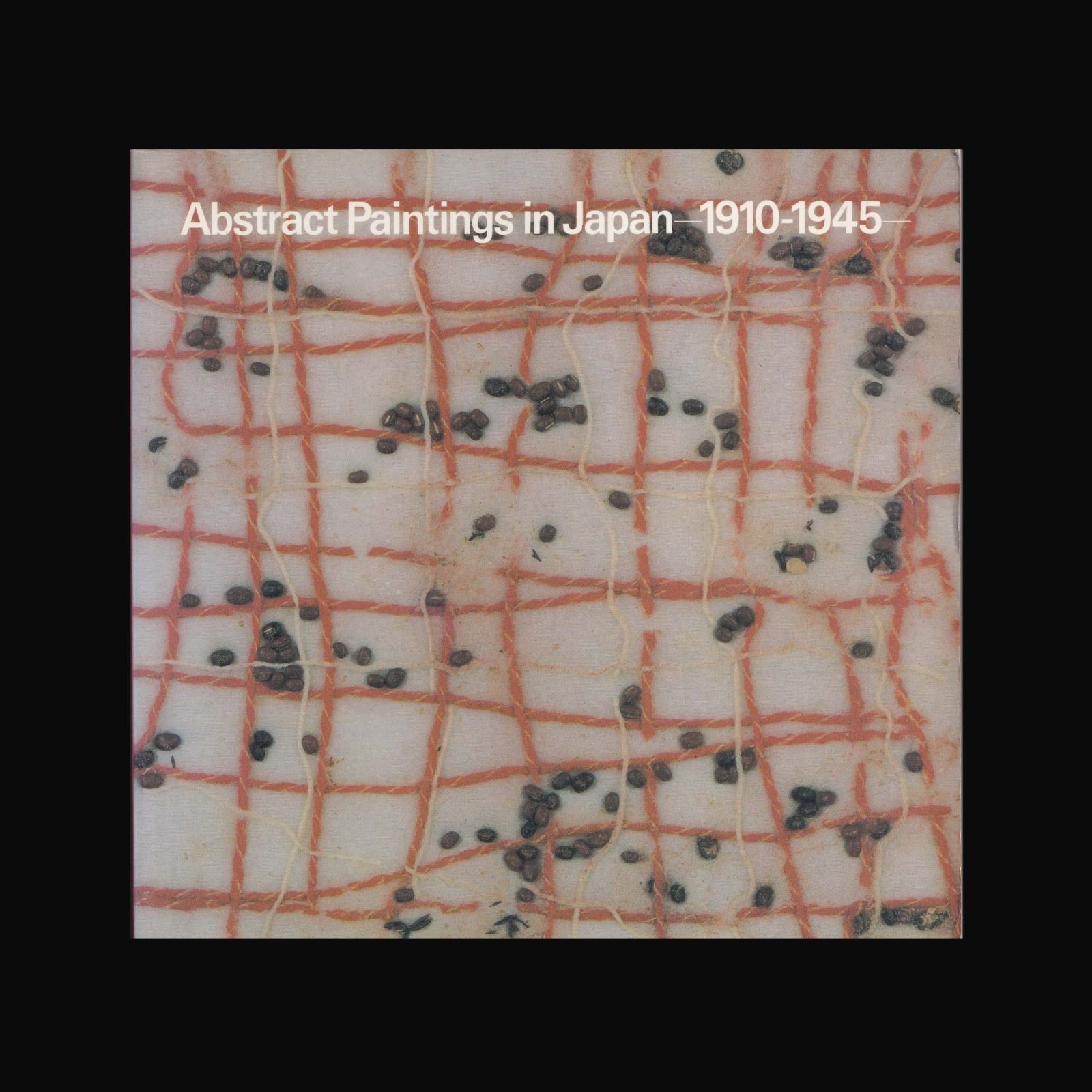
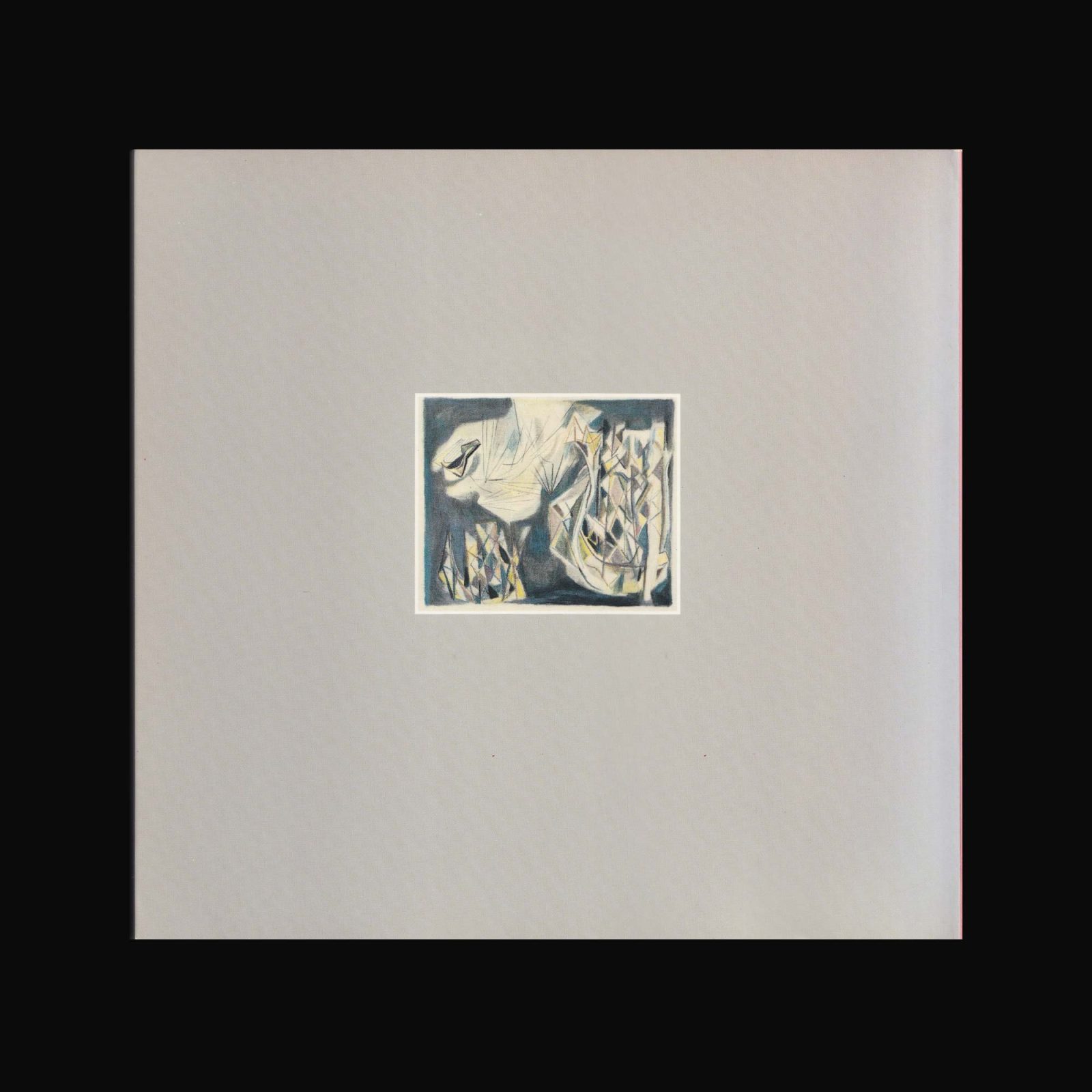
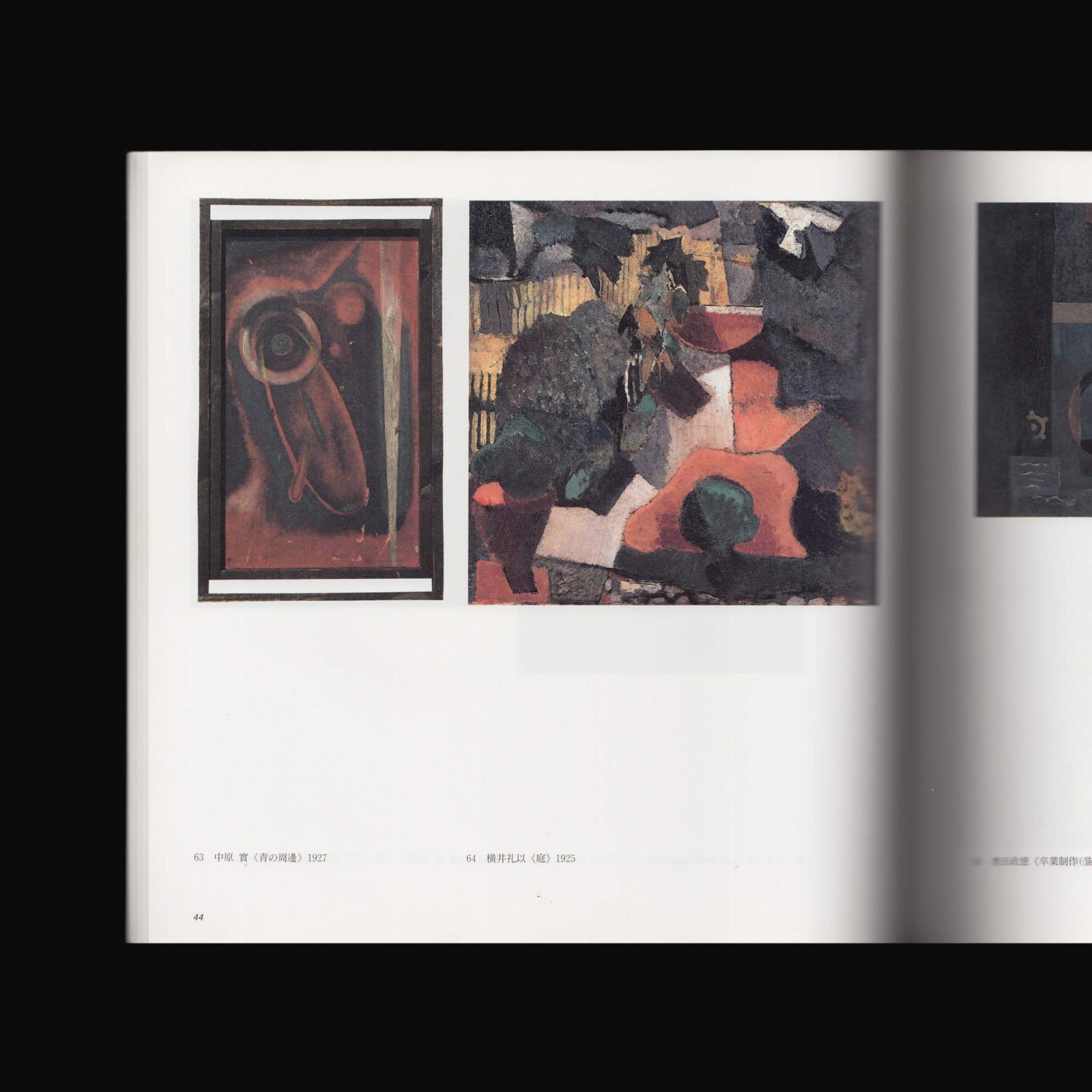
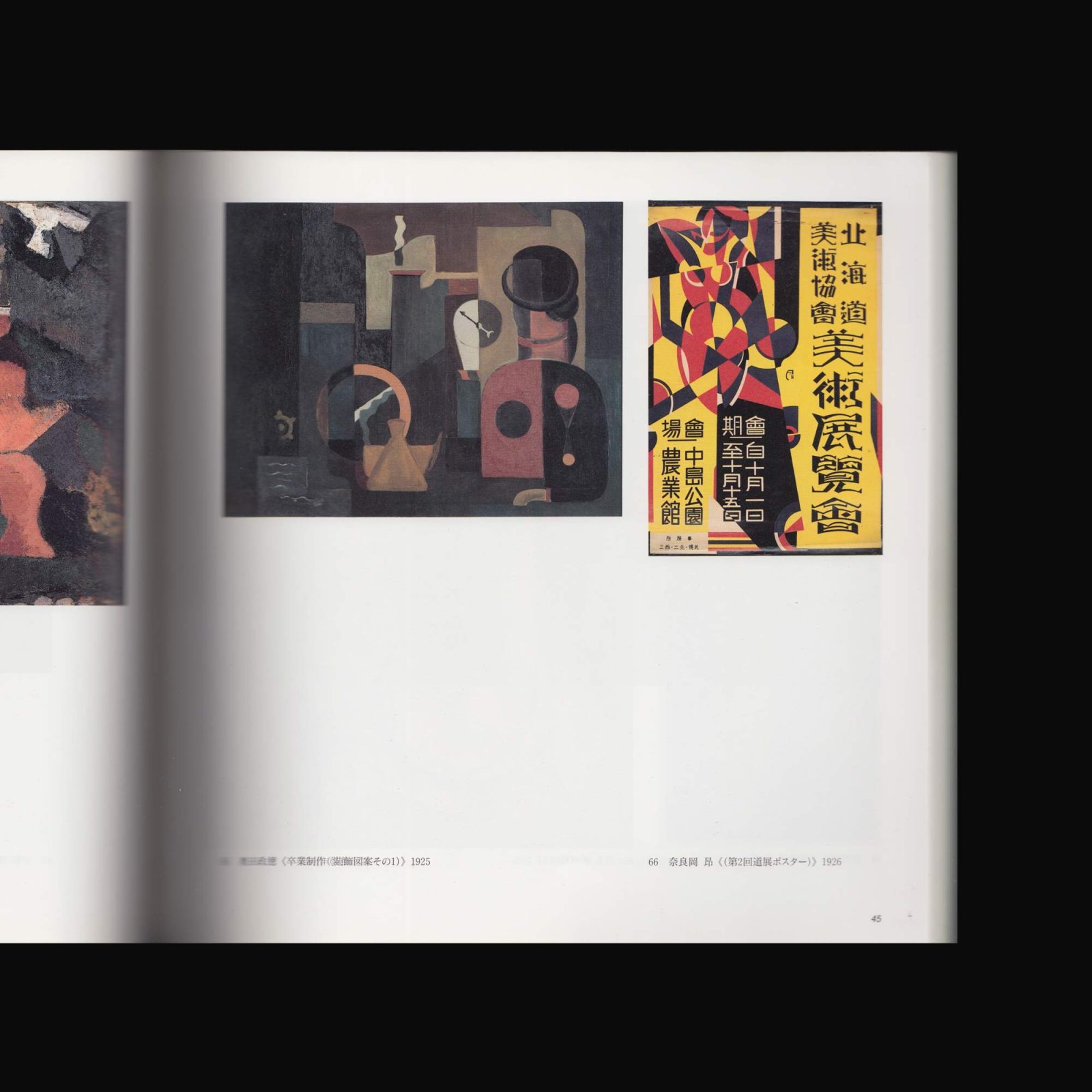
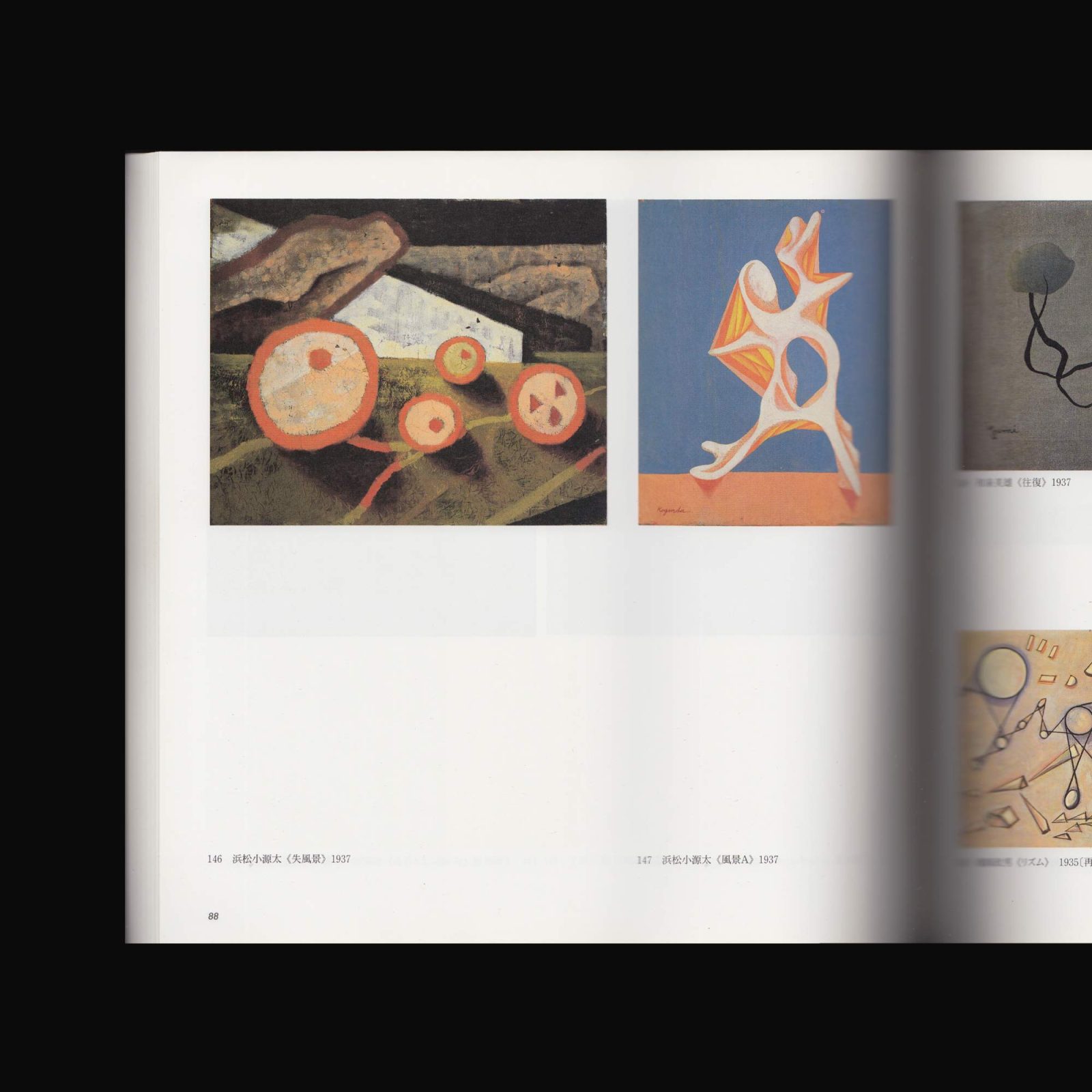
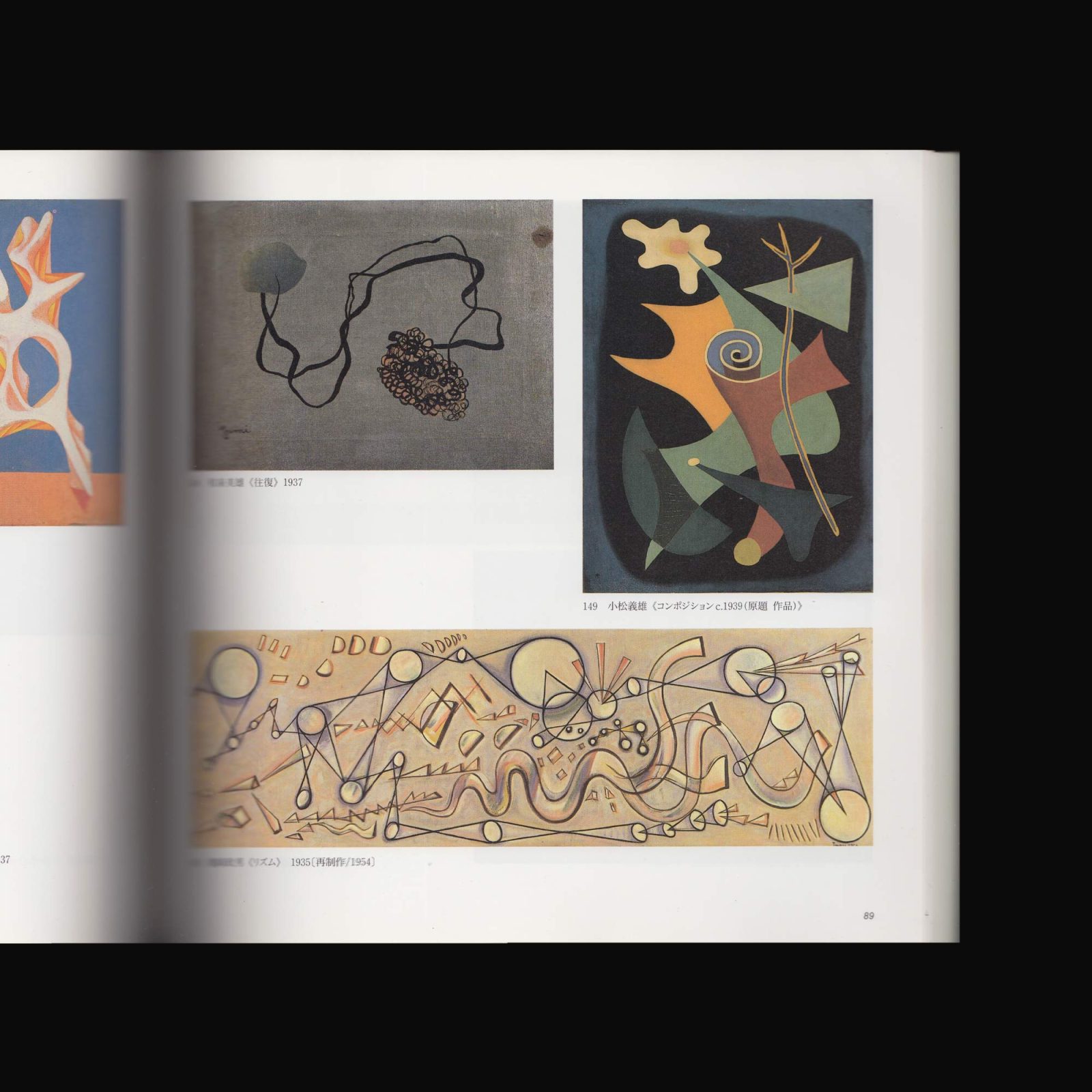
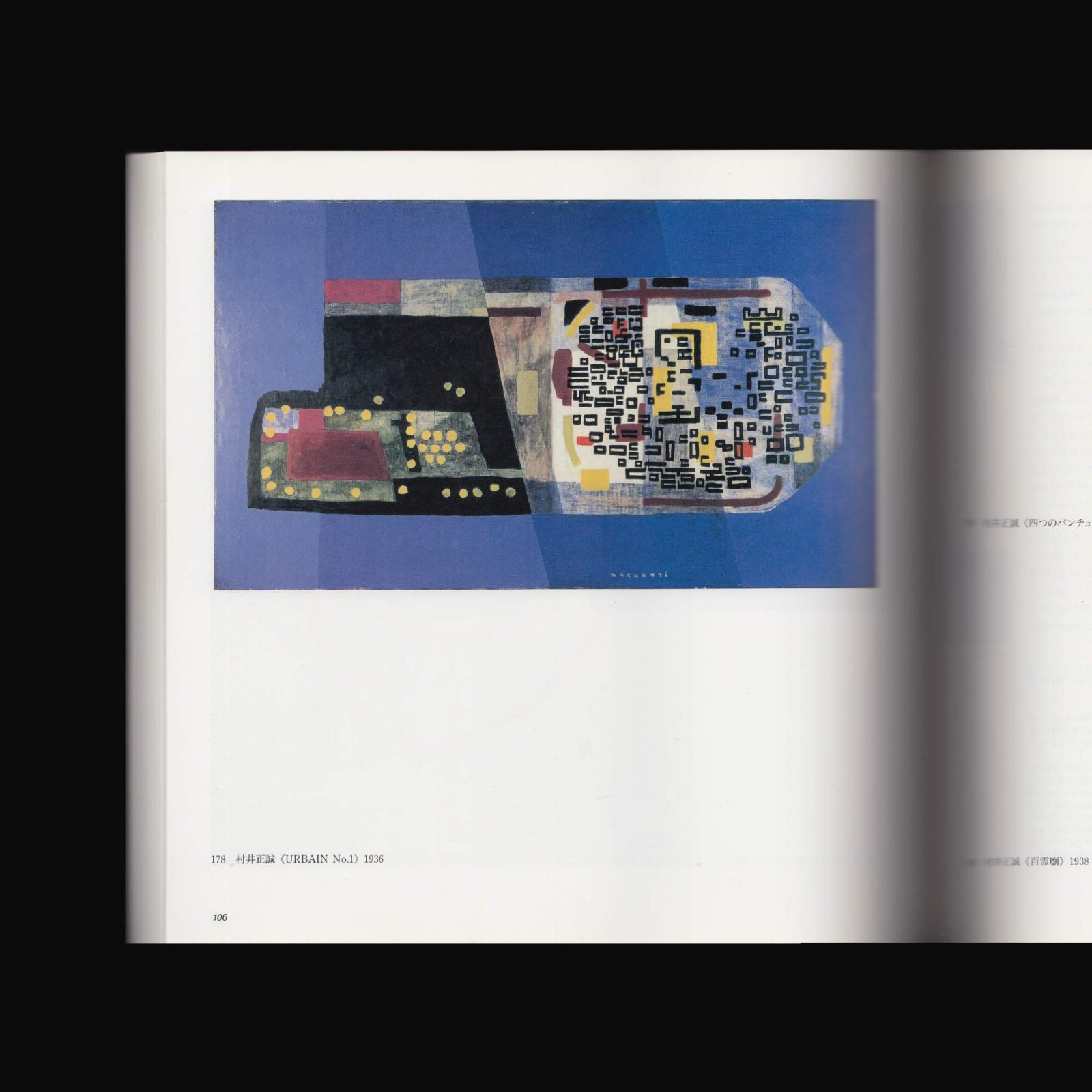
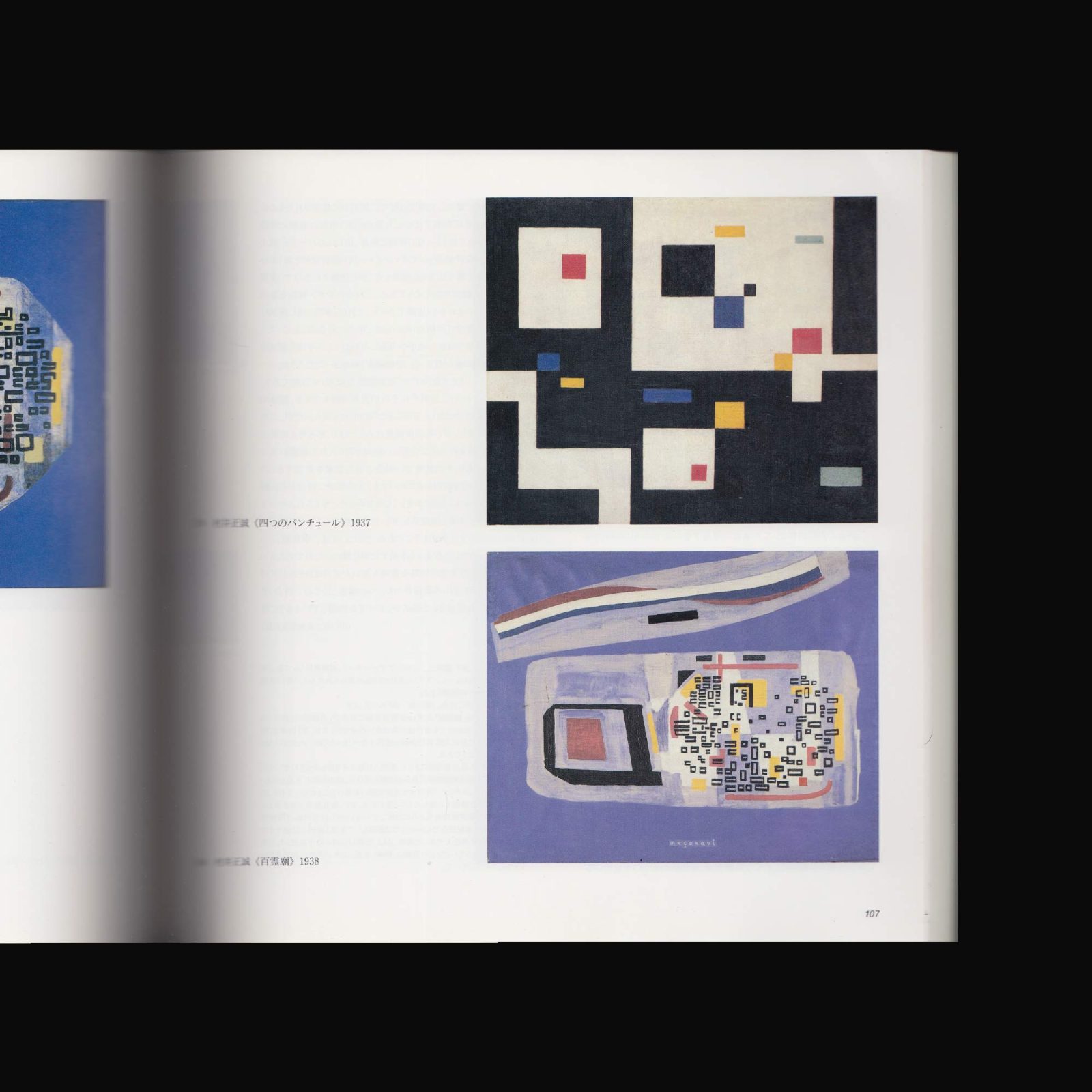
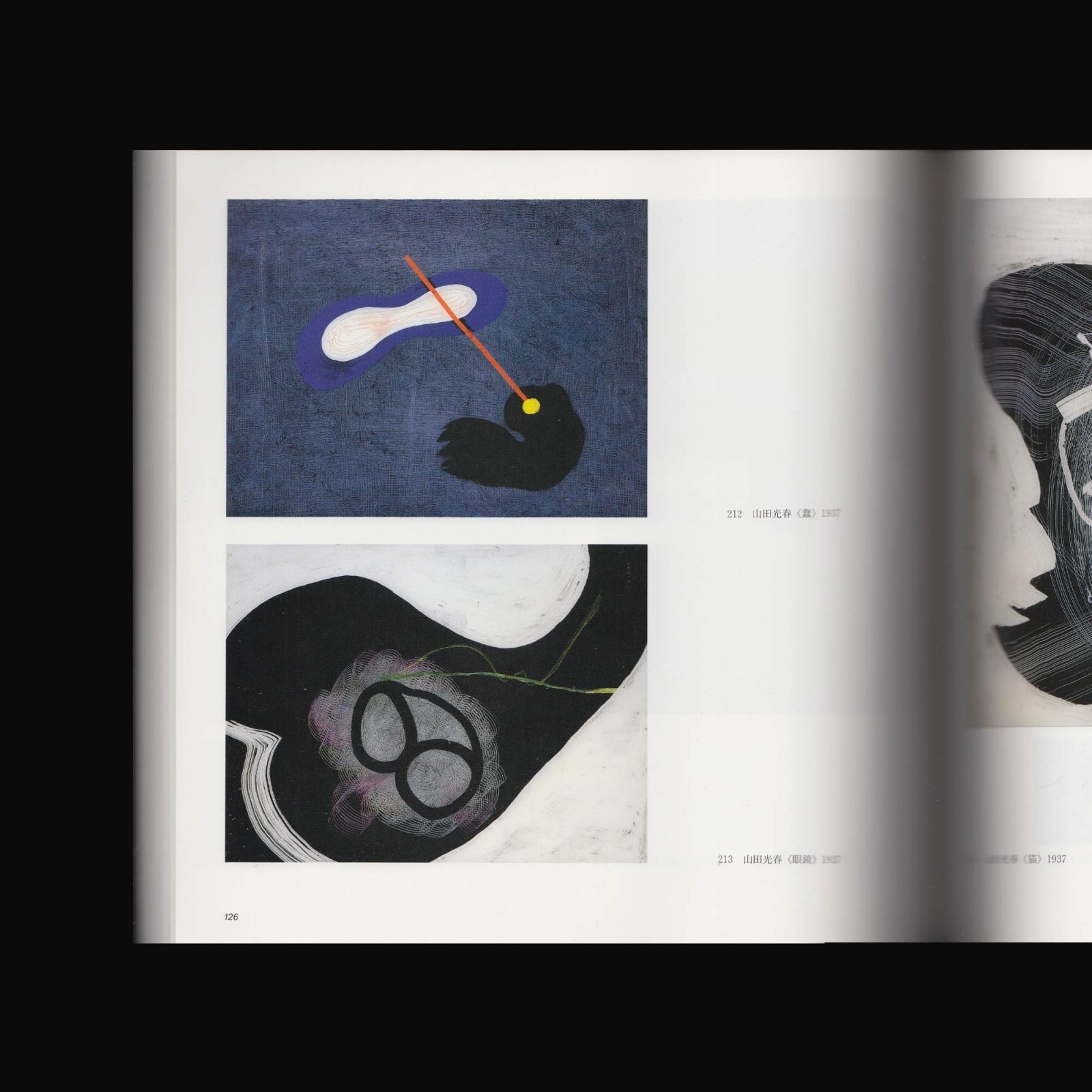
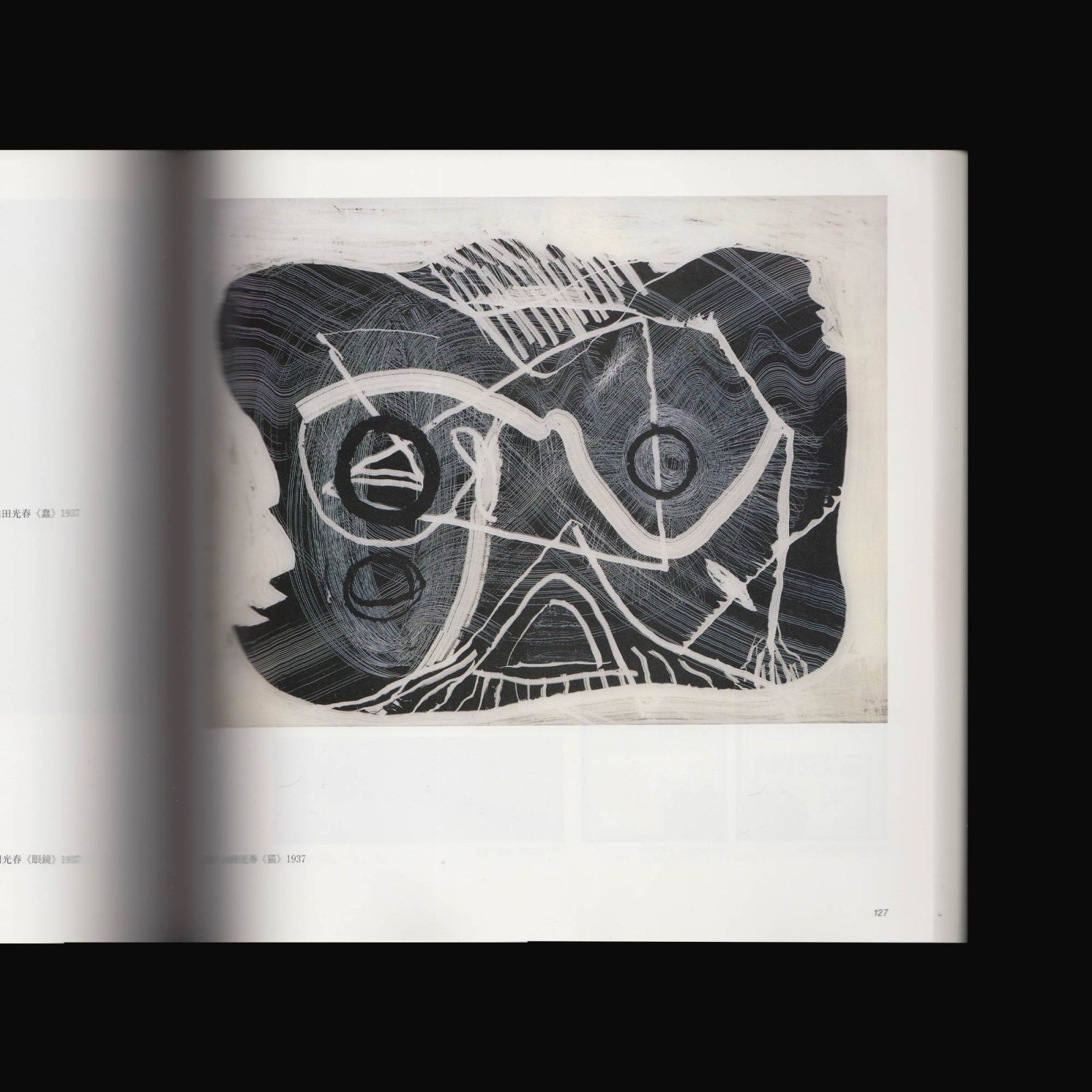
Comprehensive survey of early Japanese abstract painting (and photography). Including Koshiro Onchi, Iwata Nakayama, Saburo Hasegawa, Kiyoshi Koishi, Ryuichi Amano, Ei-Q and many more.
Comprehensive survey of early Japanese abstract painting (and photography). Including Koshiro Onchi, Iwata Nakayama, Saburo Hasegawa, Kiyoshi Koishi, Ryuichi Amano, Ei-Q and many more.


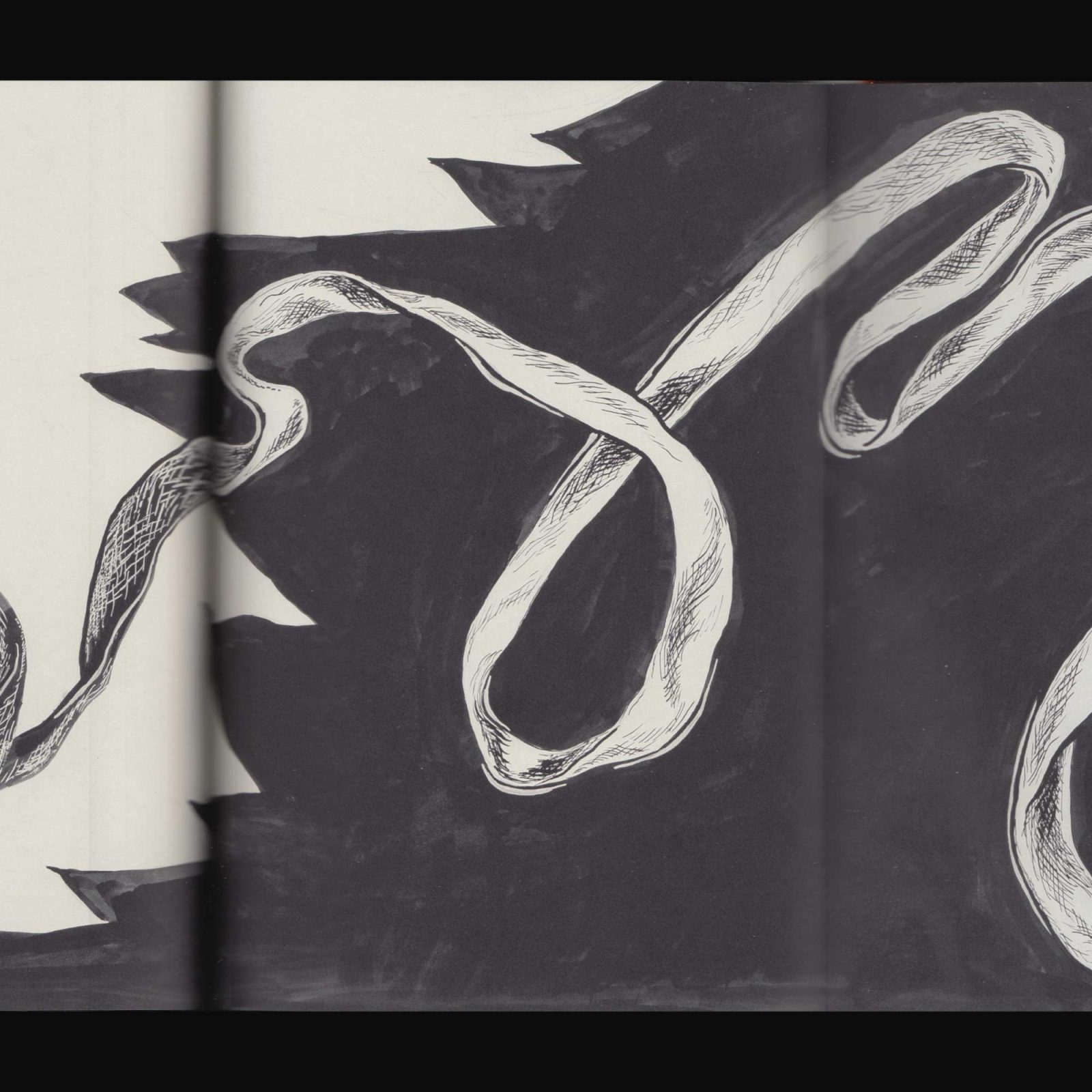
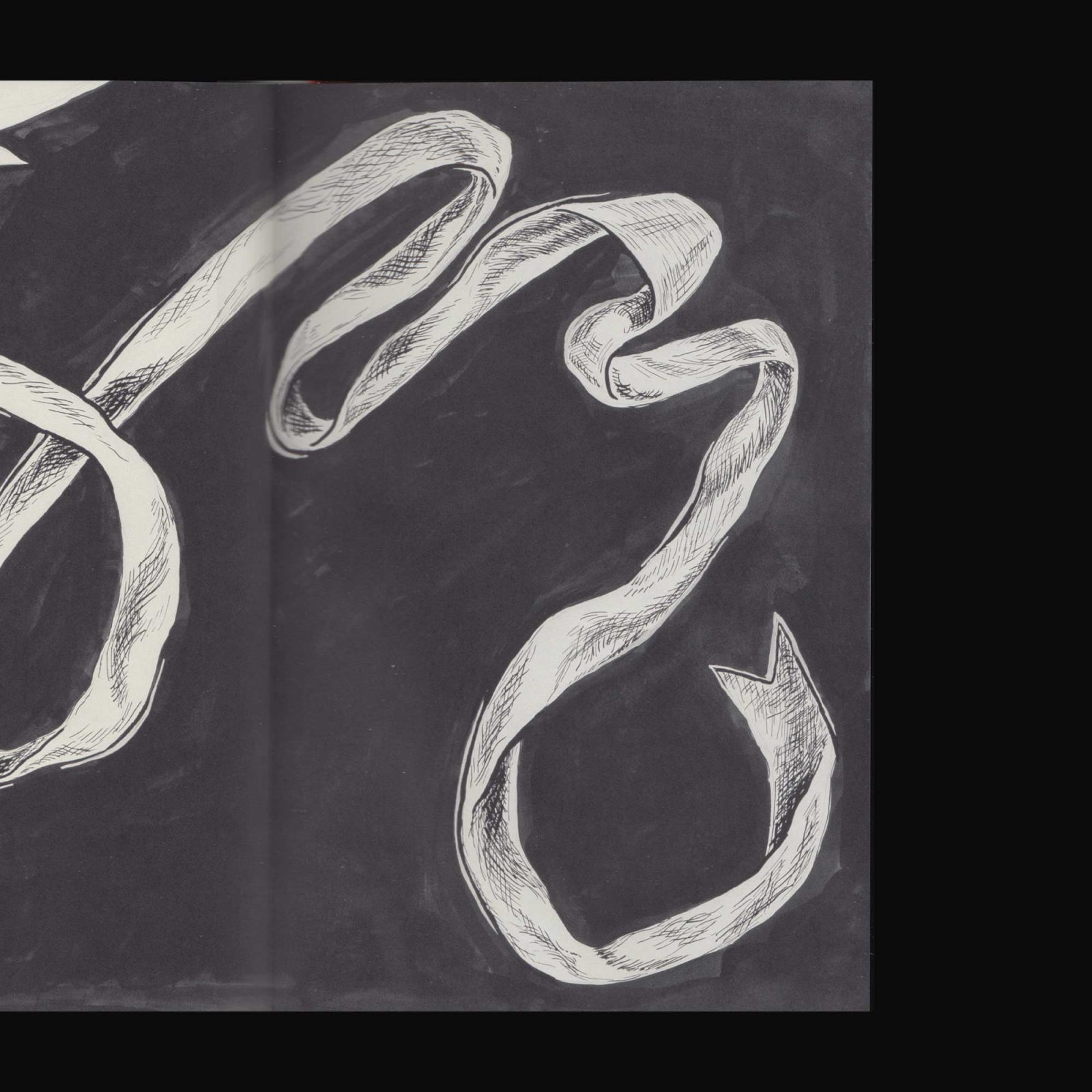
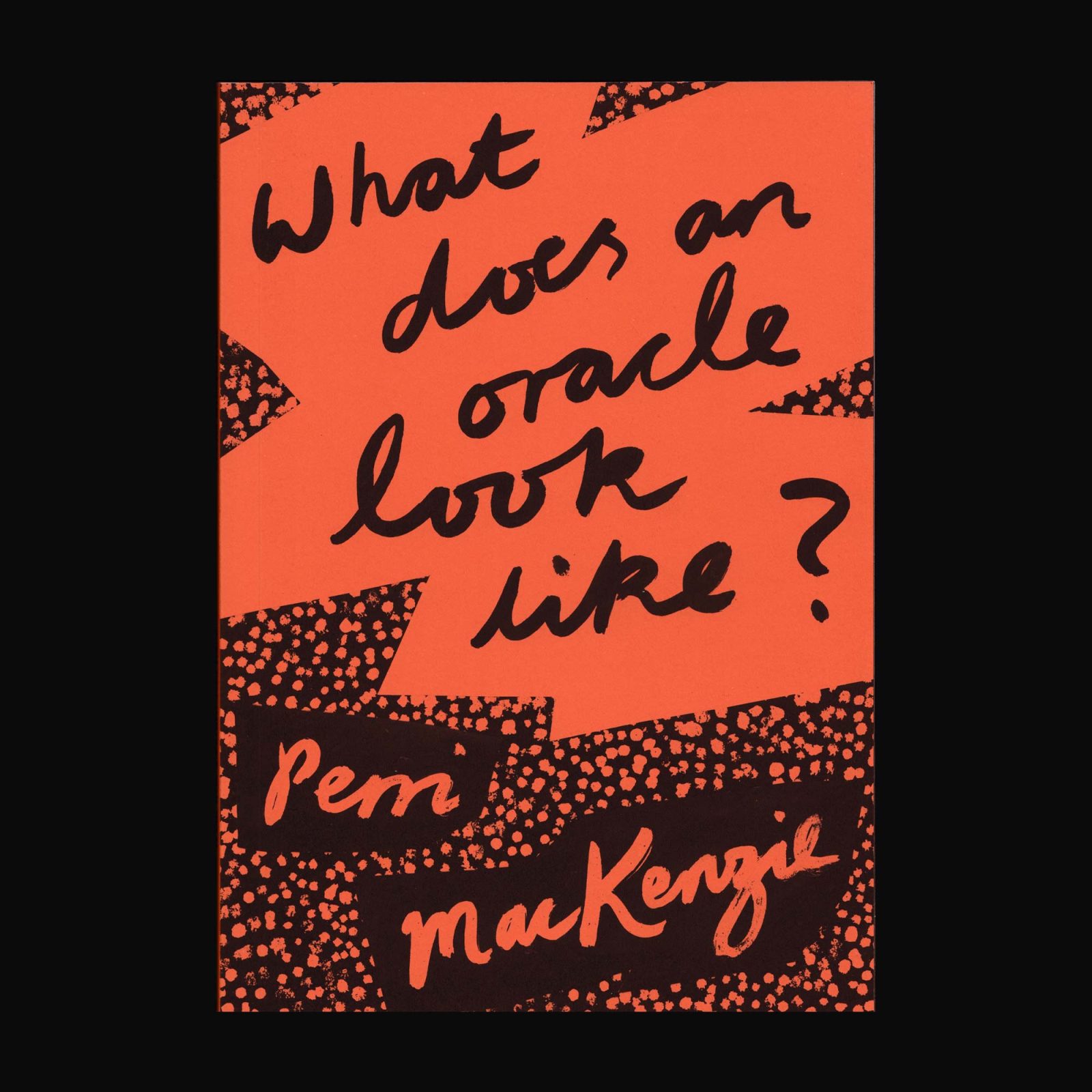
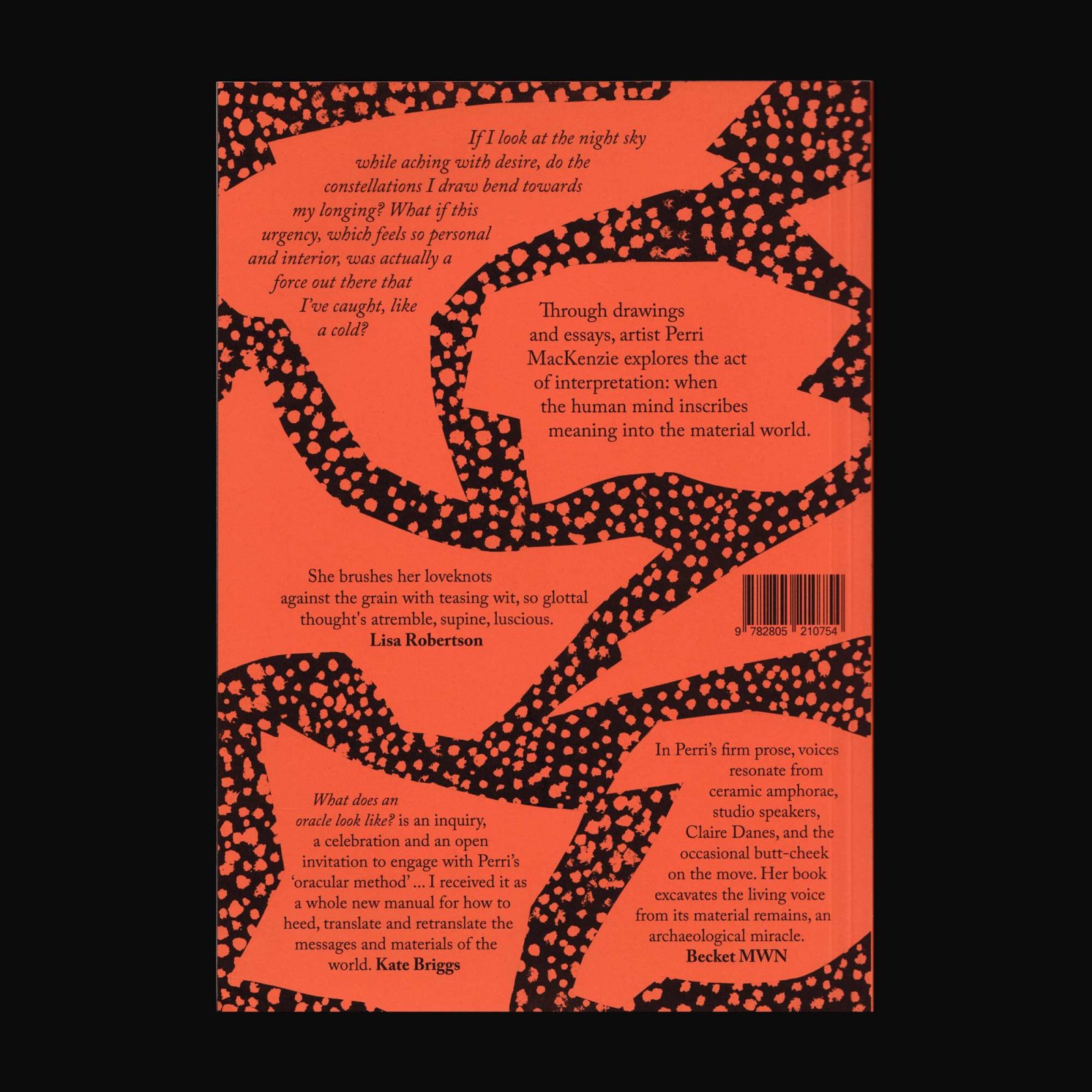
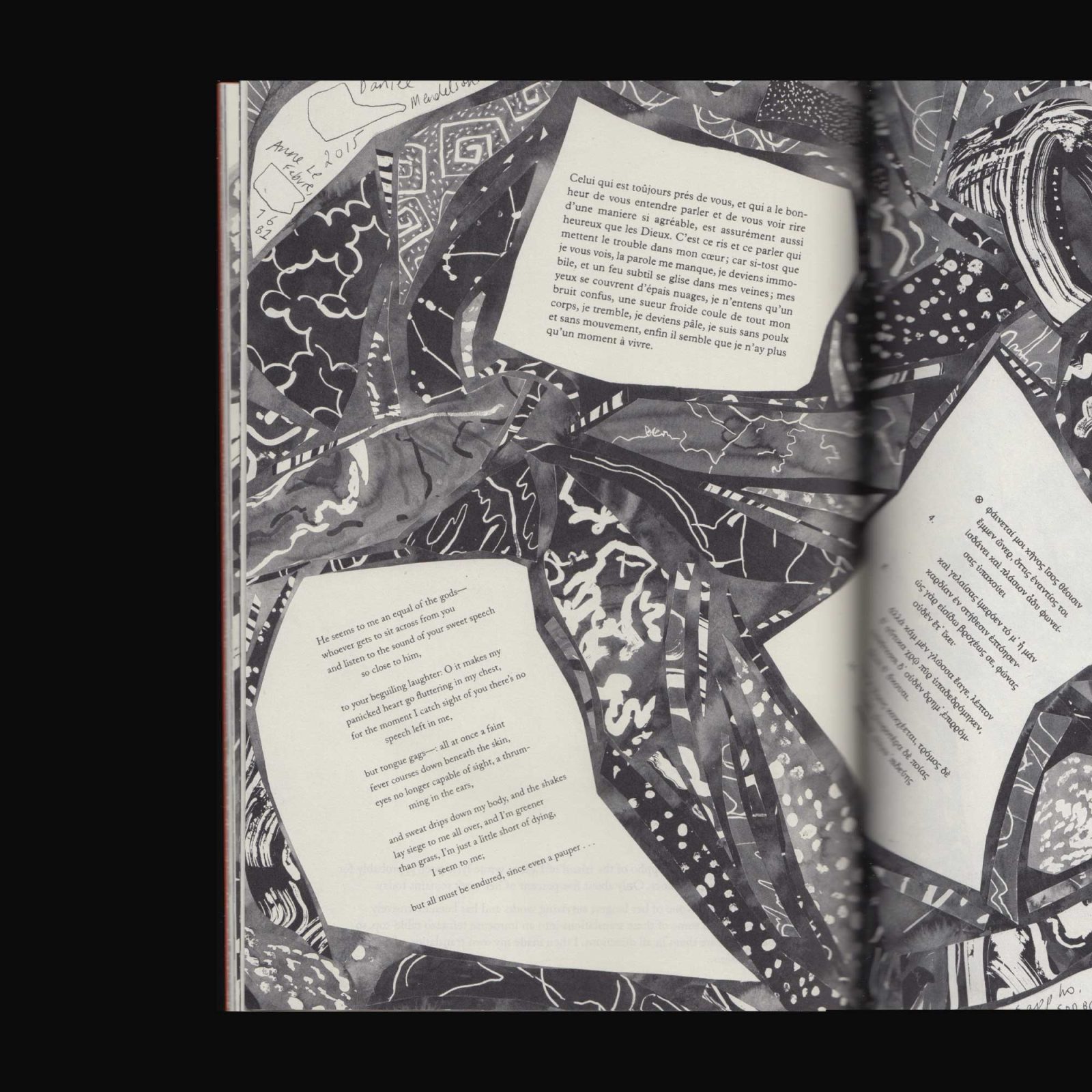
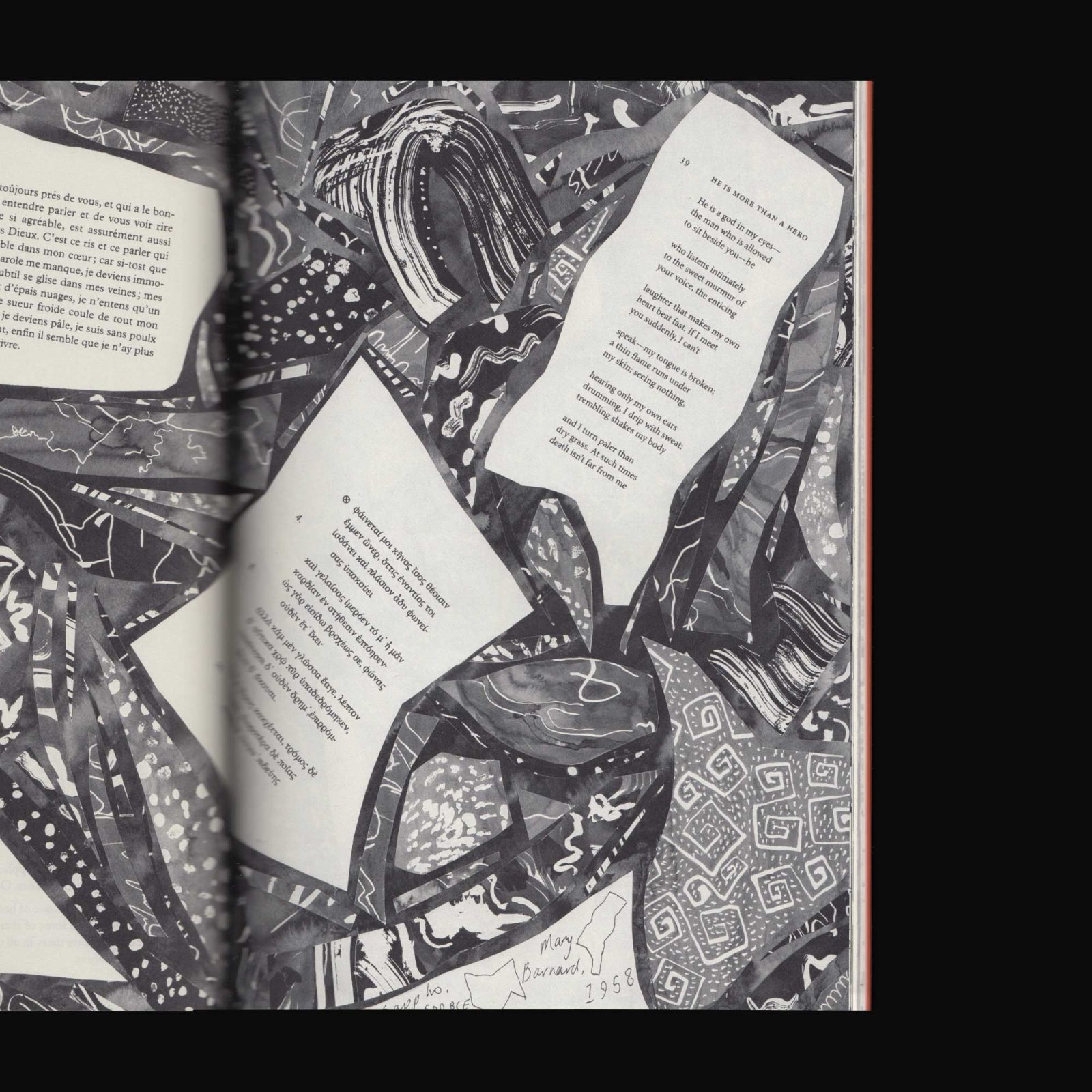
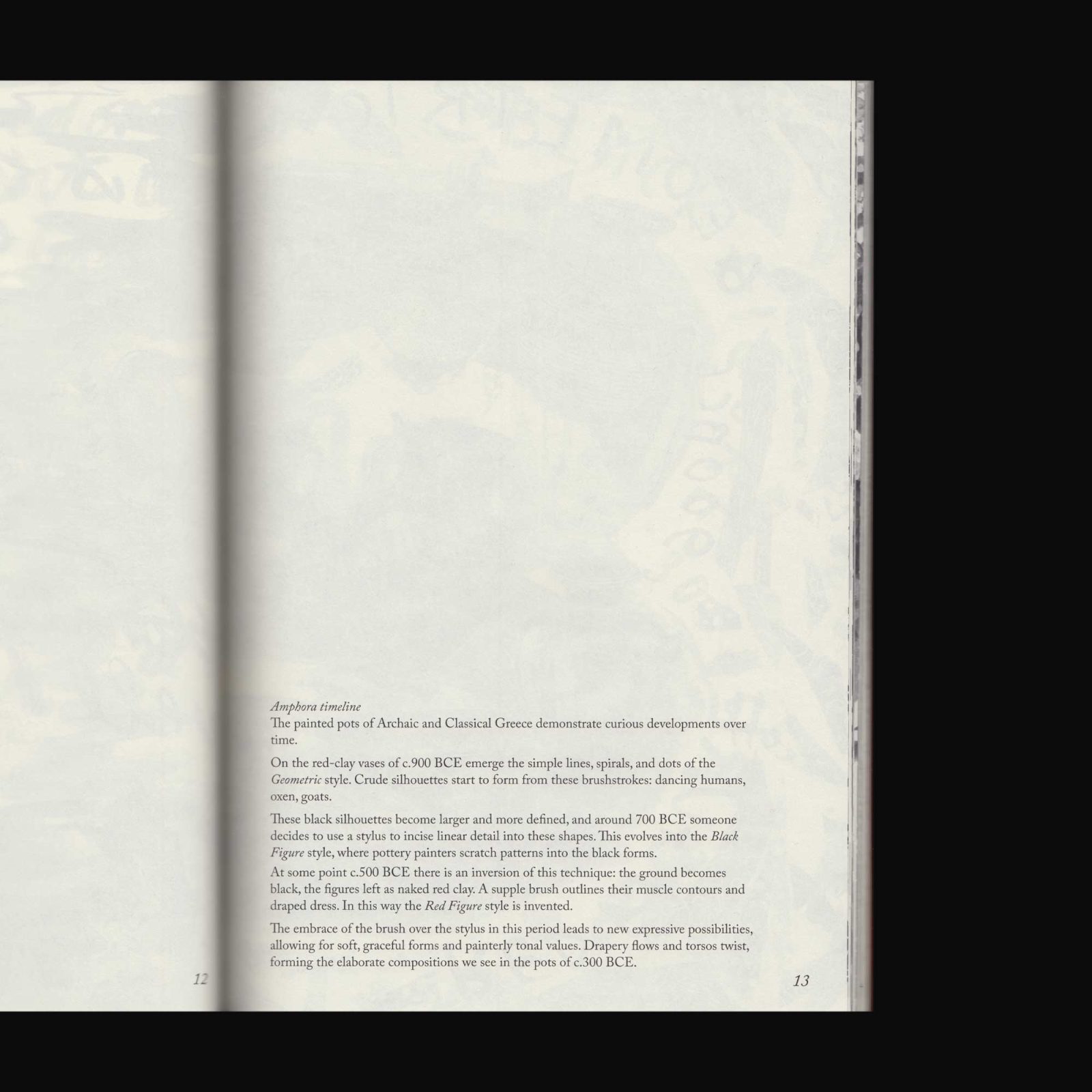
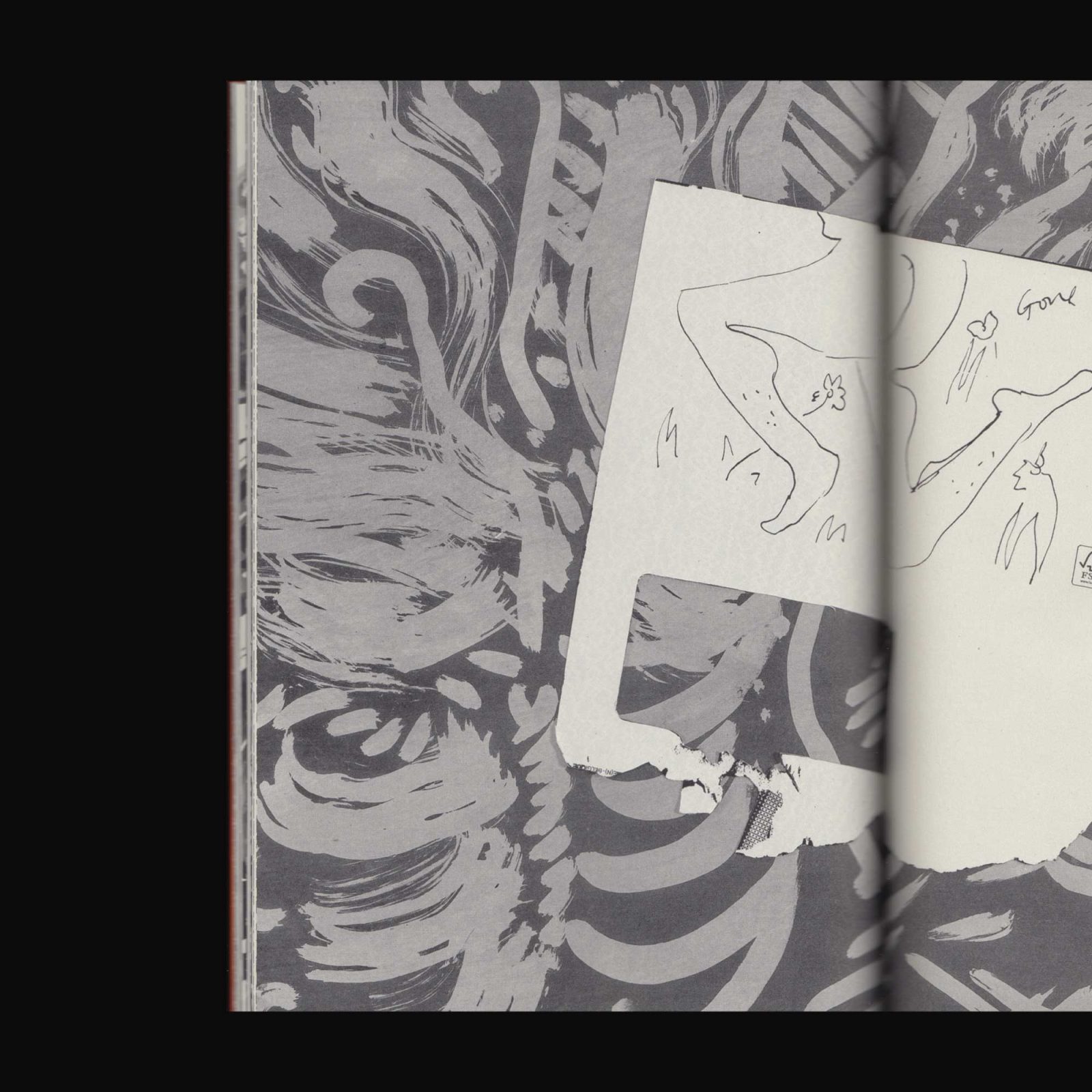
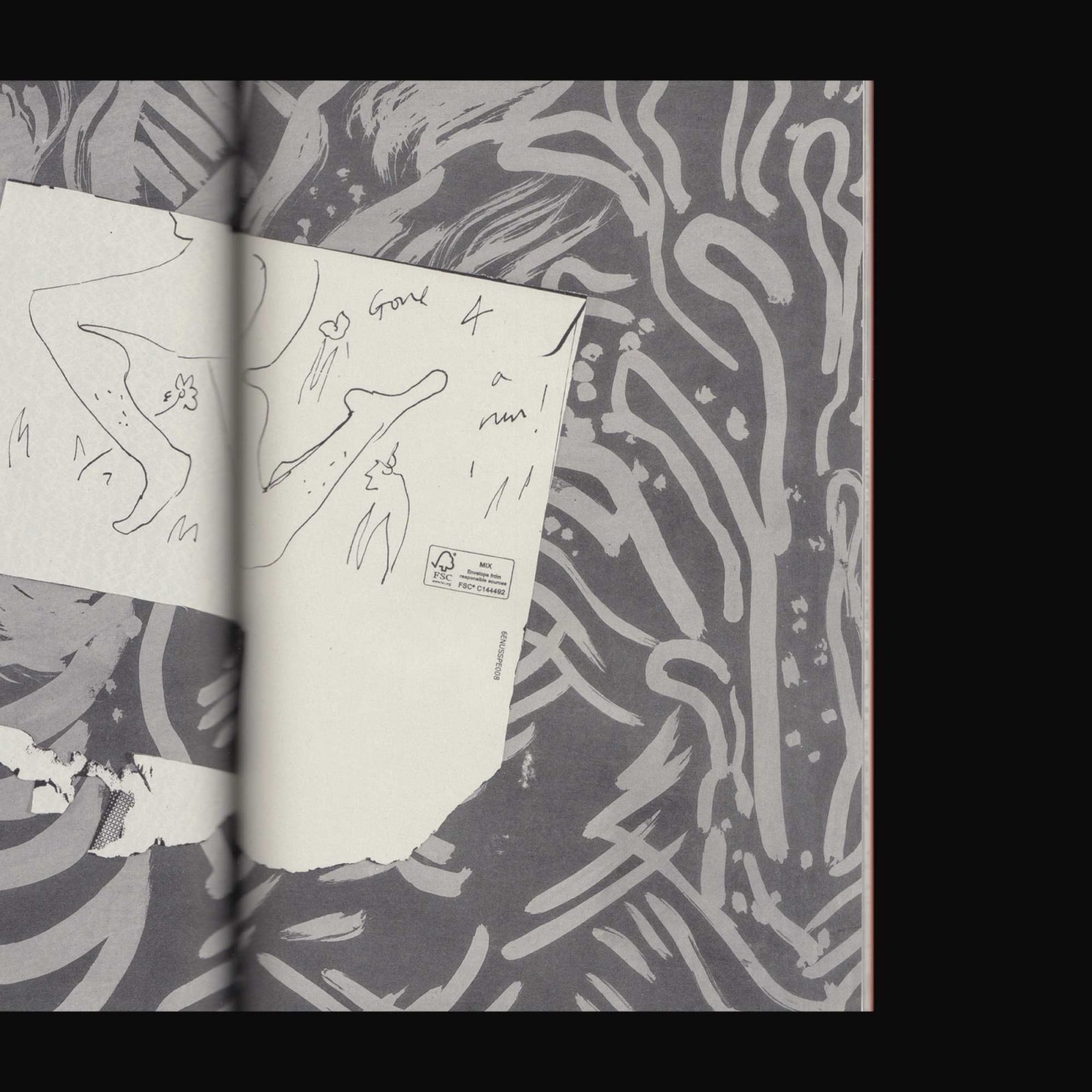
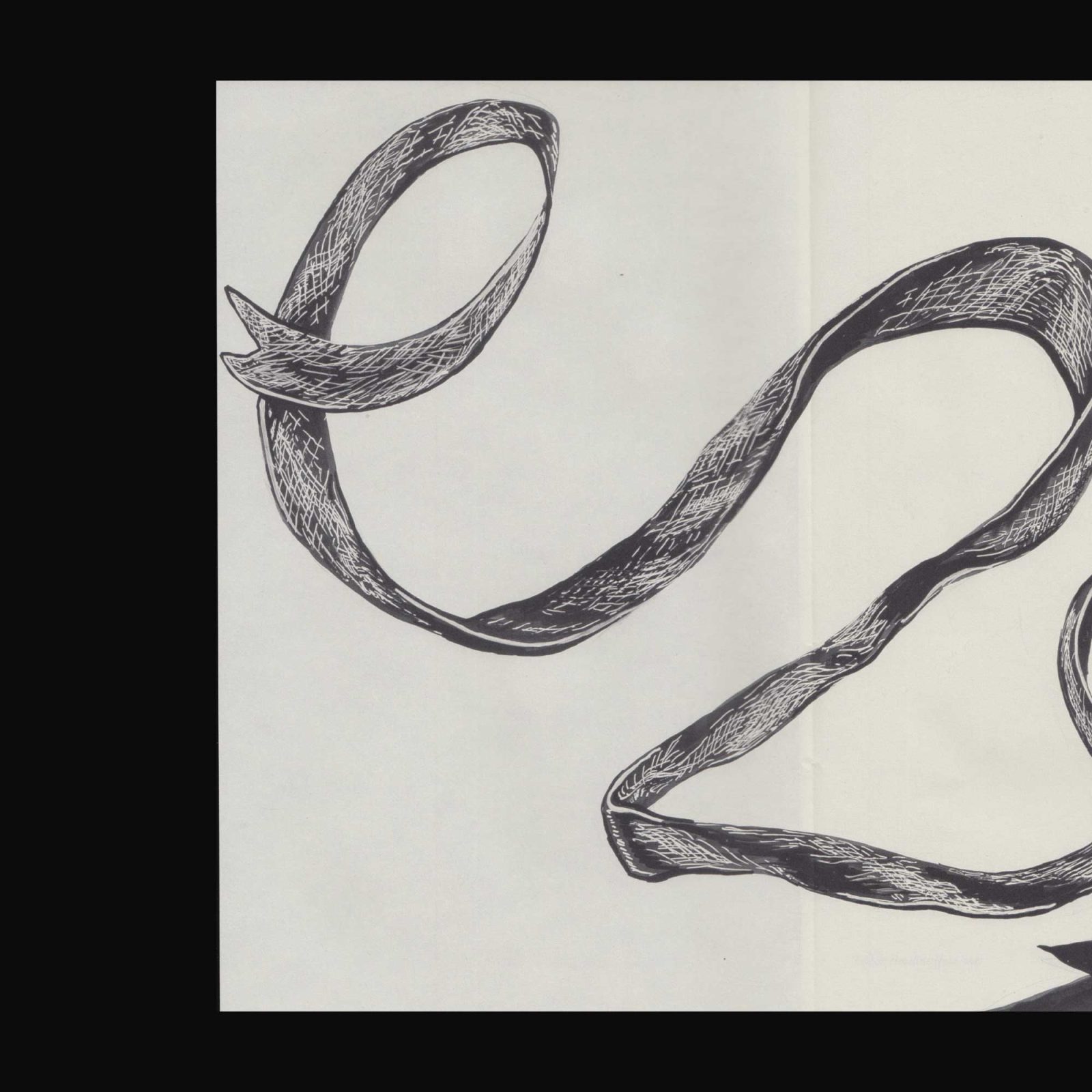
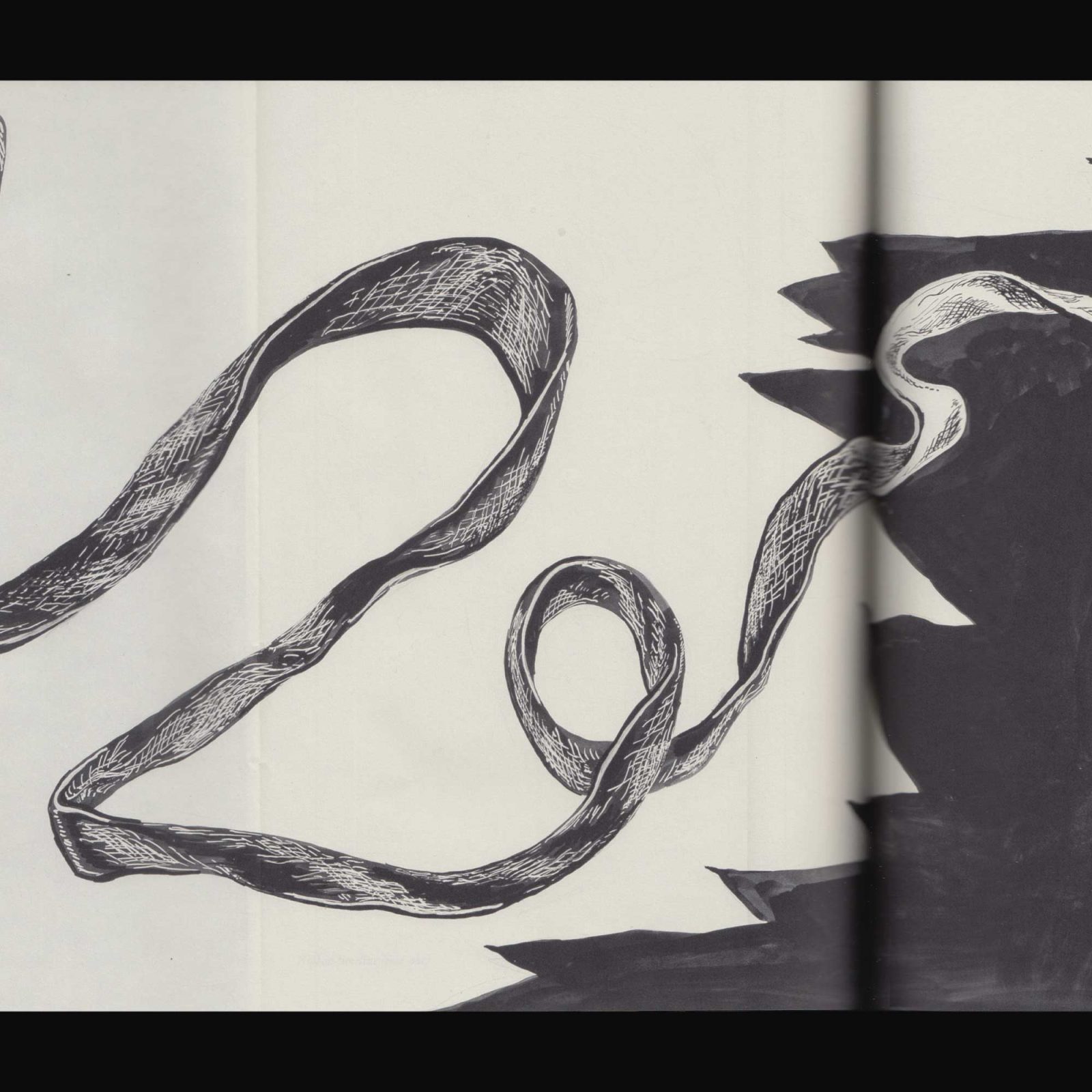
What does an oracle look like? gathers essays and drawings made by Perri MacKenzie between 2020 and 2024, themed loosely around pottery painting and vocal expression. The drawings, rendered in splashy India ink and collage, range from expressive sketches to theatrical still lives and experimental bandes dessinées. The book presents for the first time the essay Cathedral. Part memoir, part literary/sonic investigation, it meditates on the vocal texture of a Hollywood actor.
Designed by Ilke Gers.


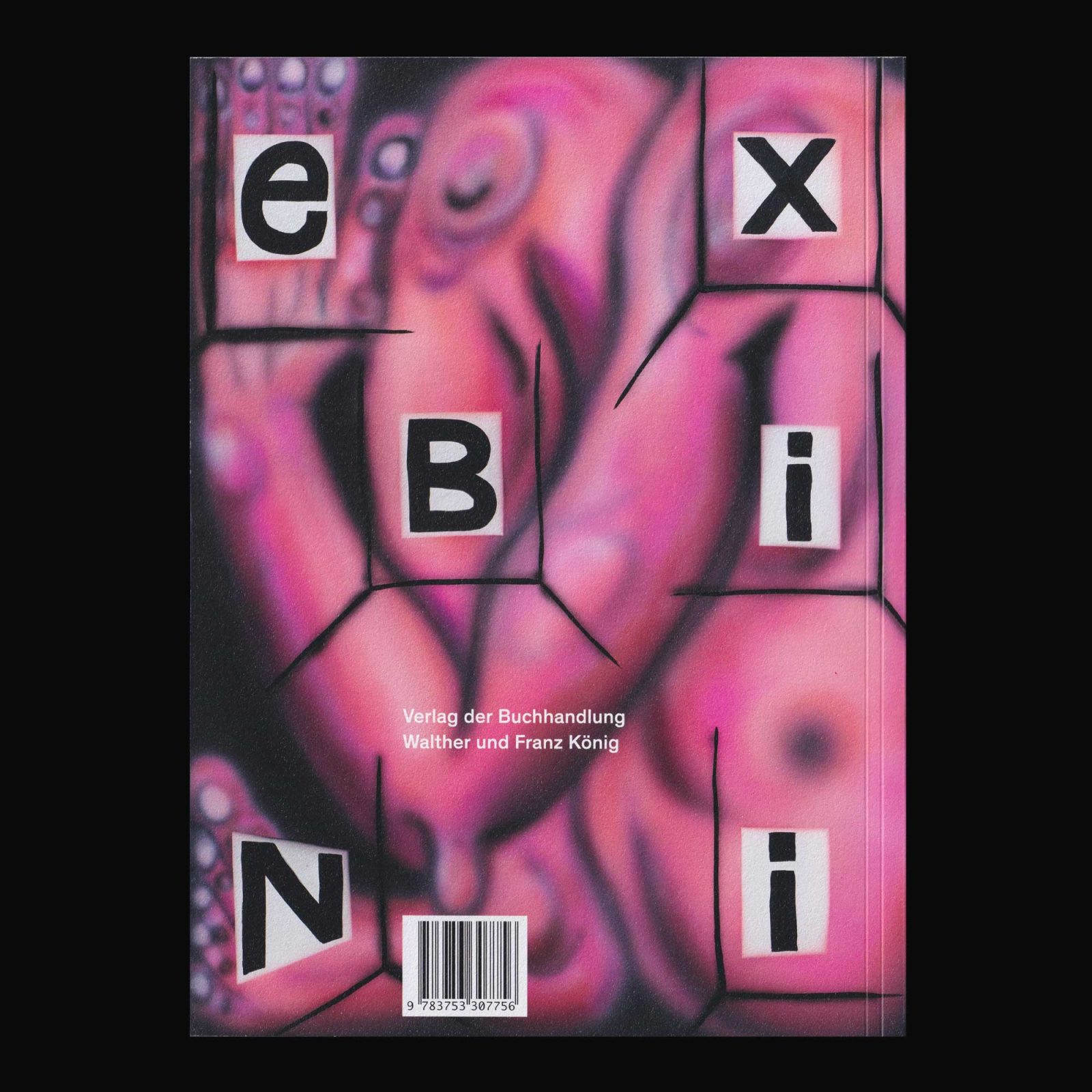
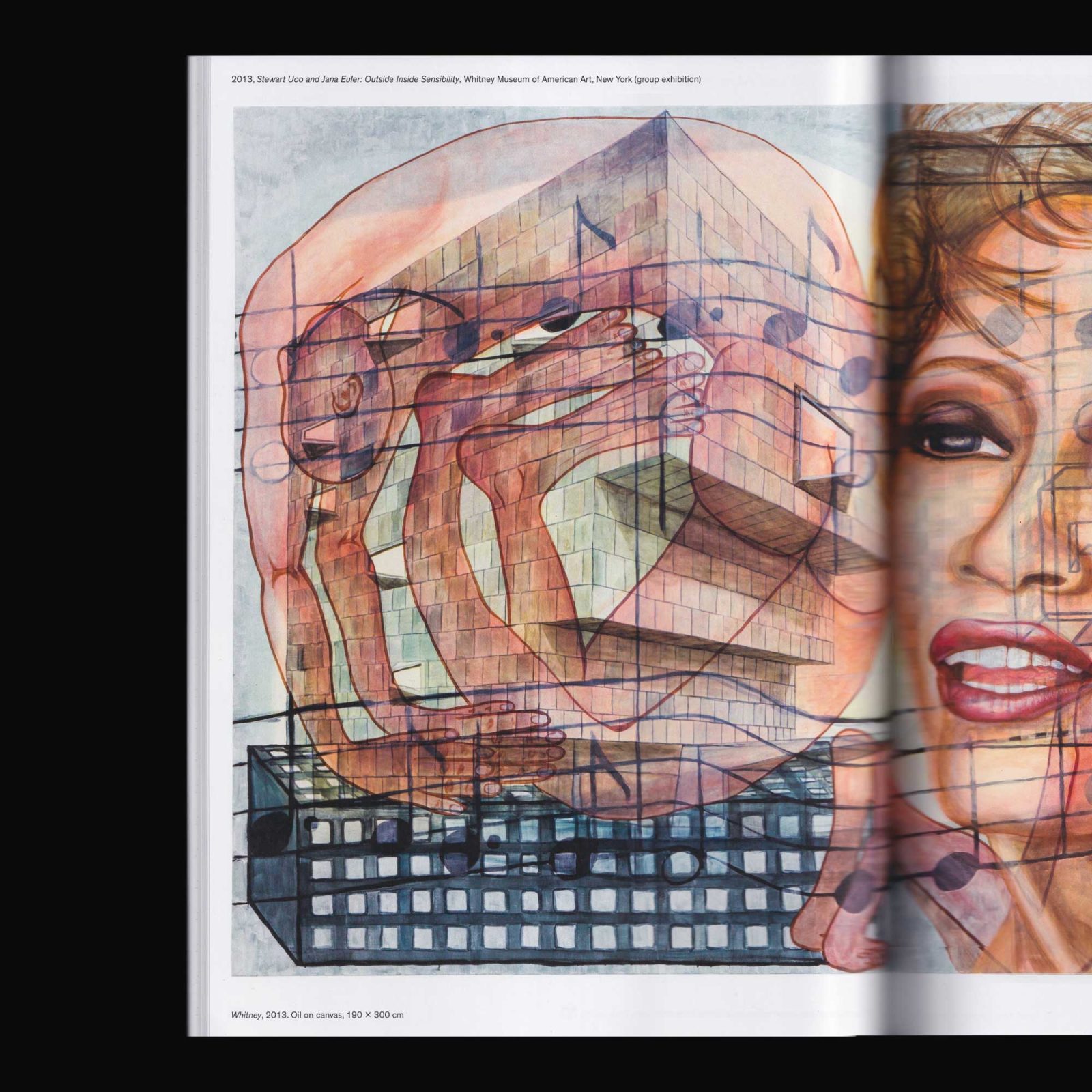
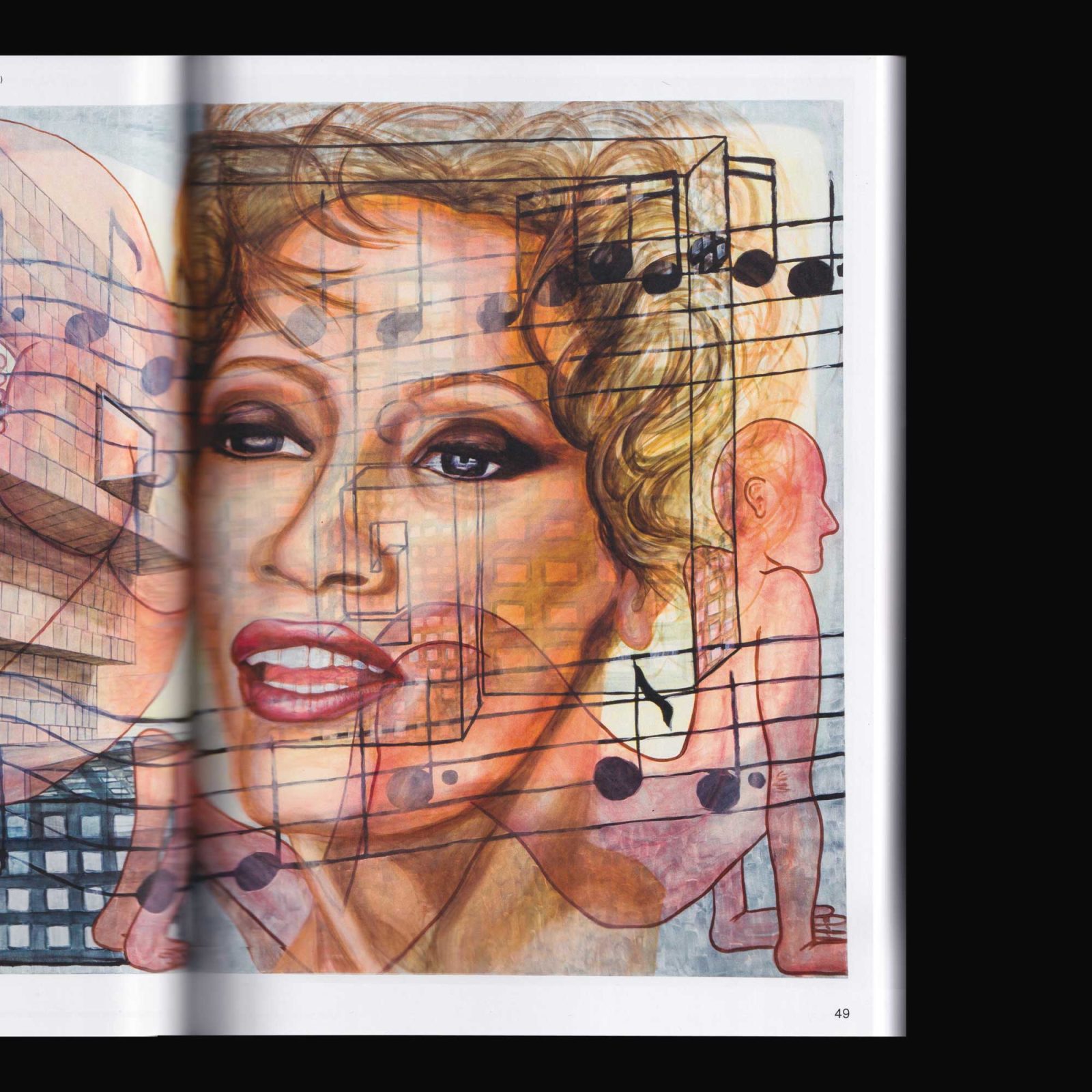
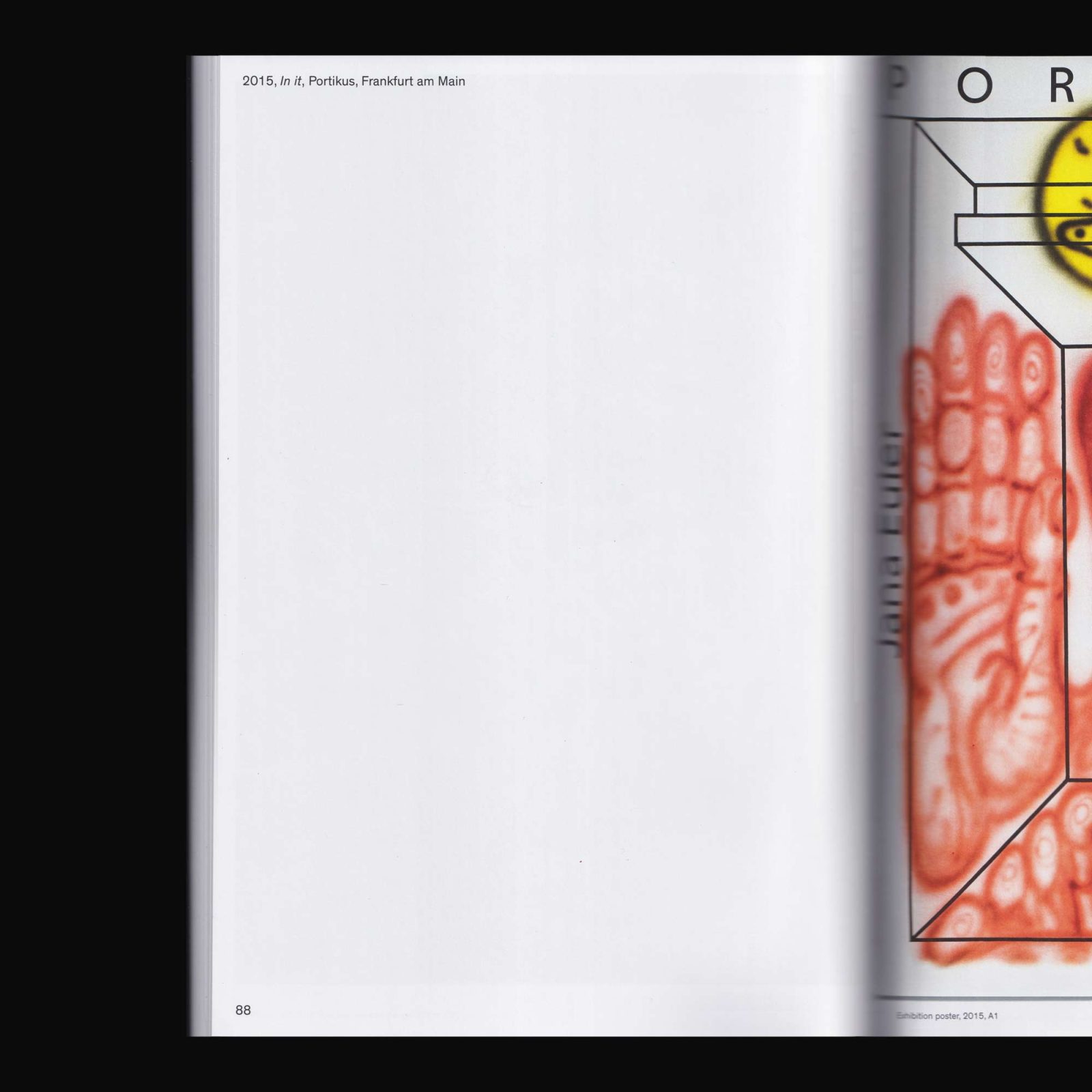
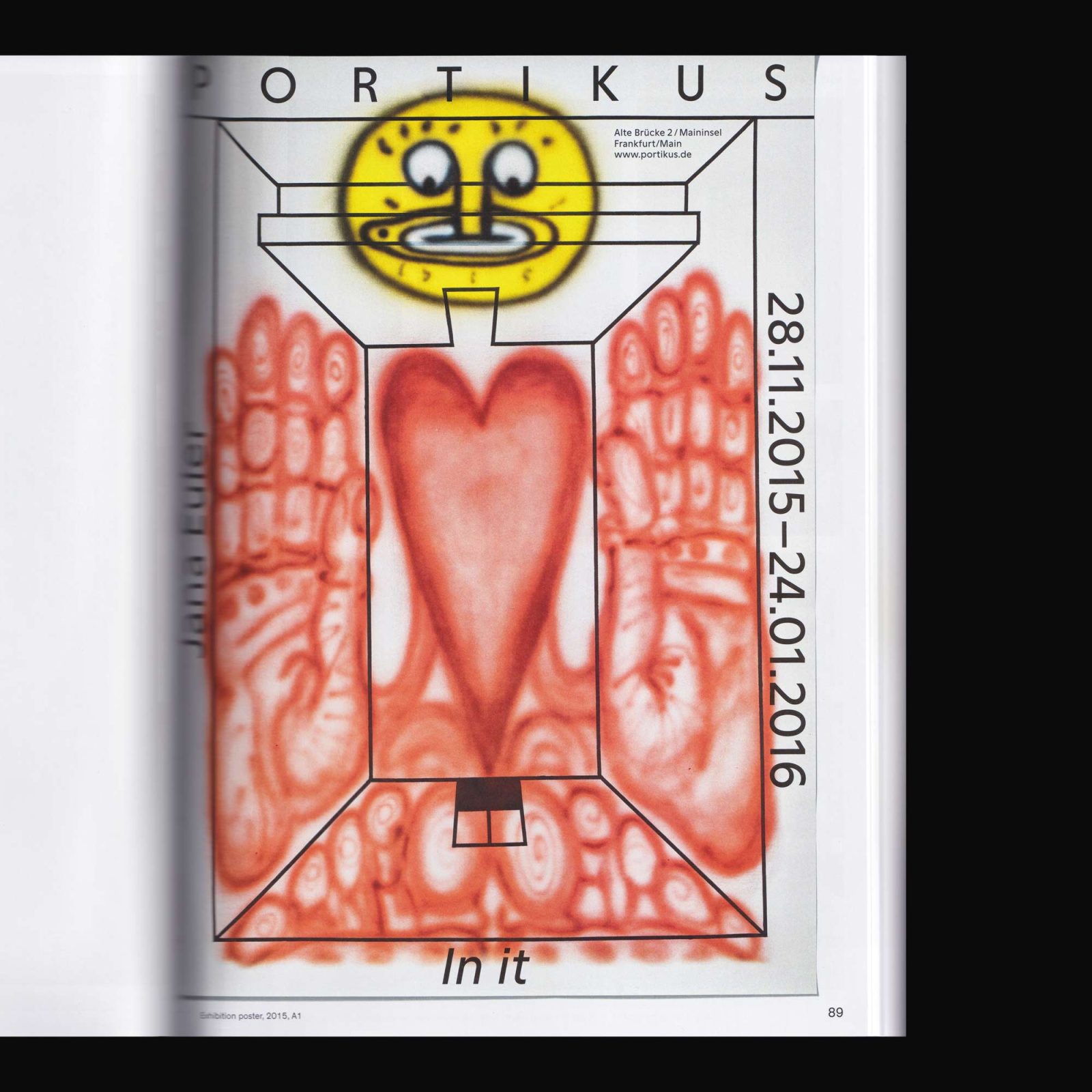
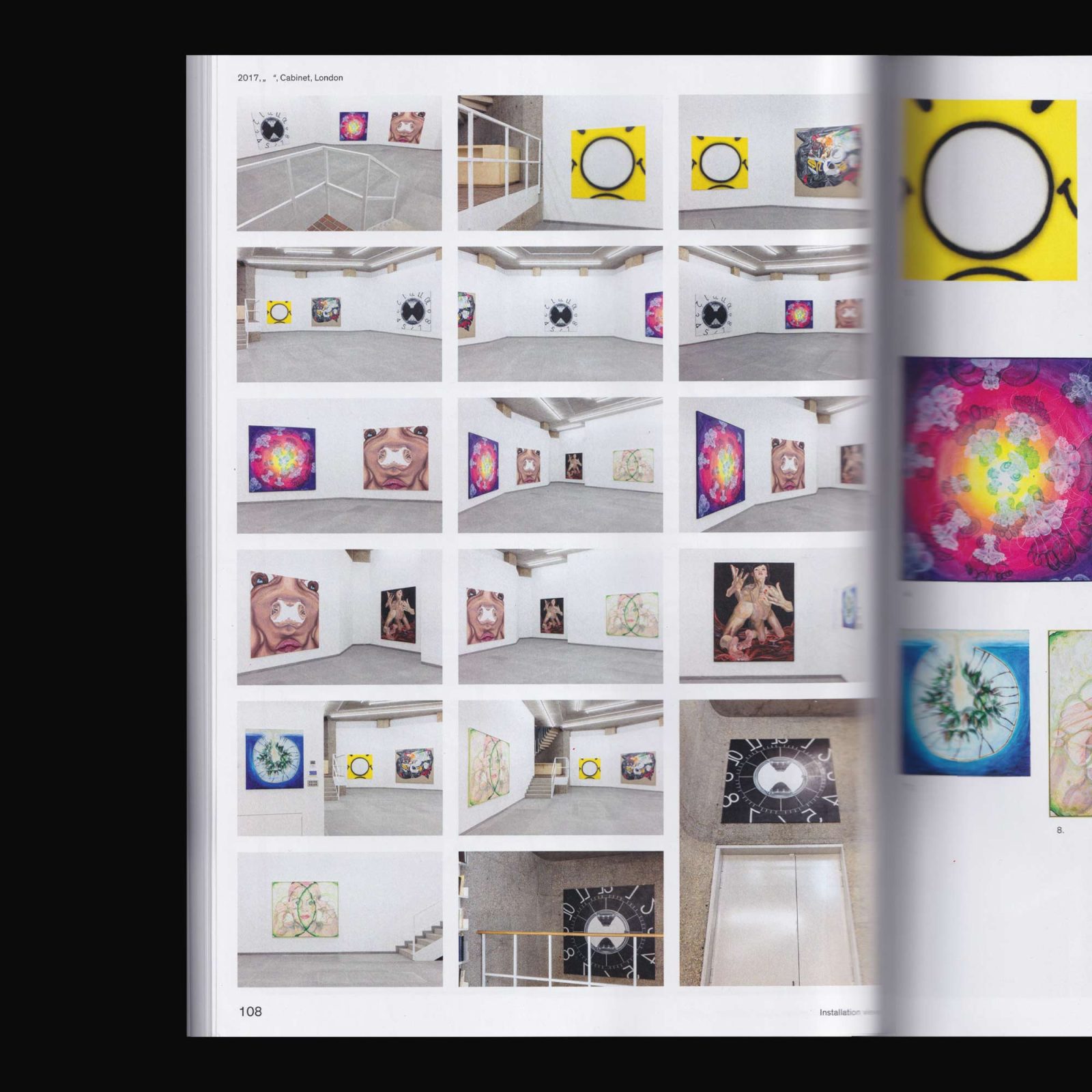
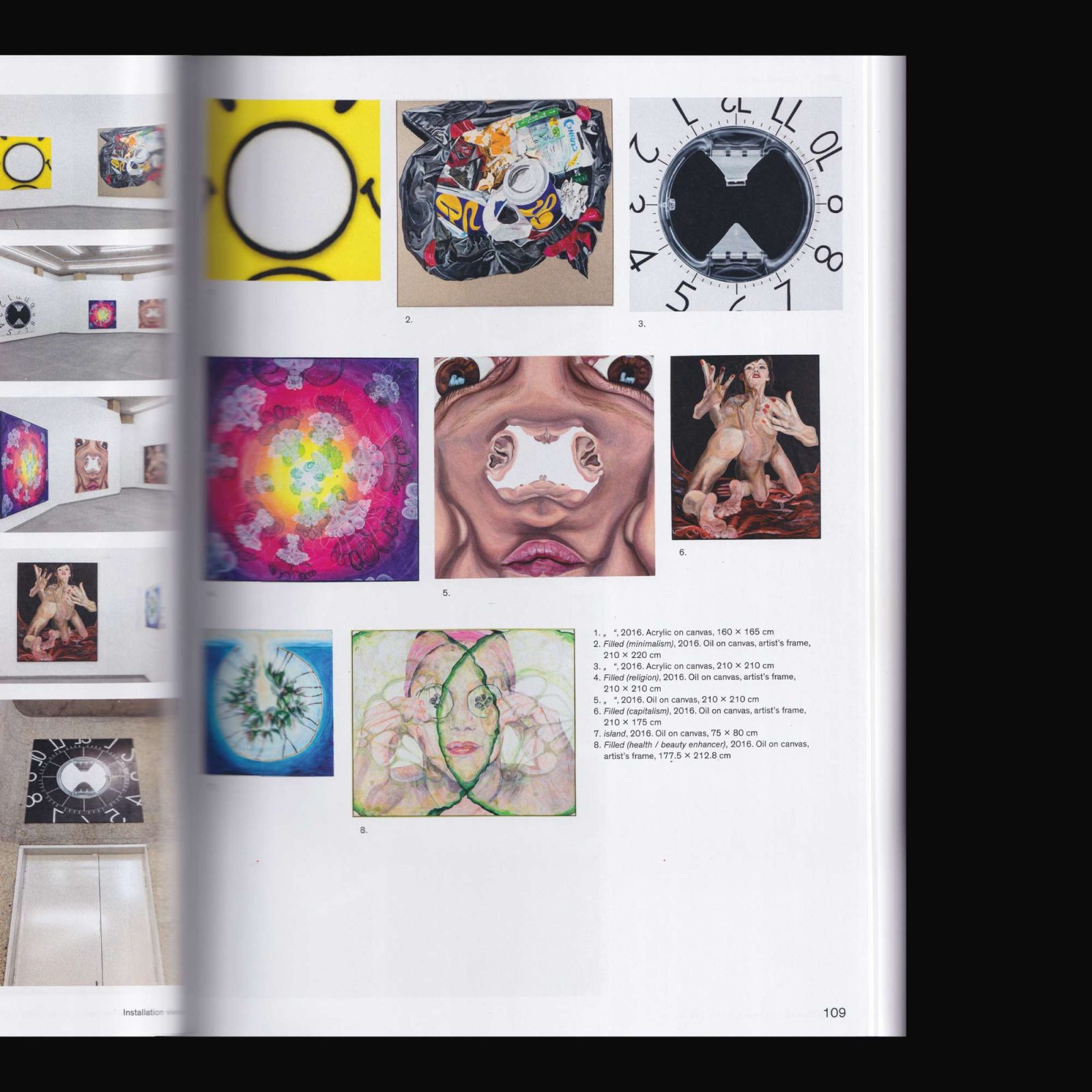
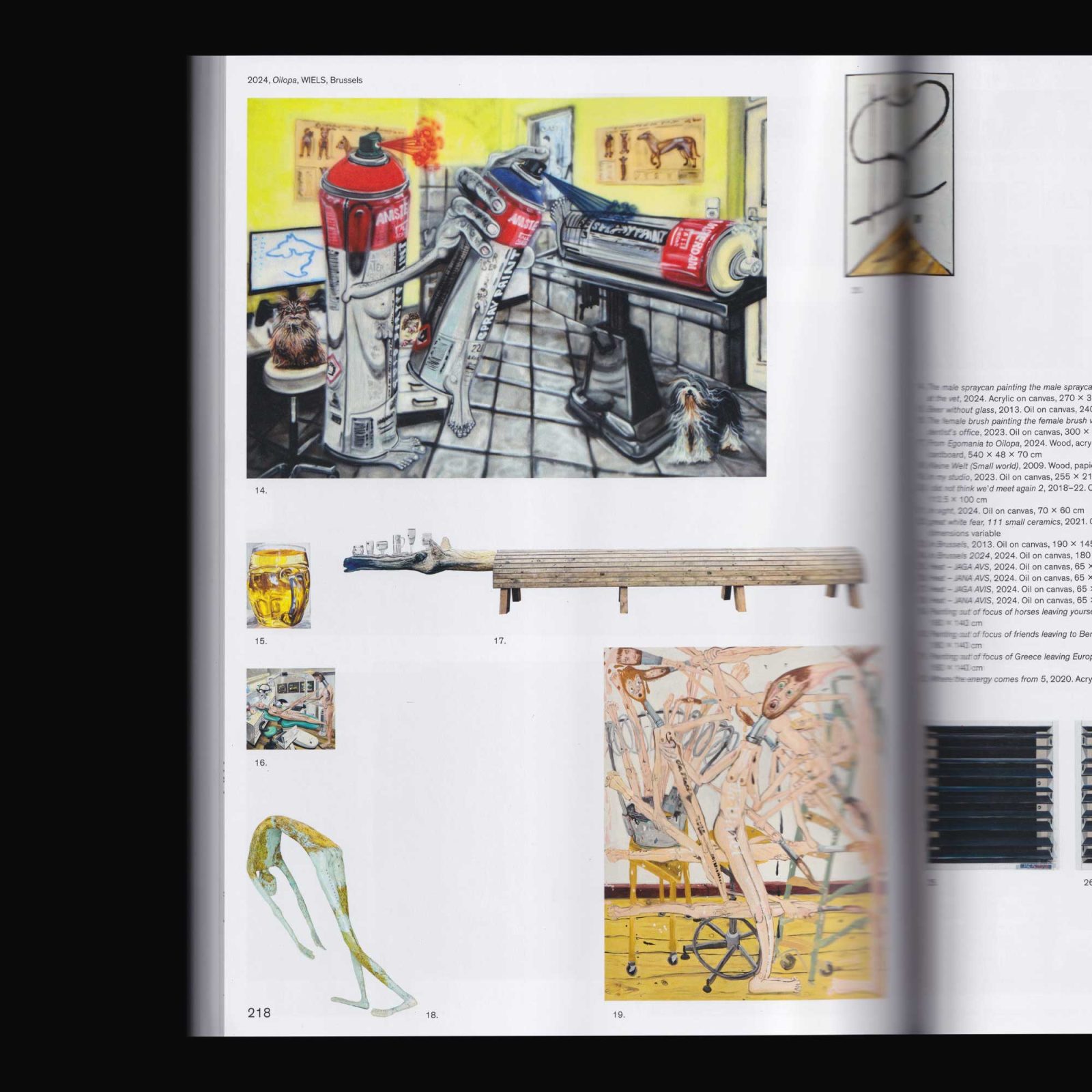
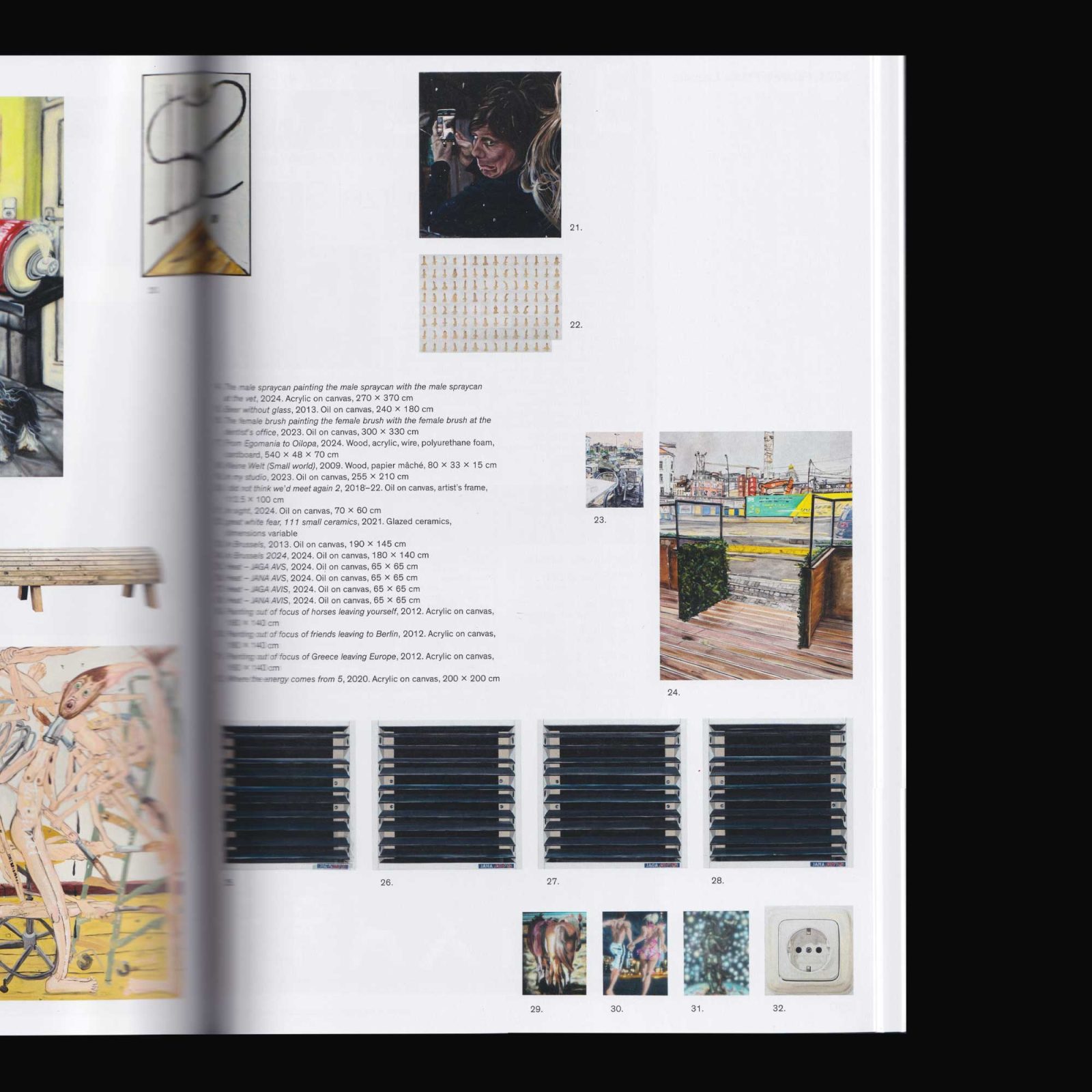
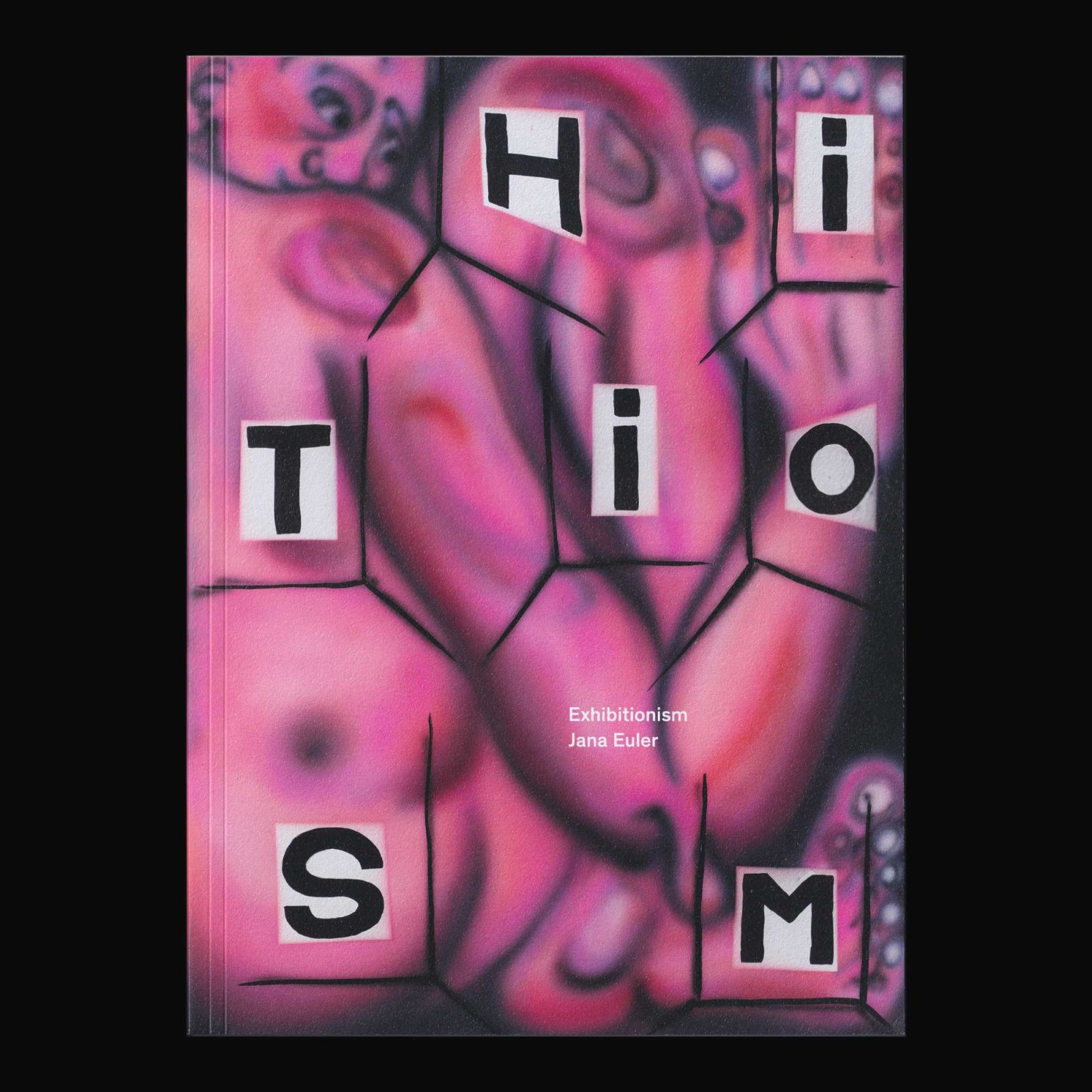
Jana Euler’s artistic practice is stylistically varied, at the same time critically incisive, direct and witty, sometimes even silly, always attuned to the social and material bases of her chosen medium. This richly illustrated monograph highlights Euler’s unique approach to producing exhibitions, which the artist has likened to a kind of “body, made up of all the parts that go into the different aspects of exhibiting.” Exhibitionism traces her evolving practice through her own memories and studio archive: surfacing invitation cards, exhibition texts, posters and diagrams, alongside new drawings and collages made especially for the book.


Comprehensive survey of early Japanese abstract painting (and photography). Including Koshiro Onchi, Iwata Nakayama, Saburo Hasegawa, Kiyoshi Koishi, Ryuichi Amano, Ei-Q and many more.


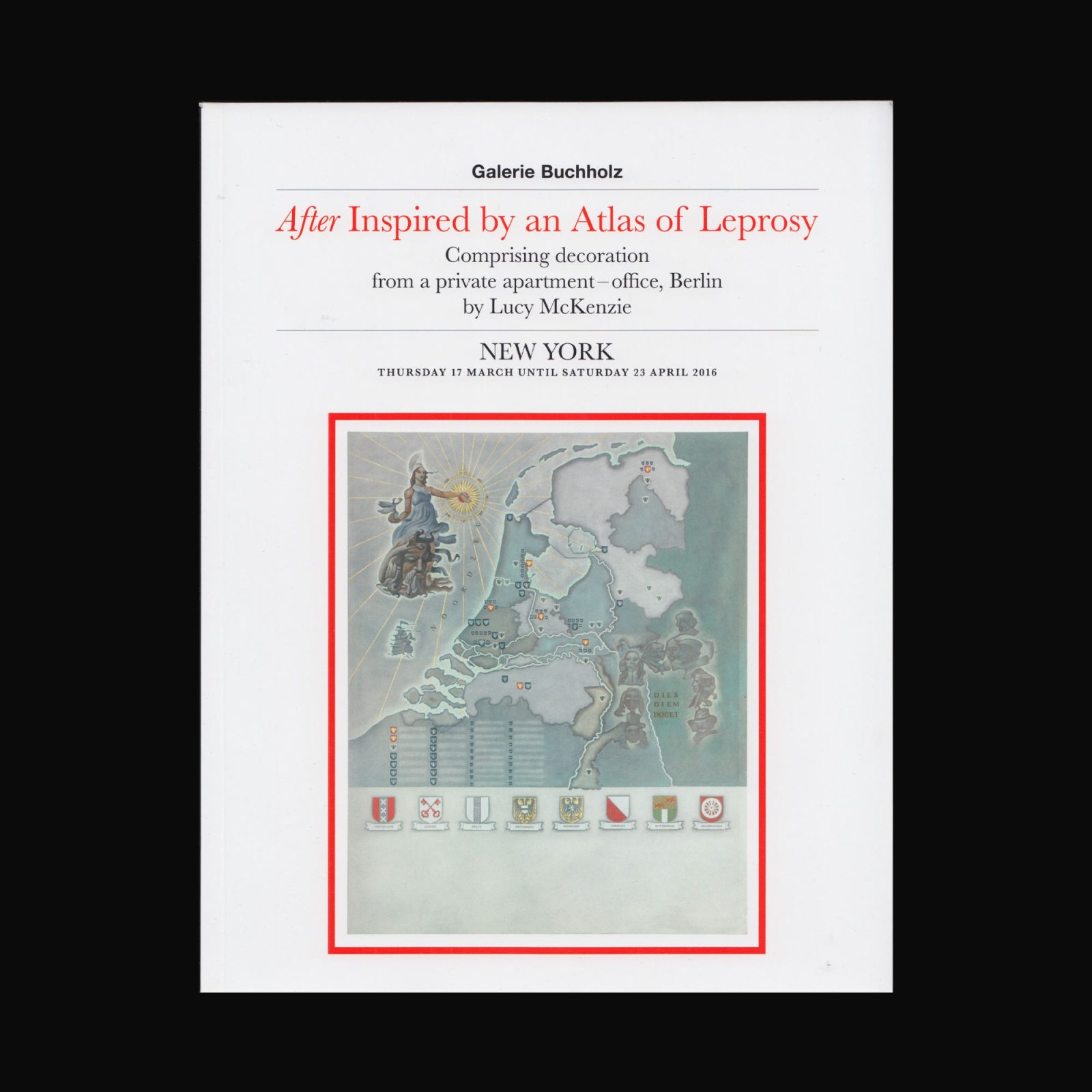
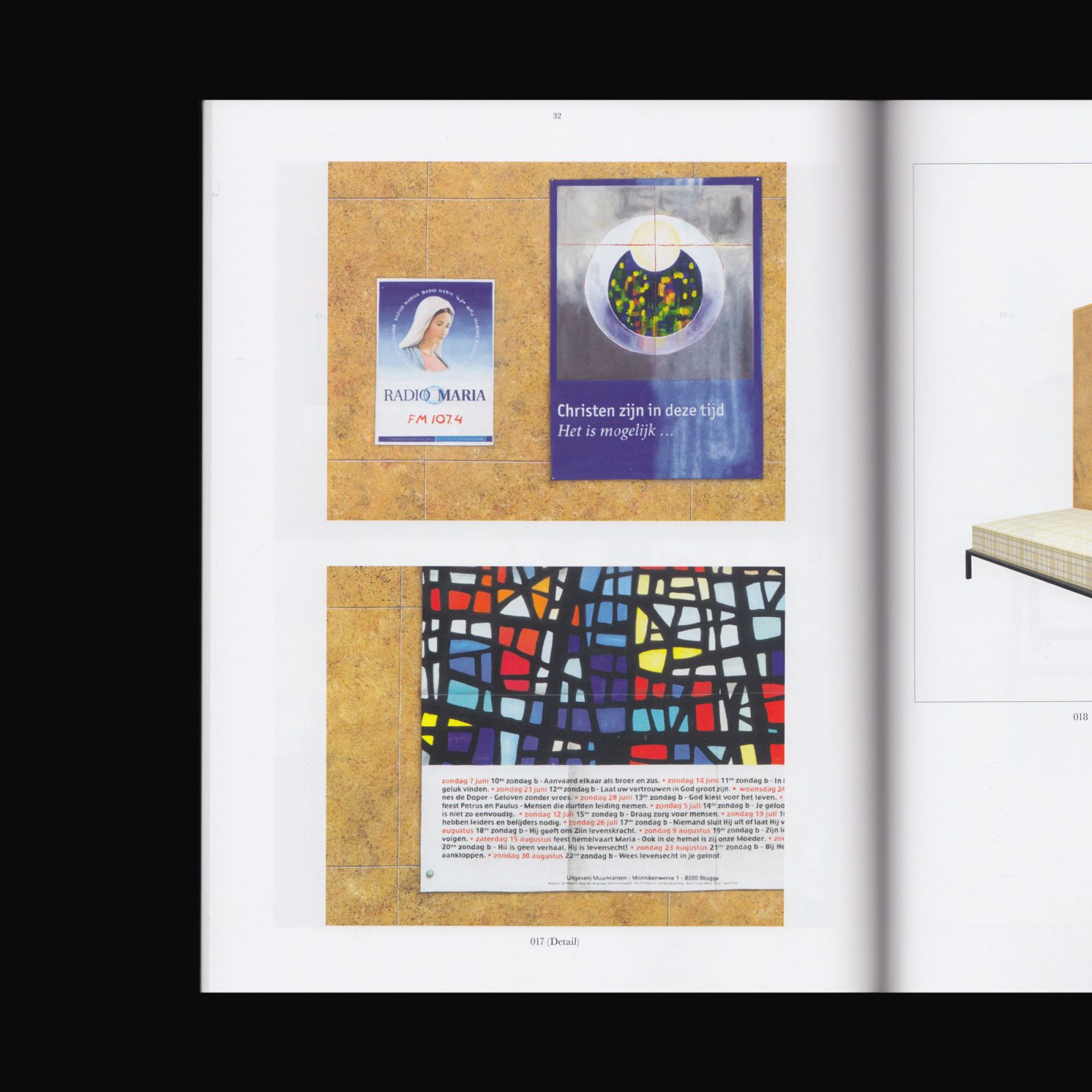
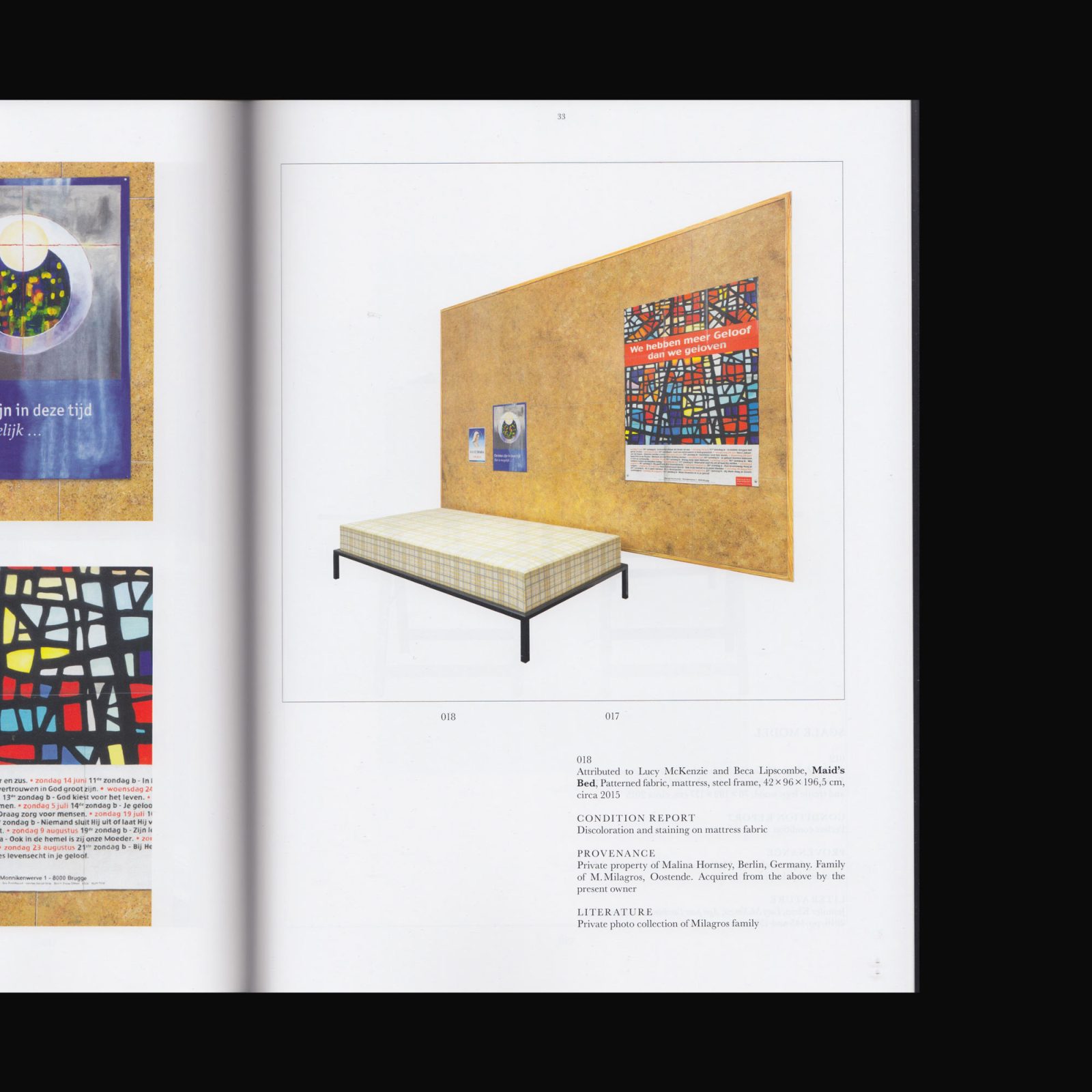
Produced on the occasion of two exhibitions by Lucy McKenzie at Galerie Buchholz in Berlin and New York. The book takes the form of an inventory from an estate sale. It lists all items and describes them with faux provenances and sources.


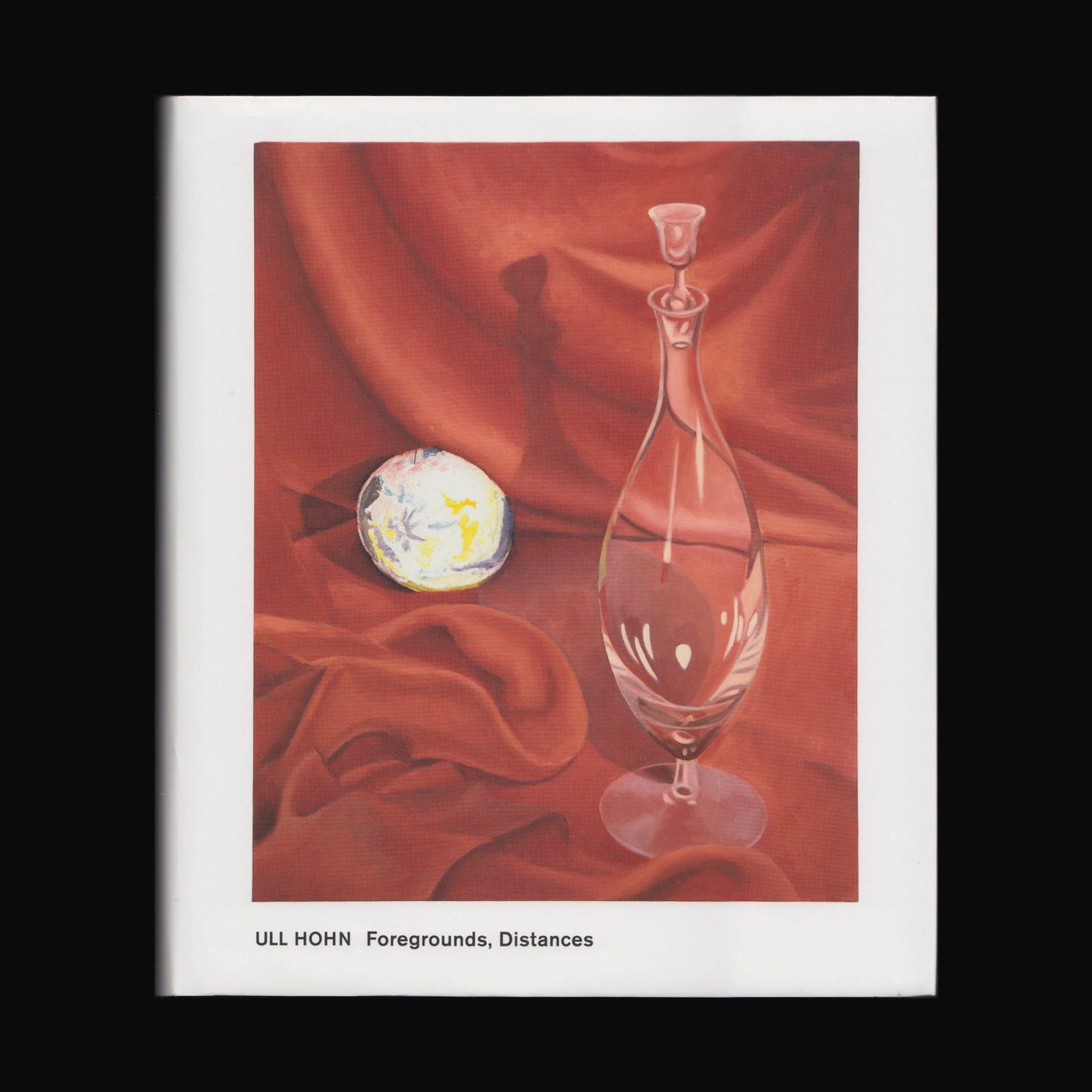
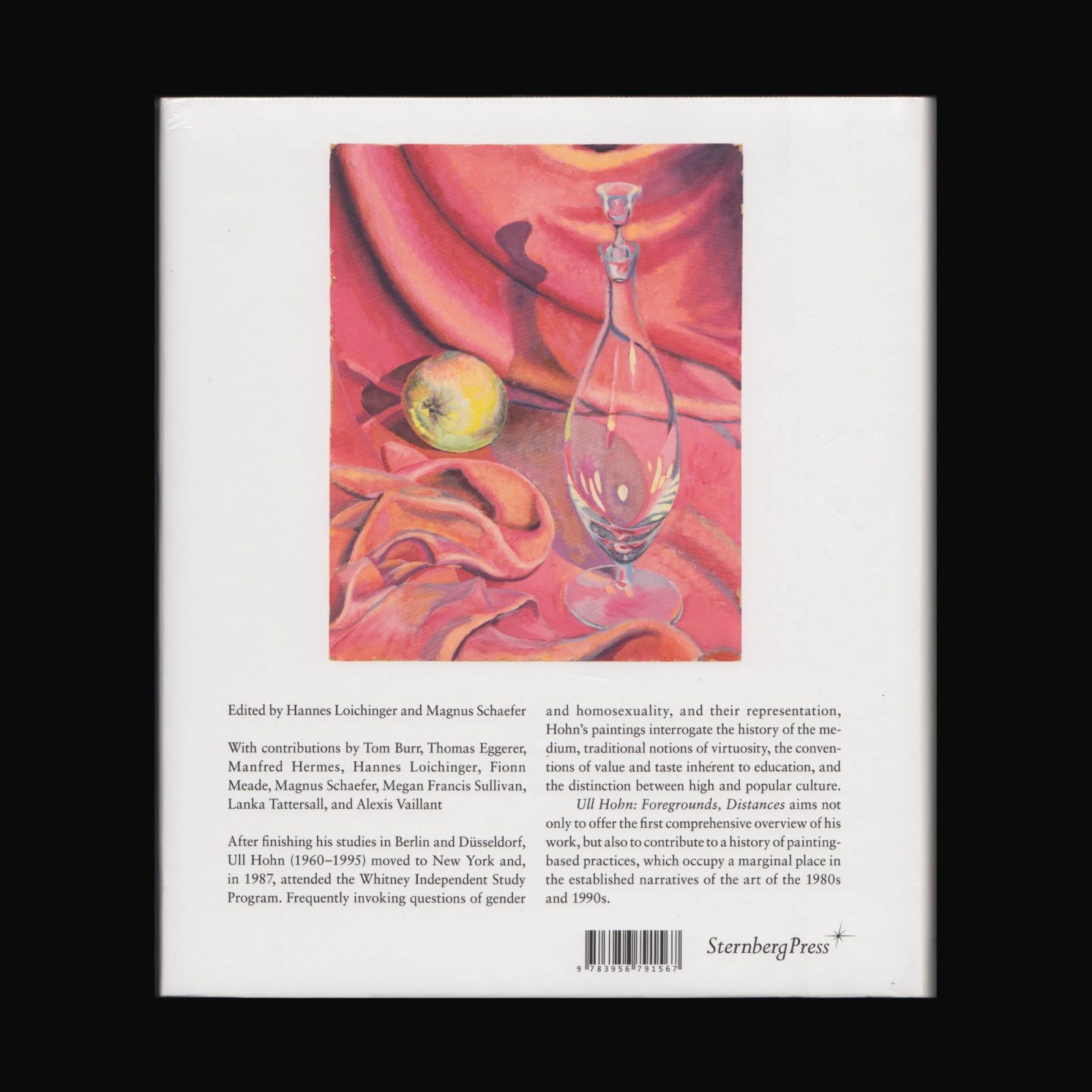
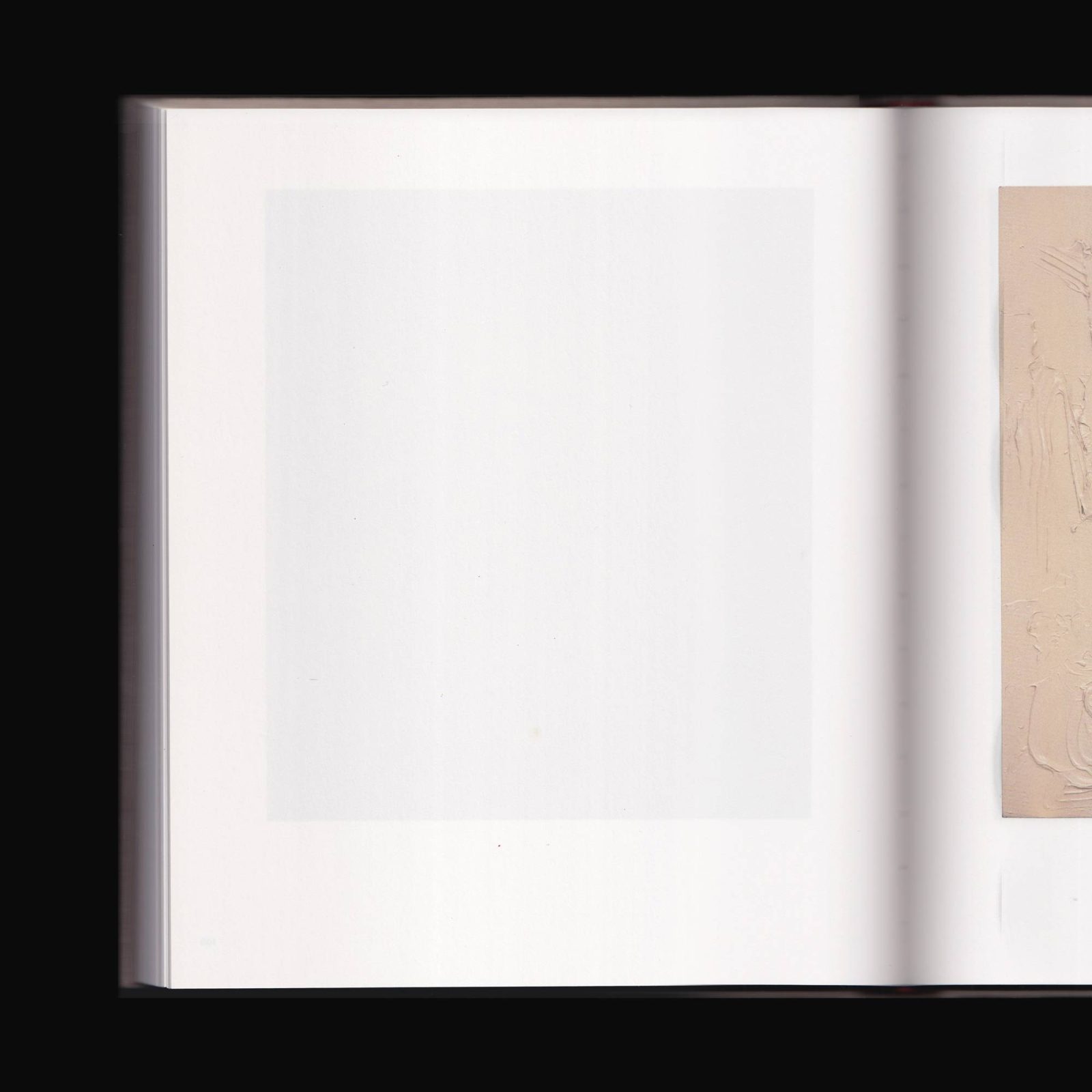
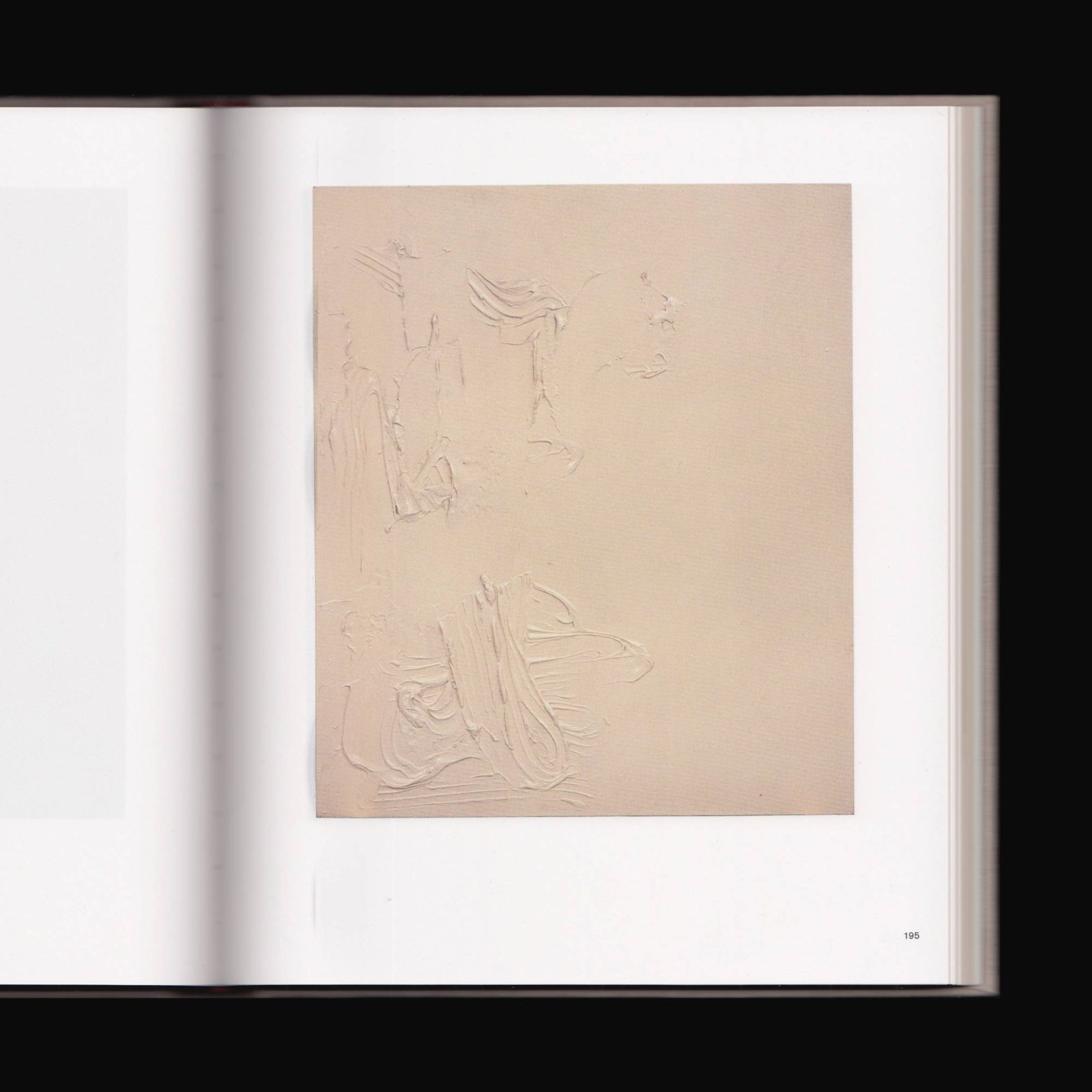
After his studies at the arts academies in Berlin and Düsseldorf, Ull Hohn (1960–1995) moved to New York to attend the Whitney Independent Study Program in 1987. Engaging with current theoretical debates and cultural issues, his work from the late 1980s and early 1990s frequently invokes questions of gender and homosexuality, as well as their representation. It interrogates the history of painting, traditional notions of virtuosity, the conventions of value and taste inherent to education, and the distinction between high and popular culture.

Ull Hohn: Foregrounds, Distances aims not only to offer the first comprehensive overview of his work, but also to contribute to a history of painting-based practices, which occupy a marginal place in the established narratives of the art of the 1980s and 1990s.