Produced on the occasion of Luciano Fabro’s exhibition at Micheline Szwajcer Gallery, Antwerp, that opened on 20 May, 1985.

Produced on the occasion of Luciano Fabro’s exhibition at Micheline Szwajcer Gallery, Antwerp, that opened on 20 May, 1985.

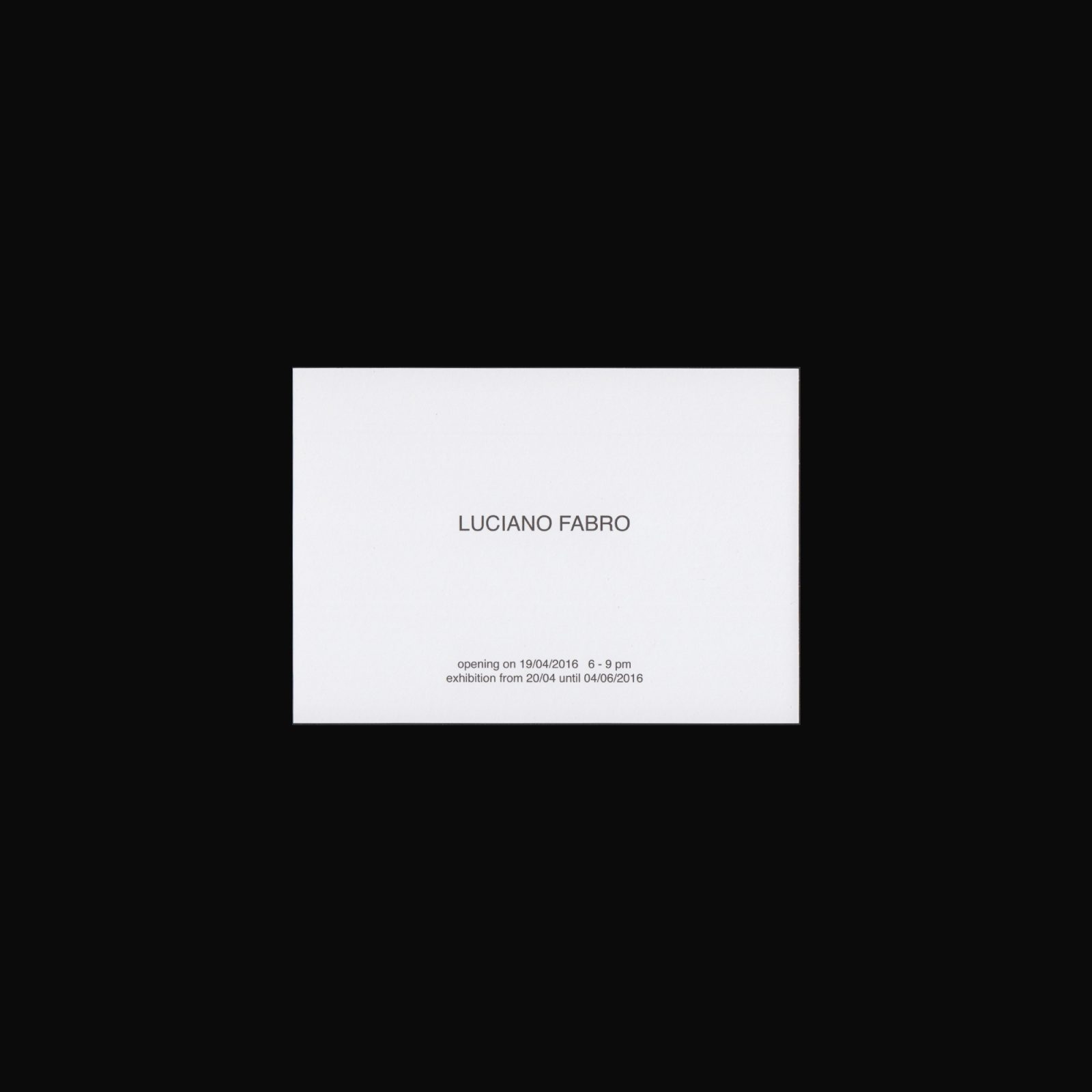
Produced on the occasion of Luciano Fabro’s exhibition at Micheline Szwajcer Gallery, Antwerp, 20 April–4 June, 2016.

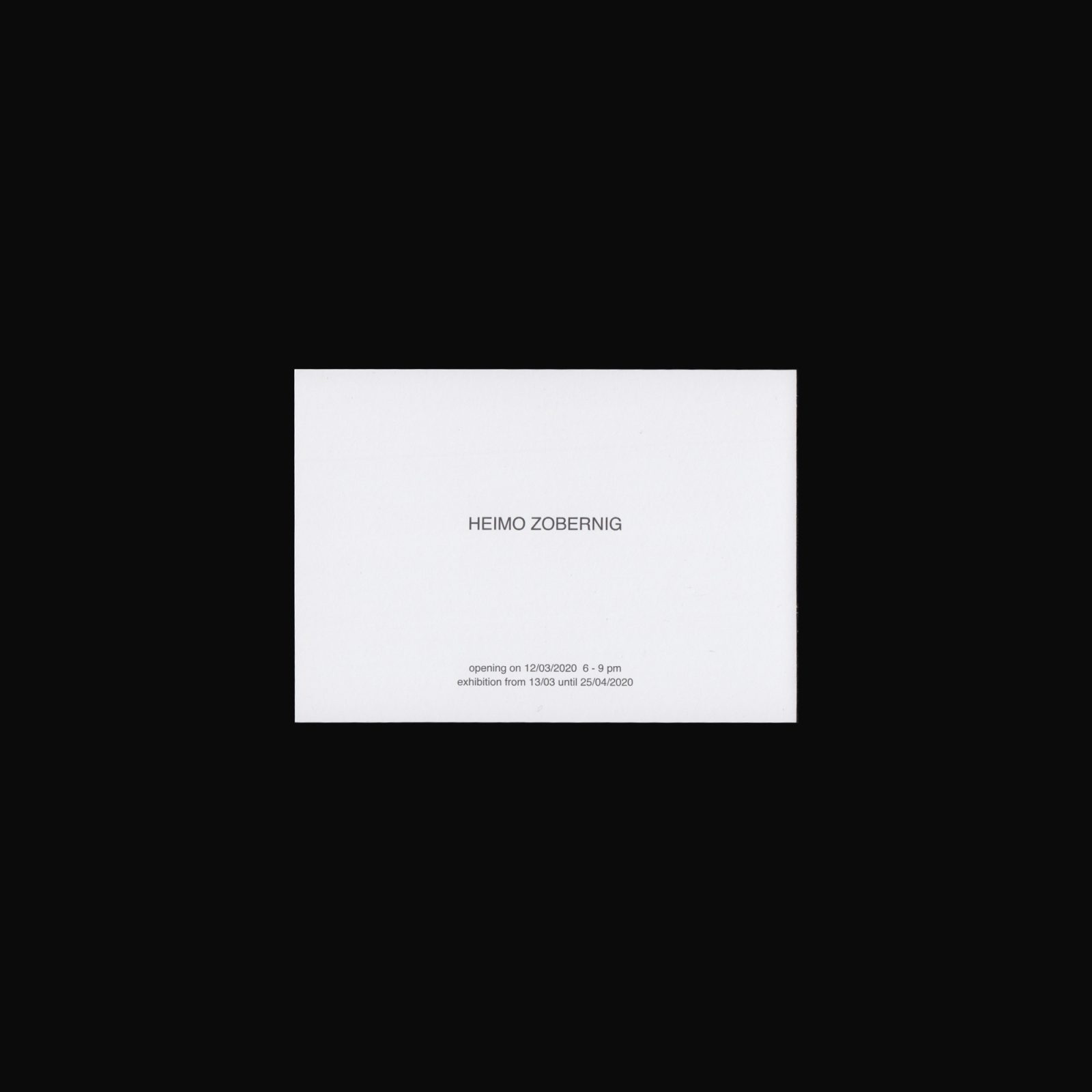
Produced on the occasion of Heimo Zobernig’s exhibition at Micheline Szwajcer Gallery, Antwerp, 13 March–15 April, 2020

Produced on the occasion of Kazuna Taguchi’s exhibition In Anticipation at Brunette Coleman, London, 7 March–18 April, 2026.
Taguchi’s meticulously composed monochrome photographs convey body fragments, gestures, and gazes that resonate with the surrealist tradition concerning the questioning of the photographic representation of the female body. This can be moments of the phantomic or Yūgen*-like, images that capture a figure in a state between appearance and disappearance.
*According to the Japanese poet Kamo no Chōmei (1155–1216), yūgen is a feeling that is not openly expressed in words, but symbolically indicated by images.

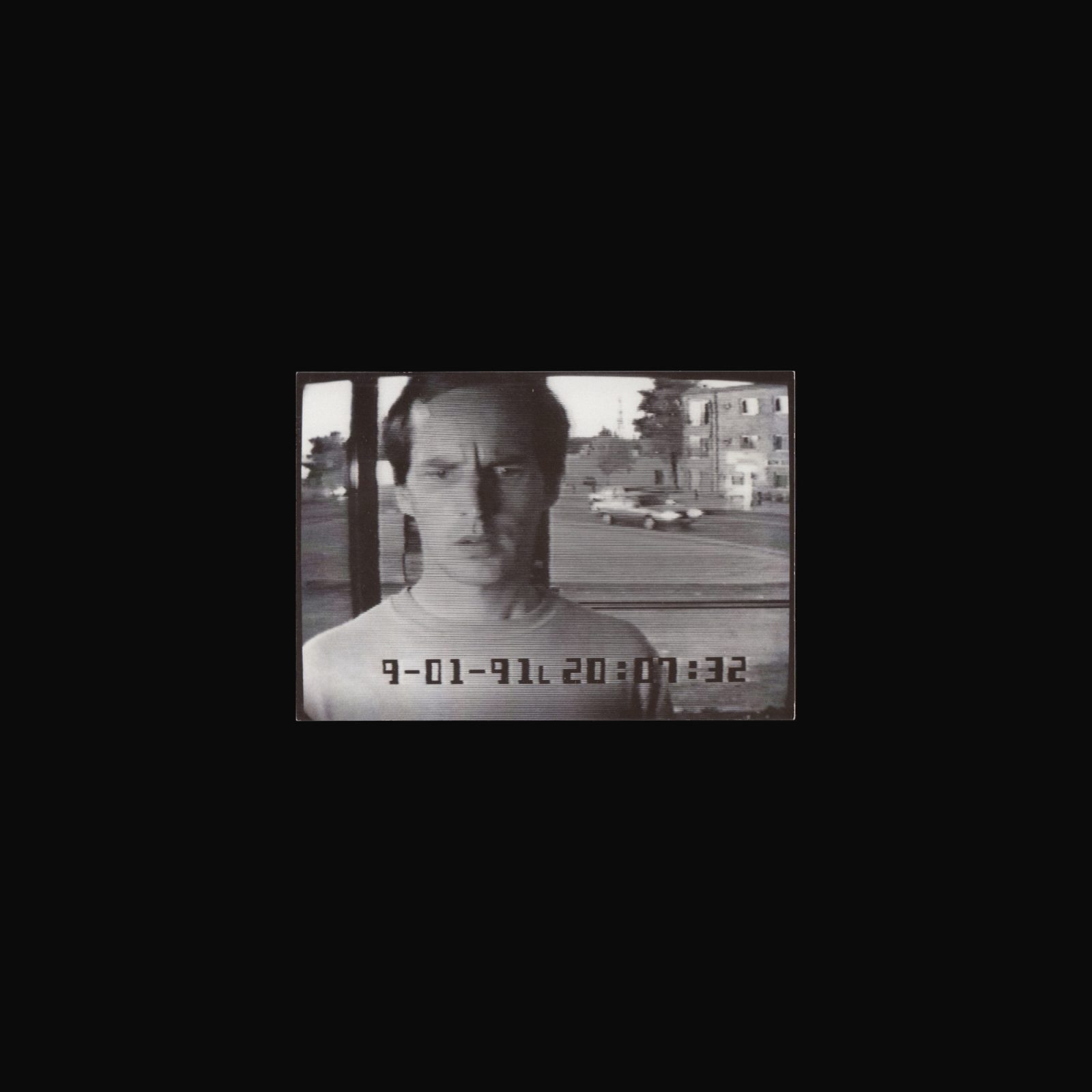
Often employing methods of surveillance and exploring the idea of privacy in her work, Sophie Calle also utilizes “ready-made” images to address these themes. In her series Cash Machine, photographs are made from ATM video surveillance footage. Each work is exhibited as a sequence of two to eleven images.
*Please note this publication is secondhand and may have some traces of previous ownership.

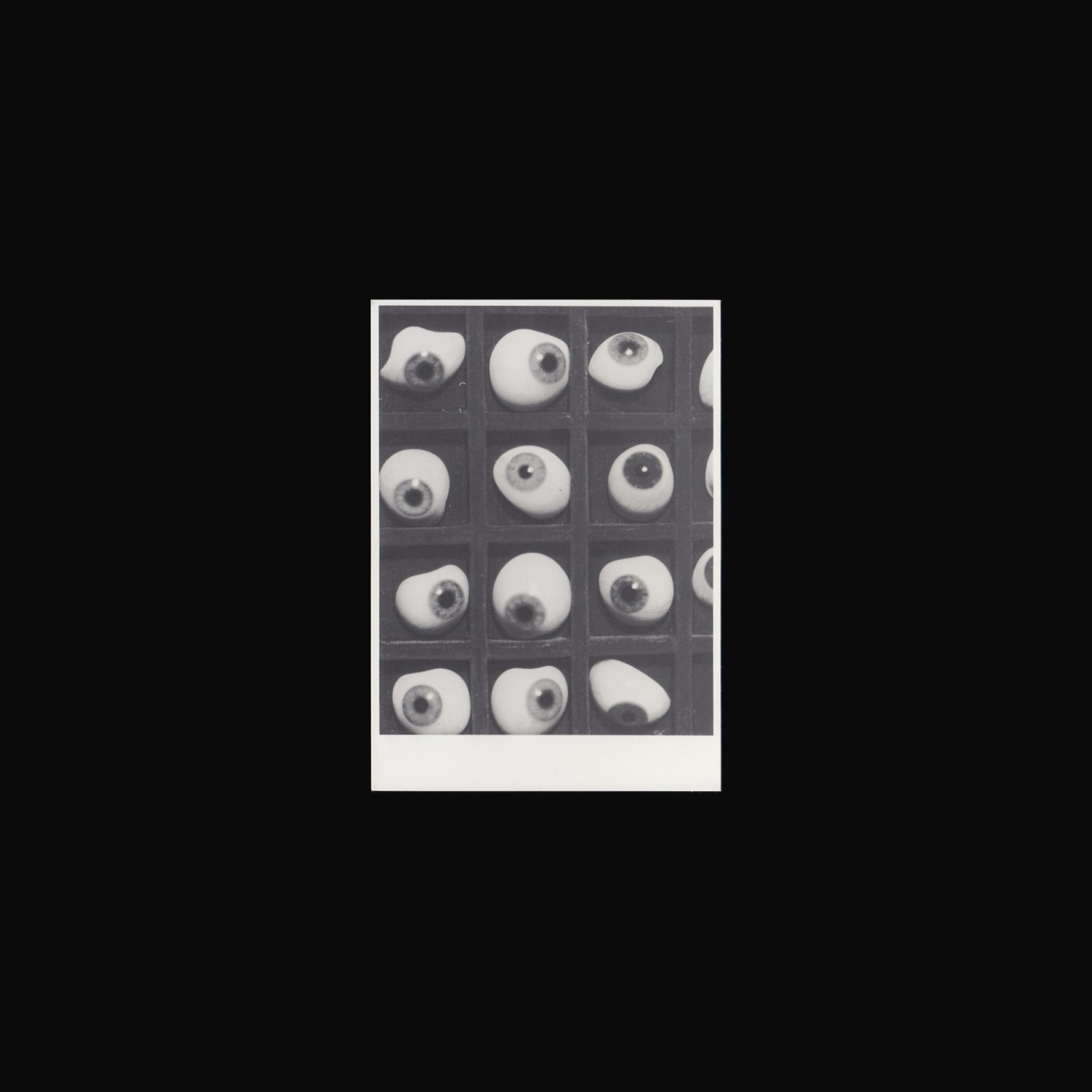
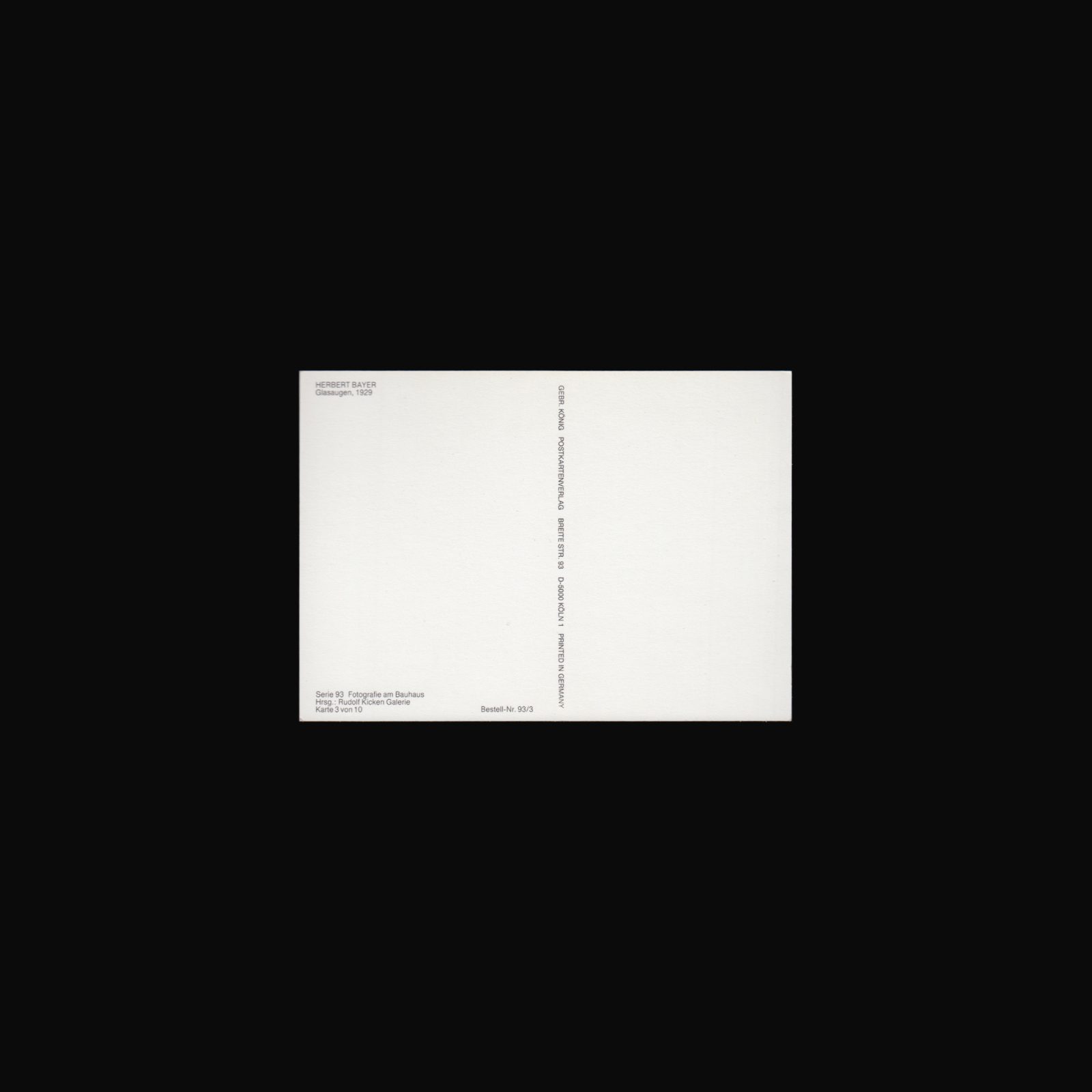
Artistic polymath Herbert Bayer was one of the Bauhaus’s most influential students, teachers, and proponents, advocating the integration of all arts throughout his career.
Most of Bayer’s photographs come from the decade 1928–38, when he was based in Berlin working as a commercial artist. They represent his broad approach to art, including graphic views of architecture and carefully crafted montages.