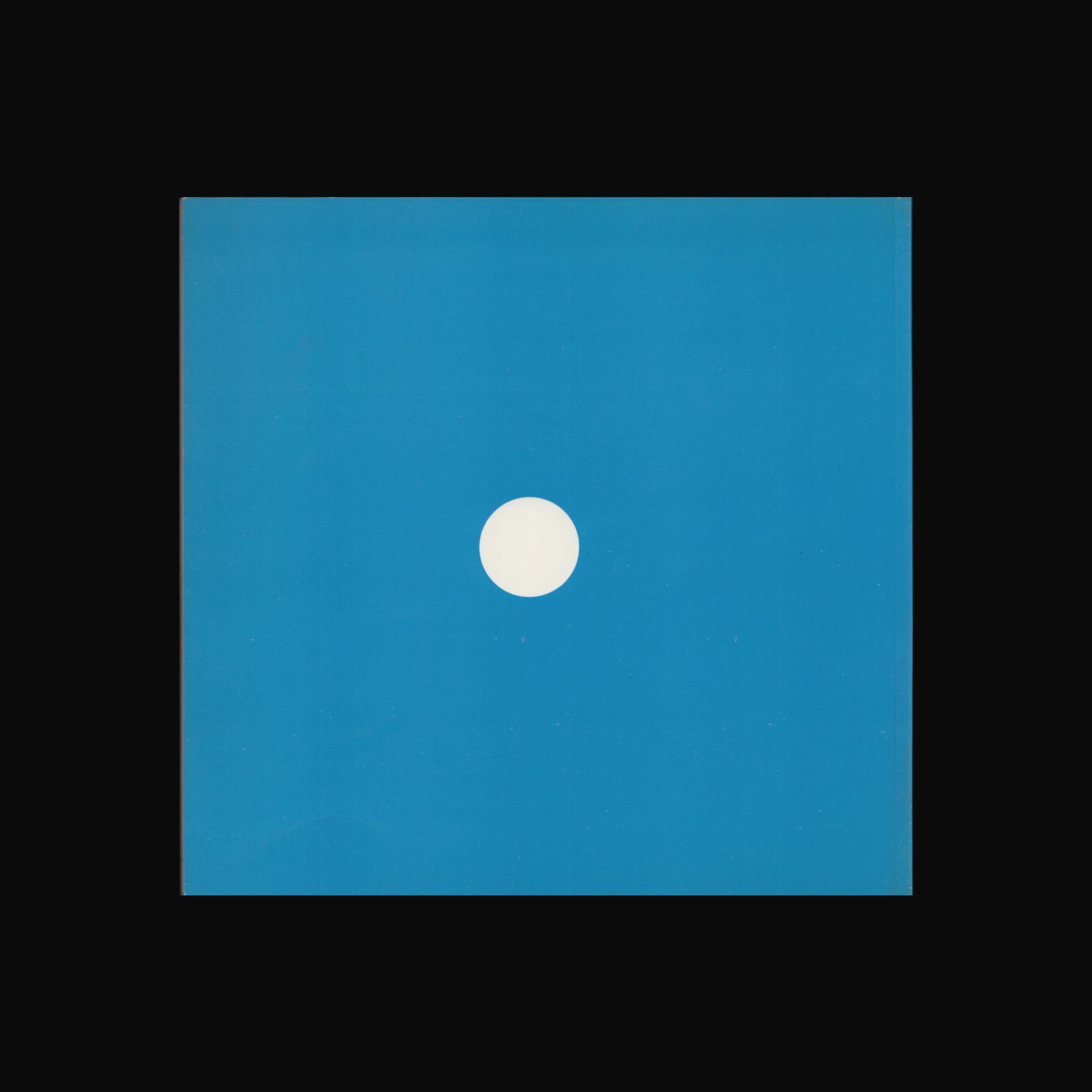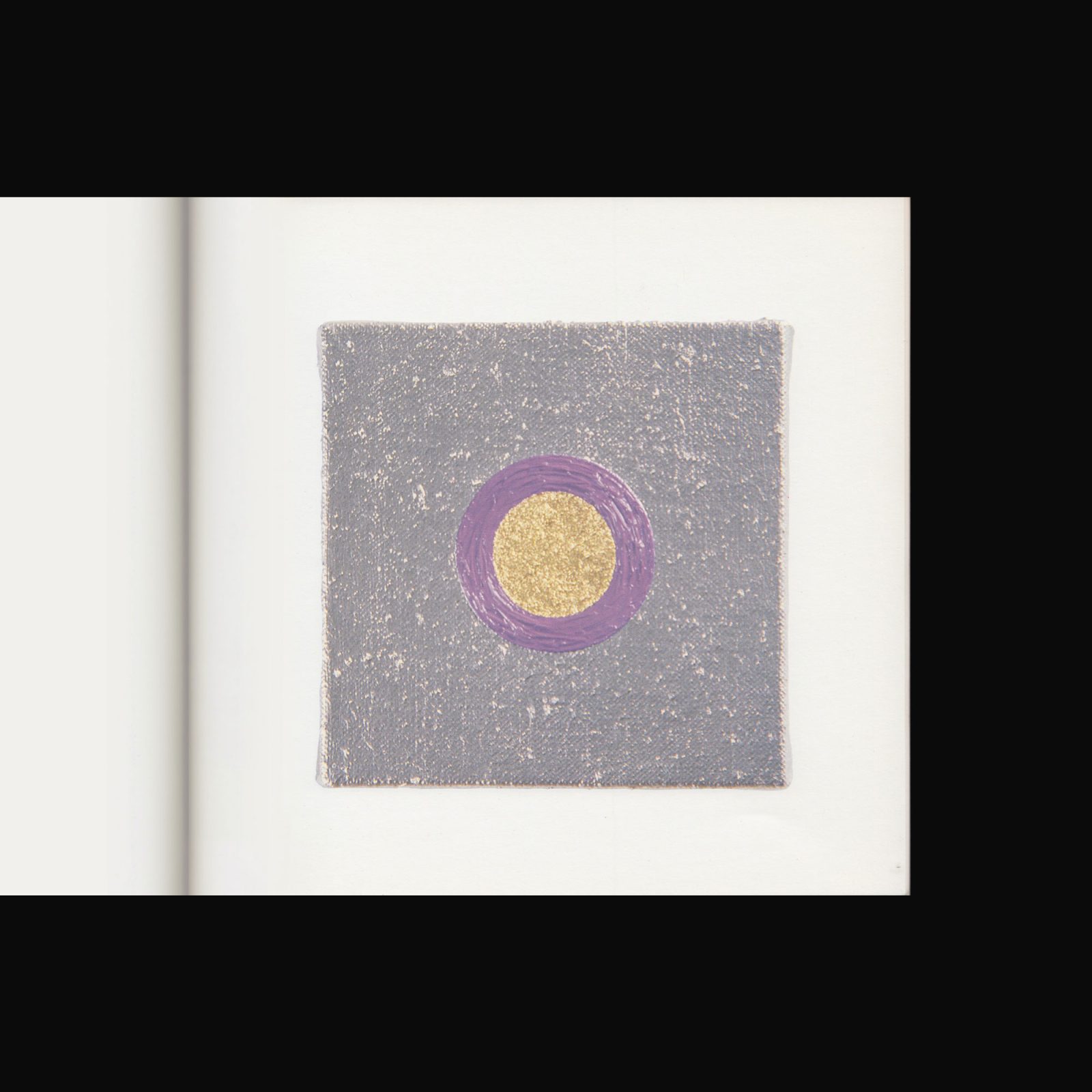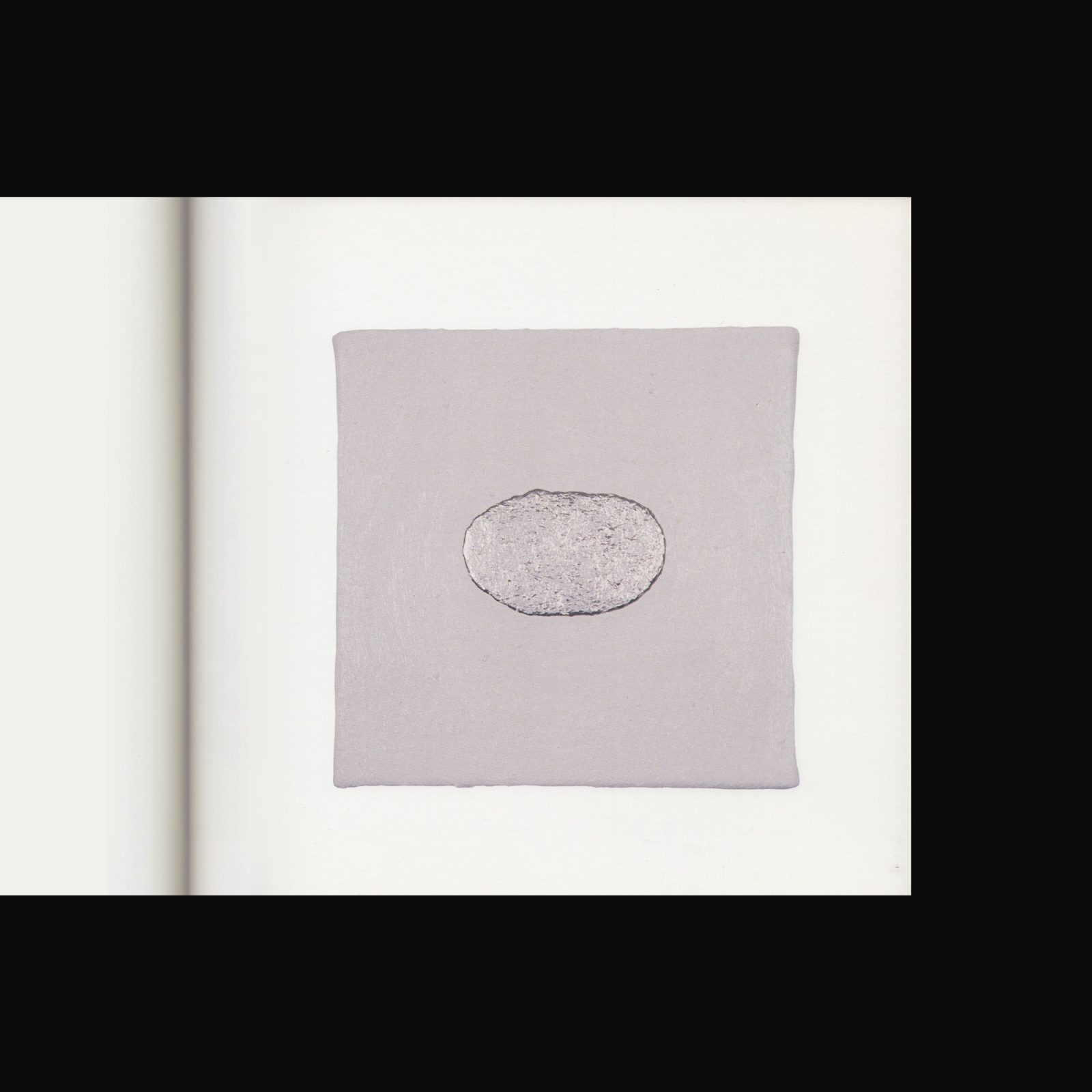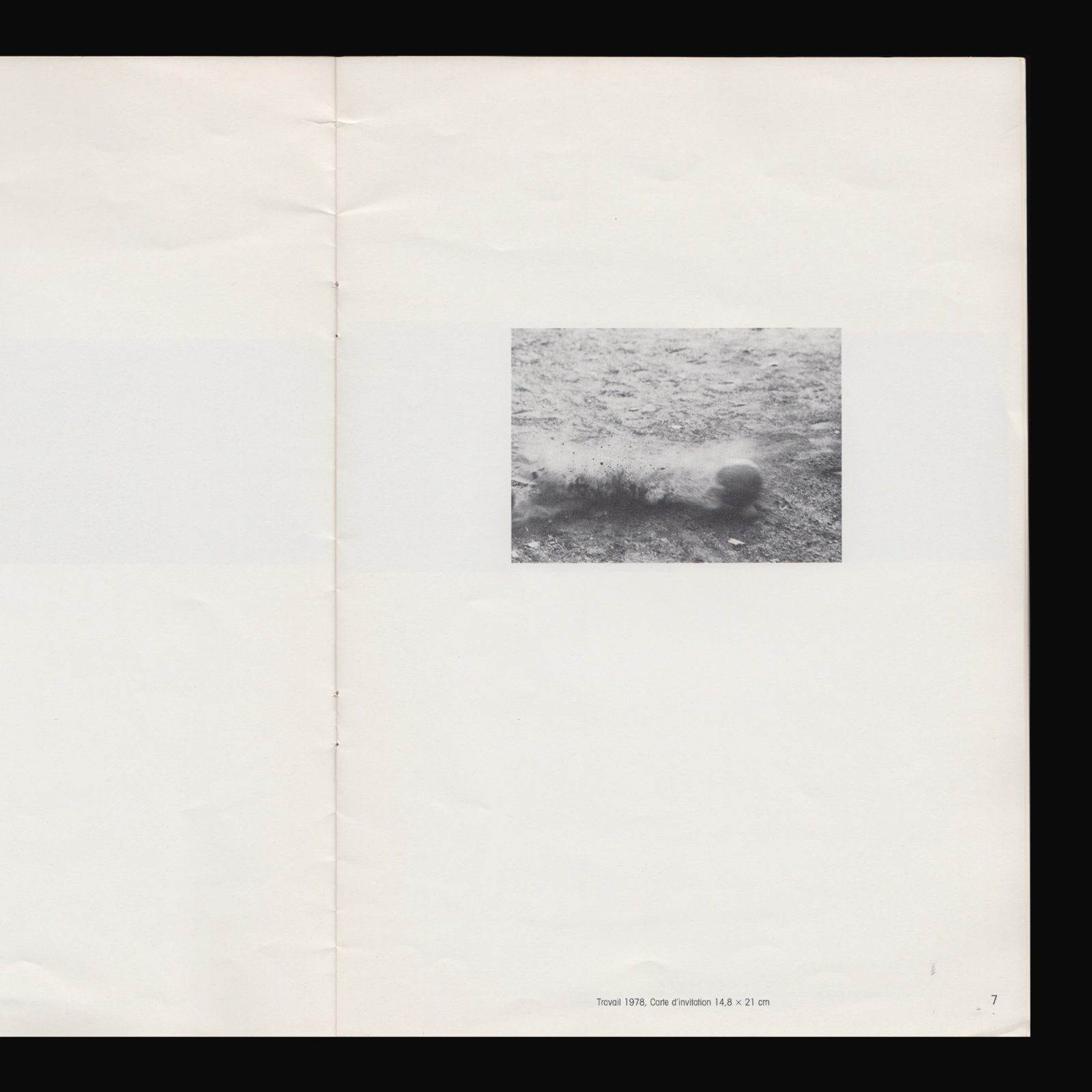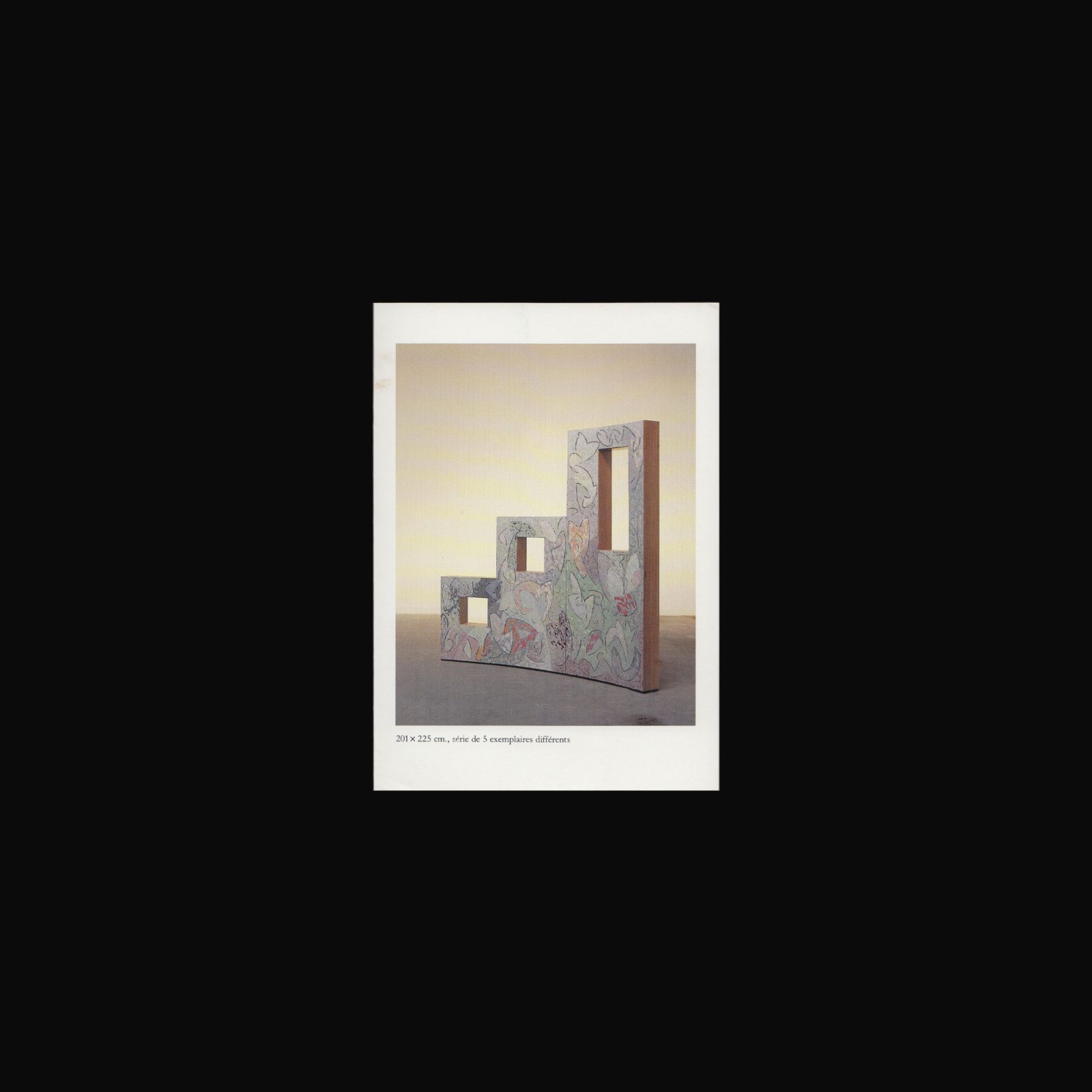
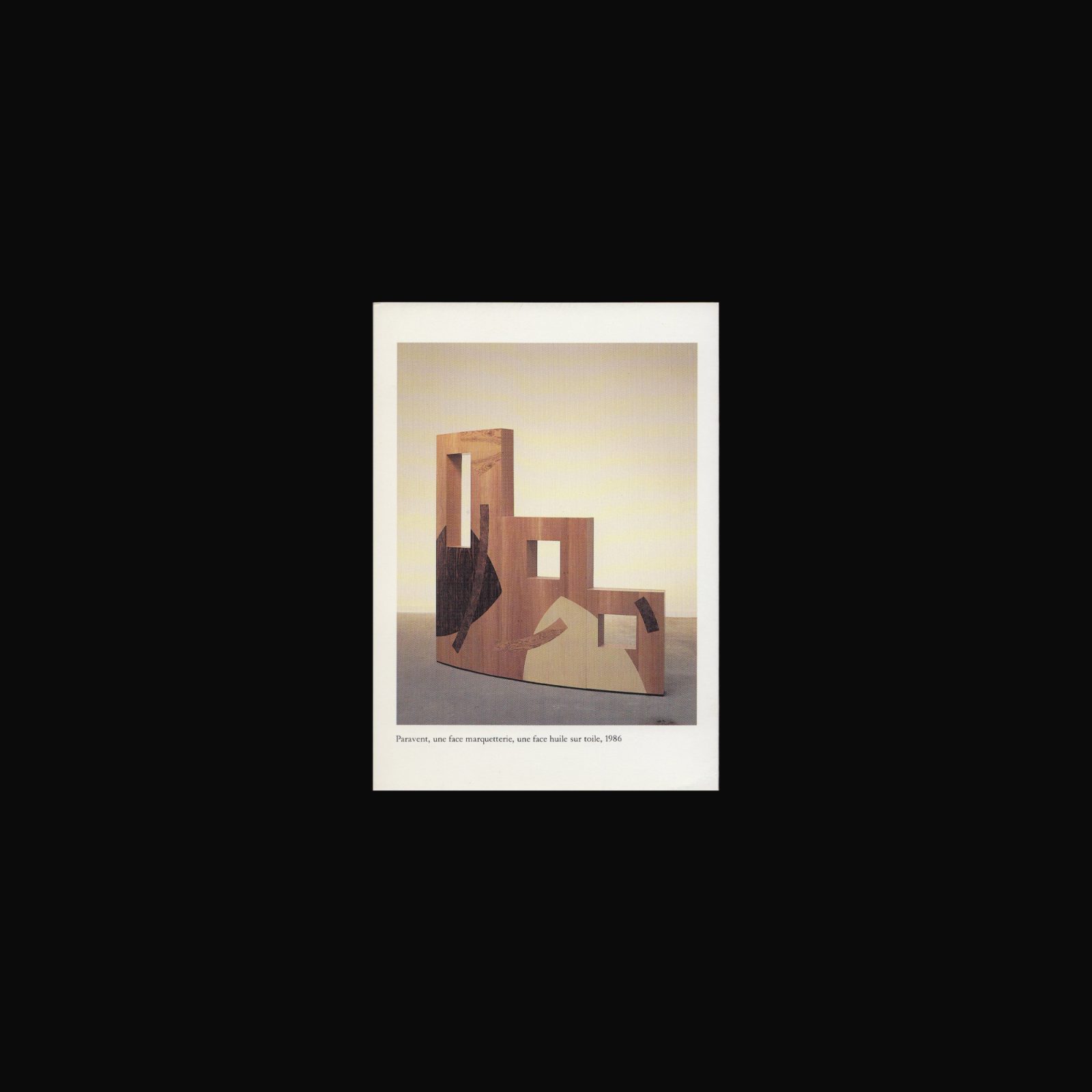
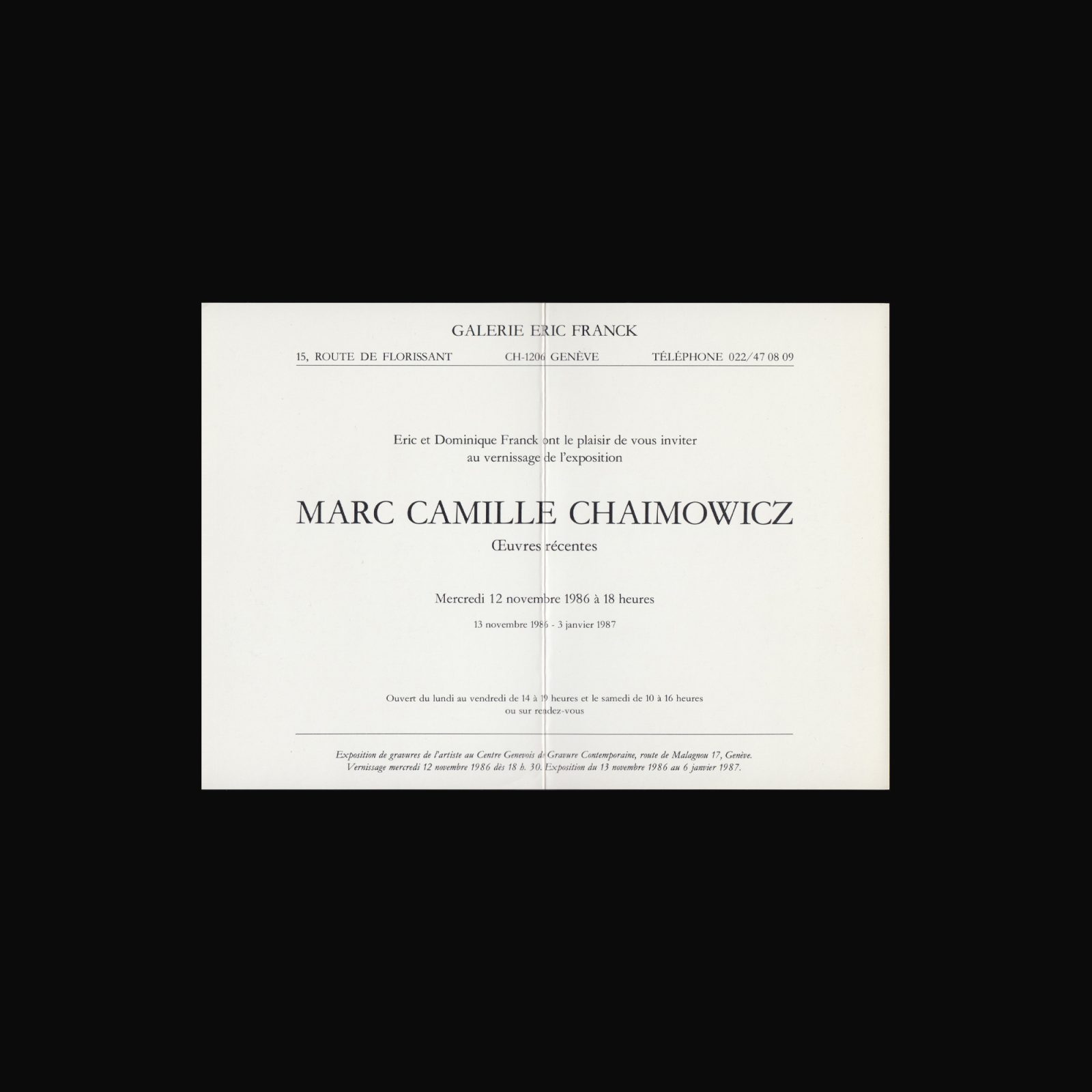
Produced on the occasion of the exhibition OEuvres récentes at Galerie Eric Franck, Geneva, 13 November, 1986–3 January, 1987.
*Please note this publication is secondhand and has some traces of previous ownership. (Condition: as new)
Produced on the occasion of the exhibition OEuvres récentes at Galerie Eric Franck, Geneva, 13 November, 1986–3 January, 1987.
*Please note this publication is secondhand and has some traces of previous ownership. (Condition: as new)

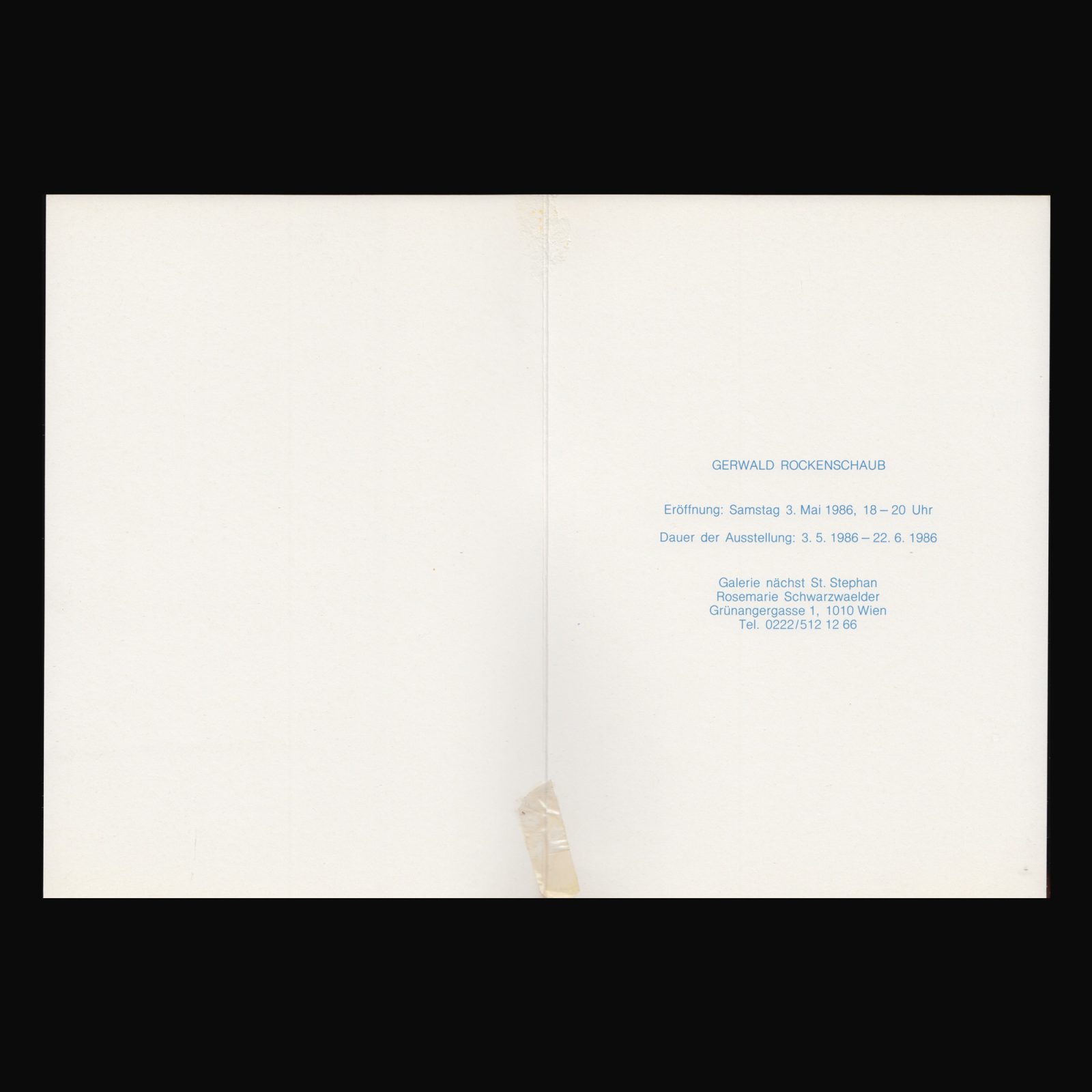
Invitation card produced on the occasion of Gerwald Rockenschaub’s exhibition at Galerie nächst St. Stephan, Vienna, 3 May–22 June, 1986.
Gerwald Rockenschaub works within a formal repertoire that he began developing in the 1980s when he was a central figure in the emerging “neo-geo” (neo-geometric conceptualism) movement. Uniquely influenced by his work as a techno DJ and composer of electronic music, Rockenschaub absorbs the everyday imagery and forms of logos, traffic signs, and pictograms to produce sculptures, wall installations, and animations that render an aura of hyperrealist perfection.


Publication produced on the occasion of Gerwald Rockenschaub’s exhibition at Galerie nächst St. Stephan, Vienna, 3 May–22 June, 1986.
Gerwald Rockenschaub works within a formal repertoire that he began developing in the 1980s when he was a central figure in the emerging “neo-geo” (neo-geometric conceptualism) movement. Uniquely influenced by his work as a techno DJ and composer of electronic music, Rockenschaub absorbs the everyday imagery and forms of logos, traffic signs, and pictograms to produce sculptures, wall installations, and animations that render an aura of hyperrealist perfection.

Produced on the occasion of the exhibition Sigurdur Gudmundsson, Recent Werk at Galerie Paul Andriesse, Amsterdam, 9 September–11 October, 1986.
*Please note this publication is secondhand and has some traces of previous ownership.

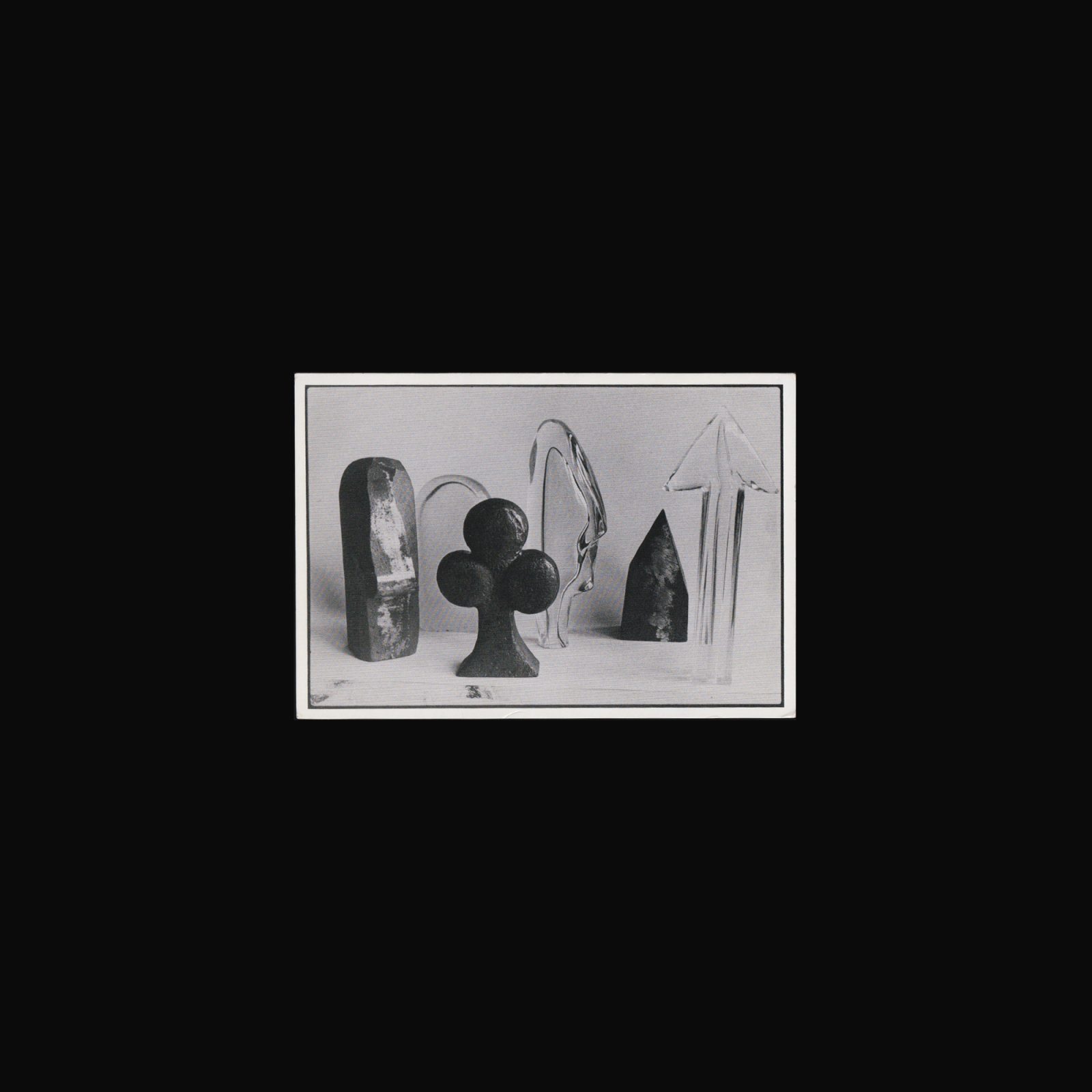
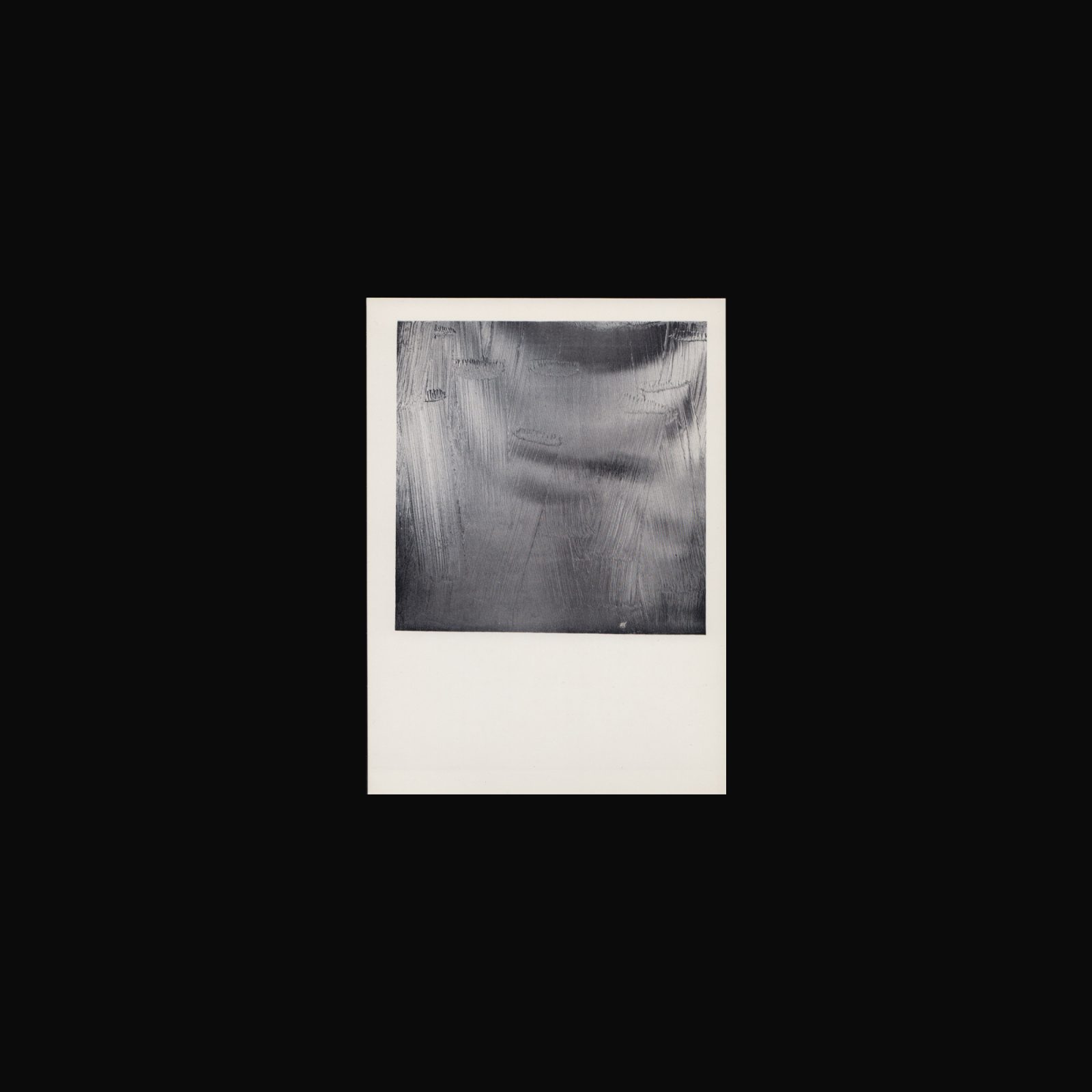
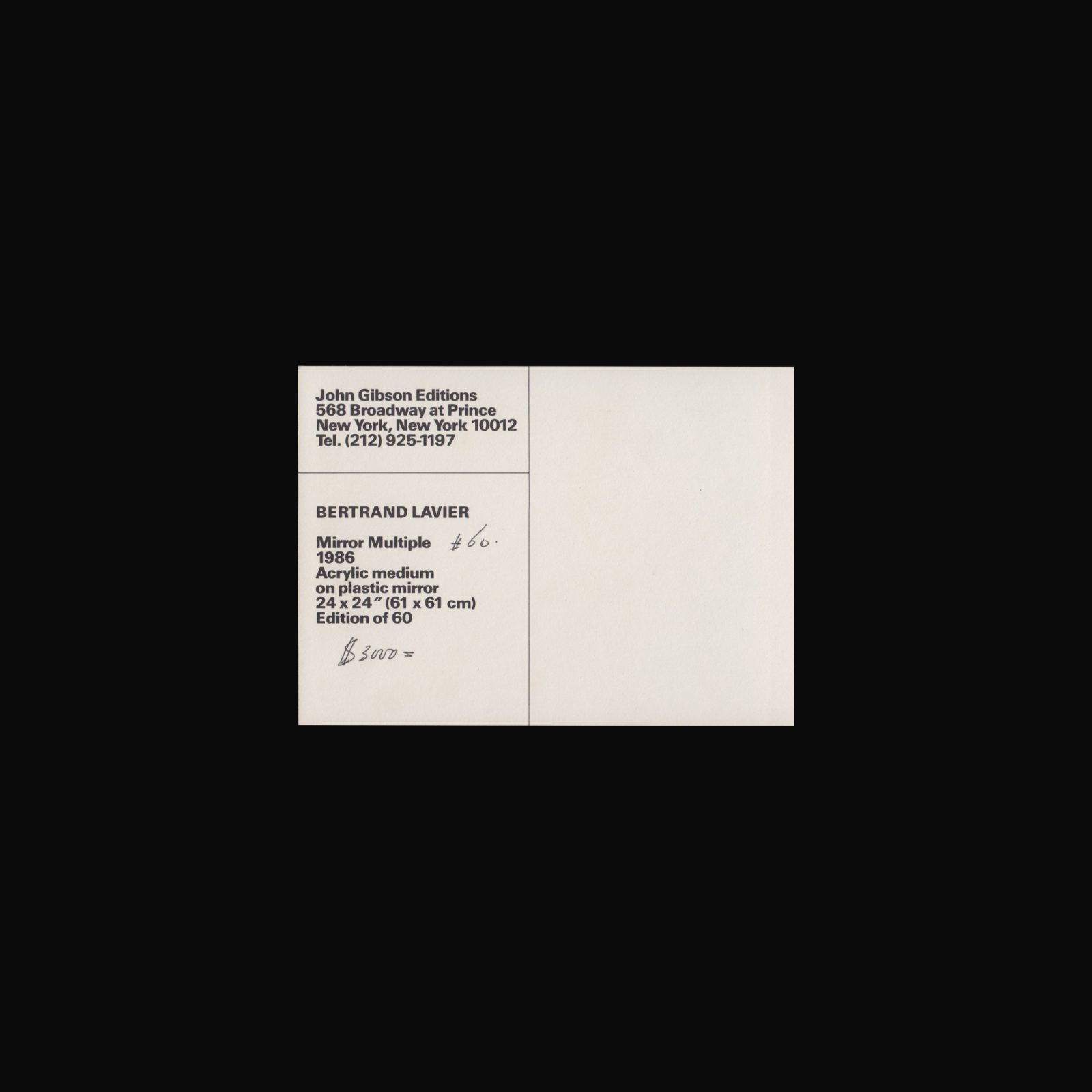
Promotional card for Bertrand Lavier’s edition Mirror Multiple, produced by John Gibson Gallery, 1987.
Since the late 1960s, Lavier has reflected upon the relationship between painting and sculpture, representation and abstraction. In order to shape his ideas, Lavier developed a series of ‘demonstrations’: methods and strategies that enable him to question our intellectual baggage and to disrupt our most entrenched visual habits. His best-known intervention is to cover everyday objects with what he refers to as typical ‘Van Gogh-brushwork’. With this act, banal objects become artworks but, even more importantly, the object becomes a painted image of itself.
*Please note this publication is secondhand and has some traces of previous ownership.


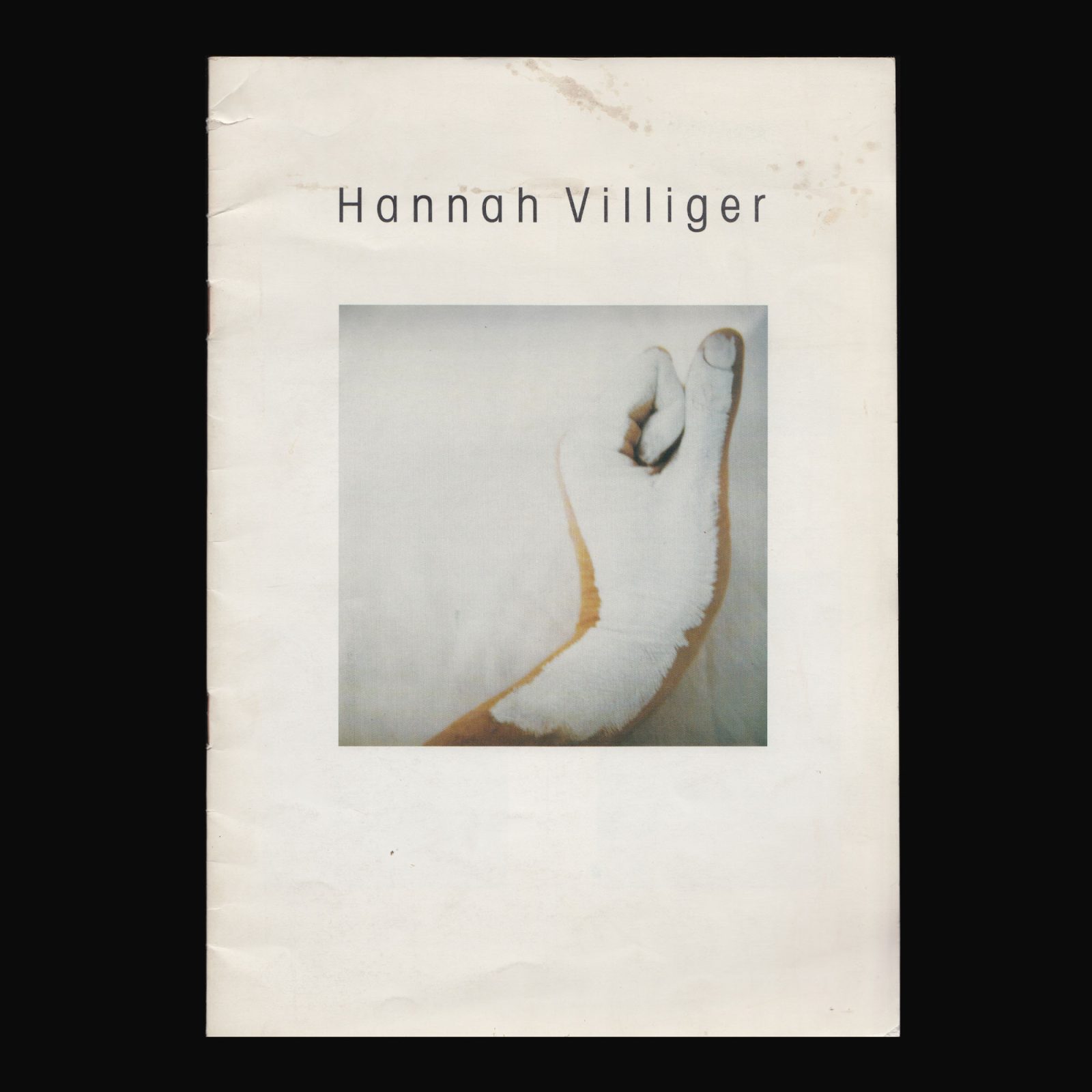
Born in 1951, Villiger trained in sculpture but discovered photography at the end of the 1970s. From 1981 until her death in 1997 she concentrated on taking photographs of herself. She emphatically believed in the power of the body even though, or rather because, she was already coping with the isolation caused by tuberculosis, which she had contracted at the age of 29. She believed not only in a life lived to excess, but also in the idea that photography can somehow renew the physical self.
With texts by Jean-Christophe Ammann and Niklaus Oberholzer.
*Please note this publication is secondhand and has some traces of previous ownership.