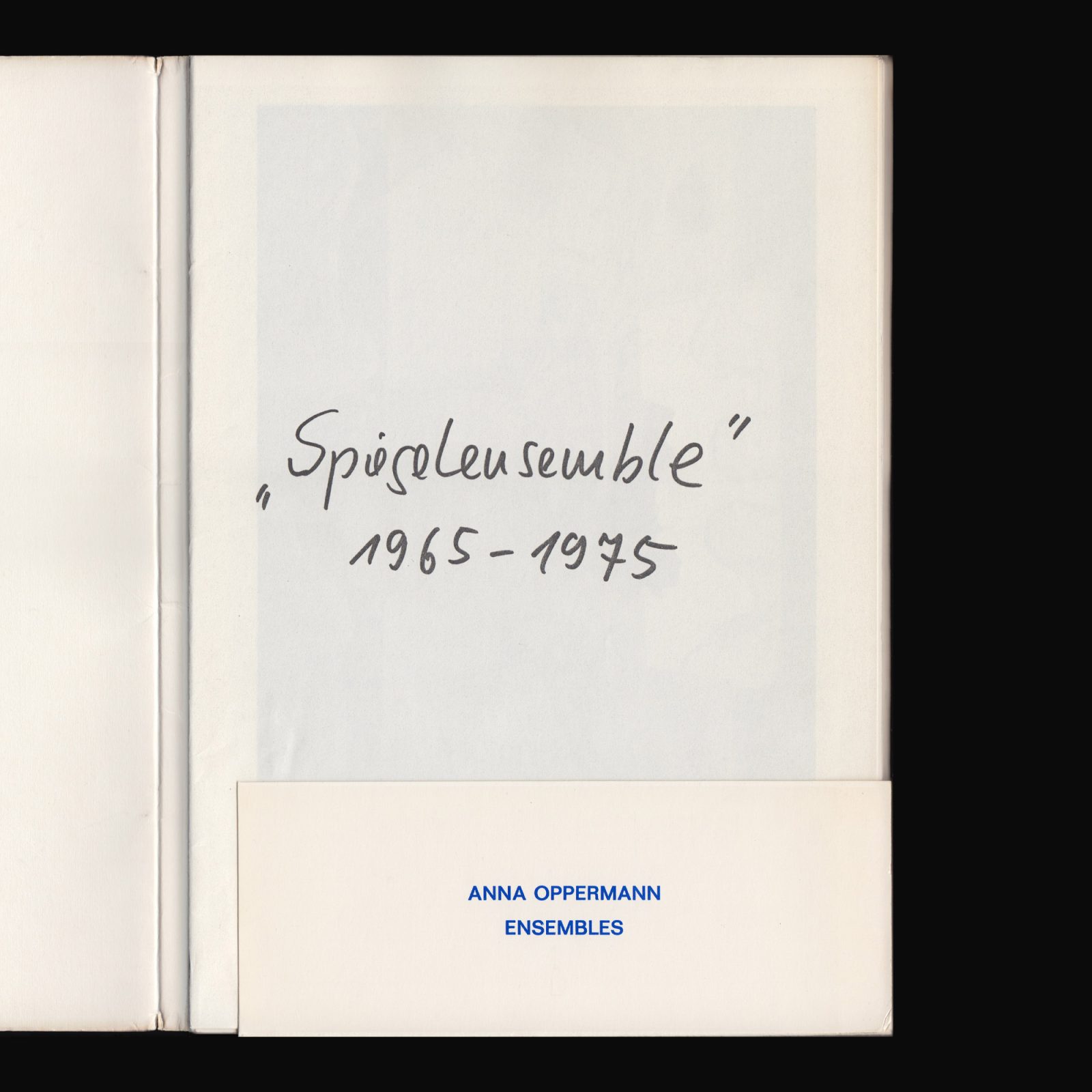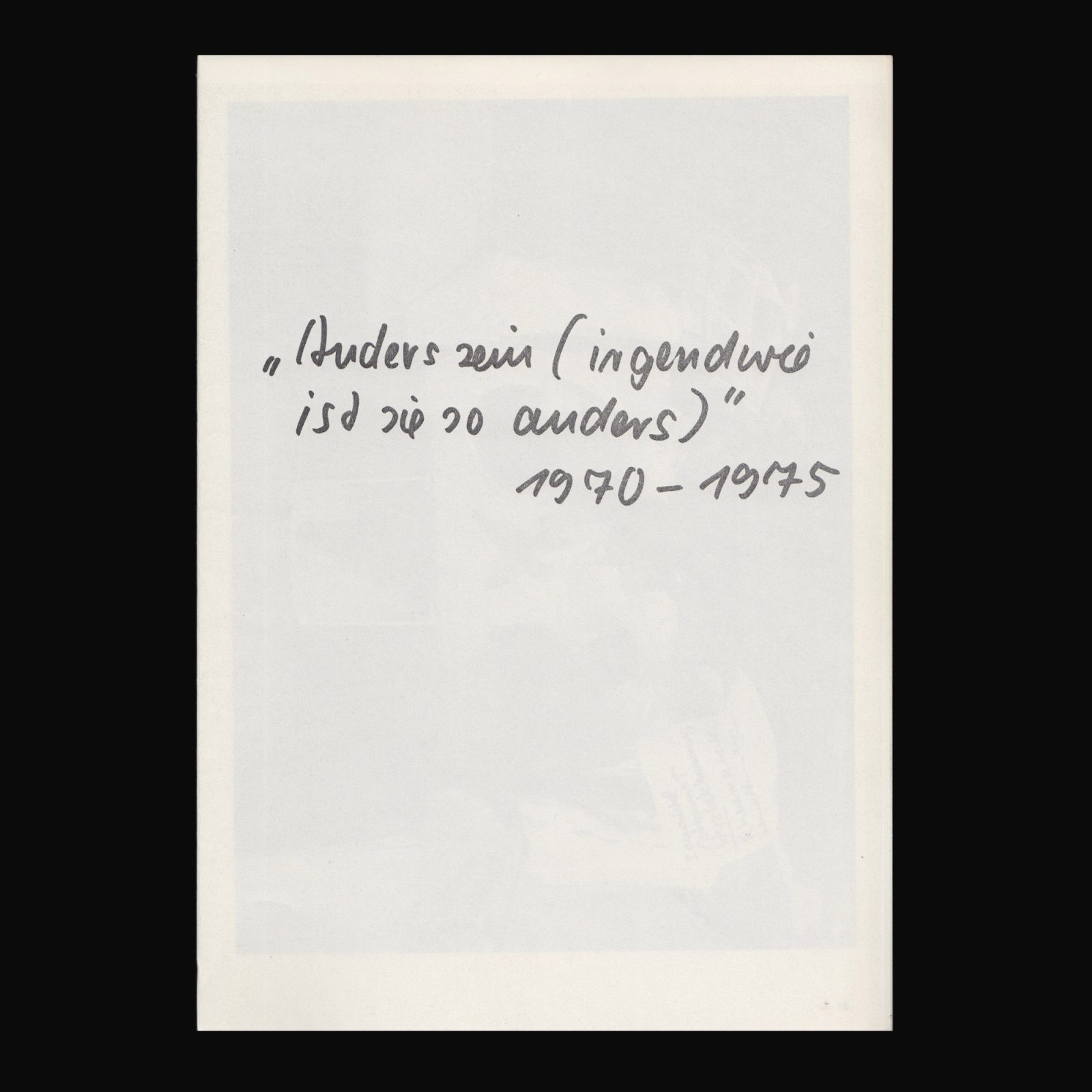
Announcement card produced on the occasion of an exhibition held at Seriaal bv, Amsterdam, 8 May–5 June, 1976.
*Please note this publication is secondhand and has some traces of previous ownership.
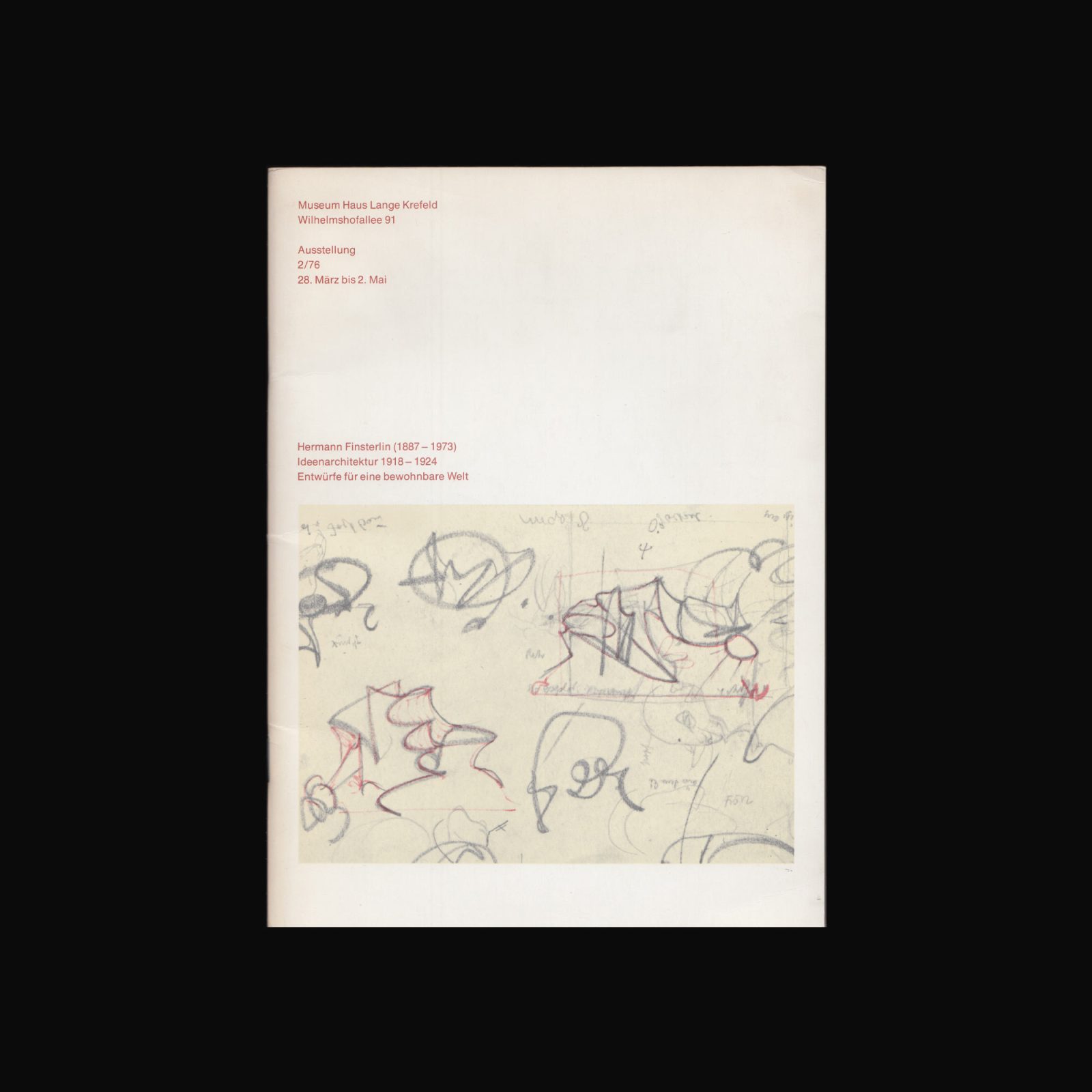
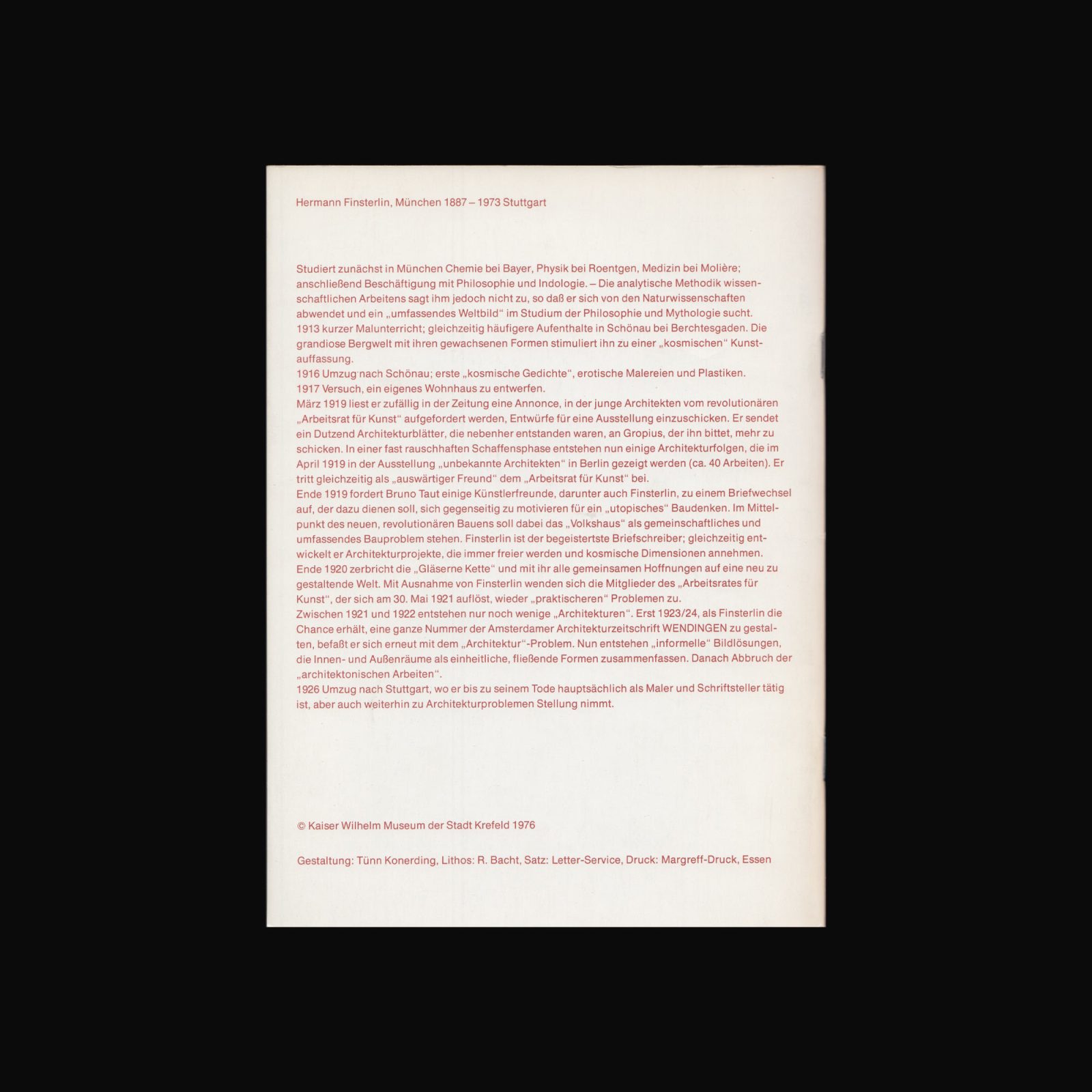
Announcement card produced on the occasion of an exhibition held at Seriaal bv, Amsterdam, 8 May–5 June, 1976.
*Please note this publication is secondhand and has some traces of previous ownership.


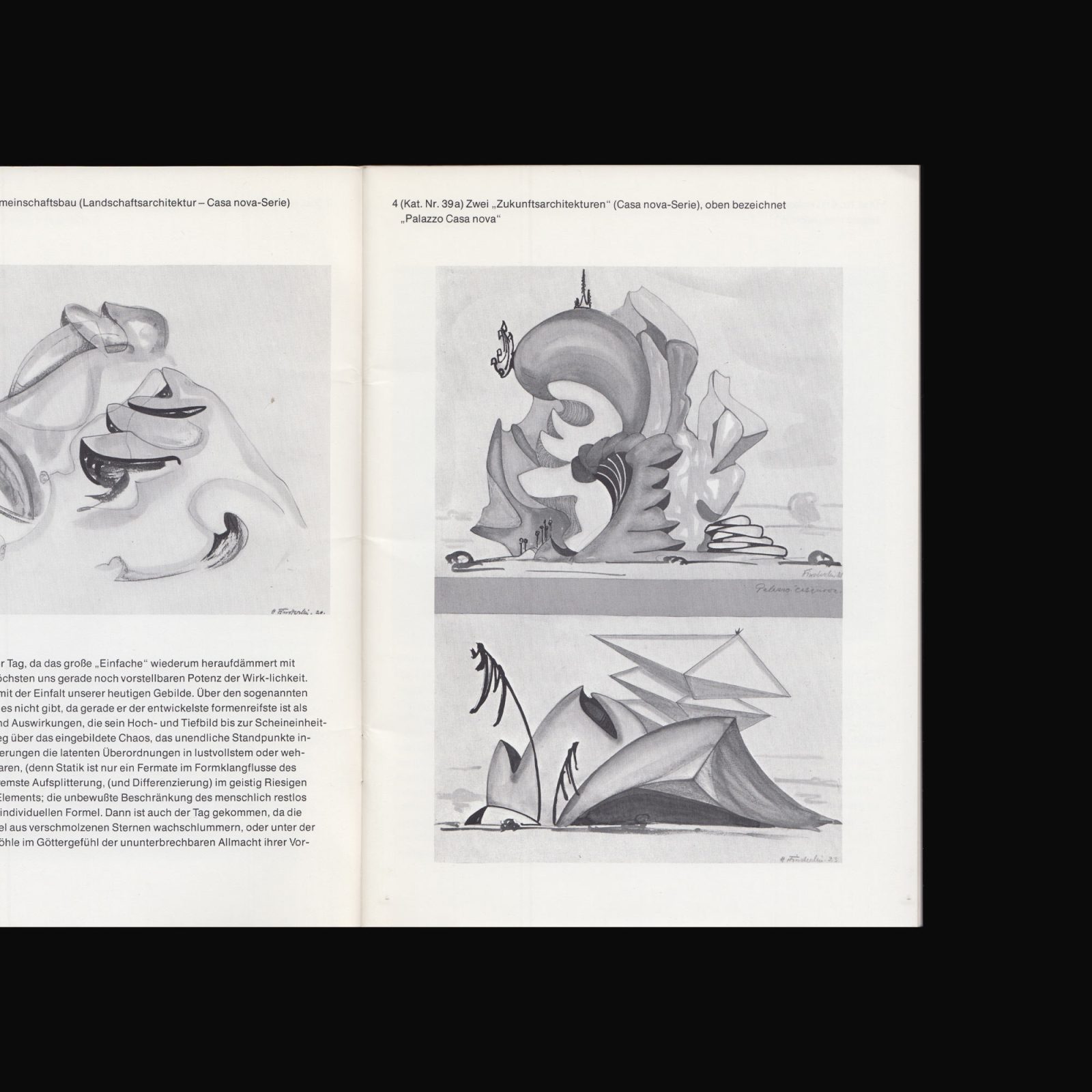
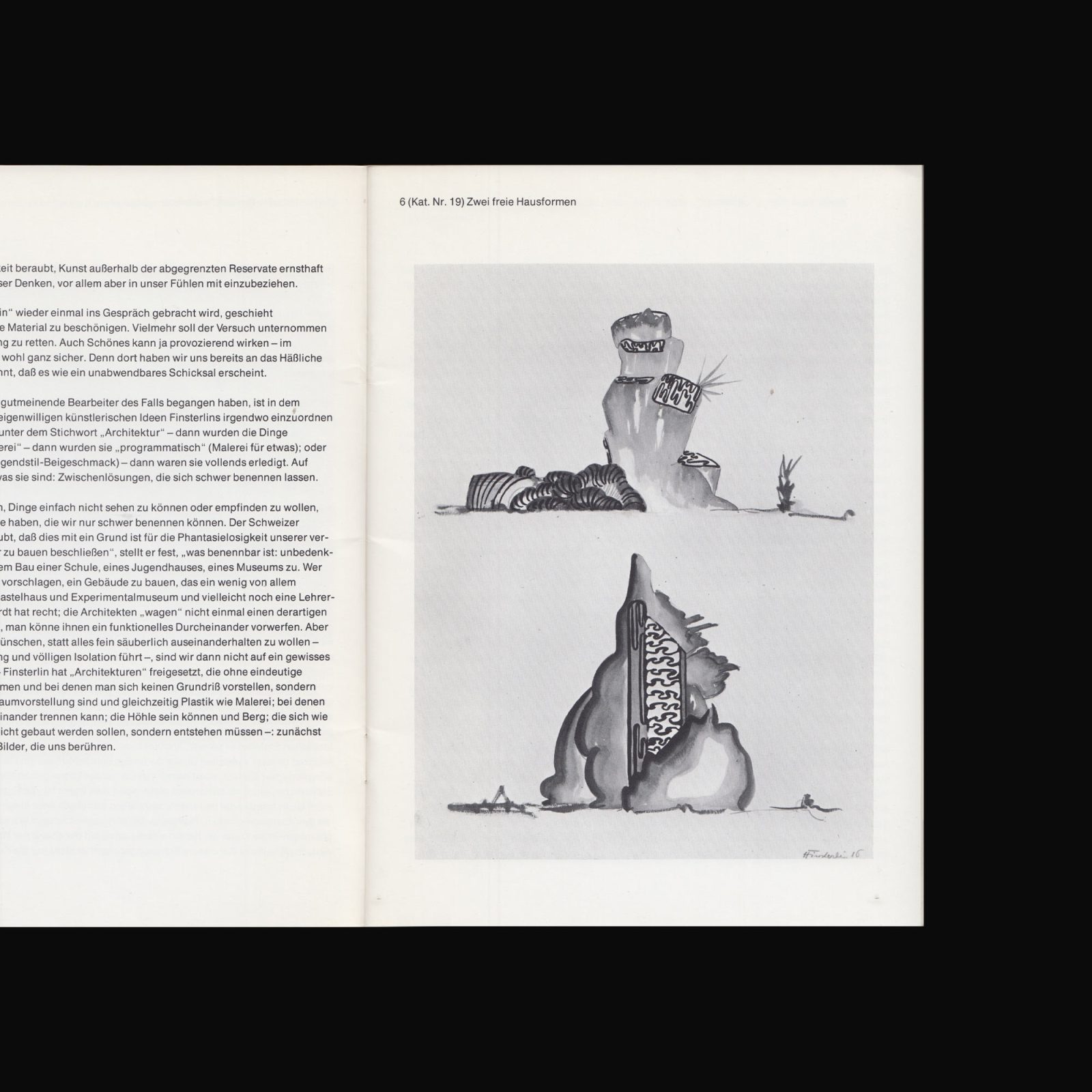
Hermann Finsterlin (18 August 1887–16 September 1973) was a German visionary architect, painter, poet, essayist, toymaker and composer. He played an influential role in the German expressionist architecture movement of the early 20th century but due to the harsh economic climate realised none of his projects.
*Please note this publication is secondhand and has some traces of previous ownership.


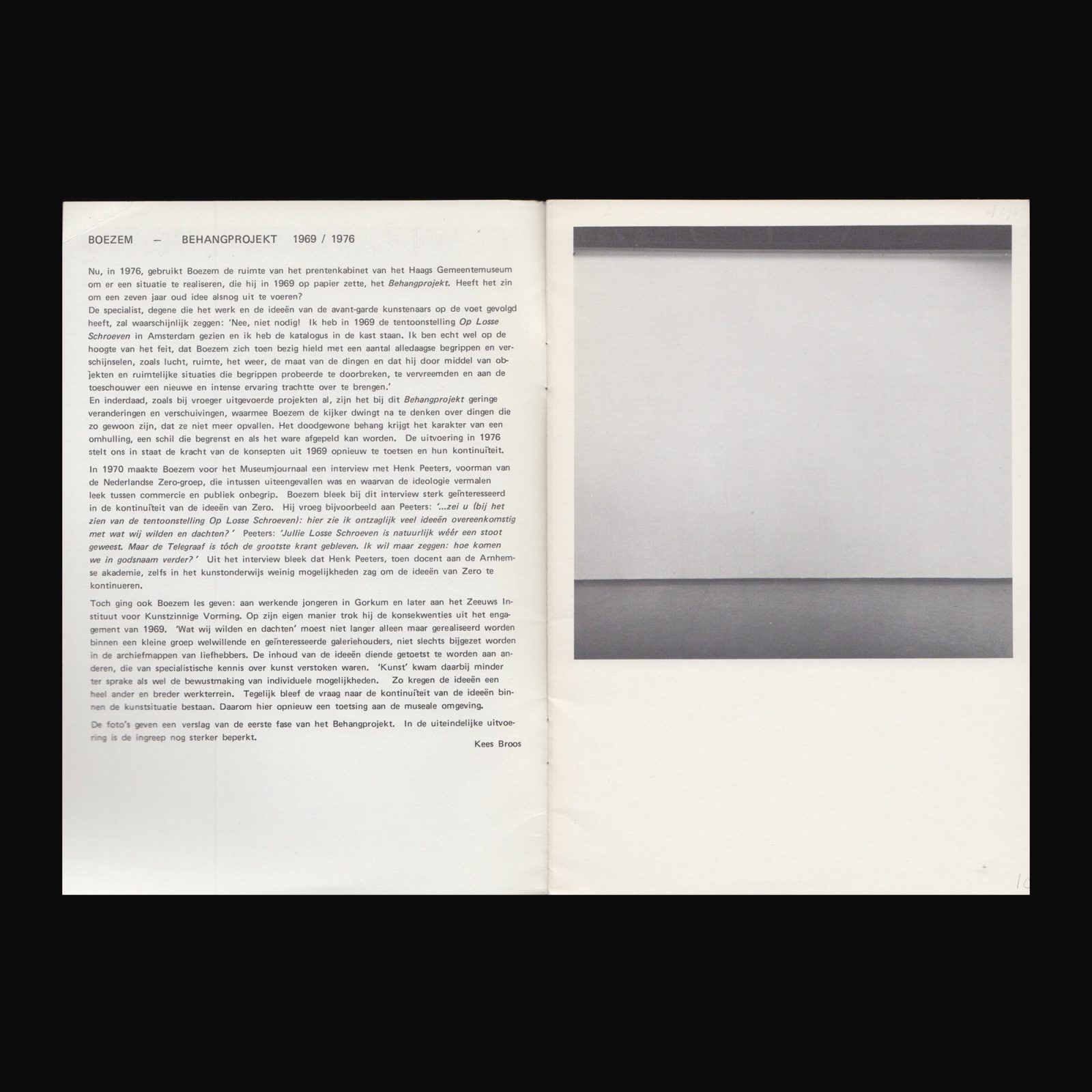
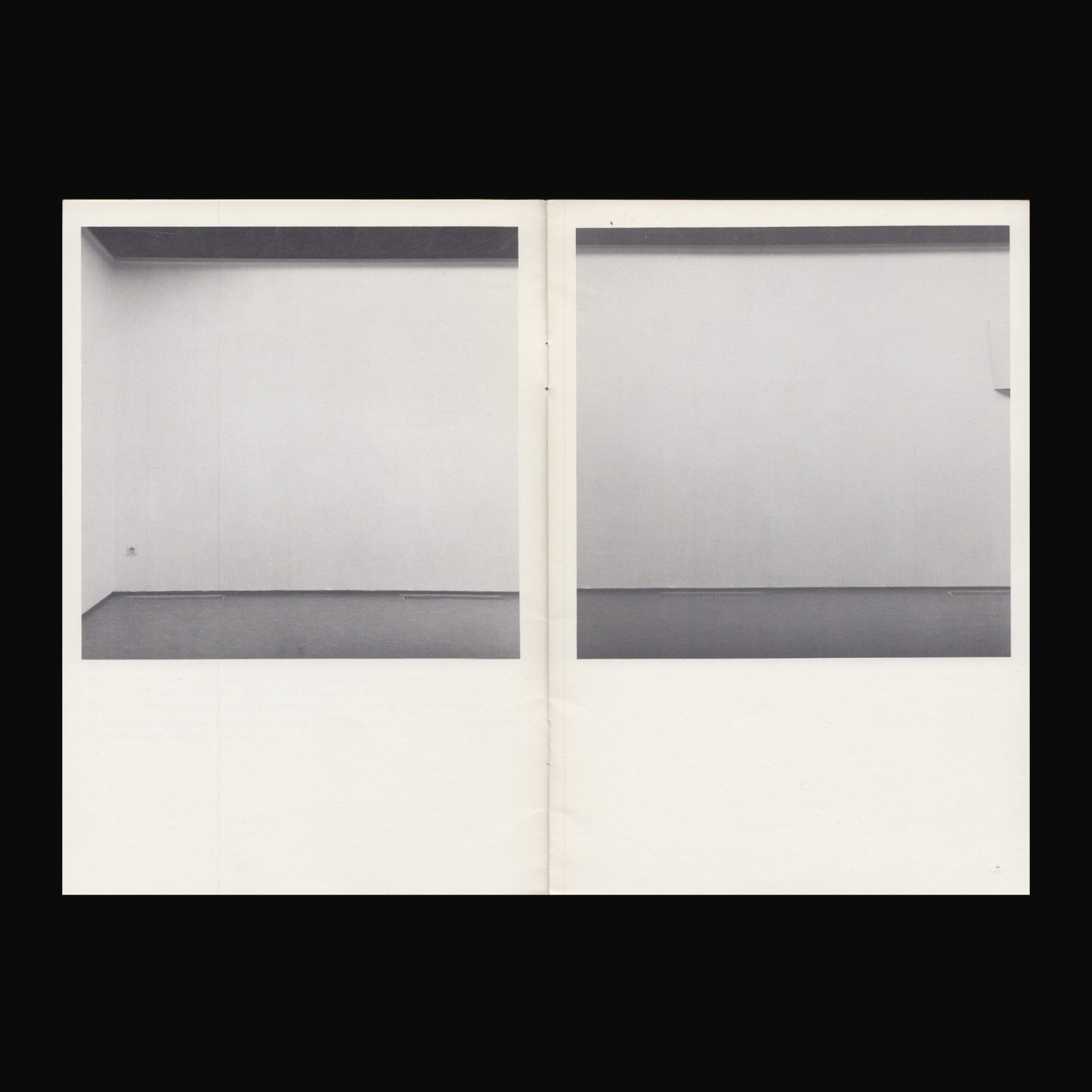
Produced on the occasion of Boezem: Behangprojekt 1969/1976 at Haags Gemeentemuseum, Den Haag, 4 December, 1976–16 January, 1977.
*Please note this publication is secondhand and has some traces of previous ownership.


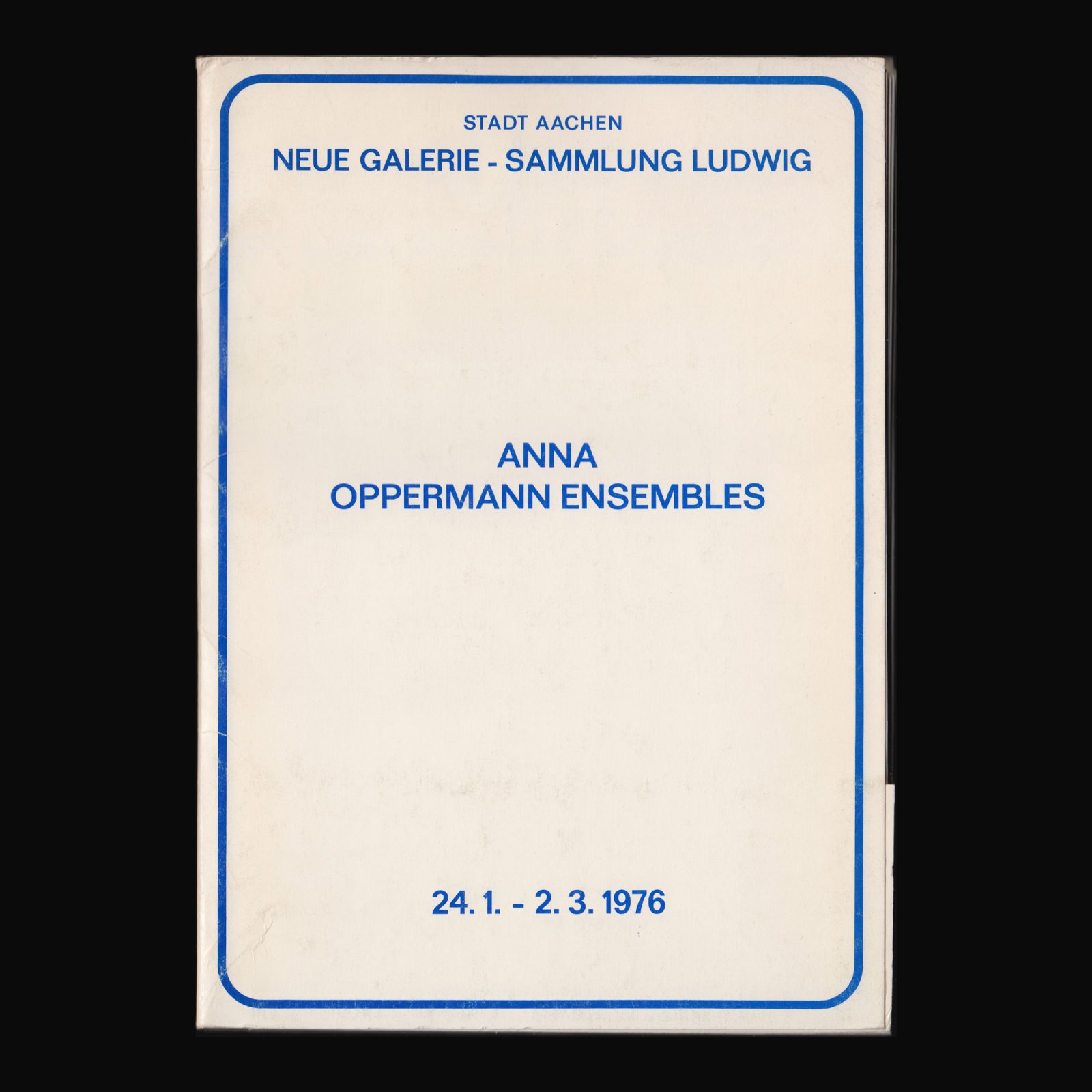
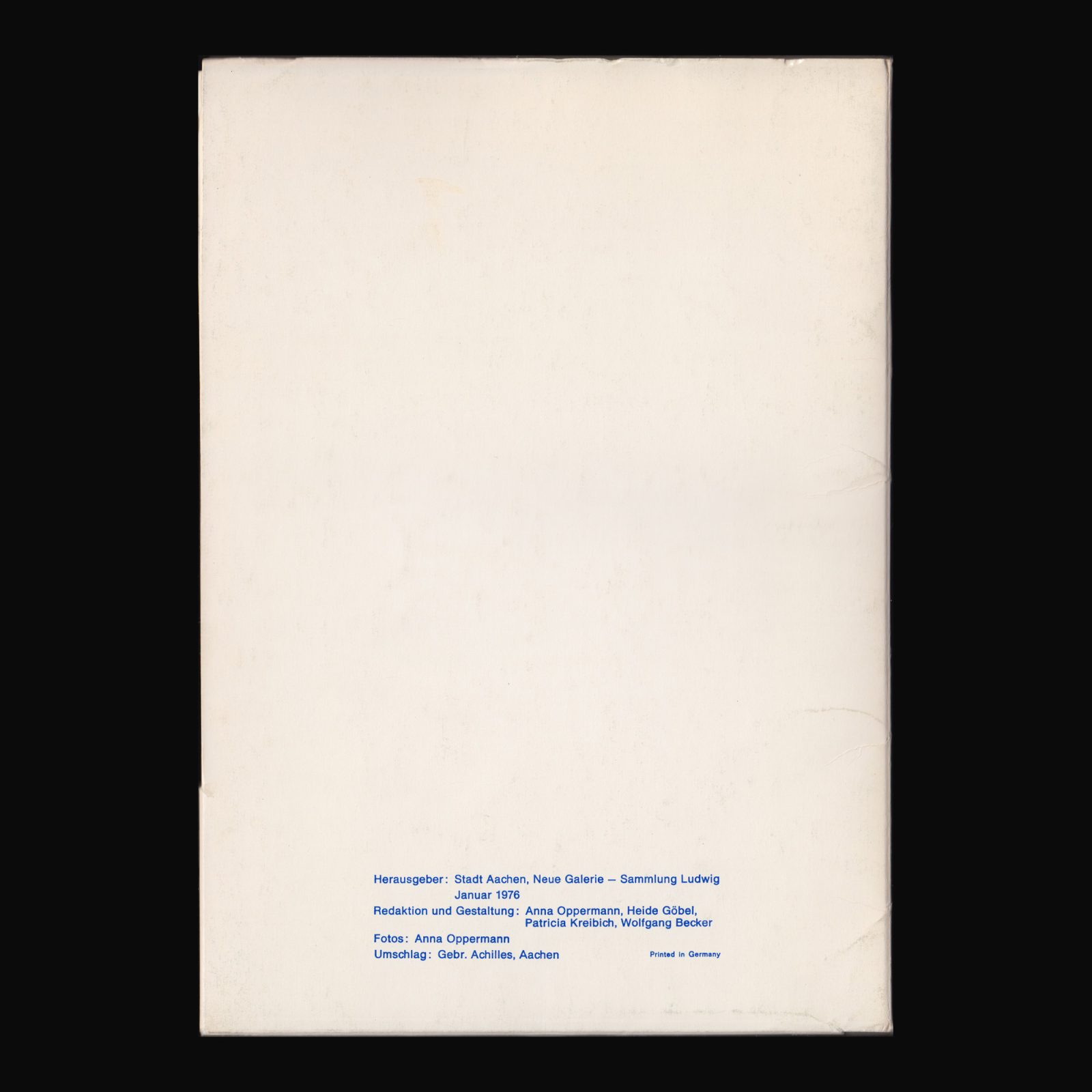
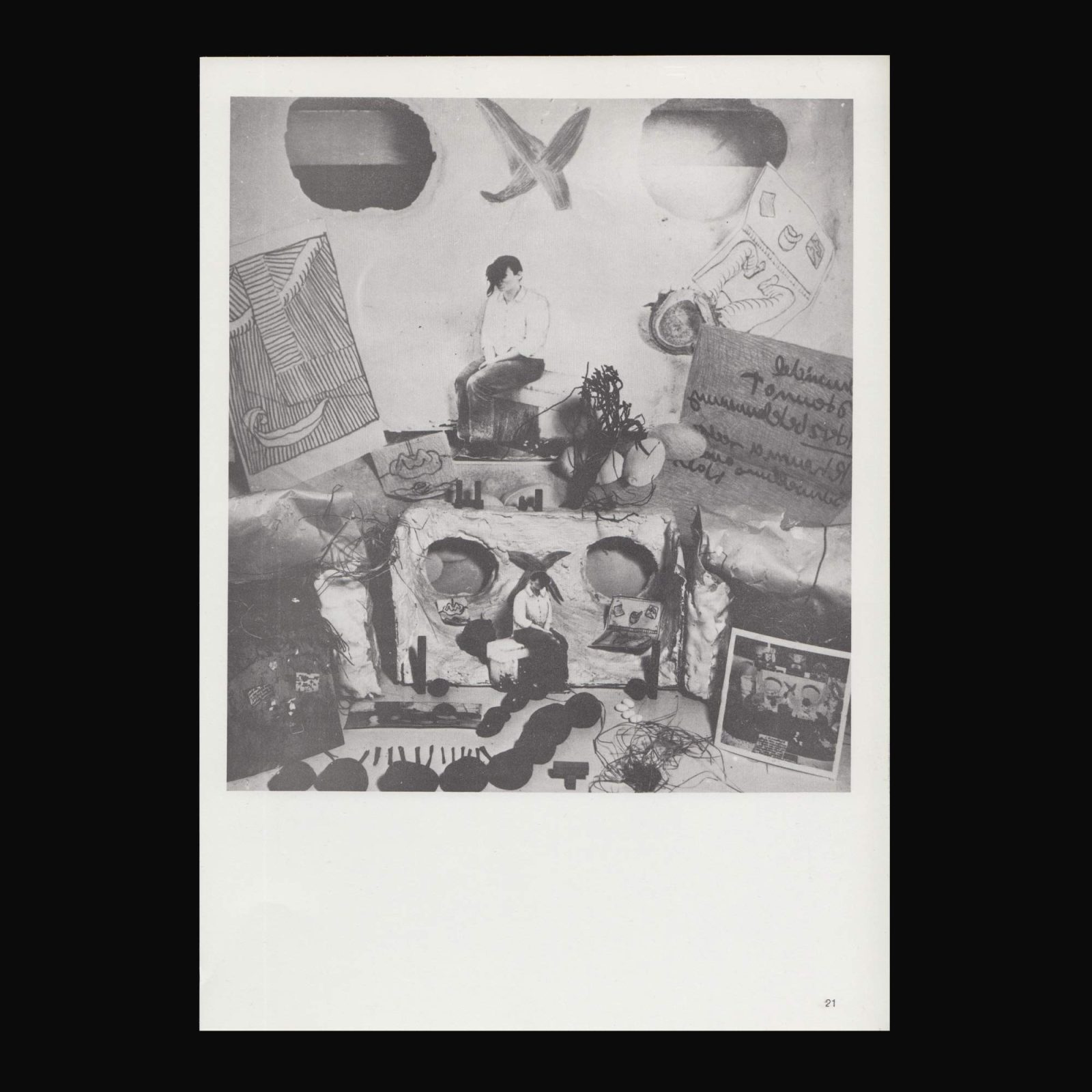
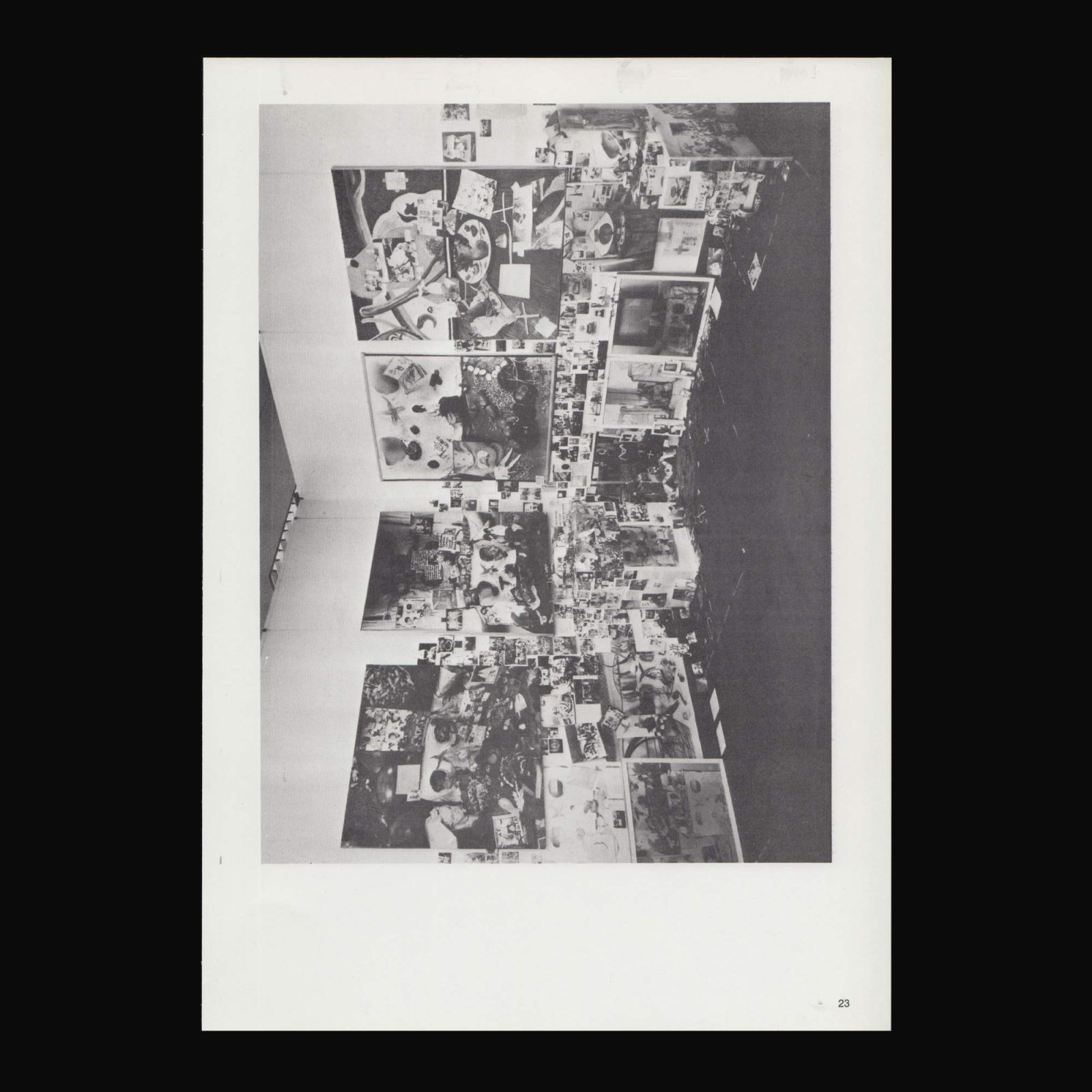
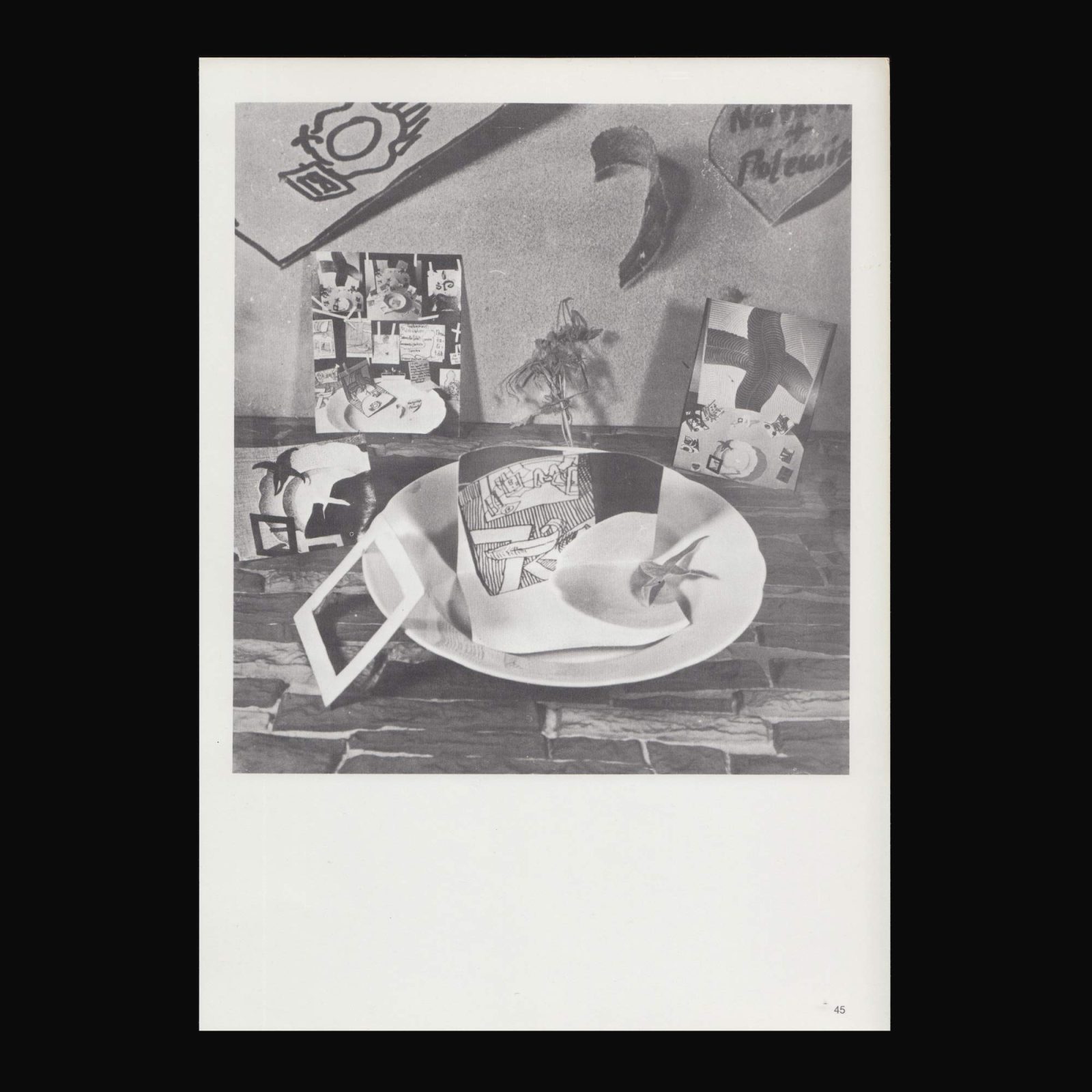
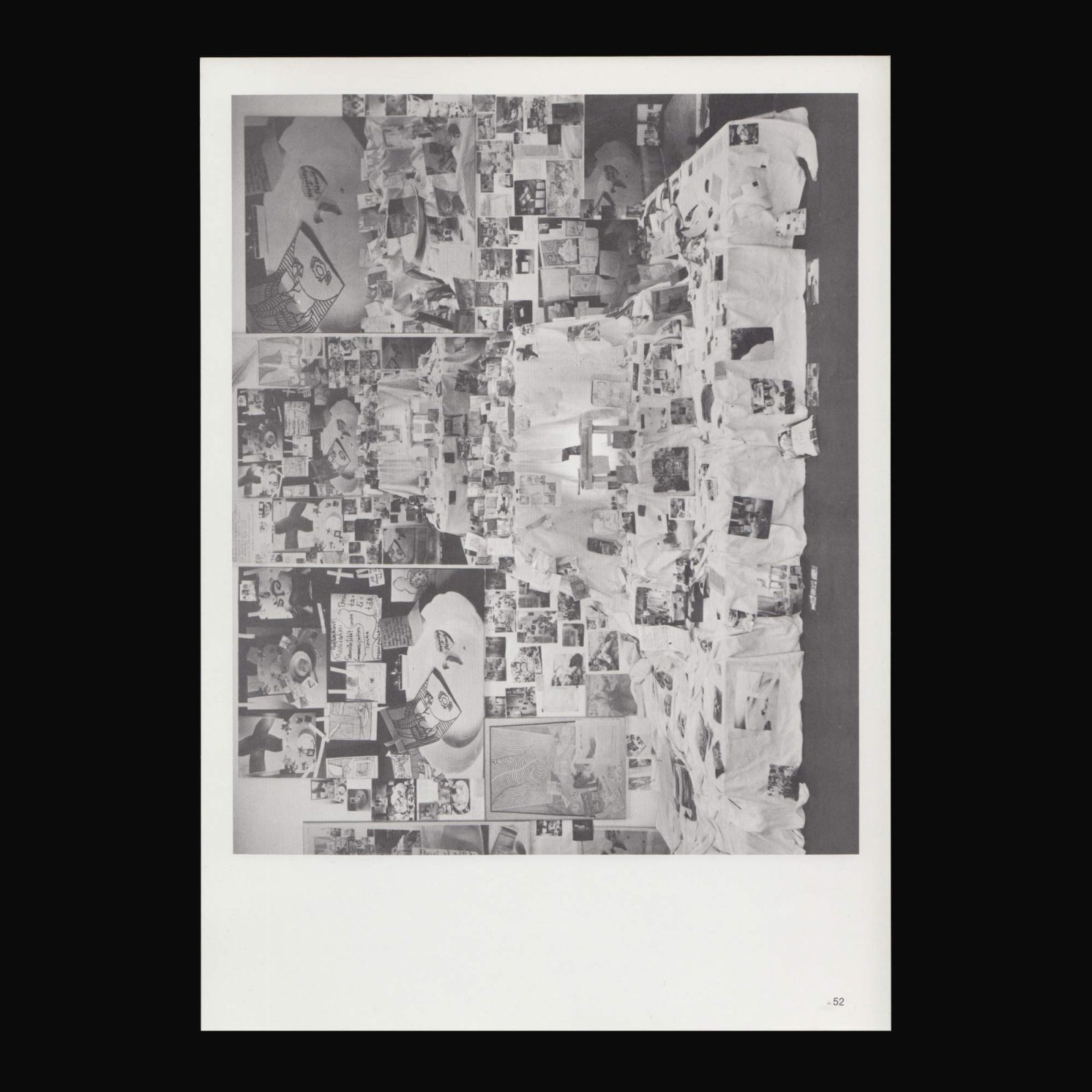
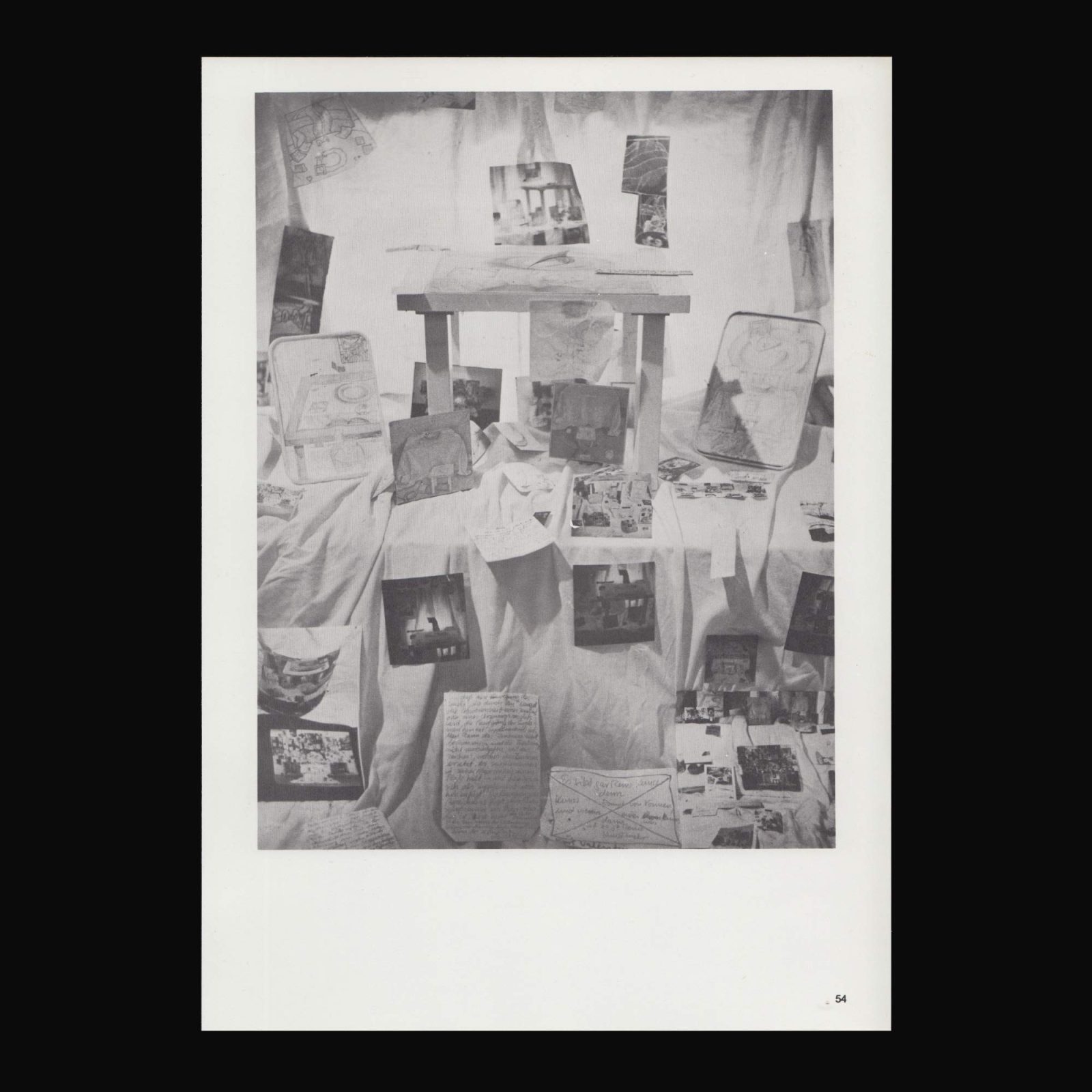
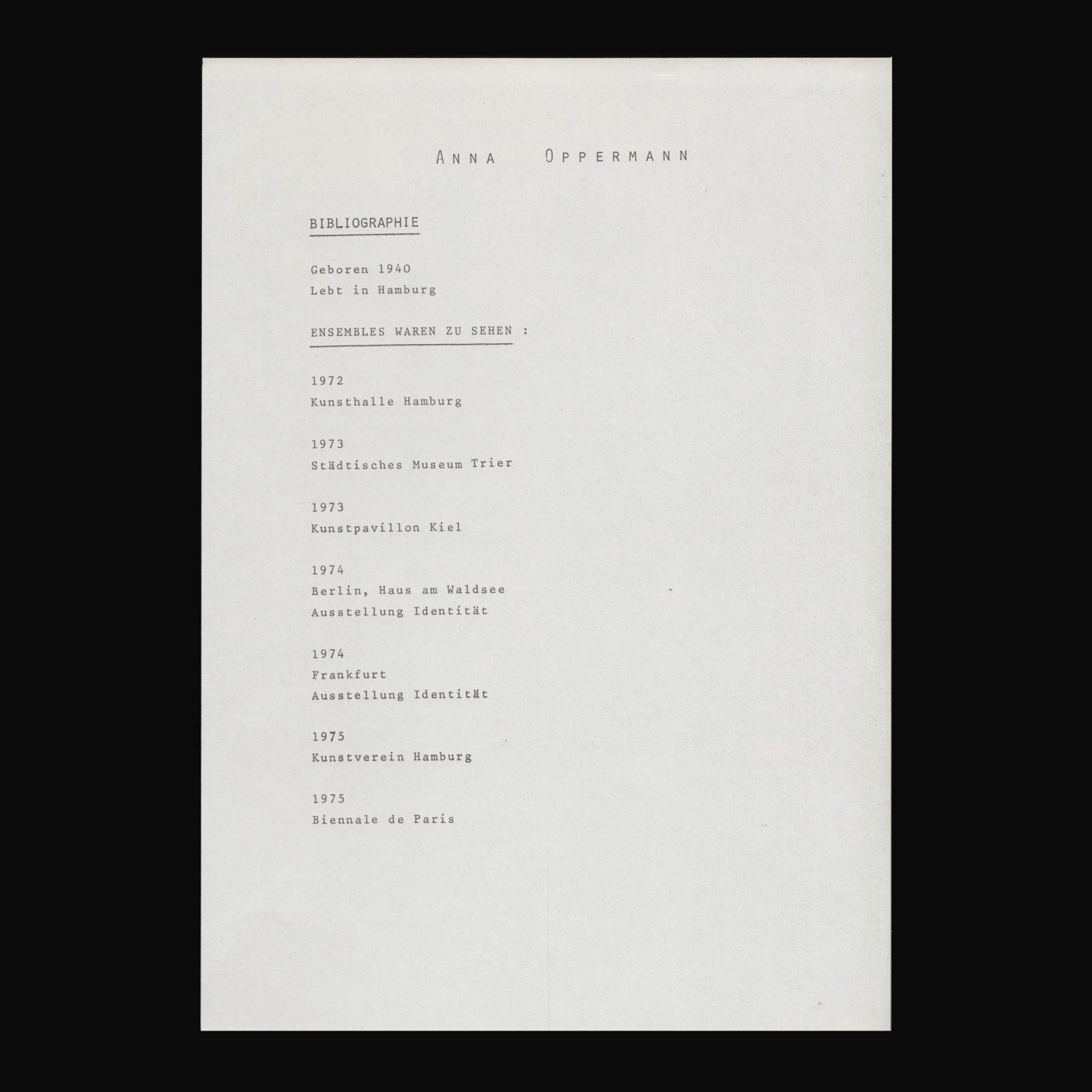
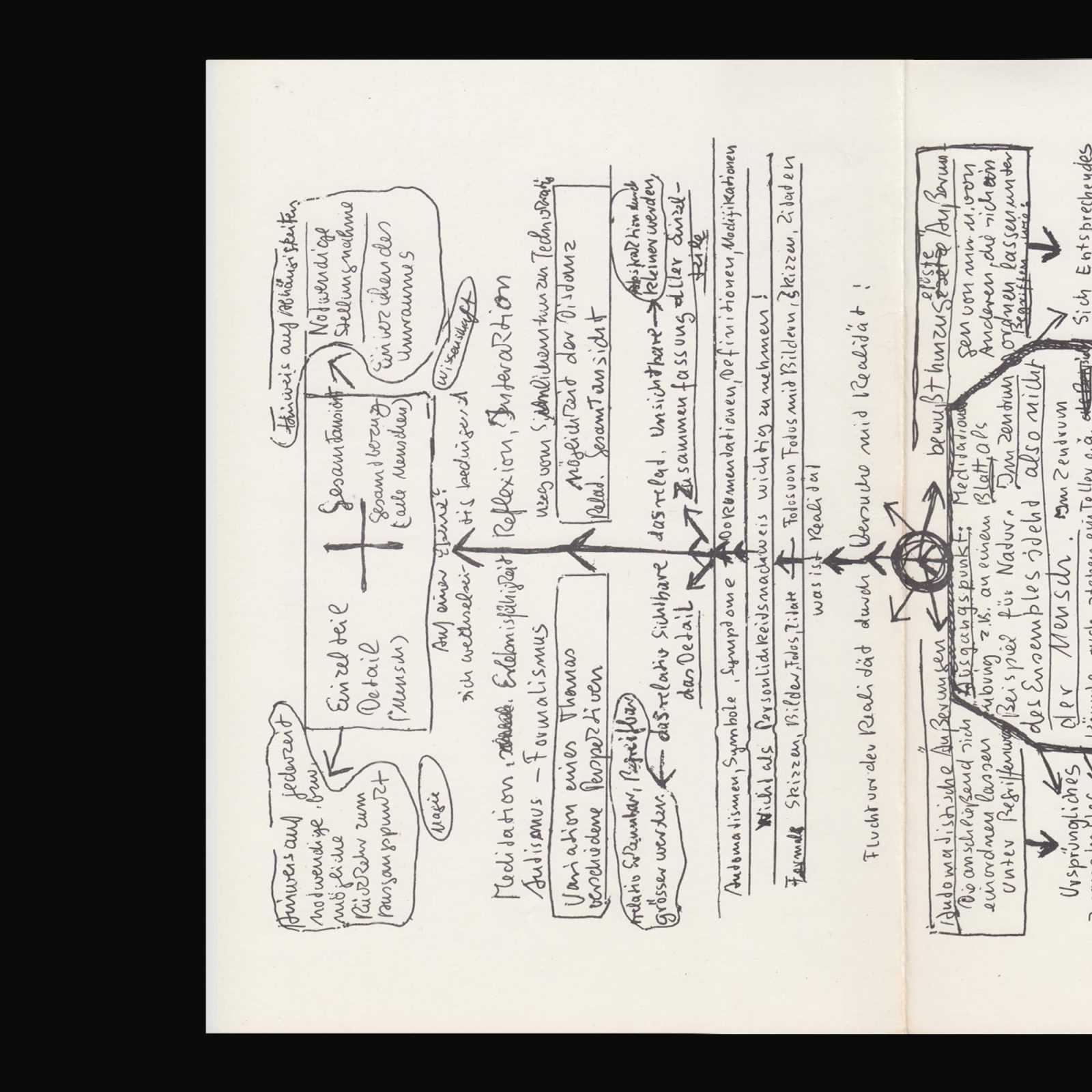
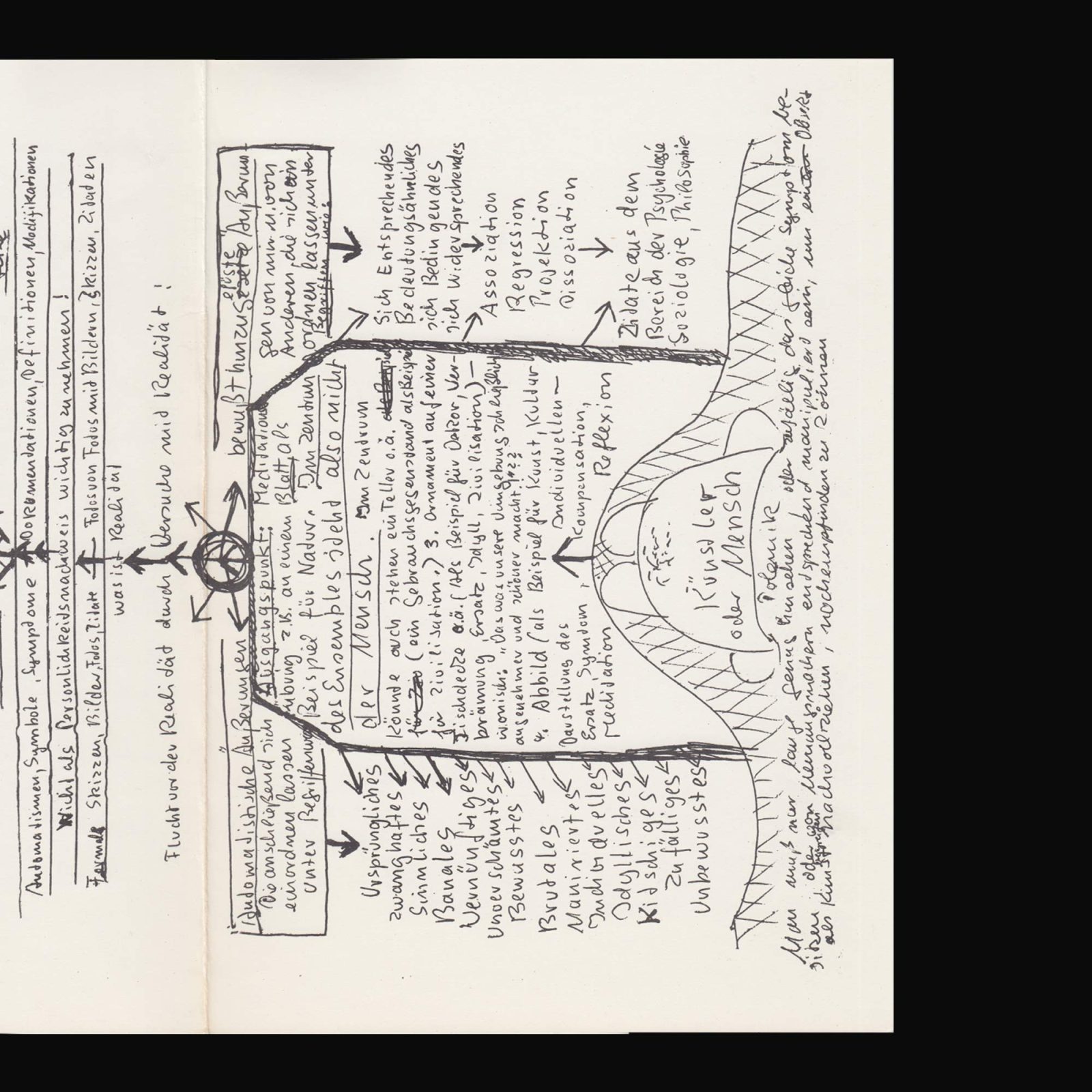
Anna Oppermann (1940–1993) is best known for her “ensembles”—expansive and complex assemblages of drawings, photographs, notes, and found objects that she developed, often over the course of years, in idiosyncratic creative processes. The fruits of an approach that was both intensely visual and tenaciously reflective, her ensembles are explicitly open works.
*Please note this publication is secondhand and has some traces of previous ownership.


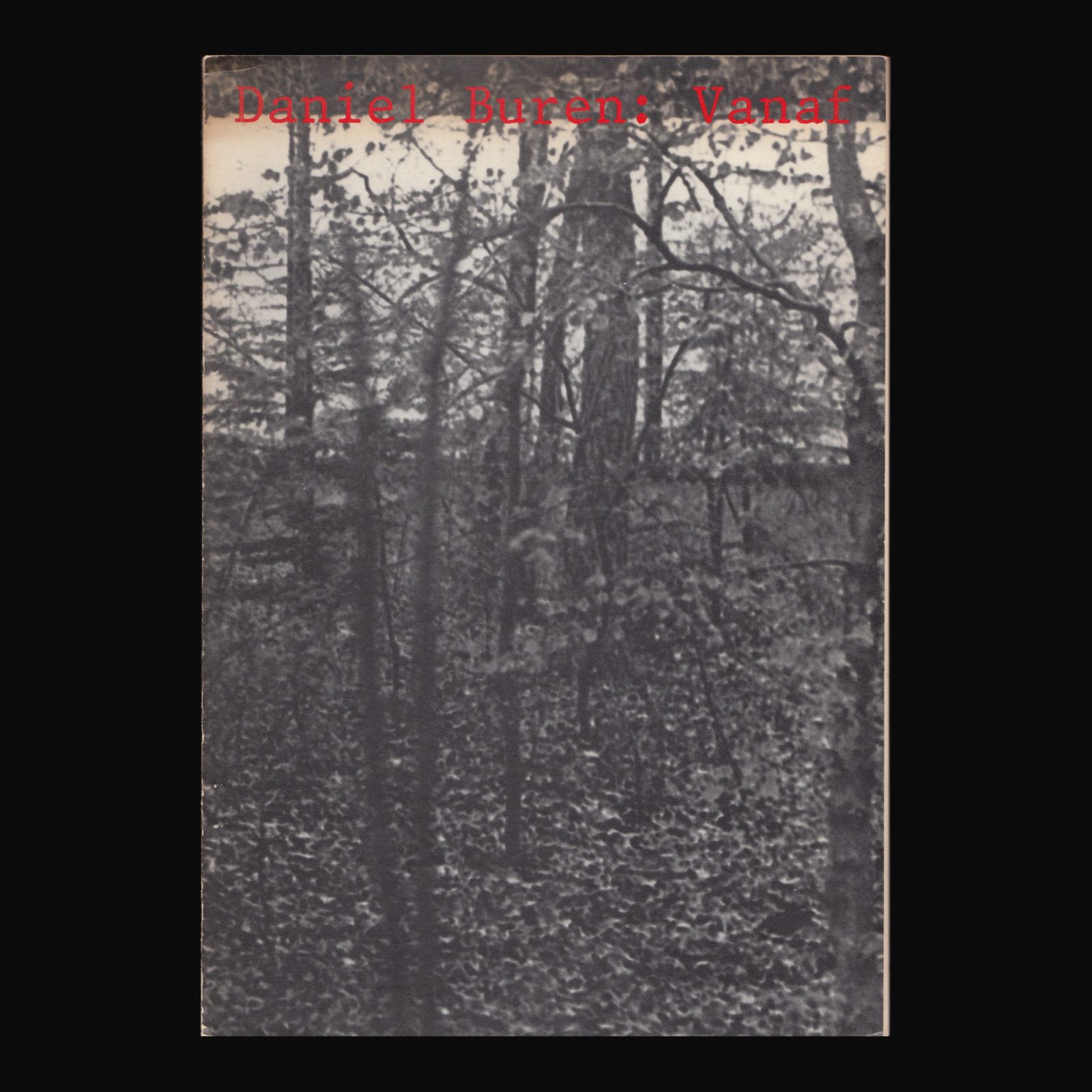
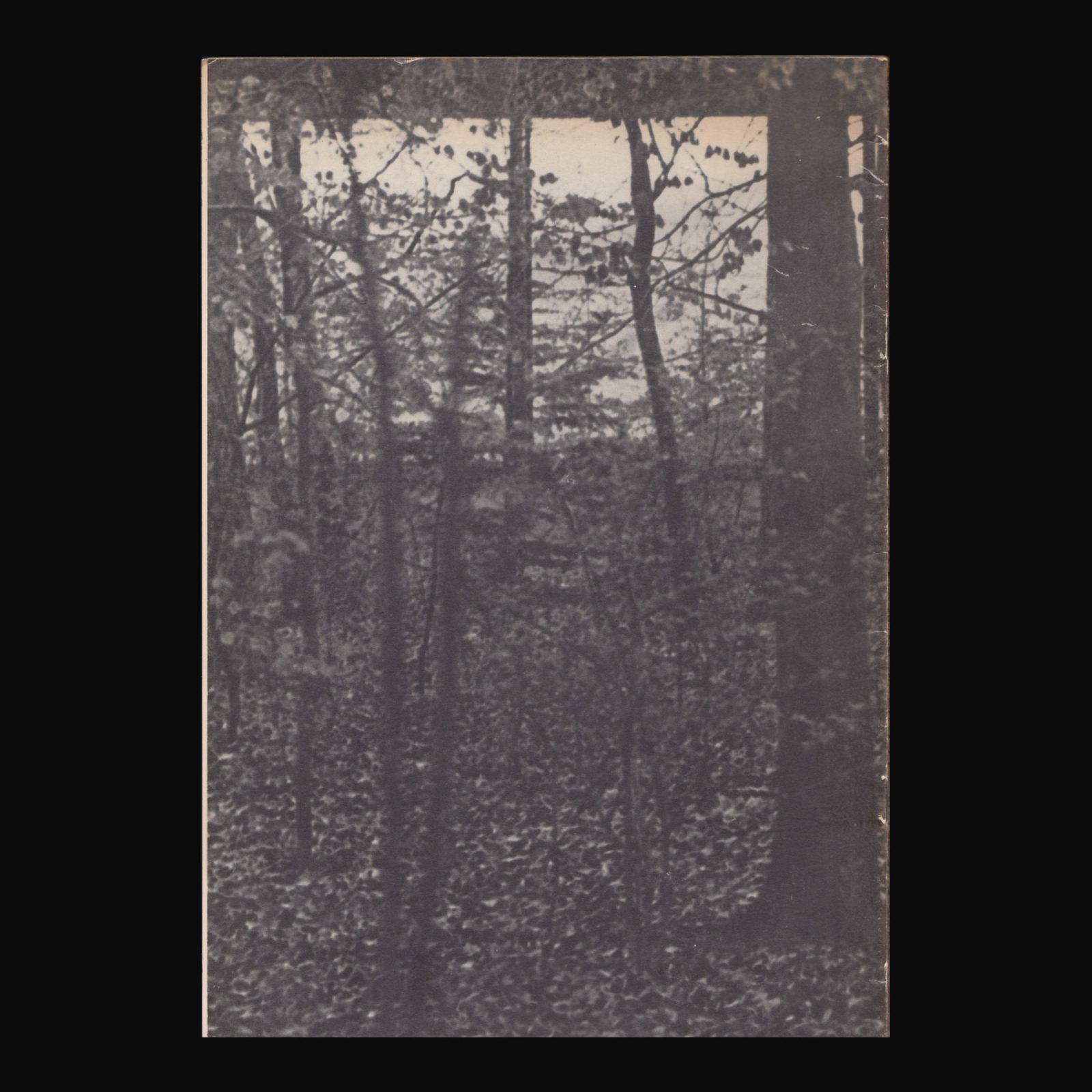
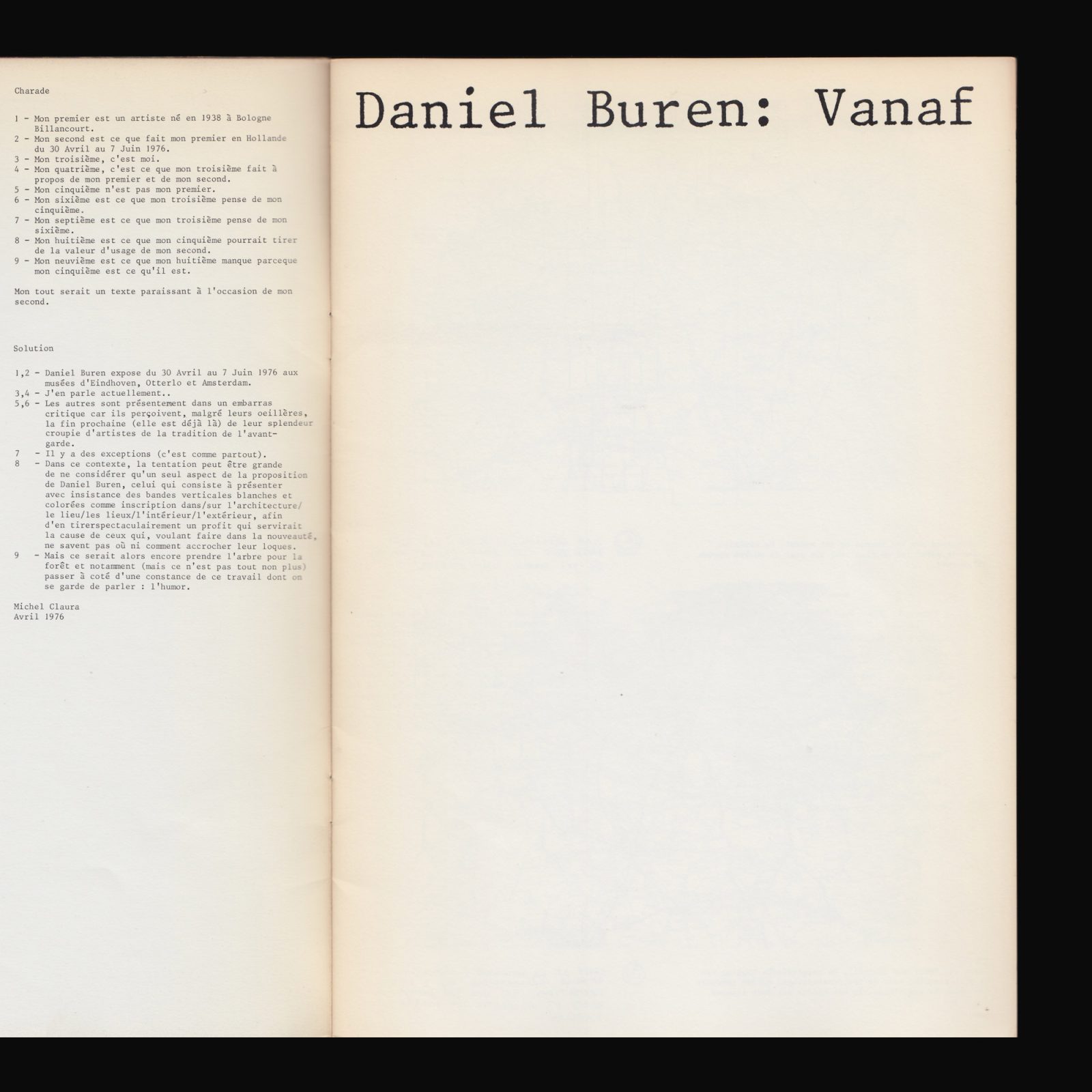
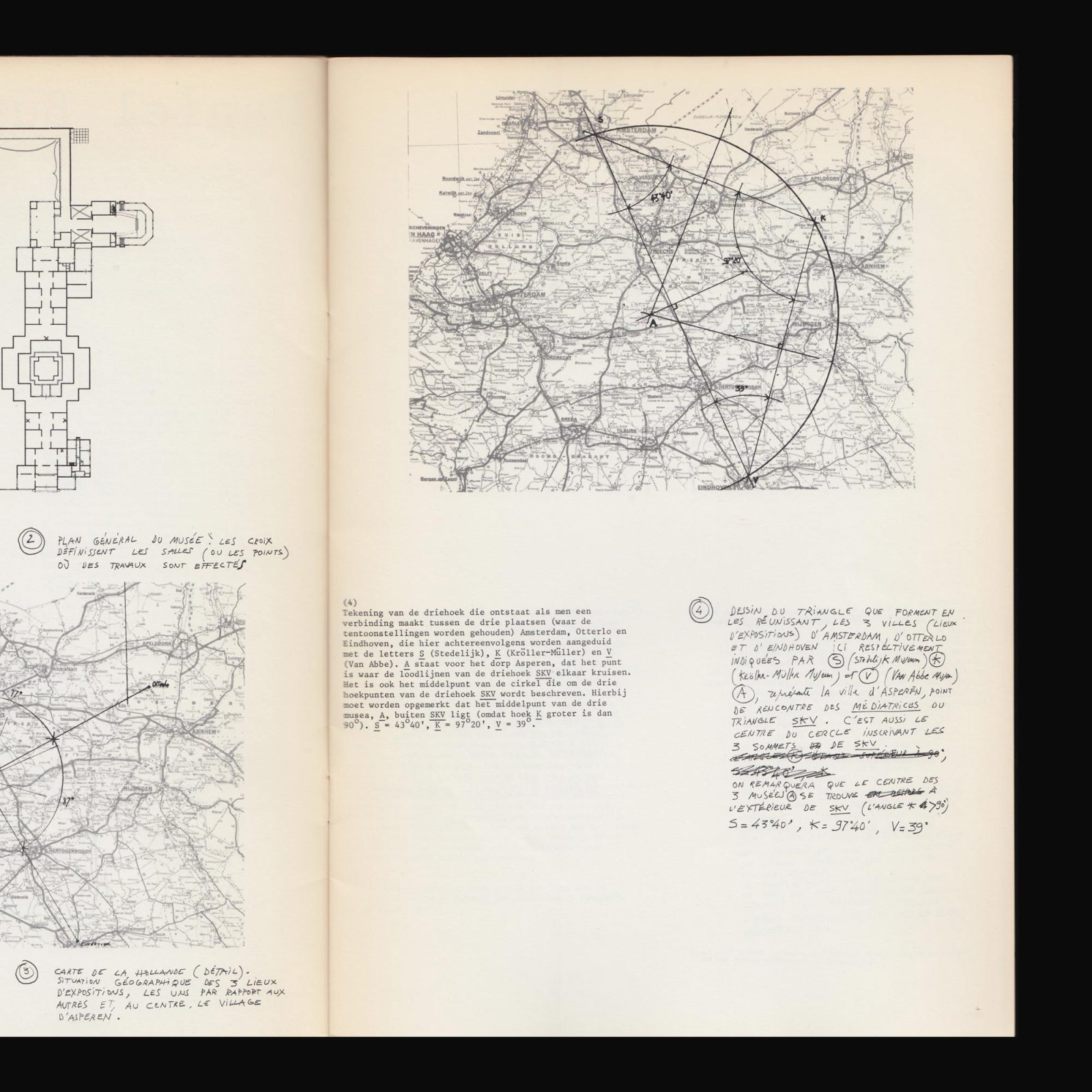
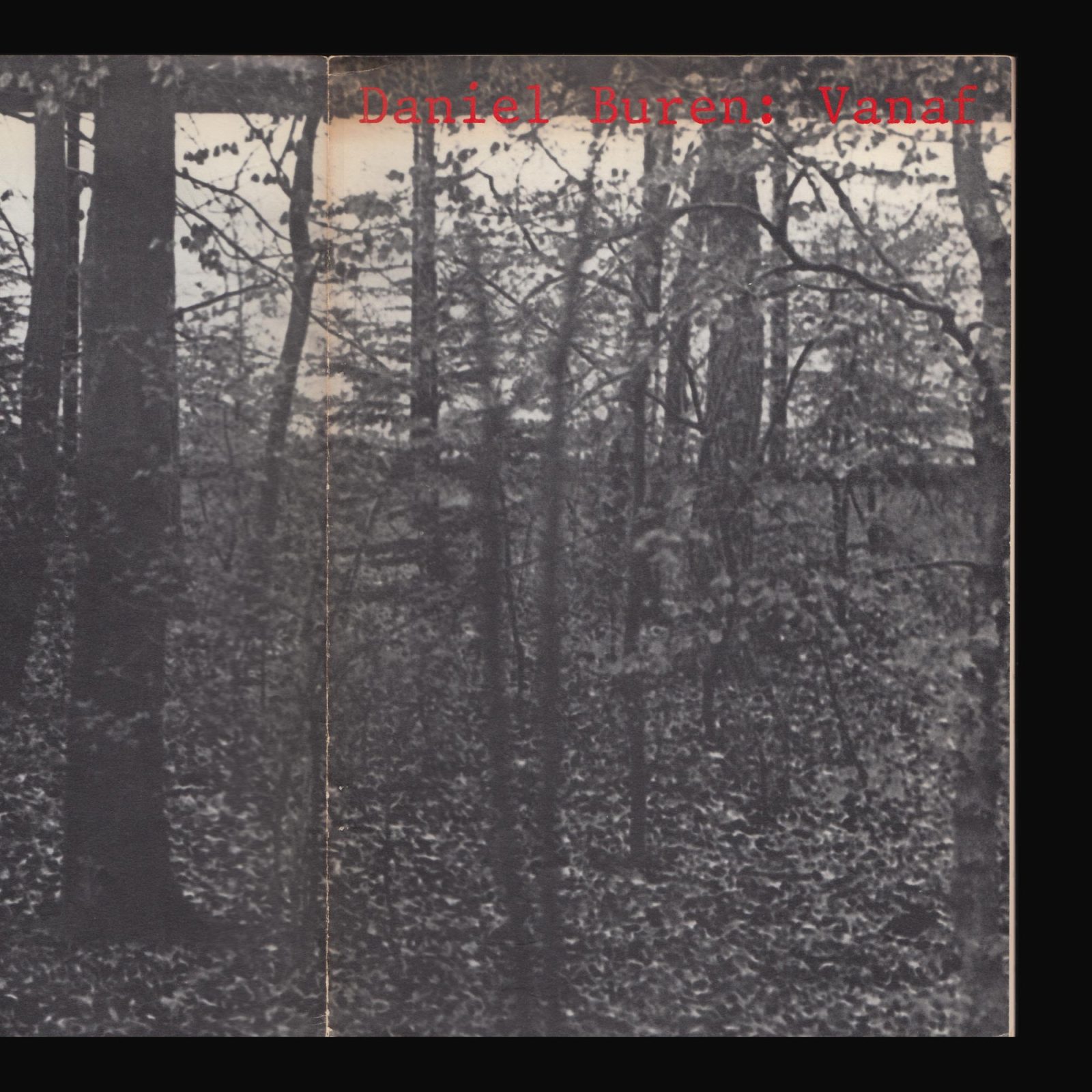
Produced as part of the three part exhibition Hier-vanaf-elders (Here-from-elsewhere) by Daniel Buren held concurrently over three different museums. Each museum was assigned a part of the overall title: hier in the Stedelijk Amsterdam, vanaf in the Rijksmuseum Kröller-Müller and elders in the Van Abbemuseum Eindhoven. Buren created a geographical triangle that connected the museums. In each museum, he marked a point of the triangle in the exhibition space using the striped awning canvas that is so characteristic for him. and each museum was given its own colour.


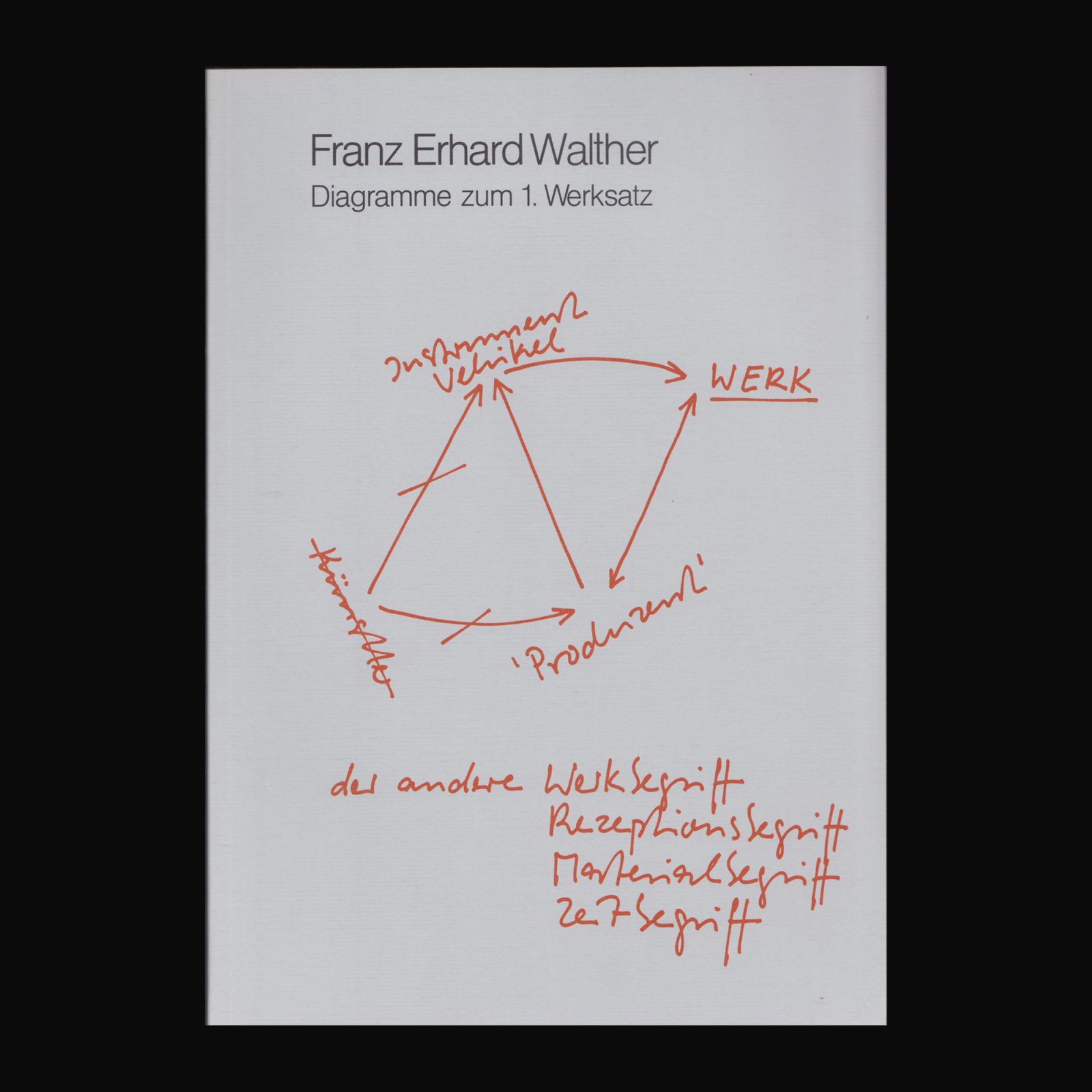
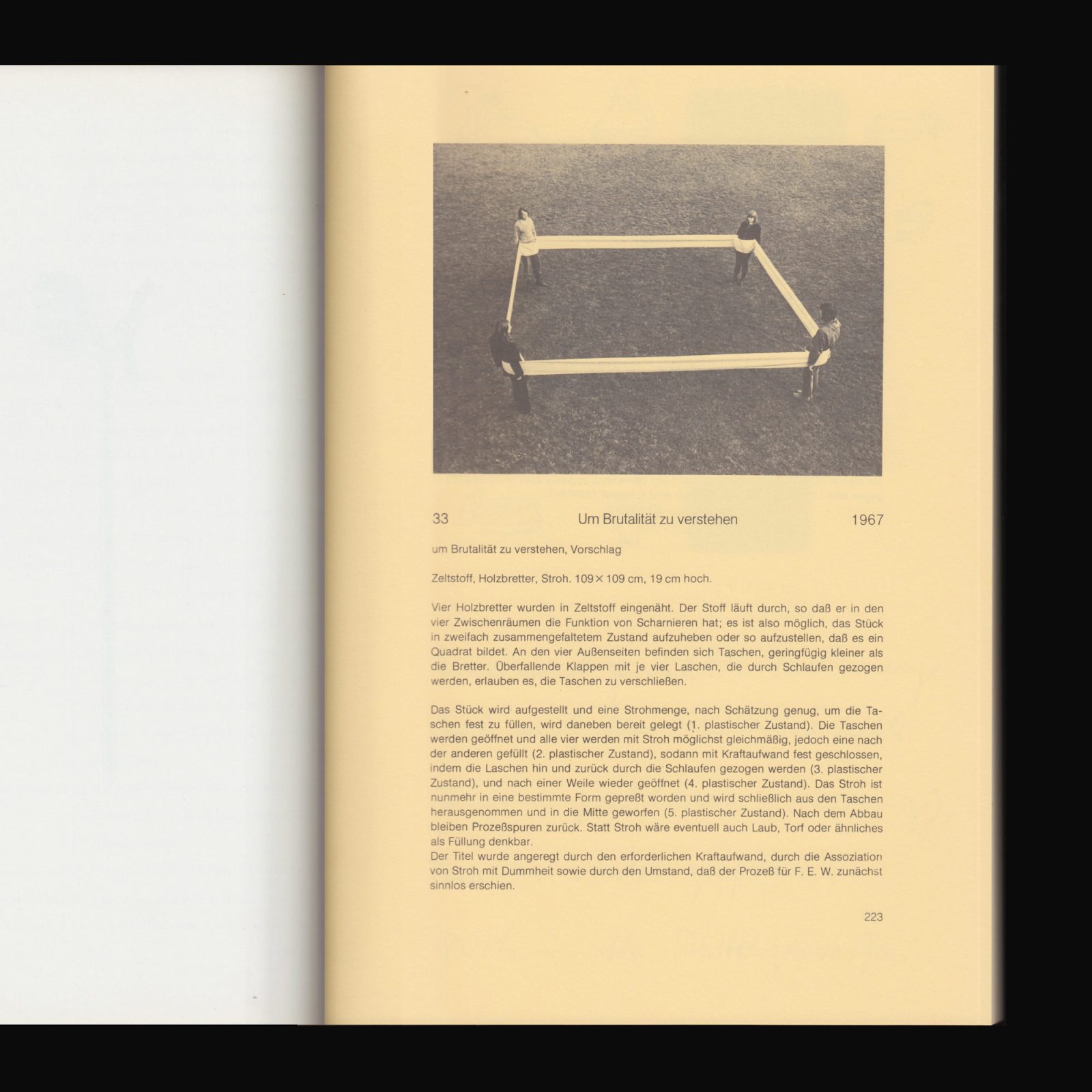
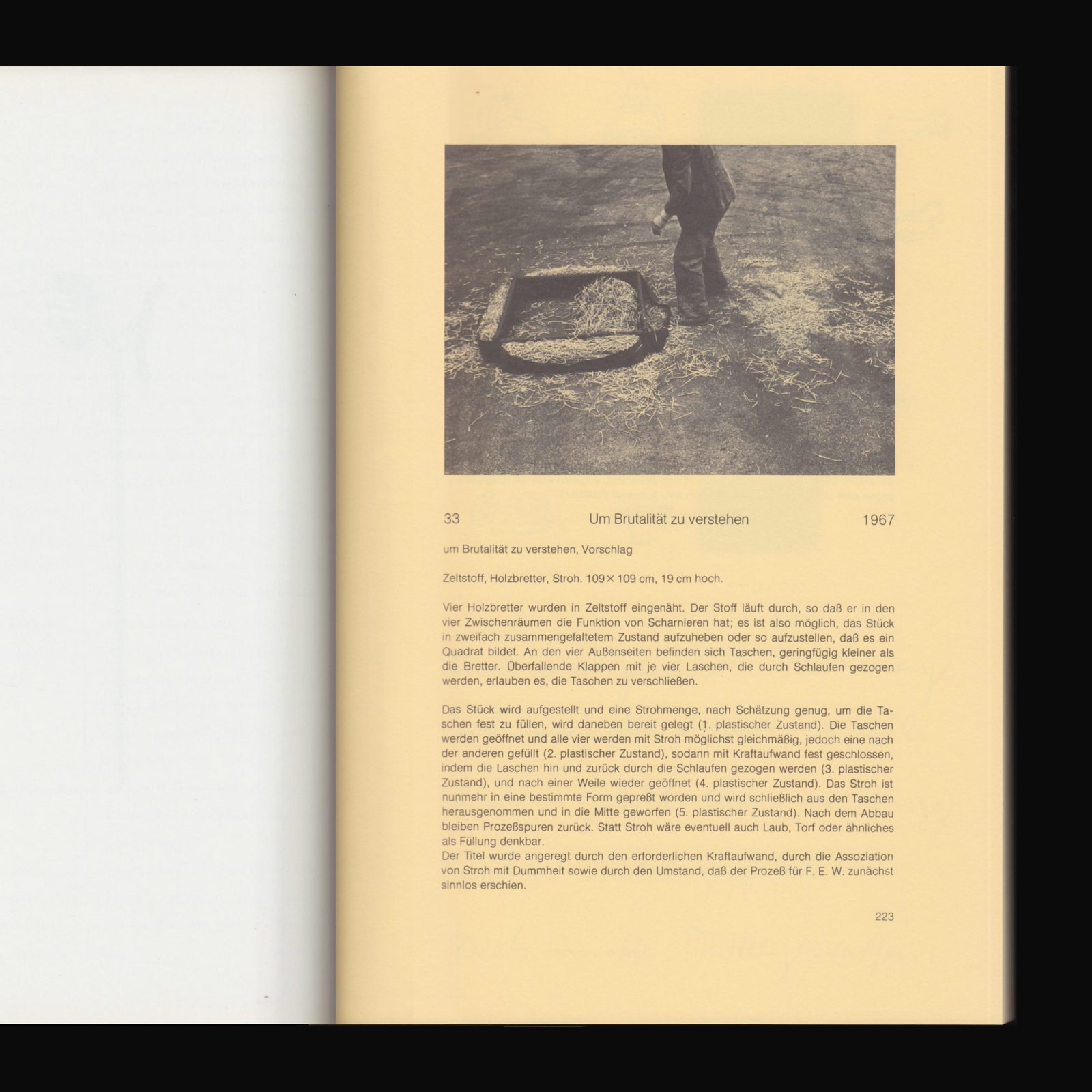
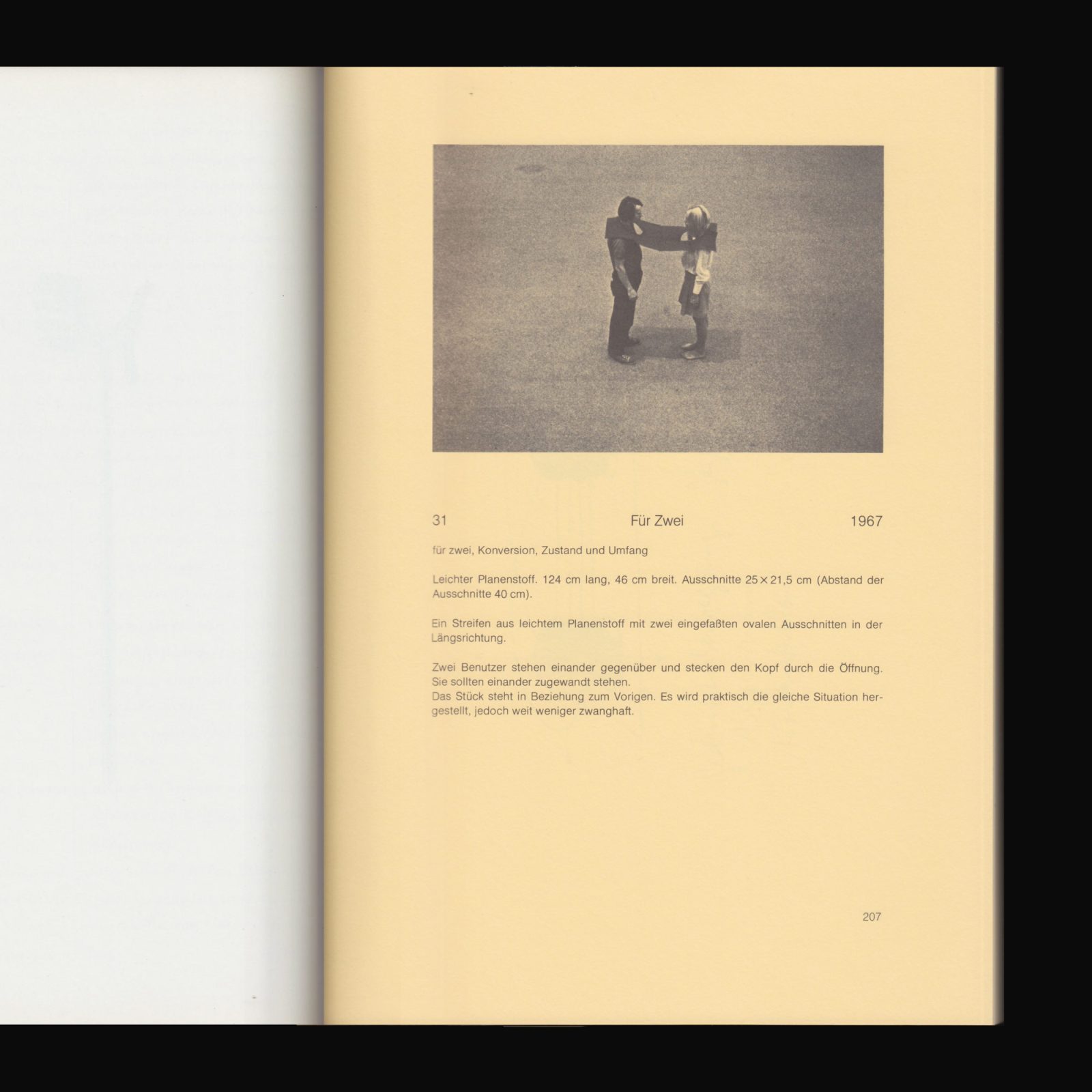
Produced on the occasion of Franz Erhard Walther’s exhibitions at Kunstraum München, 29 January–20 March, 1976 and Städtisches Kunstmuseum Bonn, 8 June–18 July, 1976.
Franz Erhard Walther is a key figure in the departure from the image since the European postwar period. Beyond the classical understanding of sculpture and painting, Walther formulated a completely new concept of work that included the viewer as an actor. Early in his work, fabric—until then an unusual artistic material—became a source of innovation for Walther, from which the “activation objects” emerged. In the wall formations of the 1980s, he achieved an incomparable interweaving of painting, sculpture, and architecture that continues to this day.